
Finding the right swimming goggles can make the difference between a relaxing, productive workout and a frustrating session spent clearing water from your eyes. For adult beginners and fitness swimmers, the search for the perfect pair often leads to TYR, a brand widely recognized for its aquatic gear. However, navigating the array of options requires understanding what features actually support a developing swimmer. The best TYR goggles for this profile are those that prioritize a soft, adaptive silicone gasket, a wide field of vision, and an easily adjustable strap system over the rigid, ultra-low-profile designs favored by competitive racers. By focusing on comfort and ease of use, you can build confidence in the water and focus entirely on your stroke technique and breathing.
Identifying Your Swimming Profile and Comfort Needs
Before looking at specific goggle designs, it is essential to evaluate your personal swimming environment and comfort thresholds. Adult beginners often face unique challenges, such as mild anxiety in deep water or sensitivity to the pressure of swim gear. If you are primarily swimming casual laps to build cardiovascular endurance, your eyes will be submerged for extended periods, making gasket comfort your absolute highest priority.
For those transitioning into structured fitness swimming—where workouts involve structured sets, intervals, and varying paces—the goggles must remain secure during faster movements and turns. However, this security should not come at the expense of comfort. A common mistake among new swimmers is choosing goggles that sit deep within the orbital socket. This area is rich in sensitive nerves and thin skin, meaning high-pressure seals can quickly lead to headaches, bruising, and discomfort.
Products mentioned in this guide
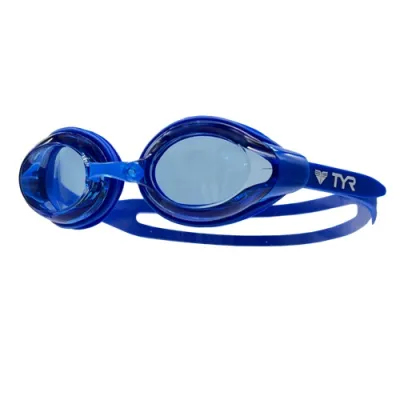
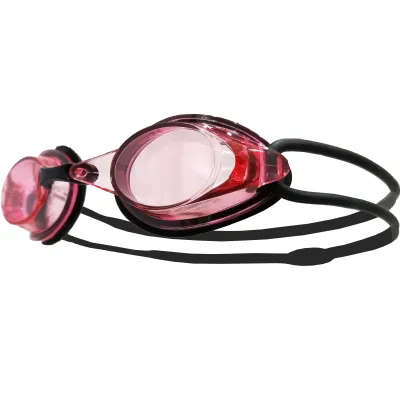
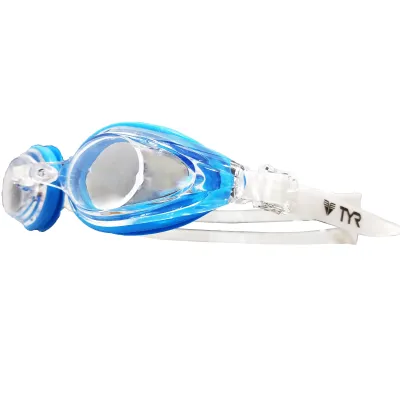
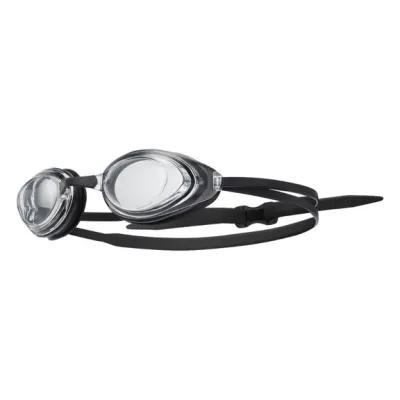
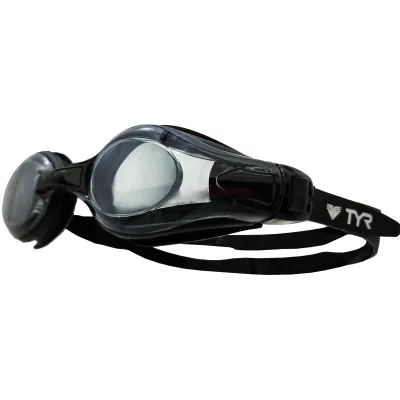
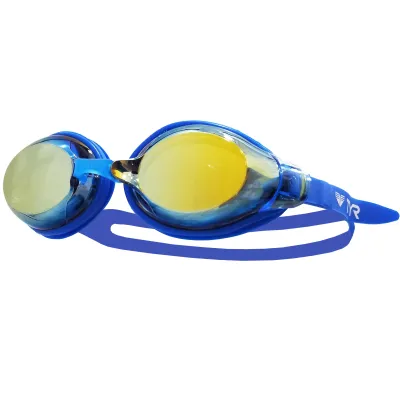
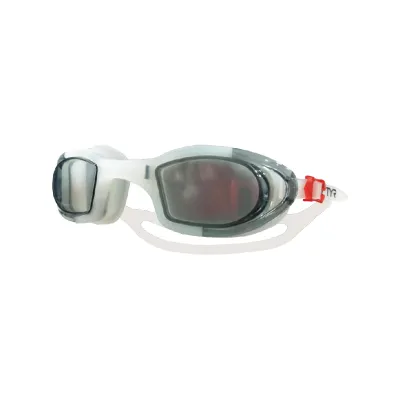
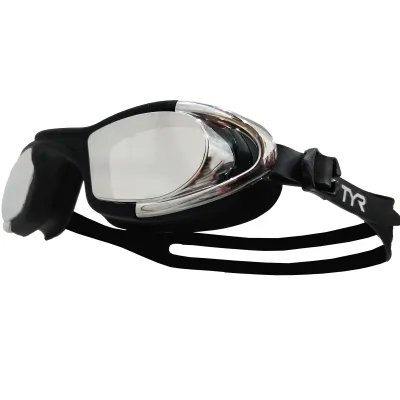
Prices are valid at publication and may change. Please refer to the product page for the latest price.
Additionally, consider where you will be swimming. In Singapore, many fitness swimmers utilize beautiful outdoor public pools or condo facilities. Swimming outdoors introduces challenges like bright sunlight, water glare, and UV exposure, which demand different lens features compared to indoor, climate-controlled pools. Finally, think about your need for spatial awareness. Beginners generally feel more secure when they have excellent peripheral vision, allowing them to monitor lane lines, other swimmers, and the pool walls without constantly turning their heads.
Essential Features for Beginner and Fitness Swimmers
To ensure a successful swim, certain design elements are non-negotiable for recreational and fitness swimmers. Understanding these features allows you to make an informed choice based on your specific needs.

Lens Types and Coatings
- Anti-Fog Protection: Anti-fog coatings are essential to prevent condensation from blocking your view as your body heat rises during a workout.
- UV Protection: UV protection is critical, especially for outdoor swimming, to shield your eyes from harmful solar radiation.
- Lens Tints: Clear lenses are the standard for indoor pools with moderate lighting. If you swim in brightly lit indoor facilities or outdoors on overcast days, light blue or yellow tints can enhance contrast. For bright, sunny outdoor sessions, mirrored or dark smoke lenses are highly recommended to minimize glare and squinting.
Strap Mechanisms
- Split-Strap Design: Beginners should look for split-strap configurations, which feature two bands that separate across the back of the head. This design distributes tension more evenly than a single, thick strap, preventing the goggles from slipping down during your swim.
- Quick-Adjust Buckles: Look for quick-adjust buckle systems. Many modern TYR fitness goggles feature simple side-button or glide-lock mechanisms that allow you to tighten or loosen the straps with a single touch, even while wearing them in the water.
Gasket Materials
- Liquid Silicone: The gasket is the soft seal that makes direct contact with your face. For fitness and beginner swimmers, liquid silicone is the gold standard. It is highly flexible, hypoallergenic, and conforms easily to various facial contours.
- Nested Gaskets: Some goggles feature textured or nested silicone gaskets, which use varying layers of thickness to provide a plush feel against the skin while maintaining a watertight seal under low tension. Avoid rigid plastic frames or hard rubber gaskets, as these require high strap tension to seal, leading to discomfort.
Navigating TYR Goggle Categories for Adults
TYR categorizes its eyewear to cater to different swimming disciplines, from elite racing to casual recreation. Understanding these categories helps you steer clear of unsuitable models and target the ones designed for your skill level.
Fitness and Recreational Models These goggles are engineered with the everyday swimmer in mind. They typically feature larger, oversized frames and thick, soft silicone gaskets that sit on the outer edge of the orbital bone. This placement distributes pressure over a wider surface area, making them incredibly comfortable for long workouts. They also offer wide-angle lenses that maximize peripheral vision, helping beginners feel more oriented and less claustrophobic in the water.
Transition Models If you are progressing quickly and want a slightly more streamlined option without sacrificing comfort, transition models are an excellent choice. These goggles offer a hybrid design: they have a slightly lower profile than standard recreational goggles to reduce drag, but they retain the soft, forgiving silicone seals and easy-adjustment features of fitness models. They are perfect for swimmers who are starting to incorporate flip turns and high-intensity intervals into their routines.
What to Avoid It is highly recommended that beginners and fitness swimmers avoid elite racing goggles, often referred to as socket goggles or Swedish-style goggles. While these low-profile designs are excellent for competitive athletes looking to shave fractions of a second off their times, they offer virtually no cushioning. They sit directly inside the eye socket and rely on a very tight fit to stay secure during explosive dives and turns. For a fitness swimmer, wearing these for a 45-minute workout can cause significant pain, deep red marks, and persistent leaking if the fit is not absolutely flawless.
Achieving the Right Fit and Seal
Even the most advanced goggles will leak if they do not fit your unique facial structure. Fortunately, you can easily verify the fit before you ever jump into the pool.
The Suction Test To perform this test, take the goggles and press them gently against your eyes without putting the strap over your head. Press them slightly to expel the air and create a seal. If the goggles stick to your face for a second or two before falling off, it indicates that the gasket shape matches your facial contours and will provide a watertight seal. If they pop off immediately or fail to stick at all, the frame shape is likely too wide, too narrow, or incompatible with your bone structure.
Nose Bridge Adjustment The distance between your eyes plays a massive role in how goggles seal. Many TYR models feature interchangeable nose bridges of varying lengths, while others use a flexible, self-adjusting unibody nose bridge. If your goggles leak near the inner corners of your eyes, the nose bridge may be too wide, causing the gaskets to pull away from the nose. Conversely, a bridge that is too narrow will pinch the nose and cause the outer edges of the gaskets to lift off your temples.
Strap Positioning A common instinct is to tighten the head strap as much as possible to stop leaks. However, this actually deforms the silicone gasket and causes more leaks, along with severe discomfort. The suction of the gasket should do the work of keeping water out; the strap is simply there to keep the goggles in place. Position the split strap so that one half sits high on the crown of your head and the other sits lower, near the middle of the back of your head. This creates a secure, triangular anchor that keeps the goggles stable without requiring excessive tightness.
Caring for Your Goggles to Maintain Clarity and Seal
Proper maintenance is key to extending the lifespan of your goggles and preserving their anti-fog properties. Chlorine, salt, pool chemicals, and body oils can rapidly degrade silicone and lens coatings if left unchecked.
Rinsing Immediately after every swim, rinse your goggles thoroughly in cool, fresh tap water. This removes residual chlorine, salt, and pool chemicals that can dry out and crack the silicone gaskets over time. Never use hot water, dish soap, or abrasive cleaners, as these will strip away the delicate anti-fog coating on the inside of the lenses.
Drying and Storage Allow your goggles to air-dry completely in a shaded, well-ventilated area before storing them. Avoid leaving them in direct sunlight, as UV rays can warp the silicone and cause the lenses to crack. Never throw wet goggles directly into a dark, damp swim bag, as this creates a perfect environment for mold and mildew to grow on the gaskets. Instead, store them in a protective pouch or a dedicated compartment in your gear bag once they are dry.
Recognizing Wear and Tear Over time, all swim goggles will eventually need to be replaced. The factory anti-fog coating will gradually wear off, and the silicone gaskets will lose their elasticity, becoming stiff, brittle, or sticky. If you notice that your goggles are constantly fogging up despite proper care, or if they begin to leak frequently during workouts despite a correct fit, it is a clear sign that the materials have degraded and it is time to invest in a new pair.
Frequently Asked Questions (FAQ)
How do I stop my TYR goggles from fogging up during a workout?
The factory anti-fog coating on TYR goggles is a highly sensitive chemical layer applied to the inside of the lenses. The most important rule of goggle care is to never touch, wipe, or rub the inside of the lenses with your fingers, towels, or clothing, as this will instantly scratch and ruin the coating. If your goggles begin to fog up mid-workout, simply dip them briefly into the pool water and let them drain. For a more permanent solution once the original coating has worn off, you can apply a dedicated anti-fog spray or a drop of highly diluted baby shampoo to the inside of the lenses, rinsing them gently with fresh water before putting them on.
Should I choose mirrored or clear lenses for indoor lap swimming?
For indoor lap swimming, clear or lightly tinted lenses are generally the best choice. Clear lenses allow the maximum amount of light to enter, providing excellent visibility in standard or dimly lit indoor pools. Light blue or yellow tints can also be beneficial indoors, as they help filter out harsh overhead glare and improve contrast. Mirrored or dark smoke lenses, on the other hand, are designed to reflect bright light and reduce glare, making them ideal for outdoor pools under the bright sun or exceptionally bright indoor facilities with large skylights. Using mirrored lenses in a dark indoor pool can make it difficult to see lane lines and other swimmers clearly.

Community discussion
Share your experience or ask a question. Comments are reviewed before publication.