
Selecting the right water bottle holder depends entirely on your movement patterns, as a design that excels on a stationary gym floor will fail on a bumpy trail. For cycling, a rigid frame-mounted cage is essential to withstand high-frequency road vibrations. For gym workouts, a freestanding base or a magnetic strap keeps your bottle upright on flat surfaces or equipment frames. For outdoor cardio like running or hiking, a body-worn wearable sleeve or hydration vest distributes weight evenly to prevent bouncing. Matching the holder design to your specific sport ensures your hydration remains secure, accessible, and clean throughout your session.
Quick Guide: Matching Holder Designs to Workout Scenes
Every workout environment places distinct physical demands on your hydration gear. When cycling, high-frequency vibrations from road surfaces and aerodynamic drag require a mounting system that holds the bottle in a fixed, low-profile position. In contrast, gym training is largely static but demands quick, one-handed access and often requires space for secondary items like keys or access cards. Outdoor cardio, such as running or trail hiking, introduces continuous, high-impact body movement where uneven weight distribution can lead to muscle fatigue or painful chafing.
To address these varied demands, manufacturers design holders across three broad categories: rigid frame mounts, freestanding floor bases, and body-worn wearable sleeves. Rigid frame mounts bolt directly to equipment, offering maximum security against sudden shocks. Freestanding floor bases and magnetic sleeves prioritize stability on flat surfaces or metal gym frames, keeping your bottle off dirty floors. Wearable sleeves, including belts and vests, focus on body-conforming ergonomics to minimize movement while you run.
Products mentioned in this guide
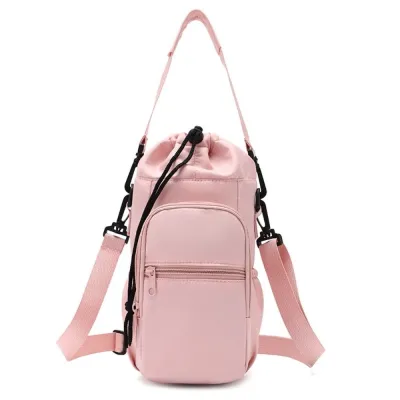
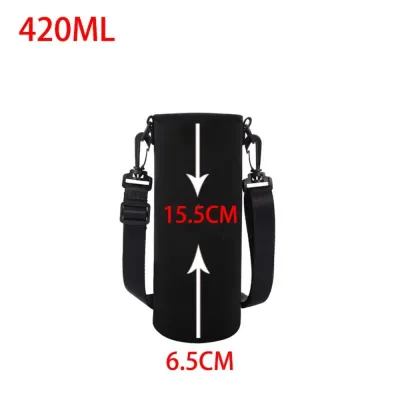
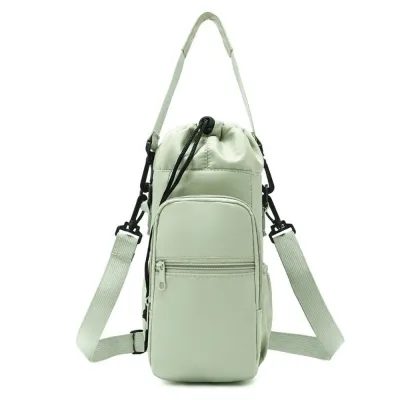
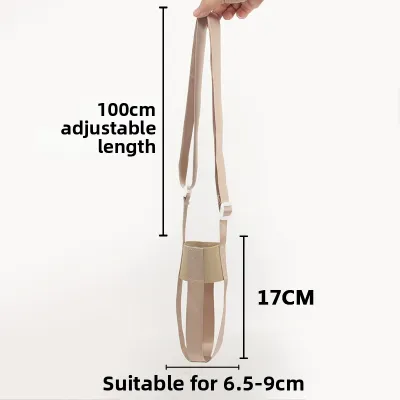

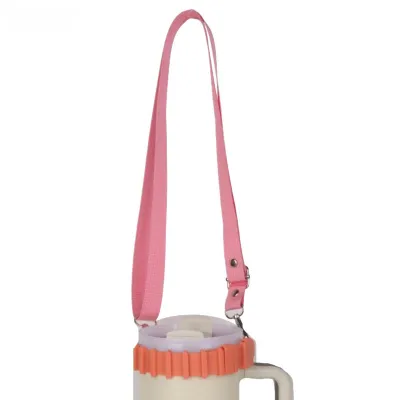
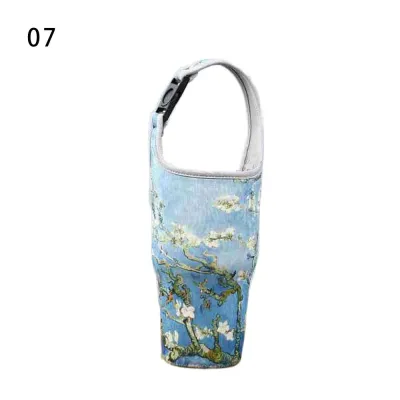
Prices are valid at publication and may change. Please refer to the product page for the latest price.
When choosing between these designs, evaluate three core dimensions: accessibility, security, and portability. Accessibility determines how easily you can grab a drink mid-movement without breaking your stride or posture. Security measures how well the holder retains a full, heavy bottle under sudden impacts or inversions. Portability dictates how easily you can transport the holder itself when it is not attached to a machine or your body. Balancing these three factors will point you directly to the correct category for your routine.
Cycling: Prioritizing Security and Vibration Resistance
On a bicycle, a dropped water bottle is more than an inconvenience; it is a serious safety hazard that can lodge in your spokes or cause riders behind you to crash. Cyclists must choose between frame-mounted cages, handlebar mounts, and seatpost carriers based on frame clearance and riding posture. Frame-mounted cages are the standard choice, keeping the weight low and centered within the front triangle. Handlebar mounts offer upright accessibility for casual riding but can alter steering dynamics, while rear seatpost carriers reduce aerodynamic drag but require a flexible reach behind the saddle.

Before purchasing any frame-mounted holder, verify your bicycle’s frame bolt thread sizes and mounting hardware compatibility. Most modern bicycles use standard M5 threaded bosses spaced 64mm apart, but frame clearance varies wildly, especially on smaller frames or full-suspension mountain bikes. Check the manufacturer’s specifications for both your bike frame and the holder to ensure the bottle can be extracted sideways if vertical clearance is limited.
Retention mechanism design is critical for preventing bottle launch over rough terrain. Evaluate options like flexible polymer grips, carbon fiber tension arms, or adjustable tension dials based on your intended riding surface. For smooth tarmac, lightweight carbon or aluminum cages provide sufficient grip. If you ride on gravel, mountain trails, or bumpy park connectors, look for heavy-duty polycarbonate cages or magnetic locking systems rated for high-vibration environments. Always check the holder’s labeled weight capacity to ensure it can support a fully filled insulated bottle on rough descents.
Gym Workouts: Focusing on Accessibility and Floor Stability
Gym environments require a completely different approach to hydration storage, focusing on convenience and hygiene rather than high-vibration security. Gym-goers typically choose between freestanding floor holders, bag-attached sleeves, or magnetic bench hooks. While a simple floor placement is common, it leaves your bottle vulnerable to being knocked over by passing members or rolling away under heavy machinery. Magnetic sleeves and hook systems allow you to attach your bottle directly to the steel frames of weight machines, keeping it at eye level and out of the way.
If you prefer keeping your bottle on the floor, check the holder’s base width, material friction, and weight distribution. A wide, flared base lined with non-slip rubber or silicone prevents the holder from tipping over when supporting a tall, heavy vacuum-insulated bottle. Top-heavy bottles are particularly prone to falling, so look for low-profile sleeves that concentrate the weight near the ground.
Shared gym spaces are hotbeds for bacteria, making hygiene a primary consideration for your holder. Review the manufacturer’s care instructions to ensure the materials can withstand frequent sanitization. Non-porous plastics, silicone, and treated nylon are ideal because they can be wiped down quickly with standard gym disinfectant wipes without degrading. Avoid untreated canvas or porous fabrics that absorb sweat and floor grime, which can lead to unpleasant odors and mold growth over time.
Outdoor Cardio: Balancing Portability and Body-Worn Comfort
For runners, hikers, and outdoor fitness enthusiasts, carrying water requires a holder that moves with the body rather than resisting it. The primary options include running belts, hydration vests, and handheld carriers, each suited to different distances and water volumes. Running belts sit low on the hips and are excellent for short to medium runs, keeping your center of gravity stable. Hydration vests distribute weight across the chest and upper back, making them the preferred choice for long trail runs where you need to carry more water and safety gear. Handheld carriers are highly portable but can cause muscular imbalances over long distances.
To prevent painful chafing and bouncing, plan your strap tension adjustments and load placement carefully. A poorly adjusted belt or vest will bounce rhythmically with your stride, causing friction burns on your skin. Look for wide, elasticized straps that distribute pressure evenly. When fitting a hydration vest, adjust the sternum straps so the vest sits snugly against your torso, preventing lateral movement while still allowing full lung expansion during intense uphill climbs.
Sizing compatibility is the final hurdle for wearable holders. Unlike rigid bike cages, fabric sleeves must match the exact shape and diameter of your preferred water bottle to function correctly. Check the holder’s internal sleeve dimensions against your bottle before heading out. A sleeve that is too loose will allow the bottle to sway and bounce, while an overly tight sleeve will force you to stop and struggle with both hands just to take a sip.
Cross-Scenario Compatibility: Can One Holder Do It All?
While it is tempting to look for a single water bottle holder that transitions seamlessly from your road bike to the gym floor and onto the running trail, physical trade-offs make a universal solution difficult to achieve. Forcing a wide, heavy, double-walled gym bottle into a narrow, rigid metal cycling cage can permanently scratch your bottle’s finish, bend the cage out of shape, or result in the bottle launching on the first bump. Conversely, a lightweight, minimalist cycling cage is entirely useless on a gym floor or a running path.
If you require a multi-sport solution, look for modular systems designed specifically for cross-scenario use. Some manufacturers offer interchangeable mounting bases, allowing you to unclip the bottle sleeve from a bicycle frame mount and clip it onto a universal strap mount for a gym machine or a stroller. These systems use quick-release mechanisms that maintain high security during active use while offering tool-free transitions between workouts.
However, you must establish clear conditions for when to abandon multi-use compromises in favor of specialized gear. If your outdoor activities involve high-speed cycling, technical trail running, or extreme weather, specialized holders are necessary to prevent equipment failure or injury. Investing S$15 to S$30 in a dedicated, scene-specific holder is a minor cost compared to replacing an expensive insulated bottle or risking a fall due to distracted riding.
Pre-Workout Checklist: Verifying Fit and Security
Before starting any workout, take thirty seconds to verify that your water bottle holder is secure and functioning. A quick pre-workout check prevents dropped bottles, damaged gear, and interrupted training sessions.
- Visual Inspection: Examine the holder for visible stress cracks in plastic or carbon components, loose mounting bolts on your bicycle frame, or frayed stitching and worn Velcro on fabric straps.
- Physical Shake Test: Insert your fully filled water bottle into the holder and give it a firm shake. For bike cages, ensure there is no lateral play. For running belts and vests, jump in place a few times to verify the bottle does not shift or bounce excessively.
- Inversion Check: If using a holder with an active retention mechanism, such as a magnetic lock or a bungee cord loop, gently invert the holder over a soft surface to confirm the bottle remains locked in place.
If you discover a cracked cage, a torn strap, or a loose mounting thread, do not attempt to patch it with temporary tape for a high-intensity workout. Retire the damaged holder immediately and consult the manufacturer’s warranty or replacement guidelines to secure a safe replacement.
Frequently Asked Questions (FAQ)
How do I clean a fabric running belt or hydration vest?
To maintain the elasticity and hygiene of your wearable holder, always check the manufacturer’s care label for specific washing instructions. Generally, you should hand wash fabric holders in cool water using a mild, sports-specific detergent to remove salt buildup from sweat. Avoid using fabric softeners or bleach, as these chemicals can degrade elastic fibers and ruin water-resistant coatings. Always air dry your gear completely in a well-ventilated area away from direct sunlight; never use a tumble dryer, as high heat can warp plastic buckles and shrink elastic straps.
What should I do if my bike cage scratches my water bottle?
If you notice scratches forming on your reusable water bottle, first check for misaligned mounting bolts that may be protruding too far through the cage. Dirt, road grit, and sand trapped between the bottle and the cage act like sandpaper, so wipe both surfaces clean after dusty rides. If the scratches persist, consult the cage manufacturer to verify if your bottle’s outer diameter exceeds the cage’s recommended specifications. If permitted by the manufacturer, applying a thin layer of protective silicone tape to the inside contact points of the cage can reduce friction without compromising bottle retention.
Community discussion
Share your experience or ask a question. Comments are reviewed before publication.