
To protect your phone, keys, or cards at the pool, the ideal waterproof pouch depends on how active you plan to be in the water. For casual lounging by the poolside, a slim zip-lock pouch offers quick access and basic splash protection. If you are swimming laps or participating in water aerobics, a roll-top pouch provides a more secure, multi-layered seal against continuous submersion. For high-traffic pool decks where accidental drops onto hard tiles are common, a rigid hard-case enclosure offers the best impact and crush resistance.
Choosing the wrong design can lead to water damage or a cracked screen. While many products claim universal protection, their real-world performance varies based on closure mechanisms, material durability, and how you handle them. Understanding these differences allows you to select a pouch that matches your specific swimming routine and keeps your valuables safe.
Understanding Waterproof Pouch Designs for Poolside Protection
Waterproof pouches generally fall into three design categories, each utilizing a distinct method to keep water out. The most common style is the zip-lock or press-seal pouch. These rely on interlocking plastic tracks, often reinforced by a folding flap or plastic clamps that snap shut. They are highly flexible and lightweight, making them easy to slip into a pocket or wear around the neck. However, their sealing power depends entirely on the tracks being completely clear of debris like sand, lint, or sunscreen residue, which can easily compromise the seal.
Products mentioned in this guide
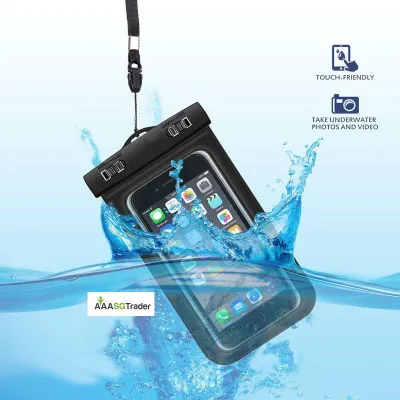
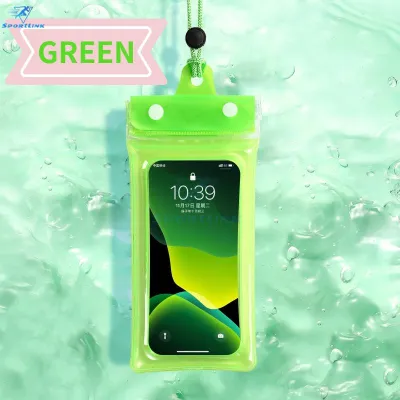
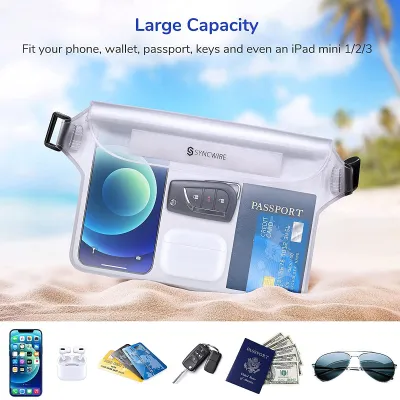
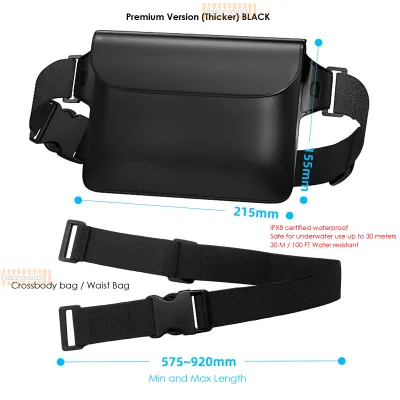
Prices are valid at publication and may change. Please refer to the product page for the latest price.
Roll-top pouches, often styled like miniature dry bags, offer a different approach to water resistance. These designs require you to roll the top opening down multiple times before securing it with a buckle, snap, or hook-and-loop strip. This rolling action creates a labyrinth seal that is highly effective at blocking water under light pressure. They are excellent for active water exposure and offer a bit of extra buoyancy due to the air trapped inside during the rolling process. The main drawback is that they tend to be bulkier and slower to open when you need to retrieve an item quickly.
Hard-case enclosures represent the most rugged option available for poolside use. Constructed from rigid plastics like polycarbonate or ABS, these cases feature a rubber O-ring gasket and heavy-duty latches to compress the seal shut. They provide unmatched structural protection against crushing forces and drops. The trade-off is their rigid form factor, which does not conform to pockets and can feel heavy or awkward when worn while swimming. They are best suited for stationary storage or high-impact environments.
Evaluating Your Pool Routine and Protection Needs
Before choosing a pouch, consider how you interact with the water. Sitting on the edge of a pool with your feet in the water exposes your gear to occasional splashes, whereas swimming laps or diving to the bottom of the deep end subjects the pouch to continuous water pressure. Standard pouches are designed for surface-level use, and prolonged submersion increases the risk of water slowly weeping through seals. If your routine involves active swimming, you need a closure that can withstand constant movement and water resistance.

Pool environments are dominated by hard surfaces like concrete, ceramic tiles, and stone decks. A slippery, wet pouch can easily slip from your hands during a transition from the water to your lounge chair. While soft plastic pouches protect against water, they offer virtually no cushioning against a hard fall onto a tiled deck, which can shatter a phone screen even if the pouch remains watertight. Assessing the physical risks of your environment is just as important as evaluating water exposure.
If you plan to take photos or text while in the pool, the material of the pouch is critical. Soft, clear thermoplastic polyurethane (TPU) or polyvinyl chloride (PVC) allows for capacitive touch sensitivity, though water droplets on the exterior can sometimes cause ghost touches. Hard cases often restrict touch functionality entirely, requiring you to use physical volume buttons to trigger the camera shutter. Consider whether you need active device usability or simply a safe storage container while you swim.
Matching Pouch Designs to Your Specific Pool Activities
For those who prefer a relaxed day of sunbathing, wading in the shallow end, or lounging on a deck chair, a zip-lock pouch is often the most practical choice. Its slim profile allows you to keep your phone close without added bulk, and the clear plastic construction makes it easy to check notifications or snap a quick photo. It provides sufficient protection against wet hands, spilled drinks, and accidental drops into shallow water, provided you ensure the tracks are fully pressed shut.
If your pool routine is more active, involving lap swimming, water aerobics, or playing pool games, a roll-top pouch is highly recommended. The rolling mechanism is less likely to accidentally pop open during vigorous movement compared to simple press-seals. Many roll-top designs also feature secure waist straps or dual-shoulder lanyards, keeping the pouch tight against your body so it does not float up and interfere with your swim strokes.
For busy public pools, family outings with children, or environments where gear is frequently tossed onto hard surfaces, a hard-case enclosure is the safest option. It protects fragile items like key fobs, smartwatches, and phones from being stepped on or crushed under heavy beach bags. While you lose some touchscreen usability, the peace of mind on a chaotic, high-traffic pool deck is often worth the trade-off.
To help you compare these options at a glance, the table below outlines the key observable characteristics of each design:
| Closure Type | Bulkiness | Impact Resistance | Ideal Pool Activity |
|---|---|---|---|
| Zip-Lock (Press-Seal) | Low | Low | Poolside lounging, shallow wading |
| Roll-Top (Dry Bag) | Medium | Medium | Active swimming, water aerobics |
| Hard-Case (Rigid) | High | High | High-traffic decks, fragile gear storage |
Testing and Maintaining Your Pouch for Reliable Protection
No waterproof pouch lasts forever, and regular maintenance is essential to prevent unexpected leaks. Before every pool visit, perform a thorough visual inspection of your pouch. Look for stretching around the lanyard attachment points, micro-cracks in the plastic, or warping along the sealing tracks. Over time, exposure to heat, sun, and pool chemicals can make soft plastics brittle and prone to tearing along the seams.
Never trust your expensive smartphone to a new or stored pouch without performing a dry paper towel test at home first. Place a dry, folded paper towel inside the pouch, seal it completely according to the manufacturer’s instructions, and submerge it in a sink or basin of water. Weigh it down with a heavy object to keep it fully submerged for at least thirty minutes. Afterward, dry the exterior of the pouch thoroughly before opening it, and inspect the paper towel for any signs of moisture.
Post-pool care is critical for extending the lifespan of your gear. Chlorine and other pool sanitizers can slowly degrade plastic and rubber seals if left to dry on the material. Always rinse your waterproof pouch with clean, fresh tap water immediately after use. Avoid drying it in direct sunlight or using high heat sources like hair dryers, which can warp the seals; instead, prop it open in a shaded, well-ventilated area until it is completely dry inside and out before storing it away.
Frequently Asked Questions (FAQ)
Can I use a standard zip-lock pouch for snorkeling or deep diving?
Standard pool pouches are designed for surface splashes and very shallow, temporary submersion. They lack the structural reinforcement needed to withstand the increased atmospheric pressure of deeper water. For snorkeling or diving, you should verify the manufacturer’s specifications or use a dedicated dive housing designed for high-pressure environments.
How often should I replace my waterproof pouch?
There is no fixed expiration date, but you should replace your pouch at the first sign of material degradation. Look for yellowing or clouding of the plastic, stiffness in the seals, or peeling seams. If the pouch fails the paper towel test or shows any physical wear, replace it immediately to avoid water damage to your devices.
Community discussion
Share your experience or ask a question. Comments are reviewed before publication.