
Choosing the right wrist splint support depends entirely on balancing joint stabilization with the specific mobility demands of your sport. High-load activities like powerlifting require rigid, non-elastic wraps to lock the joint in a neutral position and prevent hyporextension under heavy weights. Conversely, fast-paced racket sports like badminton demand lightweight, highly flexible compression sleeves that protect the joint while allowing a full, unrestricted range of motion for quick wrist snaps.
While a wrist support is an excellent tool for managing load, reducing joint fatigue, and preventing hyporextension, it is not a cure-all. A splint should always be viewed as a temporary or protective aid rather than a substitute for proper athletic technique, progressive training, and foundational forearm and grip strength.
Key Selection Criteria for Sports Wrist Splints
Selecting the right wrist support requires evaluating several physical and functional design elements to ensure the gear matches your athletic needs.
Products mentioned in this guide
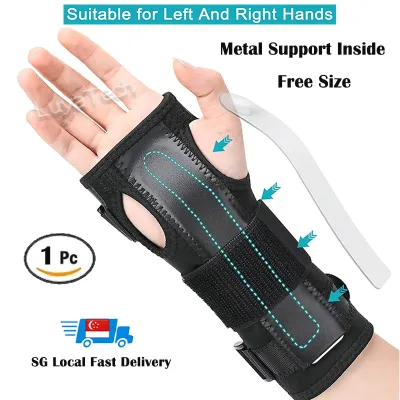
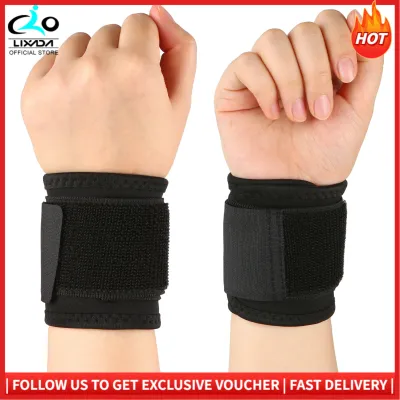
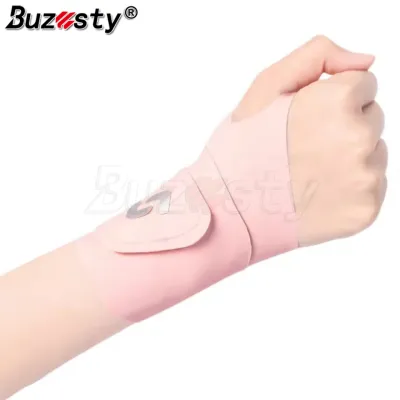
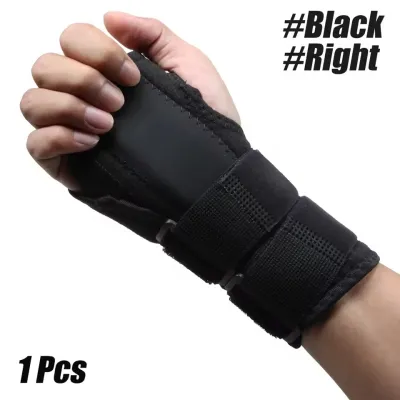
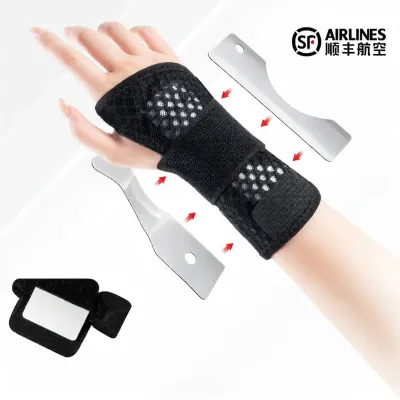
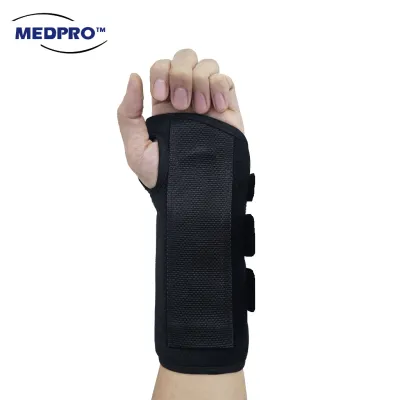
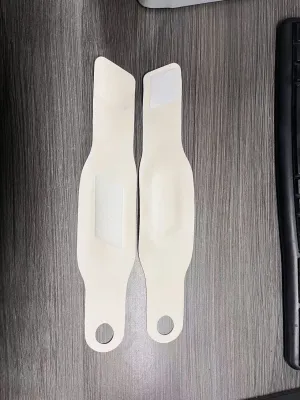
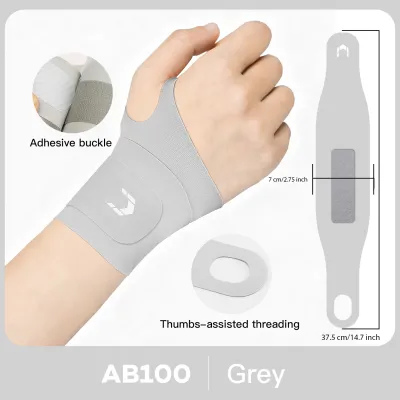
Prices are valid at publication and may change. Please refer to the product page for the latest price.
Support Level and Rigidity
Wrist supports exist on a spectrum from highly rigid splints to flexible compression sleeves. Rigid splints feature metal or plastic stays designed to immobilize the joint, making them suitable for post-injury recovery or activities where wrist movement must be strictly limited. Semi-rigid wraps utilize thick, structured fabrics to limit extreme ranges of motion while still allowing some flexibility. Flexible sleeves provide mild compression and warmth, which helps improve joint awareness without restricting movement.
Material Breathability and Moisture-Wicking
In Singapore’s hot and humid tropical climate, heat and sweat management are critical considerations for any sports gear. Standard neoprene provides excellent compression and heat retention, which can help keep joints warm, but it also traps sweat against the skin. To prevent skin irritation, chafing, and slippage during intense workouts, look for supports made from perforated neoprene, 3D spacer fabrics, or advanced nylon-spandex blends that actively wick moisture away from the skin.
Closure Mechanisms
How a support fastens determines its adjustability and security during movement. Hook-and-loop (Velcro) straps are the most common, allowing you to customize the tightness and compression level easily throughout a workout. Pull-on compression sleeves offer a low-profile, seamless fit but lack adjustable tension. Hybrid designs combine a pull-on sleeve with an adjustable wrap-around strap, offering a balance of consistent compression and customizable support.
Design Features
Small design details can significantly impact usability and comfort during active sports. Thumb loops are highly useful for wrap-style supports, as they anchor the wrap in place and allow you to apply consistent tension with one hand. Integrated silicone grip strips along the interior lining help prevent the support from sliding down your arm during high-velocity movements, while reinforced stitching along high-wear areas ensures long-term durability.
Wrist Support Requirements by Sport Type
Different athletic activities place unique biomechanical demands on the wrist joint, requiring distinct types of support.

Weightlifting and Powerlifting
Heavy axial loading during exercises like the bench press, overhead press, or low-bar squat places immense pressure on the wrist joint, often forcing it into extreme hyporextension. If the wrist collapses backward under a heavy load, it can strain the surrounding ligaments and compress the median nerve. To prevent this, lifters require maximum rigidity and strict joint alignment.
For these activities, stiff, non-stretch cotton or heavy-duty polyester wraps are highly effective. These wraps act as an external scaffold, keeping the wrist locked in a neutral, straight alignment. When applying these wraps, ensure they cross the actual joint line—where the hand meets the forearm—rather than just wrapping around the lower arm, as wrapping too low provides no actual joint support.
Because these wraps must be applied very tightly to provide adequate support, they can restrict blood circulation if left on for too long. It is essential to tighten them immediately before a heavy set and loosen them completely between sets to allow normal blood flow to return to the hand.
Badminton and Racket Sports
Badminton and other racket sports rely heavily on rapid, multi-directional wrist movements, including rapid flexion, extension, and rotational snaps. A rigid splint with metal or plastic stays is highly counterproductive for these sports, as it restricts the very movements required to generate power and control, while also interfering with your racket grip.
Instead, players should opt for low-profile, lightweight elastic bands or thin neoprene compression sleeves. These supports provide mild to moderate compression, which increases local blood flow and enhances proprioception—your body’s subconscious awareness of joint positioning. This improved awareness helps you maintain optimal wrist alignment naturally during high-speed swings.
Given the high sweat rates associated with playing in indoor sports halls across Singapore, selecting a highly breathable, quick-drying fabric is essential. Look for lightweight knit materials that do not retain water, ensuring the support remains light and comfortable throughout your match.
General Gym and Functional Fitness
Functional fitness and cross-training workouts often combine a wide variety of movements in a single session, transitioning rapidly from heavy overhead lifts to bodyweight pull-ups, push-ups, or gymnastics ring work. This variety requires a highly versatile wrist support that can adapt to different movement patterns on the fly.
Hybrid wrist wraps are ideal for this environment. These designs typically feature a flexible fabric base combined with an adjustable tension strap, allowing you to tighten the support for heavy lifting movements and quickly loosen it to regain full wrist flexibility for dynamic bodyweight exercises like cleans, front squats, or handstands.
Durability is also a key factor, as the support will frequently come into contact with knurled steel barbells, textured dumbbells, and wooden gymnastics rings. Look for wraps made from high-density nylon blends with reinforced double-stitching along the edges to prevent fraying and premature wear.
How to Verify Fit, Comfort, and Safety Before Use
Using a wrist support safely requires ensuring a proper fit and monitoring your body’s response during activity.
Sizing and Measurement
To find the correct size, use a flexible measuring tape to measure the circumference of your wrist joint at its narrowest point, just above the bony prominence of the wrist (the ulnar styloid process). Always compare your measurement directly to the manufacturer’s specific sizing chart, as sizing standards can vary significantly between different brands. Avoid the temptation to buy a smaller size for “extra tightness,” as this can lead to restricted circulation and nerve compression.
Signs of Improper Fit
A wrist support should feel snug and supportive, but never painfully tight or restrictive. Monitor your hand and fingers closely for any of the following warning signs of restricted blood flow or nerve compression:
- Numbness or a "pins and needles" tingling sensation in the hand or fingers
- Cold fingertips or a loss of sensation
- Skin discoloration, such as fingers turning pale, blue, or purple
- A throbbing sensation under the wrap or splint
If you experience any of these symptoms, loosen the strap or remove the support immediately to allow normal circulation to recover.
Stop Conditions
Cease using the wrist support immediately if you experience increased joint pain, localized swelling, or skin irritation such as heat rashes or chafing. Furthermore, if you find yourself relying on the support to perform basic, non-strenuous daily tasks without pain, this is a clear sign of an underlying injury that requires professional attention rather than self-management.
Professional Guidance
A sports wrist support is designed to protect healthy joints or assist in the mild management of minor fatigue. If you are experiencing persistent, sharp, or worsening wrist pain, do not attempt to self-treat by simply wearing a tighter splint. Consult a qualified physiotherapist or sports medicine professional in Singapore to obtain an accurate diagnosis and a targeted rehabilitation plan.
Purchasing Channels and Pre-Purchase Checks
When looking to purchase a wrist support, sourcing from reputable channels ensures you receive a high-quality, durable product.
Where to Buy
It is highly recommended to purchase wrist supports from authorized brand stores, specialized local sports equipment retailers, or reputable online marketplaces. Buying from established sources reduces the risk of purchasing low-quality counterfeit products that may lack proper structural integrity, use inferior materials, or feature weak stitching that fails under load.
Return and Exchange Policies
Because achieving a proper fit is essential for both safety and performance, always review the retailer’s return and exchange policy before finalizing your purchase. Ensure that the seller allows hassle-free exchanges for different sizes if the initial fit is incorrect, and check whether the product must be returned in its original, unused packaging.
Pre-Purchase Verification
Before buying, take the time to read recent user reviews, paying close attention to feedback regarding material durability, stitching quality, and how well the support holds up under sweaty conditions. Verify that the specific model’s design matches your sport’s movement patterns—for instance, ensuring a gym wrap does not contain a rigid metal plate if you plan to use it for dynamic functional fitness.
Frequently Asked Questions (FAQ)
Should I wear a wrist splint all day or only during sports?
Sports-specific wrist splints and wraps are designed to be worn during active movement to manage acute loads and prevent hyperextension. They should not be worn all day or during periods of rest. Prolonged, continuous wear of a supportive brace can lead to muscle atrophy and joint stiffness, as the surrounding stabilizing muscles and tendons stop working to support the joint. This creates a dependency on the brace and can actually increase your risk of injury when the support is removed. If you require a brace for daily wear, this should only be done under the direct guidance and prescription of a healthcare professional.
Can a wrist splint replace physical therapy for a sports injury?
No, a wrist splint cannot replace physical therapy or professional medical rehabilitation. A splint is a passive supportive tool designed to limit movement or absorb external forces; it does not heal damaged tissues or address the root cause of an injury. Recovering from a sports injury—whether it is a sprain, strain, or tendonitis—requires active rehabilitation. This includes targeted exercises prescribed by a physiotherapist to restore joint mobility, rebuild muscle strength, and improve neuromuscular control. Relying solely on a splint to mask pain while continuing to play can lead to chronic joint instability, improper healing, and long-term damage. Always seek a professional medical diagnosis for persistent wrist pain.

Community discussion
Share your experience or ask a question. Comments are reviewed before publication.