
Finding the right yoga knee pad thickness is a balance between joint protection and physical stability. The ideal thickness depends on whether you practice dynamic, fast-paced flows or slow, static styles, combined with your personal joint sensitivity and the hardness of your practice floor. While a standard thickness of 10mm to 15mm offers a versatile middle ground for most practitioners, choosing the wrong thickness can either leave your knees aching on hard floors or cause you to wobble during balancing poses.
By evaluating your specific movement patterns and physical needs, you can select a pad that integrates seamlessly into your routine. This guide breaks down how to assess your practice, compare thickness options, and verify the material quality to ensure your joints remain comfortable and supported.
Assess Your Yoga Style and Knee Load
Your primary yoga discipline dictates how much weight your knees bear and how long they must sustain that pressure. In static, long-hold practices like Yin or Restorative yoga, poses such as Low Lunge (Anjaneyasana) or Camel Pose (Ustrasana) are held for several minutes at a time. This sustained pressure compresses the soft tissues around the patella, making deep cushioning highly beneficial to prevent dull aches and joint fatigue.
Products mentioned in this guide
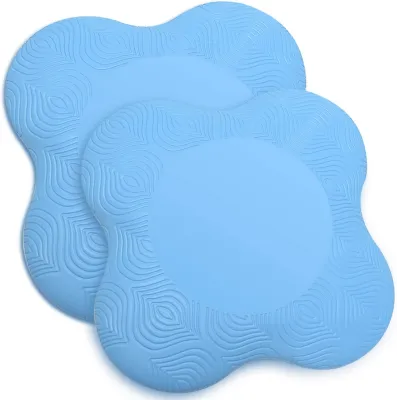
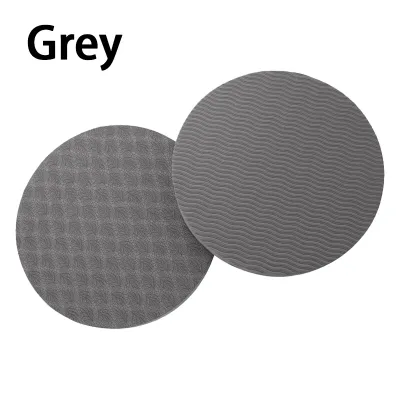
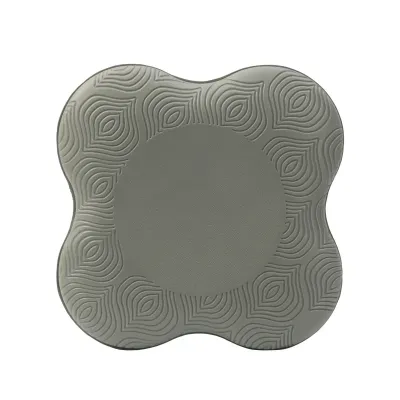
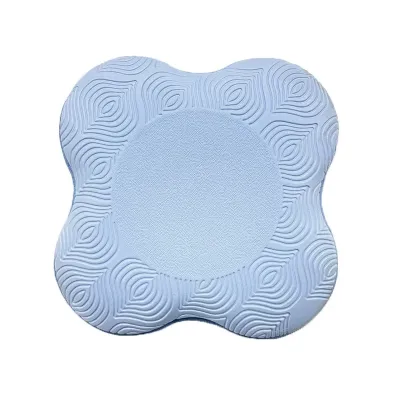
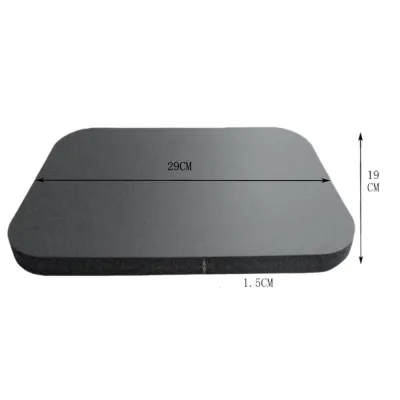
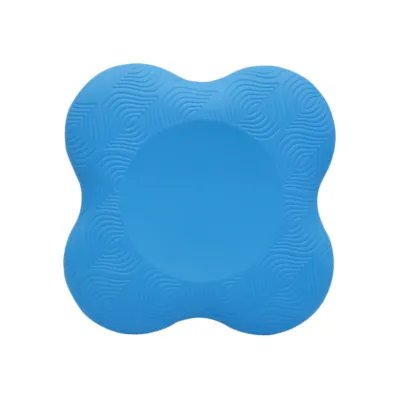
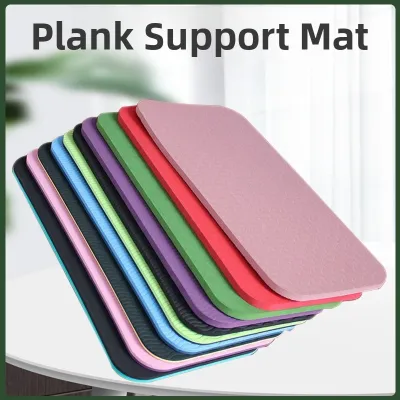
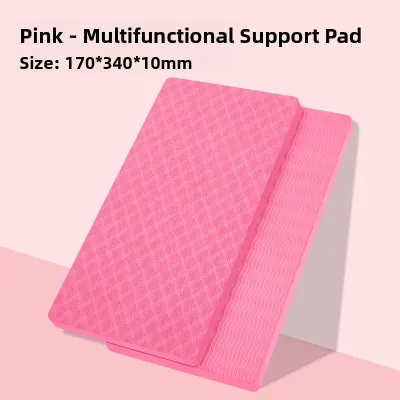
Prices are valid at publication and may change. Please refer to the product page for the latest price.
Dynamic, flow-based practices like Vinyasa, Ashtanga, or Power Yoga present a different set of requirements. These styles prioritize rapid transitions, where you constantly step, jump, or roll through poses. A bulky or overly thick knee pad can easily become a tripping hazard or disrupt your rhythm, as you must constantly adjust its position on the mat between sequences.
Furthermore, transitions that require balancing on one leg while transitioning from a kneeling position demand a stable foundation. If your knee pad is too thick or squishy, it can absorb too much force, making it difficult to engage your core and stabilize your ankles. For dynamic practices, a pad that is easy to slide quickly under the knee and cast aside is often more practical than a large, heavy cushion.
Evaluate Your Joint Sensitivity and Comfort Needs
Joint sensitivity is highly individual and influenced by your unique anatomy, past injuries, and daily habits. Some practitioners experience discomfort due to a lack of natural cushioning around the patella, while others may be recovering from minor joint strains. Recognizing your body’s baseline signals is the first step in determining how much extra padding you require.

Your physical environment also plays a major role in joint comfort. In Singapore, many home workout spaces feature hard tiled, marble, or polished concrete floors. These surfaces offer zero natural shock absorption, meaning that even a high-quality standard yoga mat may not provide enough protection. If you regularly practice on these unforgiving surfaces, your knees will require more substantial support than if you were practicing on carpeted floors or professional studio hardwood.
However, it is crucial to establish clear safety boundaries. A yoga knee pad is designed to alleviate pressure-related discomfort, not to mask structural joint pain. If you experience sharp, shooting, or radiating pain in your knees during a pose, this is a signal to modify the posture, reduce the weight load, or consult a medical professional. Do not attempt to solve deep joint issues simply by stacking thicker layers of foam.
Compare Thickness Ranges and Their Trade-Offs
Yoga knee pads generally fall into three thickness categories, each offering distinct advantages and trade-offs regarding stability, comfort, and portability.
Thin Pads (5mm to 8mm)
Thin pads prioritize stability, ground connection, and portability. They provide just enough of a barrier to take the edge off a hard floor while keeping you close to the ground, which is crucial for maintaining balance. These pads are lightweight, easy to roll up, and highly compatible with travel or dynamic Vinyasa flows. However, they may not offer sufficient relief for practitioners with highly sensitive joints or those holding static poses for extended periods.
Medium Pads (10mm to 15mm)
Medium pads offer a versatile balance of joint relief and stability. They provide substantial cushioning that absorbs body weight without making you feel completely disconnected from the floor. This range is highly adaptable, accommodating both occasional kneeling in flow classes and longer holds in Hatha practices. The primary trade-off is a slight increase in bulk, making them slightly less convenient to pack into a standard yoga bag.
Thick Pads (15mm to 20mm or More)
Thick pads are designed for maximum shock absorption and targeted joint relief. They are highly suitable for practitioners recovering from minor joint sensitivity or those who practice Yin yoga exclusively on hard tiled floors. The main trade-off is a significant loss of stability; standing on a very thick foam pad can cause your ankles to wobble, making balancing poses difficult. These pads should be reserved strictly for targeted kneeling support rather than general standing use.
Thickness Decision Framework
To simplify your choice, consider the following conditional guidelines:
- Choose a thin pad (5mm – 8mm) if you prioritize rapid transitions, travel frequently, and practice on semi-cushioned surfaces.
- Choose a medium pad (10mm – 15mm) if you want a versatile, all-around accessory for mixed yoga styles and require moderate joint relief.
- Choose a thick pad (15mm – 20mm+) if you practice static, long-hold styles on hard floors, or have high joint sensitivity, and do not mind the extra bulk.
- Verify first with a healthcare provider if you have chronic joint conditions or are recovering from surgery before starting any weight-bearing knee exercises.
Beyond Thickness: Density, Material, and Grip
Thickness is only one part of the comfort equation; material density is what prevents the pad from “bottoming out.” A thick but low-density foam pad will compress completely under your body weight, leaving your knee pressing directly against the hard floor. High-density materials, such as closed-cell polyurethane, TPE (Thermoplastic Elastomer), or natural rubber, maintain their structural integrity under pressure to ensure consistent support.
Surface texture and non-slip properties are also critical for safety, especially in warm, humid climates where sweat can quickly make surfaces slick. The knee pad must remain firmly anchored to your primary yoga mat during transitions. Look for pads with textured, high-grip patterns on both the top and bottom surfaces to prevent sliding or bunching.
Additionally, consider the shape and size of the pad. Rectangular pads offer broad coverage, which is helpful if you have a wide stance or tend to move around on your mat. Circular or contoured half-moon pads are designed to cup the patella directly, centering the joint and distributing pressure evenly, though they offer less surface area for lateral movement.
How to Test and Verify Your Choice
Once you acquire a knee pad, it is important to test it in real-world conditions to ensure it meets your specific needs before committing to long sessions.
First, test the pad in foundational kneeling poses like Tabletop or Low Lunge. Pay close attention to whether you can feel the hard floor underneath, which indicates the pad is either too thin or too low in density. Conversely, check if your knee feels unstable or wobbles side-to-side, which suggests the pad is too thick or soft for your balance needs.
Next, observe how the pad interacts with your main yoga mat. Place it on your mat and apply lateral pressure with your hand or foot. The pad should grip the mat surface firmly without sliding, curling at the edges, or bunching up. Finally, check the material after several uses; high-quality high-density foam should spring back to its original shape quickly without leaving permanent indentations.
Frequently Asked Questions (FAQ)
Can I just use a folded yoga mat instead of a dedicated knee pad?
Folding your main yoga mat is a common quick fix, but it has distinct disadvantages. When you fold a mat, you create an uneven, unstable surface that can easily slip or unfold mid-pose, disrupting your alignment. Additionally, repeatedly folding a high-quality mat can cause permanent creases, cracking, or degradation of the material over time. A dedicated knee pad provides targeted, consistent support without compromising the integrity of your primary mat, and its compact size makes it much easier to position and adjust quickly during a class.
How do I clean and maintain my yoga knee pad?
Proper maintenance ensures hygiene and preserves the grip of your pad. Always check the manufacturer’s care label first, as materials like natural rubber require different care than TPE or polyurethane. For most closed-cell foam pads, a gentle wipe down with a damp cloth and a few drops of mild, diluted soap is sufficient. Avoid harsh chemical cleaners or submerging the pad in water unless specified by the manufacturer. Always allow the pad to air dry completely in a shaded, well-ventilated area; direct sunlight can degrade the material, causing it to become brittle, lose its elasticity, or warp.
Community discussion
Share your experience or ask a question. Comments are reviewed before publication.