
Selecting the right athletic gloves is essential for optimizing performance, protecting your hands, and maintaining comfort. Under Armour offers a diverse range of gloves, but finding the right pair requires understanding how different designs cater to specific movements. The most suitable gloves for your sport depend entirely on how they manage friction, impact, and climate. Gym gloves prioritize palm protection and grip stability; cycling gloves focus on targeted shock absorption and nerve protection; running gloves emphasize lightweight temperature regulation and touchscreen dexterity. Because these activities place vastly different demands on your hands, a single multi-purpose glove rarely delivers optimal performance across all three.
Quick Guide: Matching Glove Features to Your Sport
To choose the right gear, you must first contrast the primary functional demands and friction points of each sport. In the gym, your hands experience intense vertical pressure and shearing forces from heavy metal knurling, requiring robust palm protection. On a bicycle, your hands endure continuous road vibrations and sustained pressure on the delicate nerves of your palms, demanding targeted shock absorption. Runners, on the other hand, face minimal physical friction but require protection against wind, rain, and cold temperatures, alongside the ability to operate digital devices on the move.
Because of these conflicting design priorities, one glove model rarely excels across all three disciplines. For instance, the thick padding necessary to cushion a heavy barbell would feel bulky and restrictive on a road bike, potentially interfering with your ability to shift gears quickly. Conversely, a lightweight, highly breathable running glove offers virtually no protection against the abrasive surface of a weight bar. When shopping, always verify specific model availability, material technologies, and exact features on the product tag or official brand store to ensure they align with your primary activity.
Products mentioned in this guide
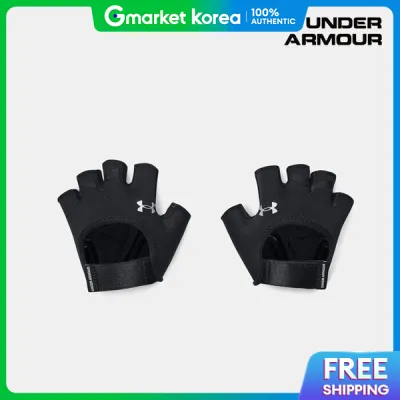
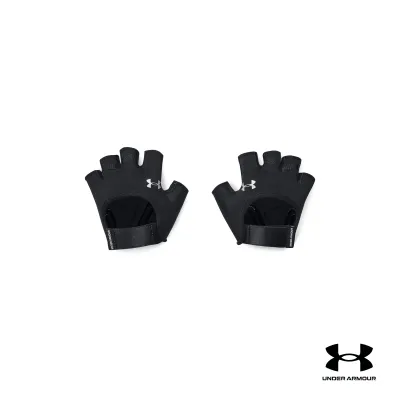
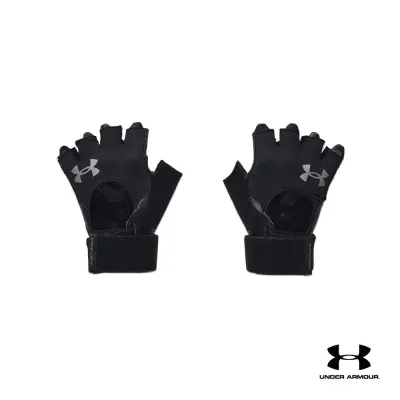
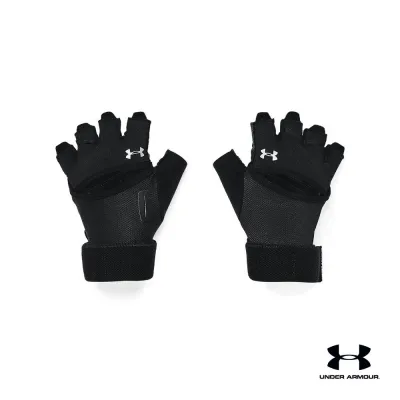
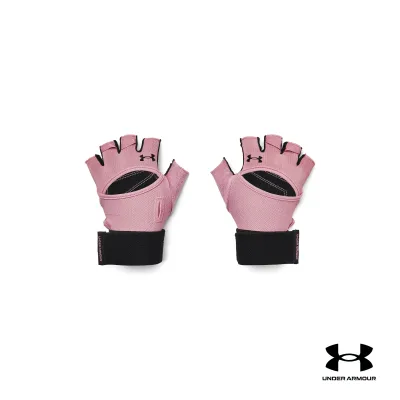
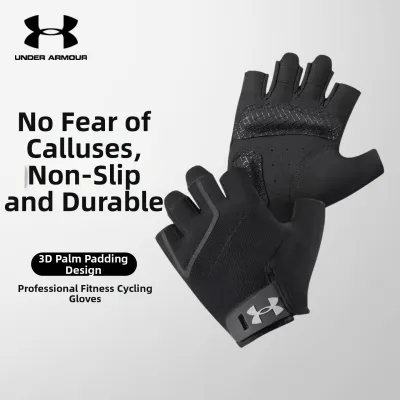
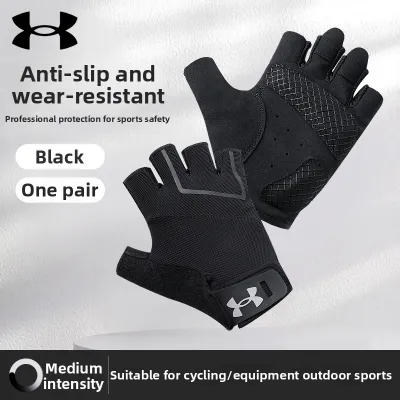
Prices are valid at publication and may change. Please refer to the product page for the latest price.
Gym and Weightlifting: Evaluating Grip, Padding, and Wrist Support
When lifting weights, your hands are the primary point of contact between your body and the load. To prevent calluses, blisters, and slippage, you must carefully evaluate the palm materials and textures of gym gloves. Look for options featuring textured synthetic leather, micro-fiber, or silicone overlays. These materials are engineered to increase friction against steel barbells and dumbbells, ensuring a secure grip even when your hands begin to sweat.

Padding thickness and placement require a careful balance. While thick padding offers maximum comfort against heavy loads, it can also increase the effective diameter of the bar. This can compromise your grip strength, especially if you have smaller hands, by making it harder to wrap your fingers completely around the handle. To maintain an optimal bar feel, look for gloves with strategic padding placed specifically over the high-wear areas of the palm, such as the metacarpal heads at the base of the fingers, rather than a uniform, bulky cushion across the entire hand.
For heavy lifting sessions, structural support is just as important as palm protection. Check the glove specifications for integrated wrist wraps or wide, adjustable hook-and-loop straps that help stabilize the wrist joint during pressing movements. Additionally, inspect the construction quality, looking for reinforced stitching along the thumb gusset and double-stitched seams. These areas experience the highest tension during pulling exercises like deadlifts and pull-ups, and robust construction is essential to prevent the seams from splitting under load.
Cycling: Balancing Shock Absorption, Breathability, and Control
Cycling gloves serve a dual purpose: protecting your hands in the event of a fall and reducing the physical strain of holding handlebars for extended periods. The key to comfort on long rides is proper padding placement. Look for gloves featuring gel or foam inserts strategically positioned over the hypothenar and thenar eminences—the fleshy outer and inner parts of your palm. This placement cushions the ulnar and median nerves, helping to prevent hand numbness and tingling during long endurance rides.
In warm or highly humid climates, sweat management is critical for maintaining control of your bicycle. Excess moisture inside a glove can cause your hands to slide around, leading to painful chafing and a less secure grip on the handlebars. Evaluate the glove’s back-of-hand material for lightweight mesh backing, moisture-wicking properties, and dedicated ventilation zones. These features facilitate rapid evaporation and airflow, keeping your hands dry and cool during intense climbs or long outdoor rides.
Control and convenience features should also influence your decision. Ensure the gloves feature secure closure systems, such as low-profile hook-and-loop tabs, to prevent shifting during sudden maneuvers. Look for silicone grip prints on the index and middle fingers to ensure slip-free brake lever operation. Finally, verify that the gloves include touchscreen-compatible fingertips. This allows you to adjust your cycling computer, check route maps, or answer calls without the hassle of removing your gloves mid-ride.
Running: Assessing Weather Protection, Visibility, and Dexterity
For runners, gloves are primarily tools for temperature regulation and environmental protection rather than friction management. When selecting running gloves, you must first differentiate between lightweight, highly breathable options and insulated, wind-resistant models. In warm or humid environments, a lightweight liner glove made of moisture-wicking fabric is ideal for managing sweat and providing a light barrier against early morning drafts. Conversely, if you are training in cold, windy conditions or preparing for an overseas race in a cooler climate, look for gloves featuring wind-resistant outer shells and brushed fleece interiors to retain body heat.
Safety is another critical consideration, particularly for those who prefer early morning or late-night runs. Because runners often share paths with cyclists and motorists, high visibility is essential. Assess the placement and quality of reflective elements on the gloves. Reflective logos, strips, or high-visibility neon fabrics on the back of the hand are highly effective at catching the light from streetlamps and headlights, making your hand signals clearly visible to others on the road.
Dexterity is the final piece of the puzzle. Running gloves should feel like a second skin, allowing you to perform fine motor tasks without restriction. Verify that the gloves offer touchscreen compatibility on the thumb and index finger so you can easily interact with your smartwatch, change music tracks, or log your progress on fitness apps. A secure, contoured fit with elastic cuffs is also important to prevent cold air from entering and to ensure the gloves stay firmly in place throughout your stride.
Verifying Sizing, Material Specifications, and Care Requirements
An ill-fitting glove can cause chafing, restrict blood circulation, or fail to provide adequate grip. To ensure a proper fit, you must accurately measure your hands before purchasing. Use a flexible measuring tape to measure your hand circumference around the widest part of your palm, excluding the thumb. Next, measure your hand length from the crease of your wrist to the tip of your middle finger. Compare these two measurements against the manufacturer’s specific sizing chart, as athletic glove sizing can vary significantly between different models and product lines.
Before making a final choice, review the material composition labels on the product packaging or online specifications. Look for synthetic blends containing polyester, nylon, and elastane. Elastane provides the necessary stretch for a snug, flexible fit, while nylon and polyester offer durability and moisture-wicking capabilities. Be sure to check for any specific washing restrictions, as some high-performance materials or specialized grip coatings may require delicate handling to preserve their functional properties.
Proper maintenance is essential to extend the lifespan of your athletic gear. To preserve grip coatings, elastic fibers, and padding integrity, establish a regular care routine. Avoid throwing your gloves into a hot dryer, as high heat can melt adhesive backings, warp gel padding, and degrade synthetic fabrics. Instead, wash them using a gentle cycle or hand wash them with mild detergent, and always hang them to air-dry in a well-ventilated area away from direct sunlight.
Frequently Asked Questions (FAQ)
Can I use the same Under Armour gloves for both gym and cycling?
While it is physically possible to wear the same gloves for both activities, doing so is not recommended due to the distinct design priorities of each sport. Gym gloves are engineered to handle high-friction, vertical pulling and pushing forces, featuring padding concentrated on the upper palm to protect against barbell knurling. Cycling gloves, however, feature padding specifically positioned to cushion the ulnar nerve against continuous handlebar vibrations. Using gym gloves for cycling may lead to hand numbness, while using cycling gloves for heavy lifting can quickly wear down the specialized gel inserts and compromise your grip on the bar.
How do I clean athletic gloves without ruining the grip?
To clean your athletic gloves without damaging their grip or materials, always check the internal care label first for specific manufacturer instructions. As a general rule, hand washing is the safest method. Fill a sink with cool water and a small amount of mild detergent, gently agitating the gloves to remove sweat and dirt. If using a washing machine, place the gloves in a mesh laundry bag and select a gentle cycle with cold water. Avoid fabric softeners, which can leave a residue that clogs moisture-wicking pores and degrades silicone grips. Always air-dry the gloves flat or hang them up, keeping them away from direct heat sources.
Do standard running gloves keep hands dry in heavy rain?
Standard running gloves are typically designed for warmth, breathability, and moisture management, meaning they will not keep your hands dry during a heavy downpour. These gloves are usually made from porous fleece or knit fabrics that allow sweat to escape but will quickly absorb external moisture. If you require protection against wet weather, you must check the product specifications for a Durable Water Repellent (DWR) coating or an integrated waterproof membrane. These specialized weather-resistant models are designed to repel rain while still allowing a degree of breathability, though they may offer slightly less flexibility than standard liners.
Community discussion
Share your experience or ask a question. Comments are reviewed before publication.