
Selecting the best white rigid athletic tape in Singapore requires looking beyond brand names to evaluate adhesive stability under high humidity, tensile strength, and material composition. Unlike elastic kinesiology tapes that stretch to allow dynamic muscle movement, rigid athletic tape is designed to immobilize joints, restrict harmful ranges of motion, and provide structural support to compromised ligaments. For athletes navigating high-impact sports like rugby, netball, basketball, or rock climbing, choosing the right tape is a critical safety decision. The ideal selection depends on matching the tape’s physical properties to your specific sport, joint anatomy, and skin tolerance.
To make an informed decision, you must understand the mechanical differences between tape types and establish a clear evaluation process. This guide outlines the core criteria for assessing tape quality, matching specifications to specific joints, and building a conditional shortlist of reliable brands available in Singapore. By focusing on verifiable material standards and proper application techniques, you can ensure your joints remain protected during intense training sessions and competitive matches.
Core Criteria for Evaluating White Rigid Tape Brands
Evaluating the quality of white rigid tape requires a close inspection of its manufacturing specifications, starting with the adhesive formulation. The gold standard for athletic support is zinc oxide adhesive, a chemical compound embedded in the glue matrix that offers exceptional shear strength and resistance to moisture. Zinc oxide tape is highly valued because it maintains its grip even when subjected to heavy sweat and lateral forces. In contrast, cheaper hot-melt adhesives are synthetic polymers that can soften and slip when exposed to body heat, making them less reliable for long training sessions.
Products mentioned in this guide
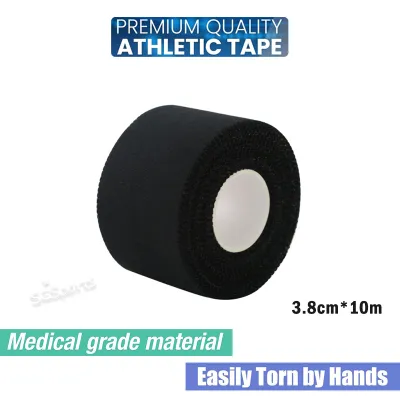
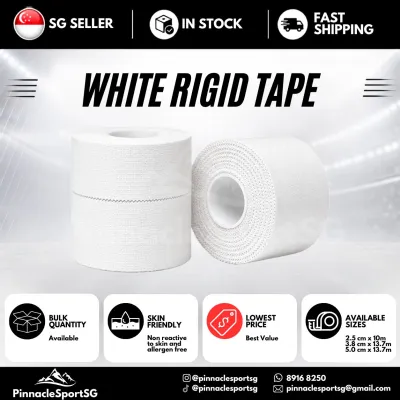
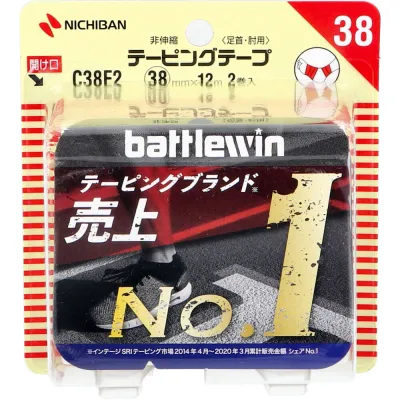
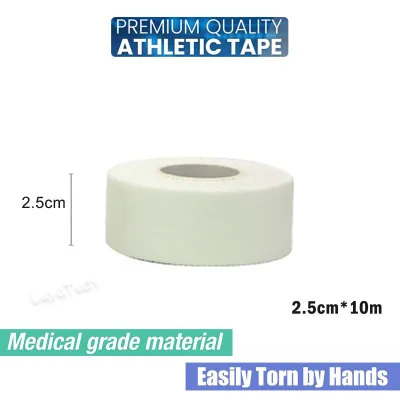
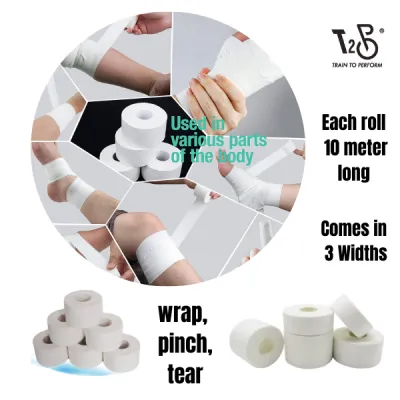
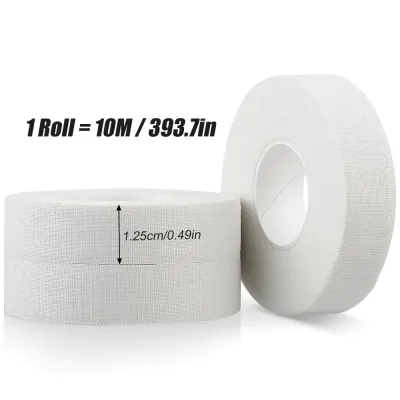
Prices are valid at publication and may change. Please refer to the product page for the latest price.
The material composition of the tape backing directly influences both its breathability and its tensile strength. Most high-quality rigid tapes are made from 100% cotton, which allows sweat to evaporate and is easy to tear by hand during quick pitch-side applications. For maximum joint immobilization, some premium brands utilize rayon or cotton-polyester blends. Rayon backings offer incredibly high tensile strength and do not stretch or yield under heavy loads, making them the preferred choice for high-stress joints like the knee or ankle.
The manufacturing process of the cotton backing also plays a role in skin compatibility. Bleached white cotton is the standard for aesthetic cleanliness, but the chemicals used in bleaching must be thoroughly washed out during production to prevent contact dermatitis. Some premium brands offer unbleached or hypoallergenic-treated cotton backings that minimize chemical residues. Checking the product specifications for “latex-free” and “hypoallergenic” labels is highly recommended for athletes who frequently experience skin redness or itching after taping.
Another critical factor is the edge finishing and unwind tension of the roll. Premium rigid tapes feature serrated or pinked edges, which allow the user to tear the tape cleanly across its width without needing scissors. This feature is essential for rapid, on-field adjustments where time is limited. Furthermore, the unwind tension must be consistent throughout the entire roll; if the tape is too difficult to pull off the roll, you risk applying uneven tension to the limb, which can lead to skin irritation or restricted flow.
Matching Tape Specifications to Specific Sports and Joints
Selecting the correct tape width is essential for achieving effective joint stabilization without restricting necessary movement in adjacent areas. For smaller joints, such as the fingers and thumbs, a narrow width of 1.25 cm or 2.5 cm is ideal. These narrower rolls are commonly used by rock climbers to support collateral ligaments and by basketball players to prevent hyperextension of the digits. Using a tape that is too wide for these areas leads to bunching, which reduces adhesive contact and compromises support.

For medium to large joints, a wider tape is necessary to distribute the mechanical load effectively. The standard 3.8 cm width is the most versatile option, widely used for ankle strapping, elbow hyperextension prevention, and patellar tracking support. For very large joints or broad anchor strips on the thigh or shoulder, a 5 cm width provides the necessary surface area to secure the wrap. Matching the tape width to the anatomical structure ensures that the adhesive forces are distributed evenly across the skin.
The physical properties of the tape also dictate how well it conforms to complex anatomical shapes during advanced wrapping techniques. For example, executing a “heel lock” or “figure-eight” pattern around the ankle requires a tape that can conform to sharp angles without creasing. Creases in the tape create high-pressure ridges that can cause friction blisters during intense movement. High-quality cotton tapes possess a slight diagonal give (mechanical stretch) that allows them to mold to the body’s contours while maintaining absolute longitudinal rigidity.
Tensile requirements also vary significantly depending on the nature of your sport and the level of joint instability. High-impact, multidirectional sports like rugby, football, and netball demand maximum tensile strength to withstand sudden lateral forces and rapid changes of direction. In these scenarios, a heavy-duty rayon tape is often required to prevent joint shifting. For lower-impact activities or late-stage injury rehabilitation, a standard cotton tape provides sufficient proprioceptive feedback—reminding the brain to avoid extreme ranges of motion—without completely locking down the joint.
Environmental factors in Singapore play a massive role in tape performance and must be factored into your selection. The tropical climate, characterized by high humidity and ambient temperatures around 30°C, accelerates sweating and skin moisture buildup. This moisture can quickly dissolve low-grade adhesives, causing the tape to slip within minutes of starting an activity. To combat this, athletes should look for tapes specifically rated for high-sweat environments or pair their rigid tape with a pre-tape adhesive spray to create a moisture-resistant barrier on the skin.
Building Your Conditional Shortlist: What to Look for in Available Brands
When building a shortlist of white rigid tape brands in Singapore, you should focus on verifiable indicators of quality rather than marketing claims. One of the most reliable ways to verify brand credibility is to observe what products are stocked and used by local sports physiotherapy clinics. Professional physiotherapists rely on tapes that deliver consistent performance under clinical conditions, making their adoption a strong endorsement. Additionally, look for brands that carry recognized medical device registrations or compliance marks on their packaging, which ensure the materials meet strict safety and quality standards.
Financial considerations should be evaluated by calculating the cost per meter rather than the price per roll. A standard professional roll of rigid tape is typically 13.7 meters (15 yards) long, but budget brands often sell shorter rolls of 9 or 10 meters. For individual athletes training occasionally, purchasing single rolls that come with protective plastic cases is highly recommended, as these cases protect the adhesive from dust and Singapore’s high ambient humidity. For sports clubs, schools, or frequent users, buying bulk boxes of 24 or 32 rolls significantly reduces the unit cost and ensures a steady supply.
Shelf life is an often-overlooked factor when purchasing athletic tape in tropical climates. Over time, exposure to ambient heat and humidity can cause the adhesive to migrate through the cotton backing, making the roll sticky on the sides and difficult to unwind. When evaluating brands, check if the packaging includes a manufacture or expiration date. Opt for brands that seal their rolls in individual plastic shrink-wrap, as this barrier prevents moisture absorption and extends the shelf life of the adhesive during storage.
Sourcing your tape from reputable channels is crucial to avoid counterfeit or expired products where the adhesive has degraded. Specialized sports pharmacies, local physiotherapy clinics, and established online marketplaces are excellent places to source high-quality brands. When purchasing through online platforms, always verify the seller’s ratings, read customer feedback regarding adhesive freshness, and check the return policies. Avoid unbranded, extremely cheap tape rolls, as they often use low-grade industrial glues that can cause severe skin irritation or chemical burns.
Safe Application, Removal, and Skin Sensitivity Checks
Proper skin preparation is the first step in ensuring both effective tape adhesion and skin safety. Before applying rigid tape, clean the skin thoroughly with soap and water to remove oils, dirt, and sweat, and ensure the area is completely dry. Shaving the target area 12 to 24 hours prior to application is highly recommended, as body hair reduces adhesive contact and makes tape removal painful. For individuals with sensitive skin or known adhesive allergies, applying a thin layer of hypoallergenic polyurethane underwrap creates a protective barrier without significantly compromising joint stability.
Removing rigid athletic tape requires care to prevent epidermal stripping and skin tears. Never rip the tape off rapidly like a plaster, as this can pull away the top layer of skin and lead to raw, painful patches. Instead, use blunt-nosed tape scissors (bandage shears) to slide safely under the tape along the natural contours of the limb, avoiding bony prominences. Peel the tape back slowly and smoothly, keeping it close to the skin surface, and apply baby oil or a commercial adhesive remover to dissolve any stubborn glue residue left behind.
Understanding when to remove the tape is critical for preventing nerve compression and circulatory issues. Rigid tape is designed to restrict movement, but it must never cut off blood flow or pinch nerves. You must remove the tape immediately if you experience numbness, tingling, a “pins and needles” sensation, coldness in the extremities, or skin discoloration. Remember that taping is a temporary support mechanism to protect a healing joint or provide sensory feedback; it is not a permanent cure for structural instability and should never replace professional medical diagnosis, physical therapy, or proper athletic training.
Frequently Asked Questions (FAQ)
Can white rigid tape be reused for multiple training sessions?
No, white rigid athletic tape is strictly a single-use product. Once applied, the adhesive bonds with skin oils, sweat, and dead skin cells, which completely degrades its sticky properties upon removal. Reapplying used tape will not provide the necessary joint stabilization, increasing the risk of injury.
How should I store my tape rolls to maintain adhesive quality?
To prevent the adhesive from melting, bleeding, or drying out, store your tape rolls in a cool, dry place away from direct sunlight. In Singapore’s humid climate, keeping the rolls inside an airtight container or a zip-lock bag in an air-conditioned room or a cool cupboard is highly recommended. Avoid leaving tape rolls in hot vehicles or gym bags for extended periods.
Is rigid tape suitable for wrapping over open wounds or blisters?
No, rigid athletic tape should never be applied directly over open wounds, cuts, or active blisters. The aggressive adhesive can tear the healing tissue during removal and trap bacteria, leading to infection. Always clean the area, apply a sterile, non-stick wound dressing or blister pad, and then apply the tape over the protective layer if support is still required.
Community discussion
Share your experience or ask a question. Comments are reviewed before publication.