
Selecting the right yoga apparel in Singapore is a highly practical decision that directly influences your comfort, focus, and performance on the mat. Singapore’s unique combination of a tropical, high-humidity climate and heavily air-conditioned indoor spaces creates distinct environments for physical activity. When you step into a yoga studio, the demands on your clothing shift dramatically depending on the style of practice you choose. A high-intensity hot yoga session requires garments that can handle extreme perspiration without becoming heavy, while a slow-paced restorative class demands soft, insulating layers that keep you comfortable during long periods of stillness.
To build a functional yoga wardrobe, you must look beyond aesthetic appeal and evaluate how different fabric compositions, construction techniques, and fits support your body’s movements. The right apparel acts as a second skin, allowing you to transition smoothly between poses without distraction. By understanding the specific material requirements for hot yoga, vinyasa, and restorative practices, you can navigate the diverse range of international and local brands available in Singapore to find the pieces that best match your routine.
Understanding Fabric and Fit Requirements by Practice Style
Every yoga style places unique physical demands on your body, which in turn dictates the type of apparel you should wear. Hot yoga, typically practiced in rooms heated between 35°C and 40°C, triggers intense sweating. In this environment, wearing the wrong material can lead to overheating and discomfort. Your primary objective for hot yoga is moisture management, which requires lightweight, highly breathable synthetic fabrics that pull sweat away from your skin and dry rapidly.
Products mentioned in this guide
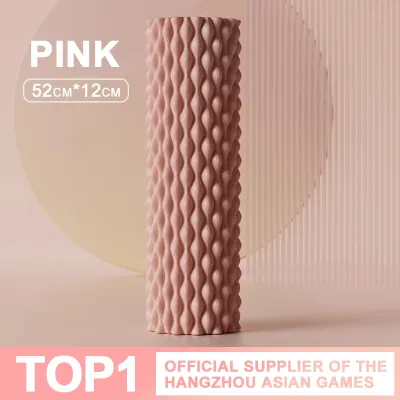

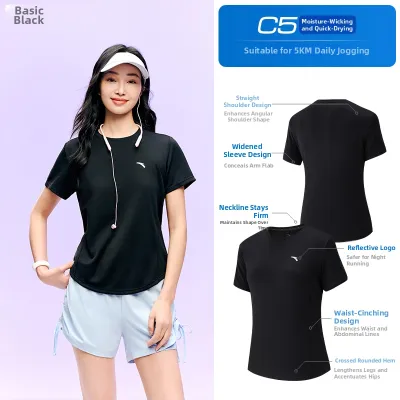
Prices are valid at publication and may change. Please refer to the product page for the latest price.
Vinyasa yoga, characterized by continuous, dynamic movement and synchronized breathing, introduces different challenges. As you flow through sun salutations, lunges, and inversions, your clothing must stretch dynamically without slipping, bunching, or causing friction against your skin or the mat. This style of practice requires high-performance fabrics with excellent stretch recovery—meaning the material stretches easily but immediately snaps back to its original shape. A secure, supportive fit is essential here to ensure your leggings and tops stay firmly in place during inversions like downward-facing dog or headstands.
In contrast, restorative and yin yoga focus on deep relaxation, passive stretching, and holding poses for several minutes at a time. Because physical movement is minimal, your heart rate slows down, and your body temperature naturally drops, especially in air-conditioned Singapore studios. For these grounding sessions, the priority shifts from sweat-wicking compression to thermal comfort and unrestricted breathing. Soft, natural fiber blends and brushed fabrics are ideal, providing gentle warmth and a cozy, non-restrictive feel that supports the body’s transition into a relaxed state.
The fit of your apparel should also align with these physical demands. Compressive, form-fitting designs are highly beneficial for active practices because they minimize fabric interference and provide muscle support. However, for restorative practices, tight waistbands can restrict deep diaphragmatic breathing and compress the abdomen, hindering relaxation. Opting for relaxed silhouettes, wide, soft waistbands, and loose-fitting layers allows you to breathe deeply and move into deep twists without feeling constricted.
Navigating Brands for High-Sweat and Dynamic Flows
When shopping for high-intensity practices like hot yoga and vinyasa, you should focus on technical performance features that ensure durability and comfort under stress. Sweat-wicking technology is paramount; look for synthetic blends containing high percentages of nylon and elastane. Nylon provides exceptional durability and structure, while elastane delivers the necessary stretch. Avoid polyester-heavy blends for hot yoga if possible, as polyester tends to retain odors more than nylon, though it remains a viable option for standard vinyasa classes.

The construction of the garment is just as important as the fabric itself. High-quality performance brands utilize flatlock seams, which are sewn flat against the fabric rather than overlapping, significantly reducing the risk of chafing during repetitive movements. Additionally, look for leggings designed with a wide, high-rise waistband that features internal mesh or a seamless construction. This design helps the waistband lie flat against your torso and remain secure without digging in or sliding down as you move through your flows. A diamond or triangle-shaped gusset in the crotch area is another critical feature, as it redistributes tension and allows for a full range of motion during deep lunges and splits.
When evaluating brands in Singapore, you will find a distinction between specialized athletic wear companies and performance-driven yoga labels. Premium international brands often invest heavily in proprietary fabric technologies, offering lightweight, cool-to-the-touch materials specifically engineered for high-sweat environments. Many local Singaporean activewear labels also design collections tailored to the local climate, focusing on lightweight, breathable fabrics that suit both heated studios and outdoor workouts. Rather than relying solely on a brand’s general reputation, inspect the product specifications for terms like “interlock knit” (which ensures the fabric is opaque and durable) and “high-support” or “sweat-tested” classifications.
While high-compression performance fabrics excel at keeping everything secure and managing sweat, they do come with trade-offs. The dense knit required for compression can sometimes limit the fabric’s overall breathability, making it feel warm when worn outside an air-conditioned environment. Additionally, highly compressive garments can feel restrictive if worn for extended periods before or after your practice. If you plan to run errands or travel across Singapore after your studio session, you may want to choose a medium-compression fabric that balances support with all-day comfort.
Selecting Brands for Grounding and Low-Impact Sessions
For restorative, yin, or gentle hatha yoga, your apparel choices should prioritize sensory comfort, softness, and thermal regulation. Natural fibers are the standout choice for these low-impact practices. Materials such as organic cotton, bamboo viscose, modal, and Tencel are exceptionally gentle on the skin and offer natural breathability. Bamboo and modal, in particular, have a silky drape and excellent moisture-absorption properties, making them incredibly comfortable for long, passive holds where you remain in contact with props like bolsters and blankets.
Brushed fabrics, which undergo a mechanical brushing process to create a soft, fuzzy texture on the surface, are also highly suitable for grounding sessions. These fabrics trap a thin layer of air next to your skin, providing light insulation against the chilly drafts of air-conditioned studios. To accommodate shifting body temperatures, build your outfit using a layering strategy. Start with a soft, breathable tank top or short-sleeve tee, and layer a lightweight, long-sleeve wrap, cardigan, or pullover on top. This allows you to stay warm during the initial centering and final Savasana, while easily shedding layers if you warm up during gentle movements.
When searching for brands that excel in this category, look toward lifestyle-oriented activewear lines, sustainable apparel brands, and loungewear crossovers. These brands often focus on relaxed silhouettes, such as jogger-style pants, wide-leg yoga trousers, and loose-fitting tunics. Unlike performance brands that emphasize compression and muscle support, these labels prioritize freedom of movement, sustainable sourcing, and aesthetic versatility, allowing your yoga wear to transition seamlessly into comfortable home wear or casual daywear.
However, when opting for relaxed-fit and natural-fiber clothing, it is crucial to verify the fabric’s weight and opacity. Lighter natural fabrics can sometimes become semi-transparent when stretched or under bright studio lighting. Before committing to a purchase, check the fabric weight if available, or perform a simple opacity check. Ensure that loose-fitting pants have a secure but gentle waistband that will not slide down when you are in inverted or reclined positions, such as happy baby pose or supported bridge pose, ensuring your practice remains entirely distraction-free.
Shopping Channels and Pre-Purchase Verification in Singapore
Finding the right yoga apparel in Singapore involves utilizing both physical retail spaces and online platforms to verify quality and fit. Visiting physical stores and specialized yoga boutiques—concentrated in major shopping districts like Orchard Road, as well as within prominent yoga studios across the city—is the most reliable way to assess a garment’s quality. In-person shopping allows you to perform a “hand-feel” test to evaluate the fabric’s softness and thickness. You can also physically stretch the material to observe its stretch recovery; if the fabric does not immediately return to its original shape, it may bag out at the knees and waistband after a few practices.
If you prefer the convenience of shopping via brand official websites or established e-commerce platforms, careful research is necessary to avoid sizing errors. Because sizing standards vary significantly between Western brands and Asian-fit labels, always refer to the detailed measurement charts provided on the website rather than relying on standard letter sizes. Measure your bust, waist, and hips accurately, and compare them to the brand’s specific guide. Additionally, read through customer reviews, paying close attention to feedback regarding whether the item runs true to size, if the fabric pills after washing, or if the leggings are “squat-proof” (remaining fully opaque when stretched).
Before finalizing any purchase, especially online, carefully review the retailer’s return and exchange policies. Many activewear brands enforce strict hygiene regulations that prohibit the return of intimate items, sports bras, or leggings once they have been tried on or if the tags have been removed. Understanding these terms beforehand protects you from being stuck with ill-fitting gear.
Finally, always inspect the care labels on the garments. High-performance synthetic fabrics and delicate natural fibers often require specific maintenance to preserve their technical properties, such as washing in cold water, avoiding fabric softeners, and line drying. Fortunately, Singapore’s warm, breezy climate is ideal for air-drying activewear quickly, which helps extend the lifespan of the elastane fibers and maintains the garment’s shape and elasticity over time.
Frequently Asked Questions (FAQ)
Can I wear the same yoga clothes for both hot yoga and restorative practice?
While you can technically wear the same clothing, doing so often involves significant comfort trade-offs. High-performance, thin synthetics designed to keep you cool in a hot yoga class will likely leave you shivering during the prolonged stillness of a restorative session in an air-conditioned room. Conversely, heavy, cotton-based loungewear that feels cozy during restorative holds will absorb sweat, become heavy, and restrict your movement in a heated studio. If you want a versatile wardrobe, look for mid-weight synthetic blends that offer moderate breathability and warmth, or simply layer a soft long-sleeve top and socks over your high-performance gear for slower classes.
How should I care for high-performance yoga fabrics to maintain their grip and stretch?
To preserve the elasticity and moisture-wicking capabilities of technical yoga wear, wash your garments in cold water on a gentle cycle and avoid using fabric softeners. Fabric softeners leave a thin, waxy coating on the fibers that clogs the pores of the fabric, destroying its ability to wick sweat and grip the mat. Skip the clothes dryer, as high heat degrades elastane fibers, causing the garment to lose its shape and stretch recovery. Instead, take advantage of Singapore’s warm climate and air-dry your gear in the shade. Additionally, ensure you wash sweaty hot yoga apparel promptly to prevent odor-causing bacteria from settling into the synthetic fibers.
Community discussion
Share your experience or ask a question. Comments are reviewed before publication.