
Finding a comfortable diving mouthpiece is one of the most critical yet frequently overlooked steps for beginner divers and snorkelers in Singapore. While rental gear is readily available at local dive centers, using a standard, pre-used mouthpiece can lead to discomfort, jaw fatigue, and an insecure seal. A personal mouthpiece that matches your unique dental structure not only improves hygiene but also ensures a reliable, watertight airway during your underwater adventures. Whether you are preparing for your open-water certification at Pulau Hantu or planning a weekend trip to nearby regional reefs, selecting the right gear is essential for a safe and enjoyable experience.
Choosing a mouthpiece requires understanding the physical differences between materials, sizes, and designs. This guide will help you navigate the selection process, compare standard and moldable options, and verify the fit of your gear before you enter the water. By focusing on comfort and proper fit, you can minimize distractions and focus on developing your diving skills.
Why the Right Diving Mouthpiece Matters for Beginners
During your first few dives, your mind is occupied with mastering buoyancy, monitoring your air supply, and practicing mask clearing. The last thing you want to worry about is a painful jaw or water leaking into your mouth. A poorly fitting mouthpiece forces you to clench your teeth continuously to keep the regulator second stage or snorkel in place. This constant muscle tension can quickly lead to temporomandibular joint (TMJ) strain, resulting in a dull ache, headaches, or neck stiffness that can ruin your diving experience.
Products mentioned in this guide
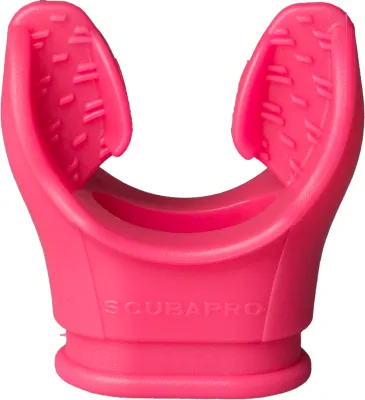
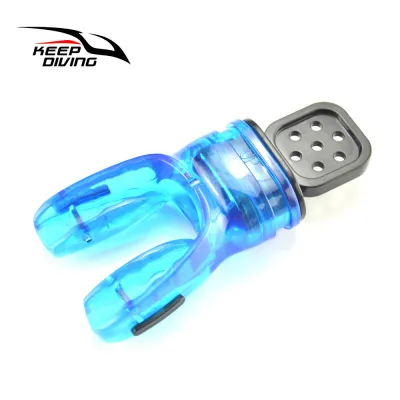
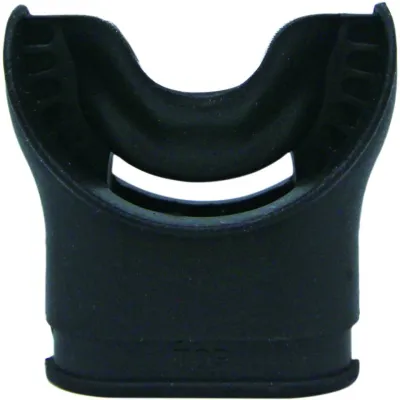
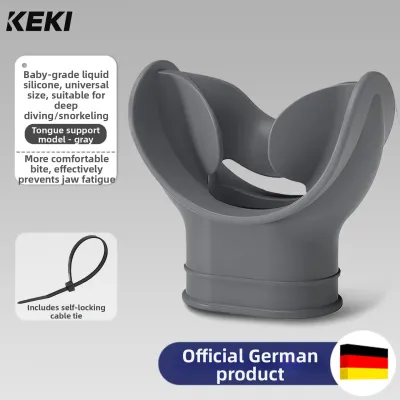
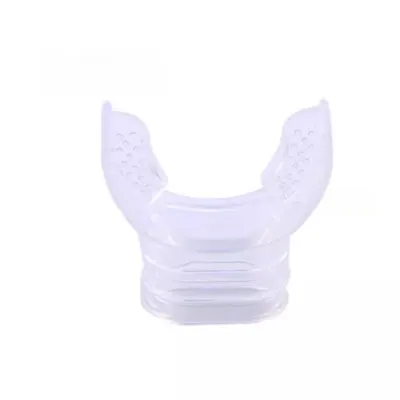
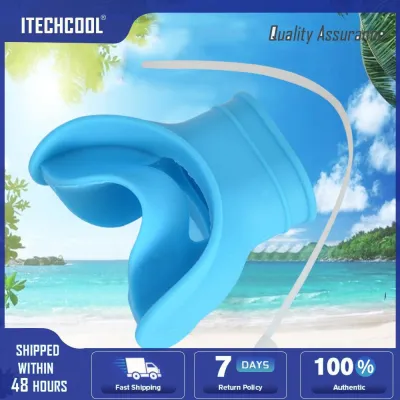
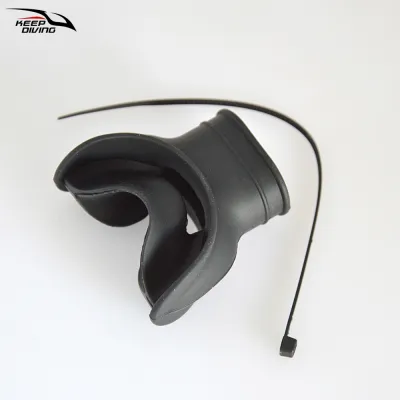
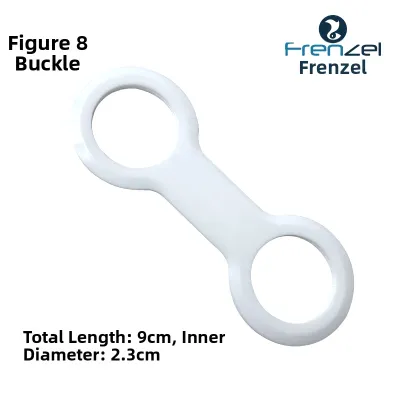
Prices are valid at publication and may change. Please refer to the product page for the latest price.
Airway security is another vital factor for novice divers. A mouthpiece that is too large or too stiff may not seal properly at the corners of your lips, allowing small amounts of water to seep in as you breathe. This constant water ingress can cause coughing, anxiety, and frequent regulator clearing, which disrupts your breathing rhythm. A properly fitted mouthpiece creates a natural, effortless seal, allowing you to breathe comfortably and maintain a calm state of mind underwater.
Furthermore, a comfortable mouthpiece directly influences your air consumption rate. When your jaw is relaxed and your airway is secure, you can maintain slow, deep, and steady breaths. This efficiency extends your dive time and helps you get the most out of your underwater excursions. Investing in a high-quality personal mouthpiece is a simple, cost-effective way to build confidence and ensure that your early diving experiences are defined by discovery rather than discomfort.
Key Features to Look for in a Beginner Diving Mouthpiece
When browsing for a diving mouthpiece, the material composition should be your primary consideration. Look for products made from 100% hypoallergenic liquid silicone rubber. High-grade silicone remains soft, flexible, and comfortable against your gums, even during long dives. Avoid cheap plastics or low-grade PVC materials, which tend to stiffen in cooler water, release unpleasant chemical tastes, and degrade rapidly under the tropical sun.

The design of the bite tabs—the flat platforms where your teeth rest—is another crucial element. Beginner divers should look for bite tabs that offer a moderate thickness and length. If the tabs are too short, you will have to grip them with your front teeth, which increases jaw strain. If they are too long, they may press against the back of your mouth and trigger a gag reflex. Opt for tabs that allow your jaw to rest in a natural, slightly open position without requiring active biting force.
The lip shield is the curved outer flange that sits between your lips and your teeth, acting as the primary barrier against water entry. A well-designed lip shield should conform smoothly to the contours of your mouth without pressing too hard against the sensitive tissue under your lips. Look for rounded, tapered edges that minimize friction and prevent chafing during extended use.
Finally, pay close attention to the overall size and profile of the mouthpiece. Many manufacturers offer specialized sizes, including junior, regular, and wide profiles. Divers with smaller mouths often find standard rental mouthpieces incredibly uncomfortable because they stretch the lips and jaw unnaturally. Selecting a small-profile or youth-sized mouthpiece can instantly resolve these issues, providing a snug, watertight fit that matches your natural anatomy.
Standard vs. Moldable Mouthpieces: Which Type Suits You?
As you explore your options, you will generally choose between two main categories: standard pre-formed mouthpieces and customizable moldable mouthpieces. Standard pre-formed mouthpieces are the traditional choice found on most rental regulators and snorkels. They are highly affordable, durable, and ready to use straight out of the package. Because they are made from a single piece of molded silicone, they are incredibly resilient and serve as excellent backup gear in your save-a-dive kit. However, their generic shape means they may not support your specific bite pattern perfectly, which can lead to uneven pressure distribution.
In contrast, moldable mouthpieces—often referred to as “boil-and-bite” mouthpieces—offer a fully customized fit. These mouthpieces feature a specialized thermoplastic material on the bite tabs. By submerging the mouthpiece in hot water for a specified number of seconds, the material softens, allowing you to bite down gently and create an exact impression of your teeth. This custom mold distributes the weight of the regulator evenly across your entire jaw, significantly reducing muscle fatigue. Many high-quality moldable models can also be reheated and remolded if your dental structure changes or if you need to adjust the initial fit.
While moldable mouthpieces provide excellent comfort, they do come with trade-offs. They are generally more expensive than standard silicone options and require a careful preparation process before they can be used. They also tend to be slightly bulkier and stiffer due to the dual-material construction. For beginners who plan to dive frequently or who suffer from jaw discomfort, the investment in a moldable mouthpiece is highly beneficial. If you only dive occasionally or prefer a low-maintenance, lightweight option, a high-quality standard silicone mouthpiece in the correct size may be the more practical choice.
How to Test the Fit and Comfort Before Your First Dive
Before taking your new mouthpiece into the ocean, it is essential to perform a few simple, dry tests at home to verify its fit and comfort. Start with the passive hold test. Insert the dry mouthpiece into your mouth, position your teeth on the bite tabs, and relax your jaw completely. The mouthpiece should remain securely in place behind your lips without requiring you to actively bite down. If you feel the need to clench your teeth to keep it from falling out, the size or shape is incorrect.
Next, simulate underwater breathing by inhaling and exhaling slowly through your mouth. Pay attention to how your lips seal around the outer shield. The seal should feel natural and effortless, without stretching your lips to their limits. Ensure that your tongue has sufficient room to move and that the inner structure of the mouthpiece does not obstruct your airway or press uncomfortably against the roof of your mouth.
To identify any hidden pressure points, keep the mouthpiece in your mouth for five to ten minutes while relaxing at home. This extended wear test will reveal issues that a quick trial might miss, such as minor gum chafing, lip irritation, or a mild gag reflex. If you experience any sharp discomfort or persistent irritation, do not use the mouthpiece in the water.
If you are using a moldable mouthpiece and find the fit uncomfortable, you can usually repeat the heating and molding process to smooth out any sharp ridges. For standard mouthpieces, a poor fit means you should try a different size or brand. Never attempt to modify a standard mouthpiece by cutting or shaving the silicone yourself, as this can compromise its structural integrity and lead to gear failure underwater. If you remain unsure about the fit, seek guidance from a certified dive professional.
Purchasing and Verifying Diving Gear in Singapore
When purchasing a diving mouthpiece in Singapore, it is highly recommended to visit a physical dive center or a reputable local retailer. Physical stores allow you to inspect the material quality firsthand and compare different sizes side-by-side. If you prefer to shop online, stick to official brand stores or authorized distributors on local e-commerce platforms to ensure you receive genuine, high-quality products rather than cheap counterfeits that may use unsafe materials. While a standard mouthpiece may cost around S$15 to S$30, a customizable moldable option typically ranges from S$40 to S$80.
Always verify the packaging and product labels before making a purchase. Genuine diving gear is sold in sealed, hygienic packaging that clearly states the manufacturer’s details, material composition, and safety certifications. Inspect the silicone closely; it should have a smooth, consistent texture without any air bubbles, oily residues, or strong chemical odors. These physical checks help ensure that the product is safe for prolonged contact with your mouth.
Keep in mind that because mouthpieces are personal hygiene items, most retailers in Singapore maintain strict return policies. Once the hygienic packaging is opened, returns or exchanges are typically not permitted unless the product is defective. To avoid purchasing the wrong size, consult the manufacturer’s sizing charts or ask store staff if they have non-insertable display models that you can examine.
If you are currently taking a dive course, your instructor is an invaluable resource. They can assess your jaw profile, recommend suitable styles, and help you install the new mouthpiece onto your regulator or snorkel. Secure installation requires a durable, marine-grade zip tie to prevent the mouthpiece from slipping off during a dive. A professional can ensure the tie is tightened correctly and the excess tail is cut flush to prevent it from scratching your lips.
Frequently Asked Questions (FAQ)
Can I use a snorkeling mouthpiece for scuba diving?
While some high-quality snorkels use mouthpieces that are physically compatible with scuba regulators, it is generally not recommended to swap them indiscriminately. Scuba regulator mouthpieces must withstand higher physical demands, including the weight of the second-stage regulator and the movement of the low-pressure hose. They are typically made from thicker, more robust silicone to prevent accidental tearing underwater, which could lead to a catastrophic water leak. Snorkel mouthpieces are often lighter and may not feature the reinforced zip-tie groove required to secure them safely to a scuba regulator. Always verify that a mouthpiece is explicitly rated for scuba use before attaching it to life-support equipment.
How often should I replace my diving mouthpiece?
A diving mouthpiece should be inspected before every dive trip and replaced at the first sign of wear. Look closely for tiny tears or punctures in the bite tabs, which can occur if you tend to bite down hard when stressed. Check the connection point where the mouthpiece attaches to the regulator or snorkel; any cracking or loss of elasticity here can allow water to bypass the seal. Additionally, if the silicone becomes discolored, sticky, or stiff, it has degraded from UV exposure or saltwater and must be replaced. On average, active divers in Singapore replace their mouthpieces every one to two years, but keeping a spare in your save-a-dive kit is always recommended.
Community discussion
Share your experience or ask a question. Comments are reviewed before publication.