
Selecting your first golf ball marker is one of the simplest yet most practical decisions you will make when starting your golf journey. To choose the right marker, a beginner should look for three core attributes: high visibility on the green, ease of handling, and a secure storage method—such as a magnetic hat clip—to prevent accidental loss. Because golf is a game of fine details and precise etiquette, having a dedicated, rule-compliant marker ensures you can mark your ball confidently without disrupting the flow of play or interfering with other players’ putting lines.
While a ball marker may seem like a minor accessory compared to a driver or a putter, it plays a constant role in every round you play. Choosing an option that matches your personal habits and the local playing conditions will save you from unnecessary distractions on the green, allowing you to focus entirely on learning the fundamentals of your putting stroke.
Why a Reliable Ball Marker Matters for New Golfers
Under Rule 14.1 of the Rules of Golf, when a player’s ball lies on the putting green, it may be lifted for cleaning or to clear the path for another golfer’s putt. Before lifting, however, its position must be marked. A ball marker serves as this physical placeholder. For a beginner, understanding this rule and having a reliable marker ready is the first step toward demonstrating good golf course etiquette.
Products mentioned in this guide
![[SG 🚚] 50 PCS Golf Ball Marker 18mm Random Color](https://img.lazcdn.com/g/p/48dd6b50fff238d4ed926b7fb6c3b13d.jpg_400x400q80.jpg_.webp)
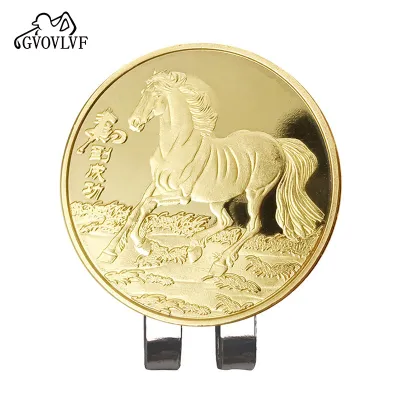

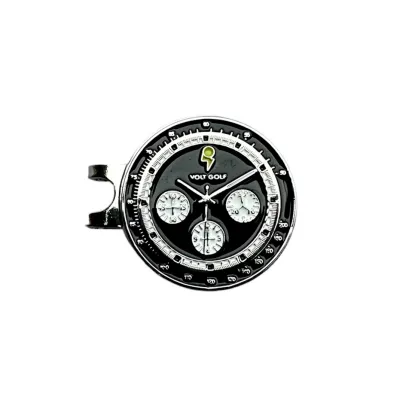
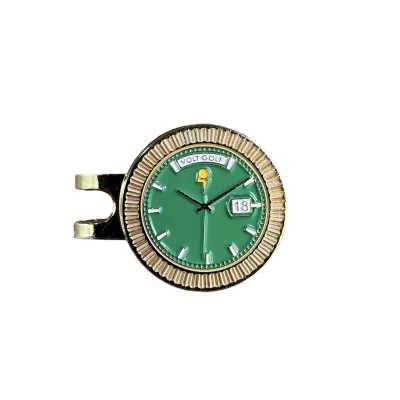
![[SG 🚚] Silicone Ball Mark Clips Folding Mini Golf Caps Clip Marker Useful Golf Supplies](https://img.lazcdn.com/g/p/186ba51976ca6e82b81fa03d1d9715e1.jpg_400x400q80.jpg_.webp)
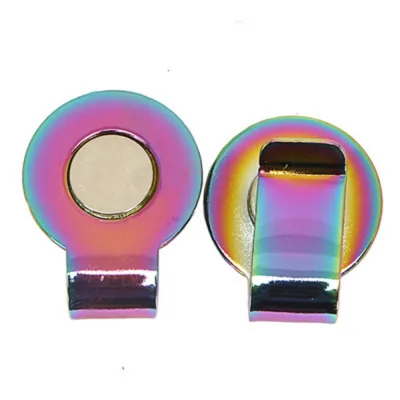
Prices are valid at publication and may change. Please refer to the product page for the latest price.
Golf in Singapore often takes place on busy public courses or country club greens where maintaining the pace of play is critical. Fumbling around in deep pockets, searching through a golf bag, or dropping a tiny, non-descript marker can delay your entire flight. A reliable marker that is quickly accessible keeps the game moving smoothly, reducing the mental friction of managing your gear while you are still learning the rules.
Using an improper object or failing to mark the ball correctly can lead to awkward social situations or even rule violations during casual play. The Rules of Golf dictate that the marker must be placed directly behind the ball. If you use a marker that is too large, highly reflective to the point of distraction, or difficult to see, you risk disrupting the concentration of your playing partners.
Our objective is to help new golfers identify practical, rule-compliant, and user-friendly markers without overspending on unnecessary customization. By focusing on simple utility, you can find an accessory that fits seamlessly into your pre-putt routine and withstands the elements on the course.
Essential Features to Look for in Your First Marker
To make an informed purchase, you should evaluate markers based on three primary functional attributes: how they attach to your gear, how visible they are on the turf, and how well they resist wear and tear.

Attachment Method: Magnetic vs. Loose
Magnetic Markers These systems typically consist of a flat metal disc that clings to a magnetic base. This base can be integrated into a hat clip, a belt clip, or a golf glove tab. The key advantage is accessibility; you do not have to dig into your pocket with dirty or sweaty hands to retrieve it. This keeps the marker in a consistent, highly reachable spot throughout your round.
Loose Markers Traditional coins, custom plastic discs, or poker chips sit loose in your pocket. While they require no special clips or accessories, they are much easier to lose, misplace, or leave behind on the putting green. They can also easily mix with actual currency or tee pegs, making them harder to locate quickly.
Decision Criteria If you regularly wear a golf cap, visor, or belt, a magnetic setup is highly recommended for its security and convenience. If you prefer to play without headwear and want a minimalist approach, a loose marker stored in a dedicated, zippered pocket of your golf trousers is a viable alternative.
Size, Profile, and Visibility
Dimensions Standard markers range from 20mm to 40mm in diameter. For beginners, a diameter of around 25mm (roughly the size of a Singapore 1-dollar coin) strikes the perfect balance. It is large enough to see from several yards away but small enough not to block other players’ lines.
Profile Thickness A flat, low-profile marker is essential. If another player’s ball rolls over your marker, a thick marker could deflect their ball, which can lead to disputes. Look for markers that lie virtually flush with the grass.
Visibility Factors Choose high-contrast colors. Singapore’s tropical weather can transition rapidly from bright sunshine to overcast skies and heavy rain. A bright neon, white, or highly reflective metallic marker remains visible on wet, dark green grass, whereas a dark green, brown, or black marker easily blends into the turf and becomes difficult to locate.
Material and Weather Resistance
Common Materials Golf ball markers are typically made from stainless steel, anodized aluminum, brass, or heavy-duty plastics. Each material offers a different balance of weight, cost, and durability.
Tropical Climate Durability Playing golf in Singapore means exposing your gear to intense humidity, sweat, and sudden downpours. Cheap iron-based alloys will rust quickly, leaving orange stains on your hats, gloves, or pockets. Anodized aluminum and stainless steel are highly resistant to this type of corrosion.
Verification Checks Before purchasing, check the product description or packaging for terms like “rust-proof,” “316 stainless steel,” or “anodized aluminum.” Avoid generic “metal” labels that do not specify the alloy, as these are often prone to rapid corrosion when exposed to moisture.
Best Types of Ball Markers for Beginners
To help you narrow down your choices, we have categorized the most common styles available on the market. Each style offers unique benefits depending on your playing habits.
Magnetic Hat Clip Markers
This setup features a small metal disc with a built-in magnet (or a magnetic base) that snaps onto a metal clip attached to the brim of a golf hat or visor. It is widely considered the most practical and popular choice for new golfers because of its sheer convenience.
For beginners, using a hat clip builds a consistent habit of knowing exactly where the marker is at all times. After lifting your ball, you instinctively reach for your hat brim to grab the marker, and vice versa when replacing the ball. This prevents the common beginner mistake of leaving the marker on the green or dropping it in the rough.
Many entry-level golf hats and visors come with these clips pre-installed or included in the packaging. Even if your hat does not have one, universal magnetic clips are inexpensive and can be easily attached to any standard cap brim without damaging the fabric.
Traditional Coin and Poker Chip Styles
These are non-magnetic, loose markers that offer a classic feel and satisfying weight. Poker chips are typically larger (around 40mm in diameter) and made of clay composite or heavy plastic with a metal core, providing excellent tactile feedback.
These are ideal for golfers who prefer a minimalist approach or do not regularly wear hats on the course. Because they are larger than standard metal discs, poker chips are incredibly easy to find in your pocket and highly visible on the green, even from across the putting surface.
To store them securely, use a dedicated small pocket in your golf trousers or a specific compartment in your golf bag. This prevents them from mixing with loose change, tees, or divot tools, ensuring you can retrieve them without fumbling when you reach the green.
Divot Repair Tool Combinations
A divot tool (or pitch mark repair tool) is used to fix the indentations your ball makes when landing on the green. Many of these tools feature a small magnetic recess that holds a flat, detachable ball marker, combining two essential accessories into one.
This dual function reduces the number of loose items a beginner needs to carry in their pockets. Learning to repair pitch marks is a fundamental part of golf etiquette, so carrying a 2-in-1 tool encourages good habits on the course from day one.
While highly convenient, beginners should ensure the marker portion is still easy to detach and place accurately. Test the tool to make sure you can slide the marker off with your thumb without having to fumble with the sharp prongs of the repair tool.
What to Avoid When Selecting a Ball Marker
When shopping for your first marker, it is easy to get distracted by novelty designs. However, certain styles can hinder your experience or violate golf etiquette.
- Oversized or 3D Markers: Avoid markers with tall, protruding 3D designs, miniature figurines, or excessive thickness. These can easily deflect a playing partner's ball if they roll over them, violating the spirit of the rules regarding green interference.
- Natural Objects: Under the Rules of Golf, using a leaf, twig, or loose pebble is not permitted. Always use an artificial, manufactured object to avoid potential penalties during play.
- Weak Magnets: If you choose a magnetic hat clip, test the magnetic pull or read user reviews. A weak magnet will allow the marker to fly off during a vigorous tee shot or when brushing against your golf bag, leading to frequent losses.
- Overly Complex Gadgets: Avoid markers with built-in bubble levels, alignment lasers, or electronic components. These are often expensive, distracting, and may not be legal for handicap or tournament play under strict local rules.
Where to Shop for Golf Accessories in Singapore
Finding a reliable golf ball marker in Singapore is straightforward, with options ranging from physical retail stores to specialized online shops.
Visiting local golf pro shops at driving ranges—such as the Mandai Executive Golf Course range—or country clubs allows you to physically test the magnet strength, weight, and size of the marker. Handling the product in person is the best way to ensure the clip fits securely on your favorite golf hat.
For a wider variety of entry-level accessories, browse dedicated online sports retailers and official brand stores. These platforms often carry multi-packs of basic magnetic markers, which are highly cost-effective. When shopping online, always check the product description for material specifications like “rust-proof stainless steel” and ensure the listing clearly states whether the hat clip is included with the marker.
Because ball markers are generally low-cost accessories (typically ranging from S$5 to S$20), it is often most practical to buy a multi-pack. Having a few backup markers in your golf bag ensures you are always prepared, even if you accidentally lose one during a round.
Frequently Asked Questions (FAQ)
Can I use a regular coin as a golf ball marker?
Using a standard coin is perfectly legal and fully compliant with the Rules of Golf. Many golfers use local currency, such as a Singapore 50-cent or 1-dollar coin, as a convenient and cost-effective marking solution.
However, regular coins have a few practical drawbacks. They lack magnetic properties, meaning they cannot be used with convenient hat clips or magnetic divot tools. They can also easily get mixed up with actual pocket change, and older, worn coins may have a dull finish that makes them difficult to spot on the green under low-light conditions.
Does a golf ball marker need to be magnetic?
There is no rule requiring a ball marker to be magnetic. The Rules of Golf only require that the ball be marked with an artificial object, which can be a non-magnetic coin, plastic disc, or poker chip.
Magnetic markers are purely a convenience feature designed to help golfers keep track of their equipment. They allow you to attach the marker to a hat clip or divot tool, reducing the likelihood of losing the marker or having to search through your pockets on the green.
How do I properly place and use a ball marker on the green?
To mark your ball correctly, place the marker directly behind the ball (on the side opposite the hole) before lifting the ball. Once the marker is on the ground, you can lift and clean your ball. When it is your turn to putt, place the ball back directly in front of the marker, then lift the marker.
If your marker lies in another player’s line of putt, you may be asked to move it. To do this, align your putter head with a fixed target in the distance (like a tree or bunker), place the heel of the putter next to your marker, and move the marker to the toe of the putter. Reverse this exact process to place your ball back in its original position before taking your putt.
Community discussion
Share your experience or ask a question. Comments are reviewed before publication.