
Selecting your first golf buggy towel is a small but critical step in establishing your routine on the course. For beginners, the right towel does more than just wipe away dirt; it keeps your club faces clean for consistent contact, dries your hands before crucial shots, and stays securely attached to your cart throughout your round. While seasoned players might have highly specific preferences, a beginner needs a reliable, low-maintenance accessory that balances durability, absorbency, and ease of use.
Rather than chasing high-priced marketing claims or generic lifestyle options, the best approach is to look at established golf equipment brands that design accessories specifically for the rigors of the sport. These brands understand the physical demands of the game, offering towels with specialized weaves, heavy-duty attachments, and weather-resistant properties. By focusing on functional design rather than brand prestige alone, you can find a buggy towel that protects your investment in your clubs and enhances your playing experience.
What Makes a Golf Buggy Towel Beginner-Friendly?
To understand what makes a golf buggy towel suitable for a beginner, you must first look at the material composition. Microfiber is the industry standard for modern golf towels, largely because of its superior absorbency and rapid drying times compared to traditional cotton. A waffle-weave microfiber pattern is particularly effective; the recessed pockets trap sand, soil, and grass clippings away from the club face, preventing those abrasive particles from scratching your club’s delicate finishes or wear-resistant coatings during cleaning.
Products mentioned in this guide
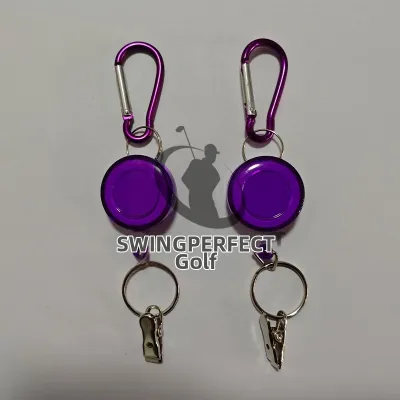
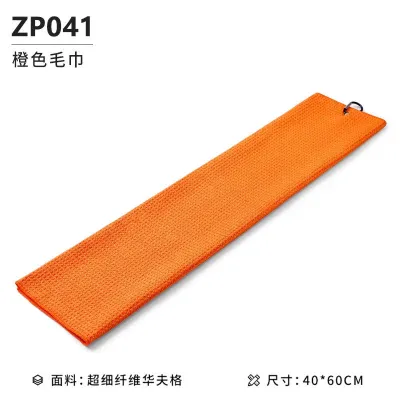
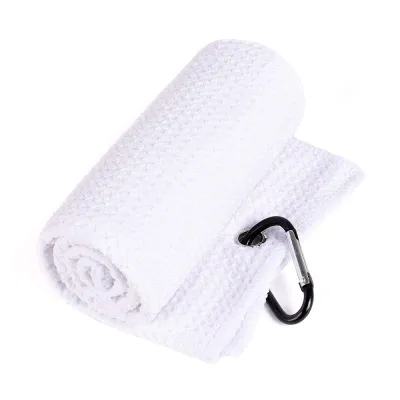
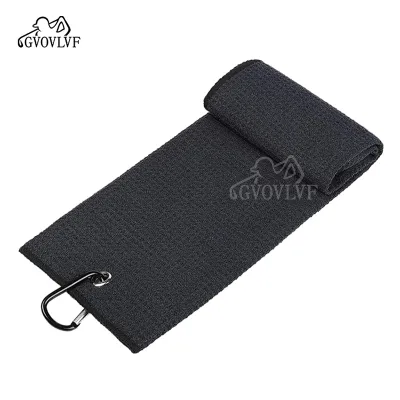
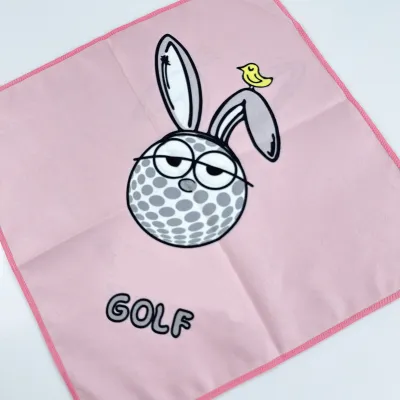
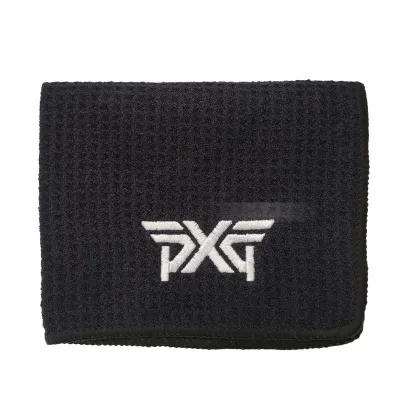
Prices are valid at publication and may change. Please refer to the product page for the latest price.
The physical dimensions of the towel also dictate its usability on the course. A towel that is too large will drag on the ground when hung from a standard golf buggy, collecting dirt, moisture, and debris from the turf. Conversely, a towel that is too small will quickly become saturated and dirty, leaving you with no clean surfaces to wipe your hands or grips. An optimal size for a beginner’s buggy towel is typically around 40 by 50 centimeters, which provides ample surface area for cleaning both clubs and hands while remaining suspended safely above the buggy’s wheels and the ground.
Attachment mechanisms are another critical factor to evaluate. Golf buggy towels generally feature one of several attachment styles: carabiners, grommets, heavy-duty clips, or integrated magnets. For beginners, a secure carabiner or a sturdy metal grommet is often the most reliable choice because it physically locks the towel to the buggy’s bag-support frame or accessory console. While magnetic towels offer quick-release convenience, they require a metal surface to stick to, which may not be readily available or secure on all buggy models, especially when driving over bumpy terrain.
How to Evaluate Golf Equipment Brands for Accessories
When shopping for your first golf buggy towel, it is easy to get overwhelmed by the sheer volume of options available online. To narrow down your choices, start by distinguishing specialized golf equipment manufacturers from general sports brands or generic online labels. Specialized golf brands design their accessories to withstand the specific environmental conditions of the golf course, using materials that resist mildew, UV degradation, and frequent friction. These manufacturers often test their gear alongside their clubs and bags, ensuring a higher level of integration and functional compatibility.

Another key indicator of a reputable brand is the transparency of its warranty terms and customer support. Even for a relatively low-cost accessory like a towel, established golf brands stand behind their products with clear return policies and guarantees against manufacturing defects, such as loose stitching or failing grommets. Checking these policies before you buy provides peace of mind and ensures you are dealing with a company that values product quality and customer satisfaction.
To guarantee you are purchasing an authentic product, always prioritize authorized pro shops, official brand storefronts, or reputable local golf retailers over unauthorized third-party sellers on discount ecommerce platforms. Counterfeit accessories are common in the golf industry, and they often use inferior microfiber blends that fray quickly, lose their absorbency after a single wash, or feature weak clips that break during your first round. Buying from authorized channels ensures you receive genuine materials and full warranty support.
Matching Towel Features to Local Course Conditions
Playing golf in Singapore presents unique environmental challenges that directly impact how you should select your equipment. The high humidity and frequent, sudden tropical downpours mean your golf buggy towel will regularly be exposed to moisture. In these conditions, cotton towels tend to remain damp for hours, leading to musty odors and the growth of mildew. To combat this, look for towels treated with antimicrobial properties or those made from high-grade synthetic microfiber, which dries significantly faster and resists bacterial buildup even when stored in a closed golf bag.
The color and weave of your towel also play a practical role in managing the local elements. Singapore’s courses feature lush turf, but they also have muddy areas, sand bunkers, and dusty cart paths. A white or light-colored towel will look heavily stained after just a few holes, requiring intensive washing to restore its appearance. Choosing darker colors—such as charcoal, navy, or deep green—or selecting a multi-toned pattern will help conceal mud and grass stains, keeping your gear looking clean and professional throughout your round.
Furthermore, the undulating terrain and occasional rough paths on local courses mean your buggy will experience significant vibration and movement. A loose or weak attachment mechanism can easily result in your towel falling off mid-round without your knowledge. Ensure the towel you select features a locking carabiner or a high-tension clip that can be securely fastened to the buggy’s structural bars, preventing it from shaking loose during transit.
A Conditional Shortlist Framework for Your First Purchase
To help you navigate the market, it is useful to categorize golf buggy towels into three distinct brand profiles based on your playing frequency, budget, and aesthetic preferences. This framework allows you to match your specific needs to the right category of product, ensuring you do not overspend on features you do not require, or underspend on a towel that fails to meet your demands.
The first category consists of utility-focused brands that prioritize heavy-duty durability and straightforward performance. These towels are typically made from thick, industrial-grade microfiber with reinforced double-stitched edges and heavy-duty brass or aluminum grommets. They are designed for frequent players who need a reliable workhorse that can handle multiple rounds a week and frequent machine washing without losing its texture or cleaning efficiency. If you plan to play regularly and want a towel that simply gets the job done, this is your best starting point.
The second category comprises entry-level options that offer a balanced mix of cost and basic performance. These towels are ideal for casual beginners who are still testing their commitment to the sport and want to keep their initial investment low, perhaps budgeting between S$15 and S$25. While they may lack advanced features like magnetic attachments or specialized dual-texture weaves, they provide adequate absorbency and secure clips that are perfectly suitable for occasional weekend rounds.
The third category includes premium golf brands that offer advanced technical fabrics, specialized cleaning textures, and cohesive aesthetic designs. These towels often feature dual-sided construction—such as a rough waffle weave on one side for heavy mud removal and a soft, plush microfiber on the other for wiping delicate club faces and hands. They may also incorporate innovative attachment systems, such as high-strength magnetic mounts, and are designed to match the color schemes and branding of premium golf bags. If you value high-end aesthetics and technical innovation, investing in a premium brand towel can enhance both your style and your on-course efficiency.
Pre-Purchase Checks and Red Flags to Avoid
Before you finalize your purchase, performing a quick inspection of the towel’s physical construction can save you from premature wear and disappointment. Start by examining the stitching along the edges of the towel; high-quality options feature tight, overlocked stitching or bias tape binding that prevents the microfiber from unraveling. Additionally, inspect the area around the grommet or attachment loop. This point experiences the most stress when you pull the towel to clean a club, so it should be reinforced with extra fabric layers or a heavy-duty metal ring to prevent tearing.
Another red flag to watch out for is the texture of the material itself. Avoid towels that feel overly stiff, rough, or plasticky to the touch. Low-grade synthetic fabrics can be surprisingly abrasive, and over time, they can leave fine scratches on the polished finishes of your woods, hybrids, or specialized wedge faces. A good golf towel should feel soft yet structured, offering enough friction to clean out grooves without posing a risk to your expensive equipment.
Finally, be mindful of hidden costs when ordering accessories online, especially from international sellers. While a towel might appear inexpensive at first glance, high shipping fees in S$ or unexpected import duties can significantly inflate the final price. Always calculate the total landed cost before checking out, and compare it against the prices of similar high-quality options available at your local pro shop or authorized domestic retailers to ensure you are getting genuine value.
Frequently Asked Questions (FAQ)
Can I use a regular gym towel instead of a dedicated golf buggy towel?
While you can technically use a gym towel, it lacks the specialized features that make a golf towel practical. Gym towels do not have secure attachment mechanisms like carabiners or grommets, meaning you will have to drape them over the buggy frame, where they can easily fall off or drag in the dirt. Furthermore, standard cotton gym towels can trap abrasive sand and grit within their loops, which can scratch your club faces and wear down your grips over time.
How often should I wash my golf buggy towel during a humid season?
In a humid climate like Singapore’s, you should wash your golf buggy towel after every two to three rounds, or immediately if it becomes heavily soiled with mud or soaked by rain. If you notice a musty odor or visible mold spots, it requires an immediate wash with a mild detergent. To maintain the absorbency of microfiber towels, avoid using fabric softeners, as they leave a coating on the fibers that reduces their ability to absorb water and clean effectively.
Do I need a towel with a built-in brush for cleaning club grooves?
For absolute beginners, a standard waffle-weave microfiber towel is usually sufficient to clean out most dirt and grass from your club grooves, provided you wipe them immediately after each shot. As your skill level develops and you begin to generate more ball spin, clean grooves become increasingly important for control. While a built-in brush offers added convenience for stubborn, dried mud, it also adds weight and stiffness to the towel, so many players prefer to carry a separate, small pocket brush instead.
Community discussion
Share your experience or ask a question. Comments are reviewed before publication.