
Finding the right golf marker as a beginner in Singapore involves balancing visibility, ease of use, and secure attachment, all while keeping your budget reasonable. In our tropical climate, where bright afternoon glare can make small objects hard to spot and sudden downpours can quickly muddy the greens, a reliable marker is an essential tool. Rather than investing in premium or luxury brands right away, a novice golfer should focus on practical utility, choosing a marker that simplifies the learning curve of green etiquette and basic alignment.
When you are first starting out, the sheer variety of golf accessories can feel overwhelming. However, the humble ball marker is one of the most frequently used items in your bag, playing a vital role in keeping the game flowing smoothly and respecting your playing partners. By understanding what features matter most on local courses, you can make an informed choice that boosts your confidence on the putting green.
What to Look for in a Beginner Golf Marker
Visibility is the most critical factor when selecting your first golf marker. Singapore’s golf courses often feature lush, dark green turf species like Paspalum or Bermuda grass, which can easily swallow up dark or neutral-colored accessories. Under the intense midday sun or during overcast, pre-rain conditions, a small marker can quickly disappear from view. Opt for bright neon colors, high-contrast patterns, or reflective metallic finishes that stand out clearly from several yards away, allowing you to read your putting line without straining your eyes.
Products mentioned in this guide
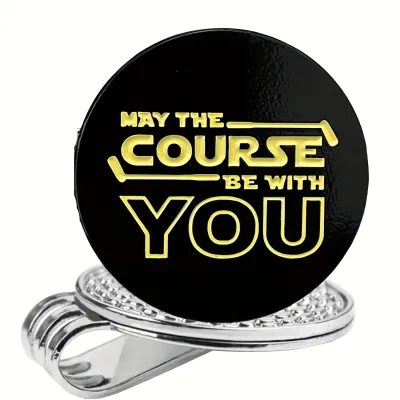
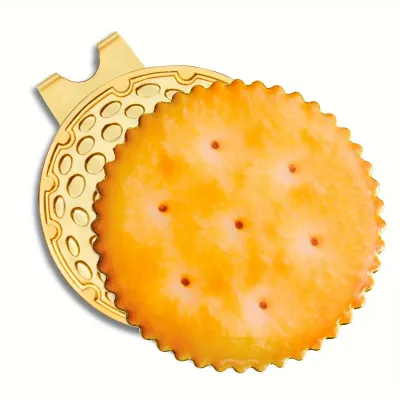
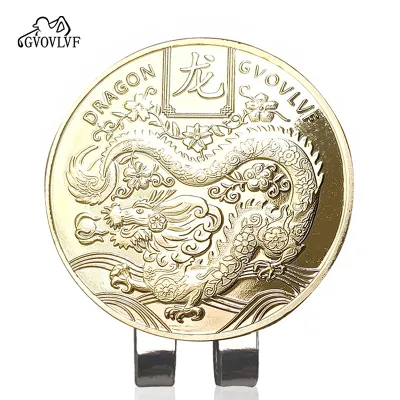
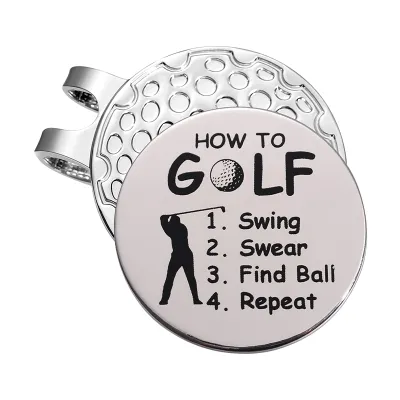

Prices are valid at publication and may change. Please refer to the product page for the latest price.
Ease of handling is another practical consideration that beginners often overlook. High humidity levels in Singapore mean sweaty hands are a constant factor on the course, and you may also be wearing a golf glove. A marker that is too thin, completely flat, or exceptionally small can be incredibly frustrating to pick up from the turf. Look for markers with textured edges, slightly raised center designs, or bevelled borders that allow you to easily slide a fingernail or glove edge underneath for quick retrieval.
Attachment security ensures your marker stays with you throughout the eighteen holes. If you choose a magnetic system, the magnet must be strong enough to withstand the physical forces of your swing, as well as the constant movement of walking the fairways or riding in a buggy. A weak magnet or a loose clip will inevitably result in a lost marker before you even reach the back nine. The clip itself should slide firmly onto your cap, visor, or belt without damaging the fabric or slipping off during active play.
Finally, cost-effectiveness and replacement value are highly relevant for those new to the sport. It is common for beginners to misplace small accessories as they adjust to managing their gear, clubs, and scorecards simultaneously. Choosing an affordable option, or purchasing a multi-pack, ensures that losing a marker on the fairway is merely a minor inconvenience rather than an expensive mistake. You can focus entirely on your game without worrying about safeguarding a costly luxury item.
Common Types of Golf Markers Explained
Standard disc and button markers are the most traditional style available. Typically made of plastic or lightweight metal, these flat discs often feature a small peg on the underside that inserts into the turf to hold the marker securely in place. Because they sit incredibly flush with the grass, they are excellent for minimizing physical interference with other players’ putting lines. The main drawback for beginners is storage; because they do not attach to your clothing, you must carry them in your pocket, which often leads to fumbling around and delaying play when it is your turn to mark.

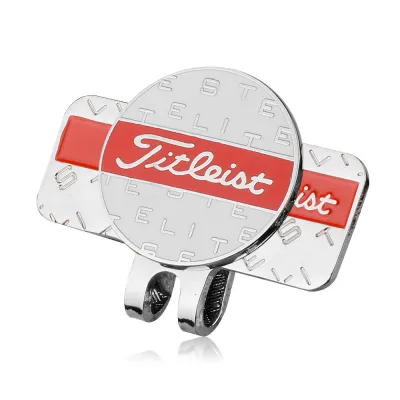
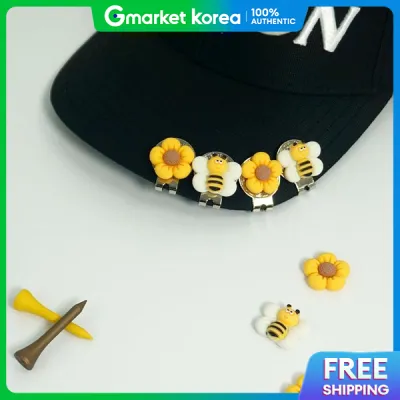
Magnetic hat-clip and visor markers offer an exceptional level of convenience that makes them highly popular among beginners. This system consists of a metal clip that slides onto the brim of your cap or visor, featuring a strong magnet that holds a flat metal marker in place. This design keeps the marker within arm’s reach at all times, eliminating the need to dig through your pockets. It also keeps your pockets free of dirt and grass clippings, though you must ensure the clip is compatible with the thickness of your favorite golf hats.
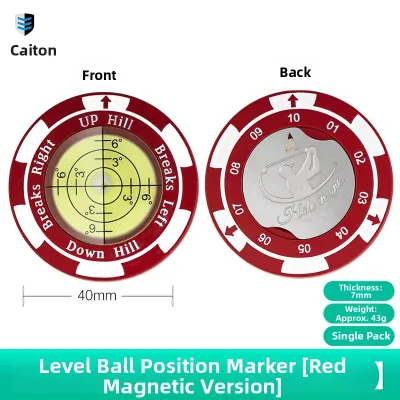
Alignment markers are specifically designed to assist with the technical aspects of putting. These markers feature prominent straight lines, arrows, or crosshairs printed across their surface. When you mark your ball, you can rotate the marker to align these visual guides with your intended putting line. While this is an excellent training aid for beginners working on their aiming consistency, using them effectively requires practice. If you take too long adjusting the alignment on every green, you risk slowing down the pace of play, which can frustrate other golfers on a busy course.
Novelty and custom markers include oversized coins, unique shapes, or highly decorative designs. While these allow you to express your personality on the course, they are often impractical for beginners. Large or oddly shaped markers can easily obstruct the putting paths of your playing partners, forcing you to constantly move your marker to one side. Furthermore, excessively bulky or distracting designs may not comply with official tournament rules, making it wiser to stick to standard shapes as you learn the game.
Proper Etiquette and Basic Maintenance
Understanding correct marking etiquette is just as important as choosing the right gear. When your ball comes to rest on the putting green, you must place your marker directly behind the ball—meaning on the side opposite the hole—before lifting it. Placing the marker to the side or in front of the ball is a rule infraction. When it is time to play your stroke, place the ball back in its exact original position directly in front of the marker before picking the marker up.
During a round, you may find that your marker lies directly in the putting line of another player. If this happens, etiquette dictates that you offer to move your marker. To do this safely without losing your spot, align your putter head with a fixed object in the distance, such as a tree or a bunker, and measure one or more clubhead lengths to the side. Place the marker at that new point. Once your partner has putted, remember to measure back the exact same distance and direction to replace your ball correctly.
Singapore’s tropical environment requires a basic maintenance routine to keep your accessories in good condition. Mud, wet grass, and sweat can quickly accumulate on your marker, leading to corrosion or a buildup of grime that weakens magnetic connections. After a damp or humid round, wipe your metal or plastic markers down with a damp microfiber cloth and mild soap. Avoid using harsh chemical solvents that could strip away protective enamel coatings or dissolve the adhesives holding the magnets in place, and always dry them thoroughly before storage.
Regularly inspect the physical integrity of your clips and magnets to prevent unexpected losses. Metal hat clips can gradually stretch out over time, losing their tight grip on your cap brim. You can easily fix this by using a pair of pliers to gently squeeze the metal loop back into a snug shape. Additionally, keep the magnetic surfaces clean of any iron-rich soil or sand particles, which can easily cling to the magnet during play and create a physical barrier that reduces its holding power.
Building Your First Golf Marker Shortlist
To build a practical shortlist, start by evaluating your personal carry preferences on the course. If you prefer walking the fairways and carrying your own bag, a magnetic hat-clip or belt-clip marker is highly recommended, as it keeps the accessory secure and easily accessible while you move. If you primarily ride in a golf buggy and prefer keeping your pockets clear, a simple pocket pouch containing a few standard disc markers might suit your style perfectly.
Next, assess whether you truly need alignment aids at this stage of your golf journey. If you find yourself struggling to line up your putts consistently, prioritizing a marker with a bold, clear alignment line can provide a valuable confidence boost on the green. However, if your primary focus is simply mastering the basic rules, keeping up with the pace of play, and avoiding gear loss, a pack of high-visibility, standard magnetic markers is a more practical and stress-free starting point.
Setting a sensible budget is key to avoiding overspending on entry-level accessories. In Singapore, you do not need to spend a fortune to get reliable gear. A budget of S$5 to S$15 is entirely sufficient to purchase a high-quality, durable magnetic hat clip that comes with one or two interchangeable metal markers. If you prefer standard plastic or basic metal disc markers, you can easily find multi-packs of ten or more for under S$10, offering outstanding replacement value if you tend to misplace small items.
Before finalizing your purchase on an online marketplace or at a local pro shop, verify the product specifications carefully. Look for descriptions that explicitly mention rust-resistant materials, such as stainless steel, anodized aluminum, or heavy-duty plastic, to ensure the marker can withstand Singapore’s humid climate. Reading user feedback regarding the strength of the magnet and the tension of the clip will also help you avoid products that are prone to falling off during a swing.
Frequently Asked Questions (FAQ)
Can I use a regular coin instead of a dedicated golf marker?
Yes, under the official Rules of Golf, using a small coin to mark your ball is perfectly legal and highly common. However, standard coins present a few practical disadvantages for beginners. They can be difficult to spot on a large green under bright sunlight or in deep shadows, and thicker coins can create a physical obstruction if another player’s ball rolls over them. Additionally, dropping a heavy coin can occasionally dent the soft, delicate turf of a well-maintained putting green.
Are magnetic markers allowed in official tournaments?
Magnetic markers and hat clips are fully permitted in both recreational play and official tournaments. The governing bodies of golf do not restrict the material of the marker, provided it is flat and used correctly to mark the ball’s position. However, if your marker features advanced alignment lines or leveling features, you must ensure you do not use them in a way that violates rules regarding artificial alignment aids or delays the pace of play. Always check the local rules of the specific club before competing.
How do I prevent my magnetic marker from falling off my hat?
To prevent your magnetic marker from falling off, ensure the hat clip is pushed completely onto the brim of your cap so that it sits flush against the fabric. Regularly clean both the magnet and the metal base to remove sweat, salt buildup, and dirt, which can weaken the magnetic bond. If the metal clip has stretched out over time, use a pair of pliers to gently crimp the loop back together, ensuring a tight, secure fit on your hat.
Community discussion
Share your experience or ask a question. Comments are reviewed before publication.