
When embarking on a new yoga or Pilates journey, finding the right equipment can feel overwhelming. With countless brands advertising various features, it is easy to assume that any standard wheel will suit your needs. However, selecting the ideal yoga wheel is not about chasing popular brand names; instead, it requires matching specific physical dimensions, material properties, and structural designs to your unique body proportions and practice goals.
A yoga wheel is a highly effective tool for opening the chest, stretching the shoulders, and supporting the spine during deep backbends. In Pilates, it serves as an unstable base to challenge core stability, improve balance, and assist in controlled rolling movements. Because your body weight is directly supported by this single piece of equipment, choosing a wheel that matches your physical needs is essential for both safety and comfort.
This guide provides a comprehensive evaluation framework to help you assess any yoga wheel you encounter on the market. By understanding how dimensions, grip, cushioning, and core strength interact, you can confidently select a high-quality wheel that supports your progression from a beginner to an experienced practitioner.
Products mentioned in this guide
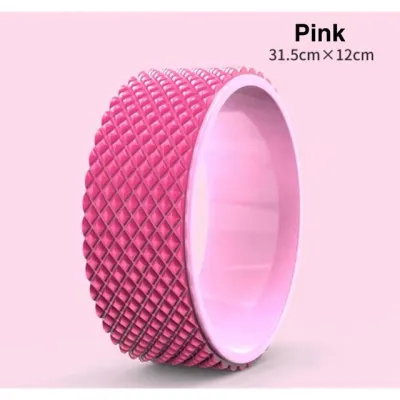
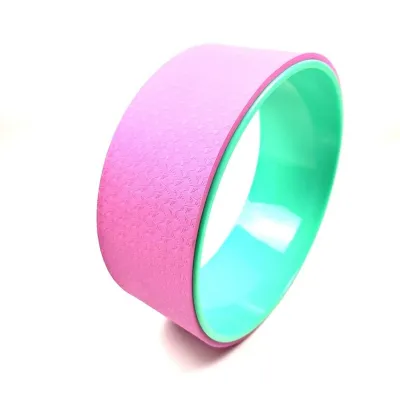
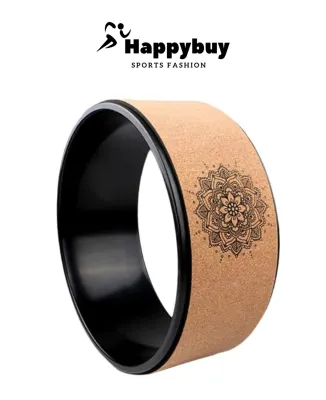
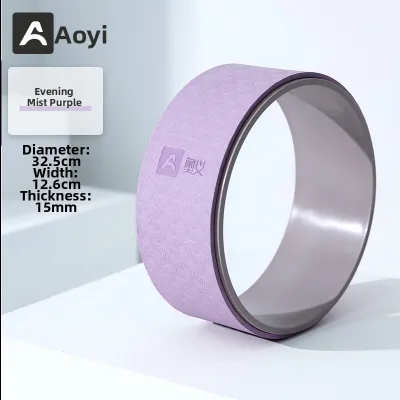
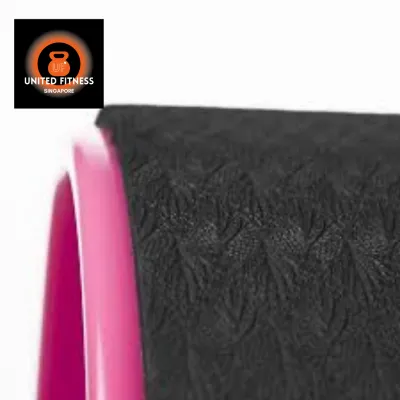
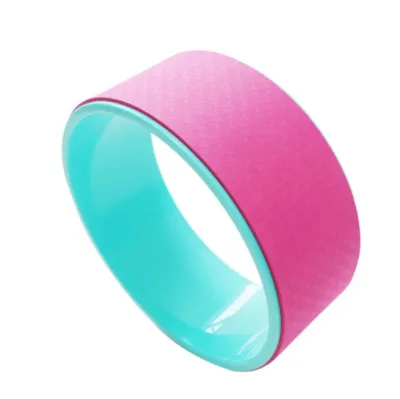
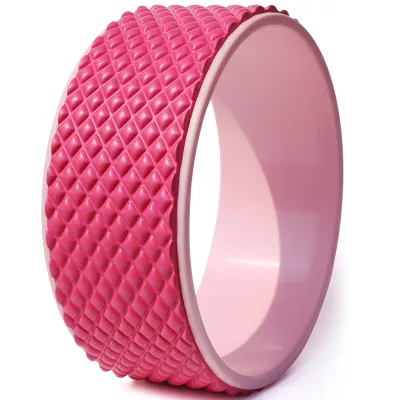
Prices are valid at publication and may change. Please refer to the product page for the latest price.
Understanding Yoga Wheel Dimensions for Beginners
The physical dimensions of a yoga wheel—specifically its diameter and width—directly dictate how it interacts with your body and how stable it feels during exercises. Standard yoga wheels typically feature a diameter of approximately 12 inches (around 30 cm). This size is widely considered the benchmark for adult practitioners because it matches the natural curvature of an average adult spine, allowing for a comfortable extension during backbends.
For beginners, the wheel’s diameter determines the intensity of the stretch and the difficulty of balancing. A standard 12-inch wheel provides a moderate arch that is highly effective for chest opening and spinal extension. However, if you have limited flexibility or a shorter torso, a 12-inch wheel might feel too tall or intense initially. In such cases, a medium wheel with a 10-inch (25 cm) diameter offers a gentler, more accessible curve. Conversely, micro wheels measuring around 6 inches (15 cm) are designed for targeted myofascial release in the neck or calves rather than full spinal extension, making them less suitable as a primary wheel for beginners.
Width is another critical dimension that directly influences lateral stability. Most standard wheels are approximately 5 inches (13 cm) wide. This width is sufficient to support the spine while allowing the shoulder blades to drop comfortably on either side. In Pilates, where dynamic rolling exercises and core stability movements are common, a slightly wider wheel can provide a more stable platform, reducing the risk of the wheel tipping sideways.
Before purchasing, always check the manufacturer’s specifications to match the wheel’s curve to your spinal length and height. Taller individuals (above 175 cm) generally find the standard 12-inch wheel comfortable, while shorter individuals or those with highly rigid spines may prefer a smaller diameter to avoid overextending. Ensuring the wheel’s dimensions align with your body proportions is the first step toward a safe and rewarding practice.
Evaluating Surface Grip and Material Safety
The outer surface of a yoga wheel is your direct point of contact, making grip and material safety paramount. During a vigorous yoga flow or a challenging Pilates sequence, your hands, feet, or back will press firmly against the wheel. If the surface becomes slippery due to sweat, you risk losing control and slipping, which can lead to muscle strain or joint injury.

Common outer materials include cork, Thermoplastic Elastomer (TPE), and synthetic leather (such as polyurethane or PU). Cork is a highly popular natural option; it offers an excellent dry grip that actually improves as it absorbs minor moisture, and it possesses natural antimicrobial properties. TPE is a lightweight, synthetic alternative that features textured patterns to maximize traction. It is highly durable, hypoallergenic, and easy to clean, making it an excellent choice for beginners. Synthetic leather surfaces offer a sleek aesthetic but can become slippery when wet unless they are specifically textured or treated with a non-slip coating.
When evaluating different options, look for verified non-slip claims and material safety certifications on product labels. Certifications such as OEKO-TEX or RoHS indicate that the materials have been tested for harmful substances and are safe for direct skin contact. This is particularly important because your bare skin will frequently press against the wheel during deep stretches.
Additionally, consider the cleaning and maintenance requirements of each material. Cork wheels require gentle care, typically needing only a wipe-down with a damp cloth, and they must never be submerged in water. TPE and synthetic leather wheels are more resilient and can handle mild, non-abrasive soapy water, making them highly hygienic for regular use. Choosing a material that matches your sweat levels and maintenance preferences ensures your wheel remains clean, safe, and grippy over time.
Assessing Core Cushioning and Spinal Support
While the outer surface provides grip, the inner core and padding thickness determine how comfortable and supportive the wheel feels against your bones. The spine consists of sensitive bony protrusions called spinous processes. Rolling your spine directly over a hard, unpadded surface can cause bruising, discomfort, and muscle guarding, which defeats the purpose of the exercise.
High-quality yoga wheels feature an inner core made of rigid materials like Acrylonitrile Butadiene Styrene (ABS) plastic or wood, wrapped in an outer layer of high-density foam padding. ABS plastic is the industry standard for cores because it is incredibly strong, lightweight, and resistant to flexing under heavy loads. Wood cores offer a premium, aesthetic appeal and extreme rigidity, but they are heavier and offer absolutely no flex. Avoid cheap polypropylene (PP) cores, as they can bend or warp under body weight, compromising your stability.
The thickness of the outer padding typically ranges from 4mm to 8mm. For beginners, thicker padding (around 6mm to 8mm) is highly recommended. This extra cushioning distributes your body weight more evenly across the wheel, reducing direct pressure on the spine and making backbends significantly more comfortable. Thinner padding (4mm or less) is better suited for experienced practitioners who are accustomed to the pressure or prefer a firmer, more direct feel.
Before using any wheel, it is vital to locate and verify the manufacturer’s stated weight capacity and structural limits. A reliable wheel should easily support at least 150 kg (approximately 330 lbs), with some high-end ABS cores rated up to 250 kg or more. Verifying this specification ensures the wheel will not crack or collapse under your weight, providing peace of mind as you relax into deep extensions. Additionally, unless the manufacturer’s documentation explicitly certifies a standable surface or combination compatibility, do not stand fully on top of the wheel, anchor resistance bands to it, or combine it with other unstable fitness apparatuses.
Matching the Wheel to Your Practice: Yoga vs. Pilates
Although yoga and Pilates share some similarities, they utilize the yoga wheel in distinct ways. Understanding these differences allows you to prioritize the specific features that will benefit your primary discipline.
In yoga, the wheel is predominantly used as a passive support tool. Practitioners drape their backs over the wheel to open the chest, shoulders, and hip flexors, holding these poses for extended periods. For this application, comfort is the top priority. You should look for a wheel with deeper, high-density cushioning (at least 6mm of TPE or cork) and a standard 12-inch diameter that matches the natural curve of your spine. The goal is to allow your muscles to relax completely over the wheel without feeling sharp pressure points.
In Pilates, the wheel is often used as a dynamic stability tool. You might place your hands or feet on the wheel to perform planks, lunges, or core roll-outs, or use it to guide your alignment during rolling exercises. This requires a wheel that prioritizes structural firmness, lateral stability, and a highly reliable grip. A slightly wider wheel (around 5 to 6 inches) can prevent tipping during dynamic movements. Furthermore, the core must be exceptionally rigid (such as high-grade ABS) to ensure it does not flex or compress when you apply localized pressure with your limbs.
If you plan to practice both disciplines, a standard 12-inch wheel with a rigid ABS core and a 6mm TPE or cork outer layer offers the most versatile compromise. It provides the necessary cushioning for passive yoga stretches while maintaining the structural integrity and grip required for dynamic Pilates exercises.
Where to Buy and What to Verify Before Checkout
When you are ready to purchase your first yoga wheel, shopping through reputable fitness retailers or established online marketplaces is highly recommended. However, because fitness equipment is a long-term investment in your physical safety, you must perform several checks before finalizing your purchase.
First, carefully review the seller’s return and exchange policies. Many retailers enforce strict hygiene restrictions on fitness equipment, meaning they will not accept returns once the protective plastic wrap has been removed from the wheel. Ensure you understand these terms, especially if you want the option to return the wheel if it does not match your height or comfort expectations upon arrival.
Second, verify the authenticity of the seller and read user reviews specifically looking for feedback on structural durability. Pay close attention to reviews that mention seam separation, cracking noises during use, or the outer padding peeling away from the inner core. These are common signs of poor manufacturing quality and adhesive failure, which can pose a safety risk during practice.
Finally, perform a thorough physical inspection immediately upon delivery. Check the seam where the outer padding meets; it should be perfectly flush and tightly bonded without any lifting edges. Inspect the inner core for any hairline cracks, uneven plastic molding, or misalignment. If you notice any structural defects, do not use the wheel; contact the manufacturer or seller immediately for a replacement. Taking these precautions ensures that your first yoga wheel is a safe, durable, and effective partner in your wellness journey.
Frequently Asked Questions (FAQ)
Can I use a yoga wheel if I have lower back pain?
If you are experiencing lower back pain, you must consult a qualified healthcare professional or physical therapist before using a yoga wheel. While a wheel can help relieve muscle tension in the upper and middle back, it can exacerbate lower back issues if used incorrectly. The lumbar spine is naturally highly mobile and sensitive to overextension; forcing it over a rigid wheel can strain muscles or compress spinal discs. During use, always pay close attention to your body’s signals. If you experience warning signs such as sharp pain, numbness, tingling, or radiating discomfort down your legs, stop using the wheel immediately. For a gentler, more supportive alternative, consider using soft props like yoga bolsters, rolled-up blankets, or foam blocks, which allow you to control the height and firmness of the support without putting intense pressure on your lower back.
How do I clean and maintain my yoga wheel?
Proper cleaning and maintenance are essential to keep your yoga wheel hygienic and prolong its lifespan. To clean the outer surface, use a mild, non-abrasive cleaner suitable for the specific material. For TPE or synthetic leather, a simple solution of water with a few drops of mild dish soap applied with a soft, damp cloth works perfectly. For cork wheels, use only a damp cloth with plain water, as harsh soaps can degrade the natural cork fibers. Avoid using alcohol-based wipes, bleach, or abrasive scrubbing pads, as these can dry out the materials and cause the adhesive bonding the pad to the core to peel. After cleaning, allow the wheel to air dry completely in a well-ventilated area. Always store your yoga wheel away from direct sunlight and extreme heat, such as inside a hot car or near a radiator, as prolonged heat exposure can warp the plastic core and degrade the outer padding.
Community discussion
Share your experience or ask a question. Comments are reviewed before publication.