
Quick Answer: Which Repair Stand Mounting Style Do You Need?
Choosing a bicycle repair stand is not just about convenience; it is a critical decision to protect your bicycle’s frame and components from accidental damage. The choice between a clamp-style and an axle-mount stand depends almost entirely on your bike’s frame material, tube shapes, and suspension design.
Clamp-style stands are the versatile, cost-effective standard for most aluminum, steel, and standard round-tube bikes. They allow you to mount the bike in seconds without removing a wheel, making them ideal for quick adjustments and routine drivetrain maintenance.
Axle-mount stands are essential for protecting delicate carbon fiber frames, accommodating aerodynamic teardrop tubes, and safely holding complex full-suspension mountain bikes. By securing the bike by its structural axle dropouts, these stands eliminate the risk of crushing fragile tubes or damaging sensitive dropper seatposts.
Products mentioned in this guide
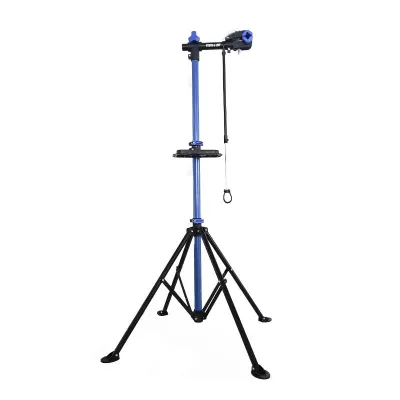
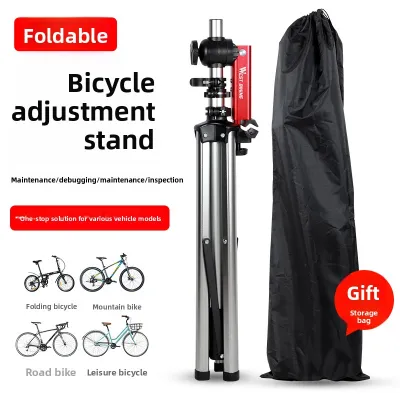
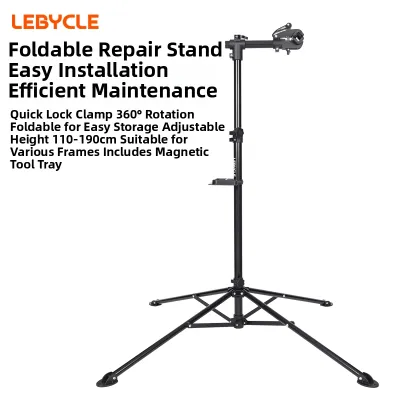
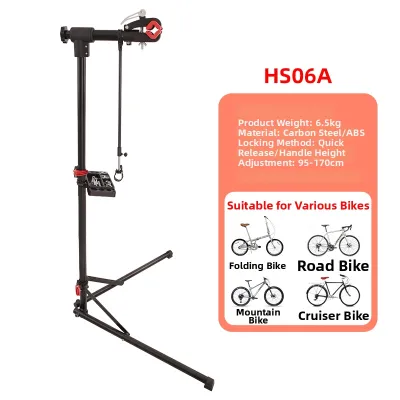
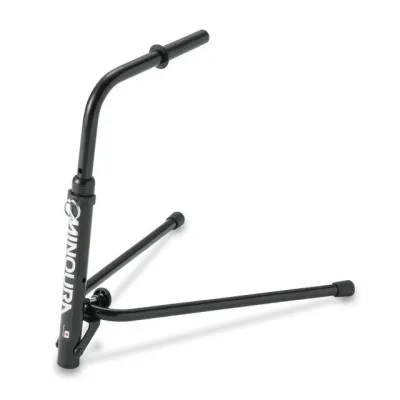
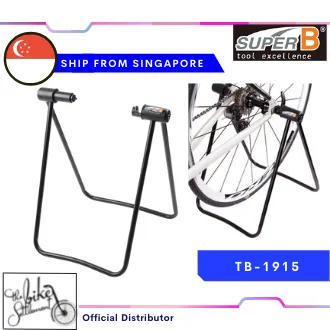
Prices are valid at publication and may change. Please refer to the product page for the latest price.
Matching the mounting style to your bike’s specific architecture ensures safe, stable, and damage-free maintenance. The rest of this guide will break down the physical mechanics, frame compatibility, and workflow trade-offs of both options to help you select the perfect stand for your home workshop.
Understanding the Mechanics: Clamp vs Axle Mounting
Clamp-Style (Seatpost or Top Tube)
Clamp-style repair stands feature an adjustable jaw lined with soft rubber or elastomer pads. This jaw clamps around a cylindrical portion of the bike—typically the seatpost or, on older steel frames, the top tube. By gripping this single point, the stand suspends the entire weight of the bicycle in mid-air, leaving both wheels free to spin and the drivetrain fully accessible.

Modern clamp-style stands utilize micro-adjustable clamping heads. These systems allow the mechanic to fine-tune the pressure applied to the tube, preventing over-tightening while ensuring the bike does not slip. Quick-release levers or fast-spinning cranks are common features that facilitate rapid mounting and dismounting.
Because the bike is suspended from a single, off-center point, the stand must counteract significant rotational leverage. This requires a robust, heavy-duty clamp head and a wide tripod or steel plate base to prevent the stand from tipping over. The clamping force must also be carefully regulated; too little force allows the bike to slide and rotate unexpectedly, while too much force can crush the tube.
Axle-Mount (Thru-Axle or Quick Release)
Axle-mount stands, also known as fork-mount or sprint-style stands, operate on a structural three-point contact design. Instead of squeezing a frame tube, this stand requires you to remove one wheel—usually the front—and secure the fork dropouts directly to a horizontal mounting beam.
The bike’s axle passes through the fork dropouts and a dedicated adapter sleeve on the stand, locking the front end securely in place. The bottom bracket shell of the frame rests on a padded, height-adjustable cradle on the beam, and a quick-release strap often secures the down tube or bottom bracket area to prevent lateral movement.
This mechanical configuration distributes the bike’s weight across its strongest structural hardpoints: the axle dropouts and the bottom bracket junction. Because the clamping force is applied longitudinally through the metal or carbon dropouts—exactly how the bike is engineered to handle riding loads—there is zero risk of crushing thin-walled tubing. The horizontal beam can also rotate 360 degrees on the stand’s vertical column, allowing the mechanic to spin the entire bike to access different sides without moving.
Frame Compatibility: Protecting Carbon, Aero, and Full-Suspension Bikes
Carbon Fiber Risks
Carbon fiber reinforced polymer is renowned for its exceptional strength-to-weight ratio, but this strength is highly directional. Carbon tubes are engineered to withstand the specific tensile and compressive forces encountered while riding, such as vertical compliance and lateral stiffness. They are not designed to withstand high radial, crushing forces applied to the middle of a tube.
Clamping a carbon fiber top tube or seat tube directly in a clamp-style stand can cause immediate, catastrophic structural failure. The localized compressive force can crack the epoxy matrix or delaminate the carbon layers, rendering the frame unsafe to ride.
If you must use a clamp-style stand on a carbon bike, you must clamp only the seatpost, and only if the seatpost is made of aluminum or is a round carbon post approved for clamping by the manufacturer. Always clean the seatpost and clamp jaws thoroughly to prevent grit from scratching the surface, and use a micro-adjustable clamp head to apply the absolute minimum force required to hold the bike. If you detect any hairline cracks, soft spots, or unusual creaking, stop using the stand immediately and have the frame inspected by a qualified professional.
Aerodynamic Tube Shapes
Modern aerodynamic road, time-trial, and triathlon bikes utilize highly non-round tube profiles designed to reduce wind resistance. These include teardrop shapes, truncated airfoils, and proprietary ovalized geometries.
Standard clamp-style jaws are designed to grip round tubes. When forced onto an aerodynamic seatpost, the jaws only make contact at a few localized points rather than distributing the pressure evenly. This mismatch leads to poor grip, causing the bike to twist or slip during maintenance.
Increasing the clamping force to prevent this slippage dramatically increases the risk of crushing the aero post. Axle-mount stands completely bypass this geometric limitation. Because they secure the bike via the universal wheel axle dropouts and support the bottom bracket from underneath, they are completely indifferent to the shape of your seatpost or frame tubes.
Full-Suspension and Dropper Posts
Mountain bikes, particularly full-suspension models, introduce complex mechanical elements that clash with clamp-style stands. The rear shock, pivot linkages, and routing for suspension lockouts often occupy the space where a clamp would traditionally grip the top tube or seat tube.
Additionally, dropper seatposts are now standard equipment on most mountain bikes. Dropper posts utilize highly sensitive internal hydraulic cartridges and precision-ground sliding stanchions. Clamping the sliding stanchion of a dropper post in a repair stand can scratch the anodized coating, damage the internal seals, introduce lateral play into the brass keys, or bend the cartridge under the leverage of the bike’s weight.
While some dropper post manufacturers allow clamping on the lower, stationary outer collar, this section is often too short or sits too low in the frame to be accessible. Clamping a dropper post incorrectly can void its warranty and lead to expensive repairs. An axle-mount stand avoids these hazards entirely, keeping all clamping forces away from sensitive suspension components and dropper stanchions.
Frame Compatibility Comparison
| Frame Type / Material | Recommended Stand Style | Key Precautions |
|---|---|---|
| Aluminum/Steel (Round Tubes) | Clamp-Style | Ensure the clamping surface is clean; avoid pinching external cables or hydraulic lines against the frame. |
| Carbon Fiber (Round Tubes) | Axle-Mount (Highly Recommended) or Clamp-Style | Never clamp thin-walled frame tubes; clamp only on a clean, robust seatpost with a micro-adjustable, torque-limiting clamp. |
| Carbon/Aero (Shaped Tubes) | Axle-Mount | Use the correct axle adapters for your frame; secure the bottom bracket cradle firmly to prevent lateral slipping. |
| Full-Suspension (Complex Linkages) | Axle-Mount | Avoid clamping dropper posts; verify weight distribution and clear any under-frame linkage guards before resting on the bottom bracket cradle. |
Matching the Stand to Your Maintenance Tasks
Drivetrain Tuning
Drivetrain maintenance, such as indexing gears, replacing shift cables, and adjusting derailleur limit screws, requires the rear wheel to spin freely while the chain is under tension.
Clamp-style stands are exceptionally convenient for these tasks. Because the bike is suspended by its seatpost, both wheels remain installed. You can easily spin the pedals with one hand and adjust the derailleur barrel adjusters with the other, simulating real riding conditions.
In contrast, axle-mount stands require the removal of a wheel. If you mount the bike by the rear axle, you cannot spin the rear wheel to tune the gears. To tune the drivetrain on an axle-mount stand, you must mount the bike by the front fork, leaving the rear wheel installed. Alternatively, if you must mount by the rear axle, you must install a specialized dummy hub or chain-keeper accessory to keep the chain under tension, which adds complexity to what should be a simple adjustment.
Bike Washing and Detailing
In tropical climates like Singapore, high humidity, sudden rainstorms, and grit from the Park Connector Network (PCN) can quickly coat a bike’s drivetrain in abrasive grime. Regular washing is essential to prevent premature component wear.
Axle-mount stands are the gold standard for deep cleaning and detailing. Because the stand supports the bike from the bottom bracket and axles, the entire frame is completely unobstructed. There are no bulky clamp arms blocking your sponge or brush, allowing you to clean the underside of the down tube and bottom bracket shell with ease.
Furthermore, axle-mount stands typically allow the horizontal beam to rotate 360 degrees. This means you can stand in one spot with your hose and bucket and simply spin the bike to wash the opposite side. The lack of exposed spring-loaded clamp mechanisms also means there are fewer metal joints where water can pool and cause rust.
Brake Bleeding and Suspension Service
Servicing hydraulic disc brakes or performing suspension fork lower-leg services often requires holding the bike at specific, non-standard angles. For example, during a brake bleed, the brake lever reservoir must be positioned horizontally to allow air bubbles to rise and escape.
Clamp-style stands excel at angle adjustment. By loosening the main rotation collar on the clamp head, you can tilt the bike heavily upward or downward and lock it securely in place. This flexibility allows you to position the handlebars or caliper at the optimal angle for gravity-assisted bleeding.
Axle-mount stands, while highly stable, offer limited tilt adjustment. The horizontal beam is usually fixed or has a very narrow range of tilt, which can make certain hydraulic brake bleeding or suspension fluid oil changes more challenging.
Wheel Removal
A major workflow difference is the requirement of wheel removal. For quick, routine maintenance—such as wiping down the chain, applying chain lube, checking tire pressure, or adjusting a rubbing brake caliper—having to remove a wheel to mount the bike on an axle-mount stand is a significant inconvenience.
A clamp-style stand allows you to lift the bike and clamp it in place in a matter of seconds without removing any components. If your maintenance routine consists primarily of quick pre-ride checks and minor adjustments, the speed and convenience of a clamp-style stand are unmatched.
The Final Verdict: How to Choose Your Bicycle Repair Stand
Choose Clamp-Style if:
- Standard Frame Materials: Your fleet consists of aluminum, steel, or titanium bikes with standard round tubes.
- Convenience and Speed: You want to perform quick pre-ride inspections, chain lubing, and tire pressure checks without the hassle of removing a wheel.
- Drivetrain Tuning Focus: Your primary maintenance tasks involve gear indexing and derailleur adjustments where having the rear wheel installed is highly beneficial.
- Budget Considerations: You want a highly versatile stand that offers excellent value for money without requiring expensive proprietary adapters.
Choose Axle-Mount if:
- High-End Carbon and Aero Frames: You ride modern carbon fiber road, time-trial, or gravel bikes with aerodynamic, non-round seatposts or delicate frame tubes.
- Dropper Posts and Full-Suspension: You own a full-suspension mountain bike with a dropper seatpost, where clamping zones are limited or completely absent.
- Deep Cleaning and Detailing: You prioritize thorough bike washes and detailing, appreciating 360-degree rotation and unobstructed access to the entire frame.
- Maximum Stability: You perform heavy-duty wrenching, such as bottom bracket removal or high-torque bolt adjustments, where a dual-point mounting system provides superior stability.
Verify first if:
- Axle Compatibility: Check if your bike uses non-standard thru-axle dimensions (such as Boost 110x15mm, Super Boost 157x12mm, or proprietary road disc standards) and verify that the repair stand includes or supports the correct adapters.
- Weight Capacity: If you ride a heavy electric bike (e-bike), verify the stand's maximum weight rating. E-bikes often exceed 20kg, which can overload lightweight folding stands. Always remove the e-bike battery before mounting to reduce weight and lower the center of gravity.
- Manufacturer Guidelines: Always consult your bicycle's user manual for explicit instructions regarding clamping zones and torque limits to avoid voiding your warranty.
Hybrid Solutions
For cyclists who own a diverse fleet—such as a carbon aero road bike and an aluminum commuter—hybrid repair stands or interchangeable heads offer the ultimate solution. Some premium stands allow you to swap out the clamp head for an axle-mount beam on the same tripod base, providing the best of both worlds as your bike collection evolves.
Frequently Asked Questions (FAQ)
Can I use a clamp-style stand on a carbon seatpost?
Yes, but only with extreme caution and under specific conditions. You must first verify that the seatpost manufacturer explicitly permits clamping. If allowed, always wipe the seatpost and the clamp’s rubber jaws completely clean; any trapped grit can act as an abrasive and scratch the carbon structure.
Use a stand with a micro-adjustable clamp head rather than a hard-snapping quick-release lever, and apply only the minimum pressure necessary to hold the bike. If your carbon seatpost is aerodynamic or proprietary in shape, a clamp-style stand should not be used, and you should opt for an axle-mount stand instead.
Do axle-mount stands work with all thru-axle sizes?
Not out of the box. Modern bicycles use a wide variety of axle standards, including traditional 9mm quick-release skewers, 12x100mm road disc axles, 15x100mm gravel/road axles, and 15x110mm Boost mountain bike axles. While most premium axle-mount stands include a selection of interchangeable plastic or aluminum adapter sleeves, you must verify that the stand is compatible with your specific bike’s axle dimensions.
If your bike uses a proprietary thread pitch or an uncommon axle standard, you may need to purchase separate, brand-specific adapters from the repair stand manufacturer before you can safely mount your bike.
Which repair stand is better for small apartments?
For cyclists living in space-constrained urban environments, such as typical HDB flats or apartments in Singapore, the storage footprint and folding mechanism are critical factors. Clamp-style stands generally offer a simpler, more compact folding design, allowing them to be tucked away in a closet or behind a door when not in use.
However, when unfolded, their tripod legs must extend wide (often over 1 meter) to provide stability, which can consume significant living room space. Axle-mount stands sometimes have a slightly narrower base footprint because the bike’s weight is centered directly over the vertical column rather than hanging off to the side, making them highly stable even in tighter spaces. If floor space is at an absolute premium, look for a clamp-style stand with a highly compact two-leg folding design, but ensure you have enough clearance to rotate the bike’s handlebars without hitting walls.
Community discussion
Share your experience or ask a question. Comments are reviewed before publication.