
Direct Answer: Navigating Chalk Bag Brand Claims
When evaluating climbing chalk bags, safety and durability depend on matching the bag’s closure system, materials, and attachment hardware to your specific climbing discipline, rather than relying on a single brand name. Unlike harnesses, ropes, or carabiners, chalk bags are not load-bearing equipment and do not carry official life-safety certifications from organizations like the UIAA (International Climbing and Mountaineering Federation) or the CE (European Conformity).
In the context of climbing accessories, safety refers to preventing accidental chalk spills that can slick up handholds or blind a belayer below, as well as ensuring the bag remains securely attached to your body during dynamic movements. Durability is defined by observable construction traits, such as high-denier outer fabrics that resist abrasion against rough rock walls, reinforced stitching at high-stress connection points, and robust hardware that withstands repeated use. By focusing on these physical specifications, you can identify a reliable product regardless of the brand logo on the front.
Core Dimensions for Evaluating Safety and Durability
To make an informed choice, you must look past marketing claims and evaluate the specific design elements that dictate how a chalk bag performs over years of regular use. Examining these core dimensions allows you to assess any bag’s quality before taking it to the gym or the crag.
Products mentioned in this guide
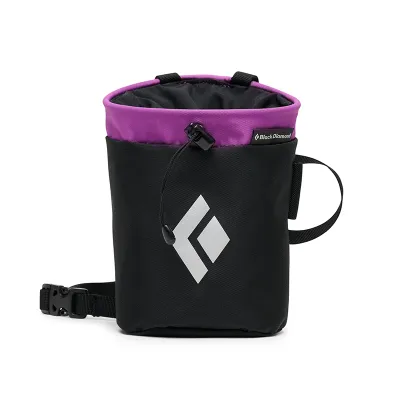
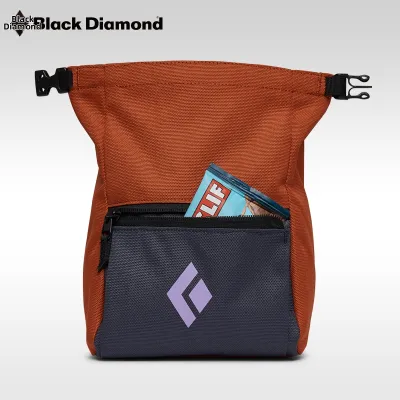
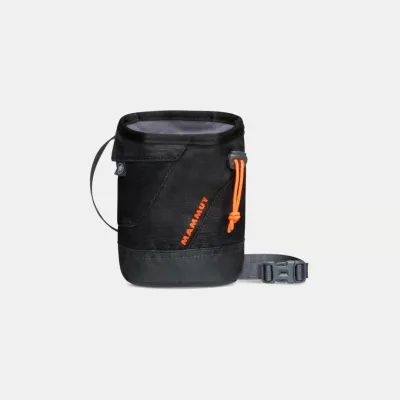
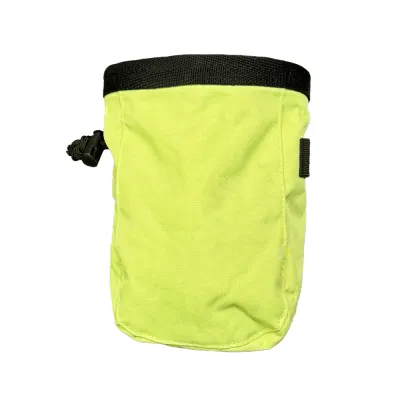
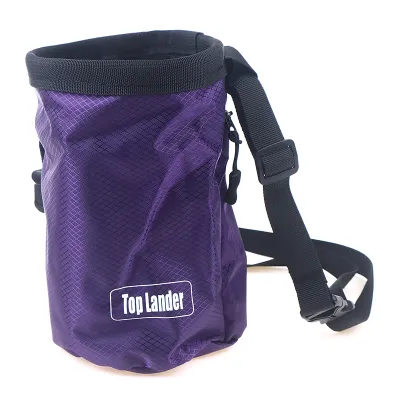
![[SG FREE ] Rock Climbing Chalk Bag Pouch Outdoor Sport Non-slip Pet Training Snack Waist Bag](https://img.lazcdn.com/g/p/6bc34167674272f2efcc164826b77276.jpg_400x400q80.jpg_.webp)
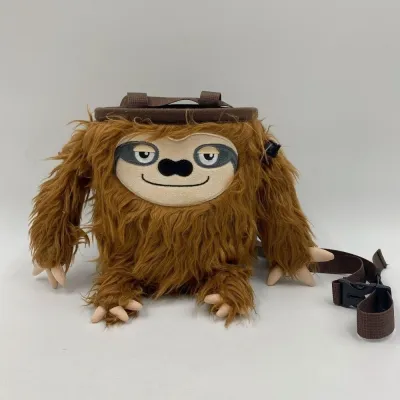
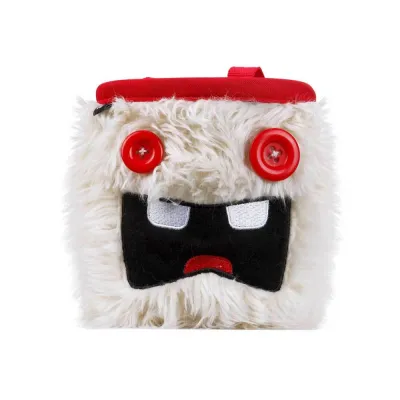
Prices are valid at publication and may change. Please refer to the product page for the latest price.

Closure Systems
The primary function of a closure system is to keep your chalk inside the bag when you are not using it. The classic drawstring closure remains the most common design, utilizing a cord that runs through a fabric channel and secures with a spring-loaded plastic toggle. A high-quality drawstring system should slide smoothly without binding and seal the top opening completely, leaving no gap for fine dust to escape during transport.
Some modern designs incorporate magnetic seals along the rim, which snap shut automatically to prevent spills between climbs. While highly convenient for quick access, magnetic closures can lose their effectiveness if chalk dust accumulates along the sealing strip, requiring regular cleaning to maintain a tight seal. Roll-top closures, similar to those found on dry bags, are increasingly popular for larger bags and buckets; they offer the most secure, airtight seal when buckled, making them ideal for transport in a packed gear duffel.
Material Construction
A chalk bag’s lifespan is directly tied to its fabrics. The outer shell must endure constant scraping against abrasive rock surfaces like granite, limestone, or rough sandstone, as well as the textured walls of indoor climbing gyms. Look for heavy-duty outer materials such as Cordura nylon, high-denier polyester (typically 600D or higher), or reinforced ripstop fabrics. These materials resist tearing and puncturing when dragged against rock features.
Inside the bag, the lining plays a crucial role in chalk management. A high-pile fleece lining is the industry standard because it traps fine chalk dust and helps distribute it evenly across your fingers when you dip your hand inside. The lining should be securely stitched to the outer shell at multiple points; loose linings can pull outward when you extract your hand, causing chalk to spill and disrupting your climbing rhythm.
Attachment Hardware
How the bag connects to your waist or harness determines its security during a climb. Most waist-mounted bags feature fabric loops through which a webbing belt is threaded. Inspect the quality of these loops; they should be wide enough to accommodate standard belts and made from thick, abrasion-resistant webbing.
If you prefer to clip your bag directly to your harness using a carabiner, the attachment loop must be exceptionally strong. The plastic buckles on the included waist belts should feel solid and snap together with a distinct, firm click. Flimsy, thin plastic buckles are prone to cracking if stepped on at the base of the wall or compressed inside a heavy gear bag.
Seam and Stitching Quality
The seams are often the first point of failure on a heavily used chalk bag. High-stress areas—specifically where the attachment loops meet the main body and around the stiffened rim—require reinforced stitching. Look for bar-tacking, which is a series of tight, zigzag stitches designed to distribute force and prevent fabric separation under tension. Double-stitched seams along the base and sides of the bag ensure that fine chalk particles cannot seep through the thread holes over time.
Comparing Chalk Bag Designs by Climbing Discipline
Different climbing styles place unique demands on your gear. Selecting a chalk bag designed specifically for your primary discipline ensures optimal functionality, convenience, and longevity.
Bouldering Chalk Buckets
Bouldering focus shifts the design from wearable bags to ground-based storage. Bouldering chalk buckets feature a much larger volume to accommodate two-handed chalking and are meant to sit on the gym floor or outdoor crash pads.
- Stability: A quality bouldering bucket must have a wide, stable base—often weighted or stiffened—to prevent it from tipping over when placed on uneven ground or soft mats.
- Rims and Openings: The rim should be highly rigid, staying wide open so you can easily prep your hands before a burn.
- Storage and Brush Holders: Look for durable, elastic brush loops and zippered pockets that keep your climbing tape, sandpaper, and keys secure and dust-free.
Sport and Trad Chalk Bags
When climbing routes high off the ground, you need a bag that is worn on your waist. These bags must balance accessibility with a streamlined profile to avoid interfering with your gear or movement.
- Profile and Shape: Sport and trad bags are typically tapered or cylindrical. A tapered shape keeps the bag close to your body, reducing the risk of it snagging on quickdraws, cams, or sharp rock protrusions.
- Stiffened Rims: The opening must feature a rigid plastic insert or piping that keeps the mouth of the bag open. This allows you to reach back and dip your hand in blindly mid-climb without fighting collapsed fabric.
- Access Angle: Many route-specific bags are designed with an ergonomic, slightly tilted rim, making hand entry more natural when reaching behind your back.
Specialized Environments
Climbing in extreme or unique conditions requires specialized material solutions to protect your chalk from the elements.
- Humid and Tropical Climates: In high-humidity environments, such as indoor gyms or outdoor crags in Singapore, moisture can quickly turn dry chalk into a useless, clumpy paste. For these conditions, look for bags featuring water-resistant outer shells and quick-drying synthetic linings that do not hold onto atmospheric moisture.
- Deep Water Soloing (DWS): Climbing over water means your bag will inevitably get wet. Specialized DWS chalk bags utilize non-absorbent, quick-drying mesh or TPU-coated fabrics that drain water instantly and dry rapidly in the sun, allowing you to reuse the bag quickly once dry.
- Alpine Climbing: Alpine environments demand weather resistance. Bags designed for mountaineering often feature waterproof outer fabrics and zippered, weather-sealed closures to protect your chalk from snow, spindrift, and rain.
How to Verify Brand Reliability and Construction Quality
Because you cannot rely solely on brand reputation or marketing buzz, you must know how to independently verify the quality and reliability of a chalk bag before making a purchase.
Analyze Warranty and Repair Programs
A manufacturer’s warranty policy is a strong indicator of how long they expect their gear to last. Reputable climbing brands often offer limited lifetime warranties that cover defects in materials and workmanship. Brands that stand behind their products will typically offer to repair or replace a bag if a seam splits or a buckle breaks under normal use. Prioritize brands that publish clear, accessible warranty terms on their official websites.
Research Long-Term User Feedback
To identify potential design flaws, look for long-term reviews from active climbers on dedicated forums, community groups, or gear archive sites. Avoid short-term reviews written immediately after purchase. Instead, search for feedback from users who have climbed with the bag for six months or more. Look for recurring complaints regarding specific failure points, such as:
- Drawstrings that fray or snap after repeated pulling.
- Plastic cord locks that lose their spring tension, causing the bag to drift open.
- Inner fleece linings that tear away from the rim stitching.
- Outer fabrics that wear through quickly at the bottom corners.
- Plastic waist buckles that crack easily in cold weather.
- Roll-top buckles that slip under tension.
Check Material Sourcing and Specifications
Reliable manufacturers are transparent about the exact materials used in their products. Look for detailed product specifications that list the fabric type and denier rating (e.g., “840D ballistic nylon”). Brands that use certified sustainable materials, such as bluesign® approved fabrics or recycled nylon, often adhere to stricter quality control and manufacturing standards, which frequently translates to better overall product durability.
Perform a Physical Inspection
If you are purchasing from a local specialty climbing shop, take a few minutes to physically inspect the bag. Pull the drawstring tight and squeeze the body of the bag; a well-designed closure should minimize the amount of air and dust that escapes. Feel the stiffness of the rim to ensure it will not collapse under light pressure. Examine the stitching inside and out, looking for any loose threads, uneven seams, or weak points where the belt loops attach.
Decision Framework: Choosing Your Chalk Bag
To select the right chalk bag for your needs, follow this step-by-step decision framework based on your primary climbing style and verified physical requirements.
- Identify Your Primary Discipline:
- If you primarily boulder and prefer to keep your gear on the ground, choose a large-capacity bouldering bucket with a wide, stable base, a secure roll-top closure, and dedicated brush slots.
- If you climb sport or trad routes, select a lightweight, waist-mounted chalk bag with a stiffened, ergonomic rim that allows for easy, one-handed access while climbing.
- Assess Your Climbing Environment:
- For humid climates or outdoor crags prone to sudden weather changes, prioritize bags with water-resistant outer shells and quick-drying synthetic linings.
- For deep water soloing, select a specialized mesh or TPU-coated bag designed to drain water instantly.
- Verify the Closure and Hardware:
- Ensure the drawstring closes the bag completely with no visible gaps, or that the roll-top buckle snaps securely.
- Check that the attachment loops are reinforced with bar-tack stitching and that the waist belt buckle feels robust.
- Know When to Walk Away:
- Do not purchase a bag if the plastic rim stiffener feels flimsy or warped, the stitching around the attachment loops appears thin or single-layered, or the inner lining pulls out easily when you mimic taking your hand out of the bag. These are clear indicators of poor construction that will likely fail early in the bag's lifespan.
Frequently Asked Questions (FAQ)
How do I clean and maintain my chalk bag to extend its lifespan?
To maintain your chalk bag’s material integrity, start by emptying all remaining chalk into a storage container. Use a soft-bristled brush to gently sweep away packed chalk dust from the inner fleece lining, the drawstring track, and the outer seams. Check the manufacturer’s care label before washing; while many synthetic bags can be hand-washed in cold water with a mild, residue-free soap, you should avoid machine washing if the bag has a rigid plastic rim that could warp in the machine cycle. Never use fabric softeners or bleach, as these can degrade synthetic fibers and water-resistant coatings. Always air-dry the bag completely in a well-ventilated, shaded area before refilling it, as trapping moisture inside can lead to mold growth and fabric degradation.
Can a poorly designed chalk bag cause climbing accidents?
While a chalk bag is not a piece of life-safety equipment, a poorly designed or failing bag can indirectly create hazardous situations on the wall. A sudden chalk spill from an insecure closure or a torn seam can coat nearby handholds, making them dangerously slick for you and subsequent climbers. Additionally, if a bulky, poorly secured bag snags on a quickdraw, bolt hanger, or sharp rock edge mid-move, it can disrupt your balance and cause an unexpected fall. Finally, struggling with a collapsed rim or a jammed drawstring during a difficult sequence can cause unnecessary fatigue and distraction when your focus should be entirely on making your next move safely.
Community discussion
Share your experience or ask a question. Comments are reviewed before publication.