
Quick Answer: Maximizing Space for Fitness Gear in HDB Flats
Standard HDB flats require smart space management, making it essential to distinguish between static storage footprint and dynamic operational clearance. While static footprint refers to where an item sits when folded or stored, dynamic clearance is the actual open space you need to perform exercises safely without hitting walls or furniture.
To maximize your workout area without cluttering your home, focus on highly versatile, low-profile equipment categories. Foldable cardio machines, wall-mounted resistance systems, and multi-functional tools like a compact boby device or adjustable dumbbells offer the best space-to-utility ratio. Before purchasing any gear, always verify your specific HDB constraints, including ceiling height clearances for overhead movements and floor load limits for heavier setups.
Assessing Your HDB Floor Plan and Operational Clearances
Before purchasing any fitness equipment, grab a measuring tape and map out your intended workout zone. Do not rely solely on the product’s listed dimensions, as these only represent the machine in a static state. You must calculate the dynamic operational clearance, which accounts for your body’s movement, including your full arm span during lateral raises or your stride length on a cardio machine.
Products mentioned in this guide
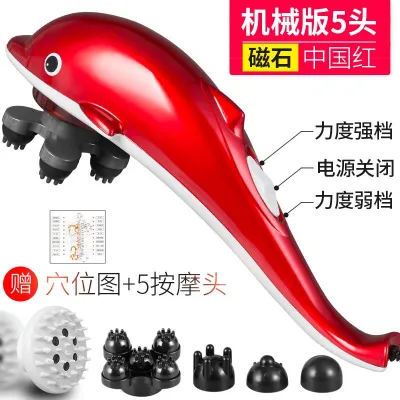
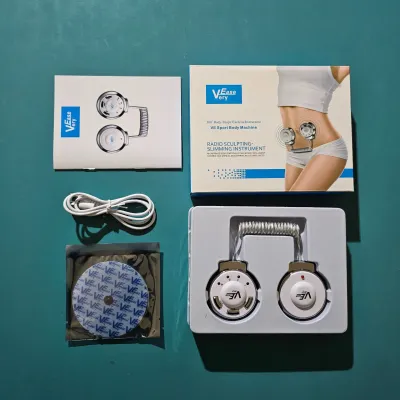
Prices are valid at publication and may change. Please refer to the product page for the latest price.

Start by measuring the floor area and comparing it to the machine’s fully extended footprint. Leave a safety buffer of at least 60 centimeters on all sides of the equipment to allow for quick dismounts and natural body sway. If you are looking at motorized options, ensure there is adequate clearance behind the machine to prevent trapping hazards against walls or furniture.
Next, consider the physical flow of your household. Ensure the equipment does not block high-traffic walkways, bedroom entryways, or the opening path of your household shelter door. In Singapore’s warm and humid climate, motorized devices also require sufficient ventilation gaps around their motor housings to prevent overheating during intense sessions.
Finally, look upward to assess vertical limits. Standard HDB ceilings typically measure around 2.6 meters, which can quickly become a constraint if you are tall or performing overhead exercises. Factor in your height, the deck height of the equipment, and your maximum reach to ensure you will not strike ceiling fans, light fixtures, or low-hanging beams during a workout.
Space-Efficient Body Fitness Device Categories
When floor space is at a premium, selecting the right category of fitness gear determines whether your home gym succeeds or becomes an expensive clothes rack. Foldable and collapsible machines are highly popular for their ability to tuck away when not in use. Modern folding treadmills and walking pads can fold completely flat, allowing you to slide them under a sofa or store them vertically inside a utility closet. When evaluating these, check the locking mechanisms and transport wheels to ensure you can easily move the weight on your own.
For those who prefer to keep the floor completely clear, wall-mounted or door-frame accessories utilize vertical space. Resistance band anchors and suspension trainers offer full-body workouts with virtually zero storage footprint. However, these systems rely entirely on the structural integrity of your walls. You must mount them to solid concrete structural columns rather than hollow drywall partitions to prevent structural damage or serious injury.
Modular and adjustable resistance systems provide another excellent way to save space by replacing entire racks of traditional gear. Instead of owning ten different sets of weights, a single pair of adjustable dumbbells or a compact boby device can cover all your strength training needs. A boby device typically uses compact resistance mechanisms to simulate heavy loads, allowing you to perform compound movements in a highly concentrated footprint.
While compact equipment is highly convenient, it often involves trade-offs regarding stability and weight capacity. Lightweight, highly portable benches or frames may wobble slightly during high-intensity workouts compared to heavy commercial gym alternatives. Always check the manufacturer’s maximum user weight ratings and base-width specifications to ensure the device remains stable under load.
Installation, Safety, and Noise Control in Apartments
Living in a multi-story HDB estate means your workouts can easily impact your neighbors. Vibration and impact noise from running or dropping weights travel quickly through concrete floors. To maintain neighborly harmony, place high-density rubber mats or specialized vibration-dampening tiles beneath your equipment. These mats absorb the impact of your steps and prevent metal-on-metal clanging from echoing through the building structure.
When installing wall-mounted equipment, identifying the correct wall type is critical for safety. HDB flats consist of load-bearing concrete walls and non-structural internal partition walls. Never drill heavy-duty anchors into lightweight partition walls, as they cannot support dynamic human weight. Use a reliable stud finder or consult your floor plan to locate solid concrete columns, and use high-quality masonry plugs for installation.
Safety should always be your top priority during setup. If you encounter unexpected resistance while drilling, such as hitting internal steel rebar, stop immediately to avoid damaging the building’s structural reinforcement. If a device feels unstable during a dry run, or if the installation instructions are unclear, halt the process and consult a qualified professional contractor or the equipment manufacturer.
Common Space-Matching Mistakes to Avoid
One of the most frequent errors home fitness enthusiasts make is measuring only the folded dimensions of their gear. A walking pad might look incredibly slim and easy to store on paper, but you must still account for the physical effort and space required to unfold, plug in, and safely step off the machine during daily use.
Another common oversight is ignoring power outlet locations and cord management. Motorized fitness devices require proximity to a reliable wall socket. Running long extension cords across your living room or hallway creates serious tripping hazards and can overload your electrical outlets. Plan your layout so that power cords remain flat against walls and out of primary walking paths.
Finally, avoid assuming that all “compact” or “space-saving” labels are universally suitable. A device designed for a smaller frame may not accommodate a taller user’s stride length or shoulder width, leading to restricted movement and poor exercise form. Always cross-reference the product’s physical limits with your own height, weight, and movement patterns before making a purchase.
Frequently Asked Questions (FAQ)
Can I install a pull-up bar on an HDB door frame?
Yes, but success depends entirely on the door frame’s material and construction. Standard solid timber or metal HDB door frames can generally support telescopic or removable pull-up bars when installed according to the manufacturer’s instructions. However, you must avoid installing them on modern aluminum frames, sliding door tracks, or hollow partition frames, as these materials can warp or crush under pressure. Always perform a physical check by tapping the frame to ensure it is solid, and inspect it regularly for any signs of slipping or structural wear.
Do I need a dedicated power circuit for motorized compact fitness devices?
Most compact motorized fitness devices, such as light walking pads or low-horsepower folding treadmills, run safely on standard Singapore household electrical outlets (230V, 13A) without requiring a dedicated circuit. However, high-draw fitness machines can overload a circuit if run simultaneously with other high-power appliances like air conditioners or microwave ovens. To prevent tripped breakers, avoid using cheap multi-way adapters or uncoiled extension cords. Plug your fitness equipment directly into a dedicated wall outlet whenever possible.
Community discussion
Share your experience or ask a question. Comments are reviewed before publication.