
Fitting a high-intensity cardio workout into a typical Singapore HDB flat often requires balancing fitness goals with spatial reality. While a climber machine offers an excellent full-body workout, its vertical design and dynamic motion require careful planning to avoid turning your living room into a permanent, cramped home gym. Finding a machine that fits means looking beyond the static floor dimensions and evaluating how the equipment operates when you are actively using it. By focusing on collapsible frames, vertical storage capabilities, and smart clearance measurements, you can maintain a functional, uncluttered living space while achieving your fitness goals.
Measuring Your HDB Living Room Constraints
Before purchasing any fitness equipment, you must map out the physical boundaries of your designated workout area. A climber machine has two distinct footprints: the static footprint when it is stored, and the dynamic footprint when it is in active use. When you climb, your body moves upward and outward, and the machine’s pedals or handles may extend beyond the base frame. You need to measure the maximum length, width, and height of the machine during its full operational cycle to ensure you do not strike nearby walls or furniture.
Delivery logistics present another common hurdle for apartment dwellers. You must verify the clearance widths of your HDB flat’s main door, the lift lobby entrance, and any internal corridors leading to your workout space. Some heavy-duty climber machines arrive in large, non-collapsible boxes that cannot easily navigate tight corners or narrow entryways. Measuring these transition points beforehand prevents delivery day complications and ensures you can move the equipment safely into your home.
Products mentioned in this guide
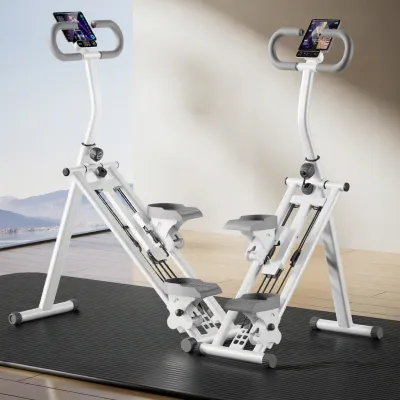
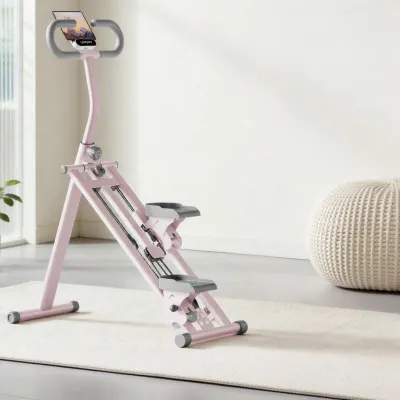
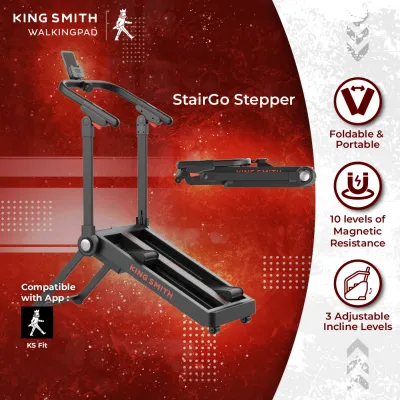
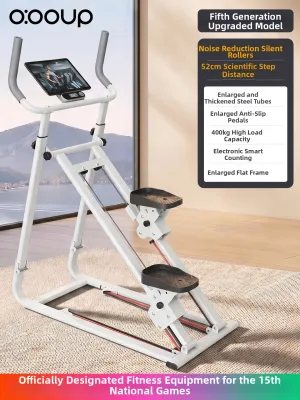
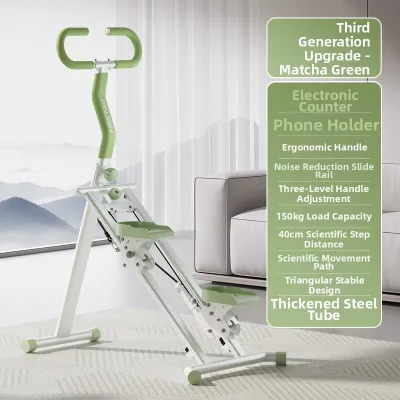
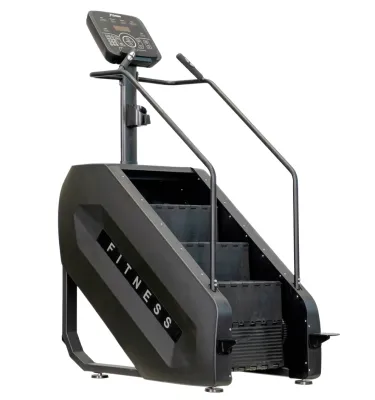
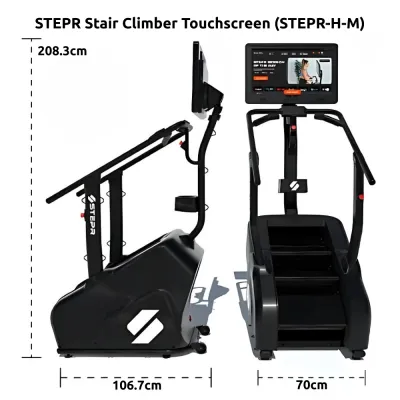
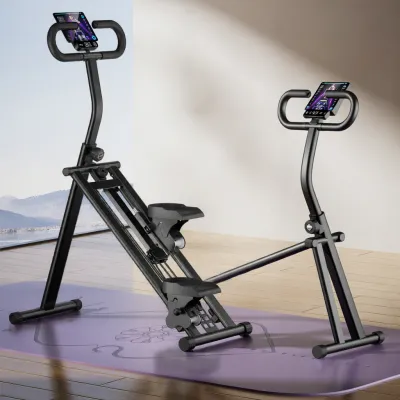
Prices are valid at publication and may change. Please refer to the product page for the latest price.
Ceiling height is the most critical vertical constraint for climber machines in HDB flats. Standard HDB ceilings typically range from 2.6 to 2.8 meters, which can quickly become restrictive once you stand on elevated pedals. You must calculate your total climbing height by adding your own height to the maximum pedal elevation of the machine. Additionally, check the placement of overhead light fixtures, false ceilings, and ceiling fans to prevent dangerous contact during high-intensity workouts.
Matching Climber Types to Small Floor Plans
Different climber designs offer distinct spatial advantages and trade-offs depending on your flat’s layout. Full-size vertical climbers mimic actual rock climbing movements, engaging both the upper and lower body through a continuous vertical slide. While these machines provide an intense workout, they require substantial vertical clearance and have a rigid, non-folding frame. If you choose a full-size model, it will likely become a permanent fixture in your living room, requiring a dedicated corner that cannot easily be repurposed for daily activities.

Folding or collapsible climbers offer a practical middle ground for multi-functional living spaces. These machines feature a hinged frame that allows you to fold the vertical column down toward the base, significantly reducing the storage footprint when not in use. This design allows you to slide the machine under a bed, place it inside a wardrobe, or lean it securely against a wall. However, folding models often require a few minutes of setup time before each workout, and the hinges can introduce slight frame flex or reduced joint rigidity compared to solid, one-piece frames.
For the most space-constrained homes, compact or mini pedal climbers present an alternative approach. These devices focus primarily on lower-body stepping motions and omit the tall vertical masts and hand grips of traditional climbers. Because they sit low to the ground, they require virtually no overhead clearance and can be tucked away under a coffee table or inside a shoe cabinet. The trade-off is the movement pattern; mini climbers do not offer the same upper-body engagement or full vertical extension as their larger counterparts, making them a localized lower-body workout rather than a true full-body climbing experience.
Space-Saving Features That Actually Matter
When comparing compact climber machines, specific engineering details determine how easily the equipment integrates into your daily routine. High-quality folding mechanisms should utilize quick-release pins or secure locking dials that allow you to collapse the frame without needing specialized tools. Look for designs that lock securely in both the open and folded positions to prevent accidental unfolding during transport or storage.
Built-in transport wheels are essential for any fitness equipment destined for a shared living room. Even a lightweight climber can feel awkward and heavy to lift, especially after an exhausting workout. Sturdy, non-marking wheels integrated into the front or rear stabilizer bars allow you to tilt the machine and roll it effortlessly across your living room floor. This feature is particularly important if you need to move the machine from a storage closet to the center of the room for every exercise session.
Adjustable height settings provide crucial flexibility for homes with lower ceilings or multiple users of varying heights. Some climbers allow you to adjust the handle height or the overall mast extension, which can lower the machine’s maximum peak height during use. This adjustability helps you customize the machine to clear low-hanging ceiling fans while still allowing taller family members to find a comfortable, ergonomic climbing position.
Safe Setup and HDB Floor Protection
Operating a climber machine generates vertical forces and vibrations that can impact both your home’s flooring and your neighbors downstairs. Placing a high-density equipment mat beneath the climber is highly recommended for any HDB flat. These specialized mats distribute the machine’s weight evenly, preventing the metal stabilizer feet from denting or scratching delicate laminate, vinyl, or polished tile floors. Additionally, a thick mat helps dampen operational noise and structural vibrations, keeping your workouts quiet and neighbor-friendly.
Maintaining proper safety clearances around the machine is vital for preventing accidents during exercise. Always position the climber on a flat, level surface with at least half a meter of clear space on all sides. This clearance ensures that if you lose your balance or need to dismount quickly, you will not collide with walls, glass partitions, television consoles, or sharp furniture corners. Never crowd the machine into a tight corner where your elbows or knees might strike nearby objects during wide movement arcs.
Base stability is a critical safety factor, especially for tall vertical climbers with narrow footprints. Because these machines have a high center of gravity when a user is climbing, they must feature robust stabilizer bars with adjustable leveling feet. Before starting any workout, verify that all leveling feet are in firm contact with the floor to eliminate rocking. If the machine feels unstable or sways excessively during moderate use, stop immediately and adjust the base or relocate the equipment to a more stable surface.
Frequently Asked Questions (FAQ)
Can I keep a climber machine on an HDB balcony or service yard?
Keeping a climber machine on an HDB balcony or service yard is generally not recommended unless the area is fully enclosed and climate-controlled. Singapore’s high humidity, ambient heat, and occasional driving rain can rapidly corrode metal frames, degrade electronic consoles, and damage rubber grips or drive belts. Additionally, you must verify that the balcony floor can support the concentrated weight of the machine and your body, and ensure the machine is kept far away from any low railings to prevent fall hazards.
Do folding climbers compromise workout stability?
Folding climbers do not inherently compromise safety, but they do trade some structural rigidity for portability. The hinges and locking pins that enable the machine to collapse can introduce minor frame flex during high-intensity workouts compared to fully welded, non-folding frames. To ensure a stable workout, always check that all quick-release pins are fully engaged and locked before stepping onto the pedals. Choosing a model with a wider base stabilizer and checking the manufacturer’s maximum weight capacity will help ensure a secure, wobble-free exercise experience.
Community discussion
Share your experience or ask a question. Comments are reviewed before publication.