
Finding a climbing machine that fits a Singapore Housing & Development Board (HDB) flat requires balancing high-intensity cardio with strict spatial limits. The ideal climbing machine for a typical apartment is one that features a compact static footprint, a reliable folding mechanism, and a low step-up height that accommodates standard ceiling clearances. Because HDB flats often feature ceiling heights of around 2.6 meters, vertical clearance is just as critical as floor space. By focusing on manual, highly adjustable, and foldable vertical climbers, you can enjoy a full-body workout without permanently sacrificing your living room or bedroom layout.
Measure Your Room and Access Points
Before evaluating specific climbing machine models, you must determine the exact physical boundaries and access constraints of your home. The journey of your fitness equipment begins long before it is set up in your workout space. You must first ensure that the boxed or fully assembled unit can physically enter your home. Start by measuring the width of your front door and any metal security gates. In Singapore, standard HDB doorways typically range from 80 to 90 centimeters in width, but older estates or custom renovations may have narrower entryways. Additionally, measure the dimensions of your estate’s passenger elevator and any tight corners in the common corridors to prevent delivery complications.
Once inside, turn your attention to the designated workout area. Use a measuring tape to map out the available floor length and width, taking into account baseboards, wall molding, and existing furniture. Baseboards can reduce usable floor space by a few centimeters, which can affect how closely a machine can sit against a wall. Identify the locations of power outlets and light switches to ensure they remain accessible and are not blocked by the machine’s frame.
Products mentioned in this guide
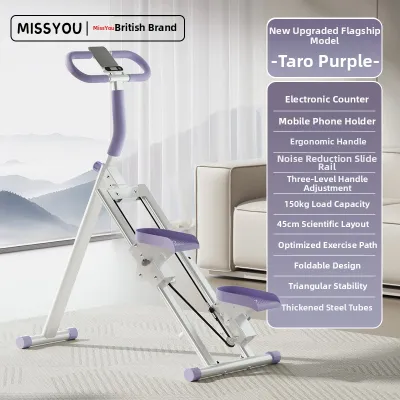
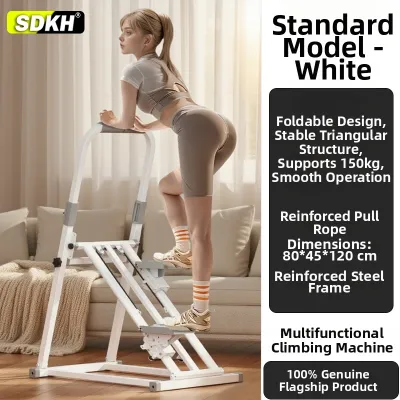
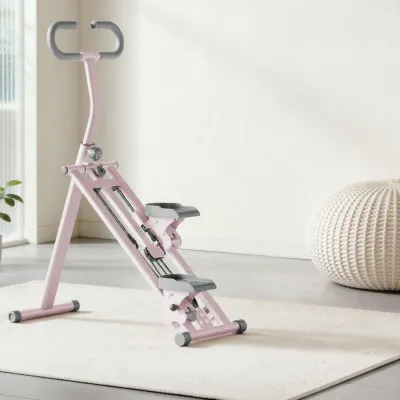
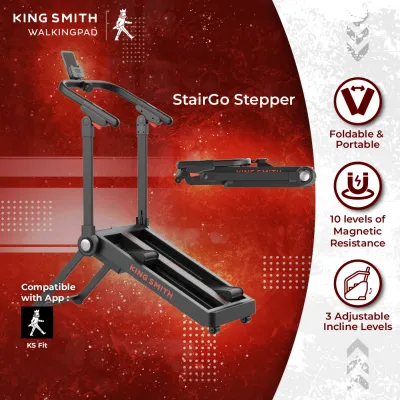
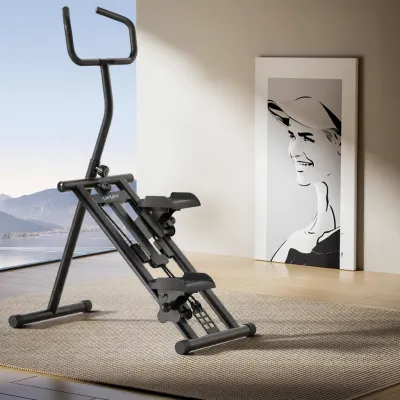
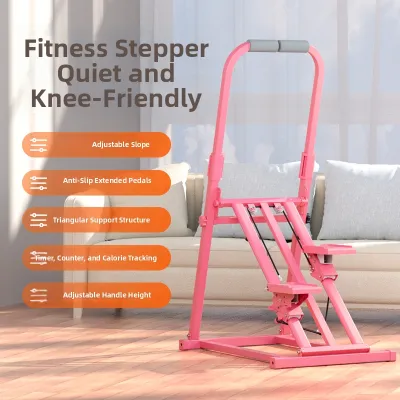
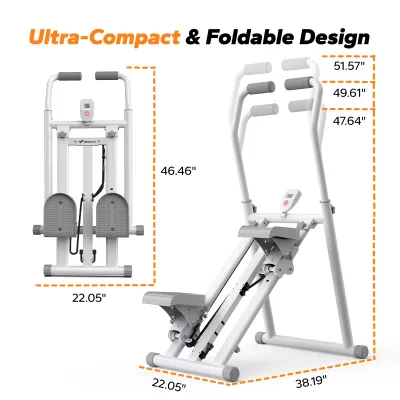
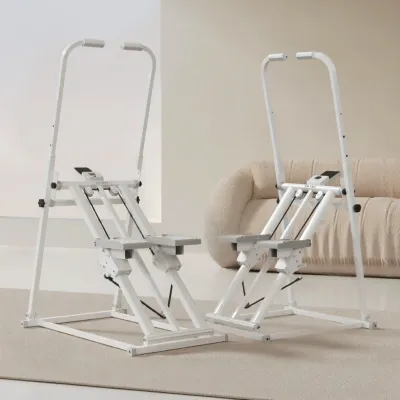
Prices are valid at publication and may change. Please refer to the product page for the latest price.
The most critical measurement for any vertical climber is your ceiling height. Standard HDB ceilings are approximately 2.6 meters high, though some top-floor units or executive maisonettes may offer more clearance. To calculate your required vertical clearance, add your own height to the machine’s maximum pedal height at its highest point of travel. You must also factor in a safety buffer of at least 15 to 20 centimeters to prevent your head from coming into contact with the ceiling, ceiling fans, or light fixtures during vigorous exercise.
Compare Static Footprint and Dynamic Clearance
When shopping for home fitness equipment, it is easy to confuse the space a machine occupies while stored with the space it requires during operation. To make an informed decision, you must differentiate between the static footprint and the dynamic clearance zone. The static footprint refers to the physical dimensions of the machine when it is completely folded or stored away. This is the measurement you will use to determine if the climber can fit inside a utility closet, behind a bedroom door, or in a designated corner of your living room.

In contrast, the dynamic clearance zone is the actual space required while you are actively stepping and extending your limbs. As you climb, your body moves dynamically, and your elbows, knees, and hands will extend beyond the physical frame of the machine. Furthermore, the moving handles and pedals of the climber will travel upward and outward. If you place the machine too close to a wall or a piece of furniture, you risk scraping your knuckles or bumping your knees during a workout.
To ensure a safe and comfortable workout environment, check the manufacturer’s specifications for the recommended clearance around the machine. A safe guideline is to maintain at least 60 centimeters of open space on all sides of the climber. This clearance zone provides sufficient room for mounting and dismounting safely, ensures adequate ventilation to keep you cool, and prevents accidental collisions with nearby household items. Always measure this dynamic zone against your room’s layout before finalizing your purchase.
Evaluate Foldable and Stowable Mechanisms
For most HDB residents, a climbing machine must be easily stowable to keep the living space functional. Evaluating the design and quality of folding mechanisms is essential to finding a machine that is both space-saving and safe. Many compact climbers feature a scissor-style frame that collapses flat, similar to an ironing board. While these designs are highly convenient for sliding under a bed or leaning against a wall, you must examine the locking mechanisms carefully. Look for heavy-duty steel locking pins or threaded knobs that secure the frame tightly when fully extended to prevent any wobbling during use.
Transport features are equally important when you need to move the machine regularly. Look for units equipped with built-in transport wheels on the base. These wheels allow you to tilt the machine and roll it effortlessly across vinyl, laminate, or tiled floors without scratching the surface or straining your back. Additionally, adjustable leveling feet are highly beneficial for stabilizing the machine on slightly uneven apartment floors, ensuring that the climber remains steady and does not rock side-to-side while you exercise.
Do not let a compact design compromise your safety or the machine’s durability. Review the manufacturer’s specified weight capacity and the materials used in the frame construction. High-tensile steel frames offer the best structural rigidity and longevity, though they are heavier to move. Ensure that the compact model you choose can comfortably support your body weight and withstand the lateral forces generated during intense climbing sessions. A flimsy frame not only degrades quickly but also poses a safety hazard if it flexes excessively during use.
Finalize Your Space and Safety Checklist
Before making your final purchase, consolidate your spatial, structural, and safety checks into a practical decision-making framework. Begin by verifying the machine’s maximum user weight limit against the needs of everyone in your household who plans to use it. A stable machine is a safe machine, and choosing a climber with a robust base will prevent tipping or shifting during high-intensity workouts.
Next, consider the structural environment of your apartment. While HDB concrete floor slabs are designed to support heavy loads, the localized pressure from a climbing machine’s small feet can damage delicate flooring materials. To protect your floors and maintain good relations with your downstairs neighbors, plan to use a high-density rubber equipment mat. A quality mat, which typically costs between S$30 and S$60, serves multiple purposes: it distributes the machine’s weight evenly, prevents the climber from slipping on smooth tiles, and absorbs the vibrations and impact noise that can easily travel through the floorboards.
Finally, perform a comprehensive cross-reference of all measurements. Compare the fully assembled height, width, and length of the climbing machine with your measured room dimensions and ceiling clearance. Ensure that the machine’s placement does not block emergency exit paths, bedroom doors, or built-in wardrobe access. By systematically verifying each of these factors, you can confidently select a compact climbing machine that fits seamlessly into your HDB lifestyle.
Frequently Asked Questions (FAQ)
Do climbing machines require a dedicated electrical outlet?
Climbing machines generally fall into two categories: manual, self-powered models and motorized or digitally controlled units. Manual climbers rely entirely on your body weight and mechanical resistance, meaning they do not require an electrical outlet. This makes them highly versatile for small apartments, as you can place them anywhere without worrying about cord placement. If you choose a motorized model or one with an advanced electronic console, you will need to position it near a power outlet. In small rooms, manage the power cord carefully by running it along the baseboards to prevent tripping hazards.
How can I reduce noise and vibration in an apartment?
Minimizing noise is crucial in high-density HDB blocks where sound travels easily through shared walls and floors. The most effective solution is to place a thick, high-density rubber equipment mat beneath your climber to absorb structural vibrations. Additionally, perform regular maintenance on your machine. Over time, the repetitive motion of climbing can loosen bolts and dry out joints, leading to squeaks and metallic rattling. Periodically check and tighten all structural bolts, and apply a manufacturer-approved lubricant to the moving tracks or chain drives to keep the machine operating quietly.
Community discussion
Share your experience or ask a question. Comments are reviewed before publication.