
Finding space for fitness gear in a modern Singapore home can be a challenging puzzle. With the average size of Housing & Development Board (HDB) flats designed for efficiency, every square meter of floor space must be utilized mindfully. While heavy treadmills and bulky weight benches are impractical for many households, compact exercise rollers offer an excellent way to maintain a fitness and recovery routine right at home.
Whether you want to strengthen your core with an ab wheel or roll out tight muscles after a long day at the office, selecting the right gear requires balancing functionality with spatial limits. By focusing on smart designs, collapsible features, and creative storage, you can build an effective home workout setup that tucks away in seconds. The key lies in understanding your flat’s layout and matching it to the right equipment specifications.
Assessing Your Space: Floor Clearance and Storage Limits
Before purchasing any exercise roller, you must measure the active floor space required for your workouts. For an ab roller, this means calculating your fully extended body length plus at least 30 to 50 centimeters of safety clearance at the front. Performing a rollout requires a completely unobstructed path; hitting a TV console or a coffee table mid-movement can lead to sudden loss of balance and potential strain.
Products mentioned in this guide
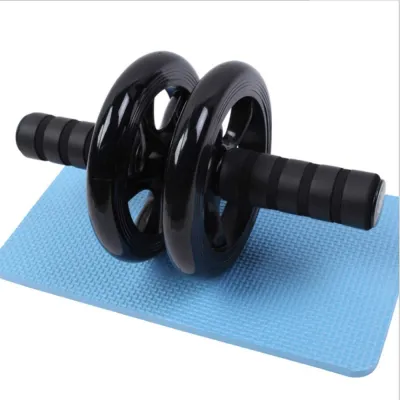
![🇸🇬 [READY STOCK] Abdominal Wheel- Ab Exercise Roller and Fitness Wheel with Easy Grip Handles for Core Training and Abdominal Workout](https://img.lazcdn.com/g/p/722ce4d262fd8f002456b14efe06d20a.jpg_400x400q80.jpg_.webp)
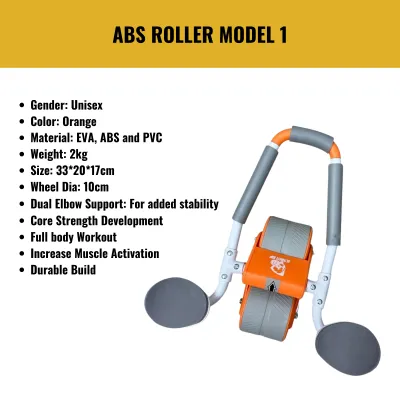
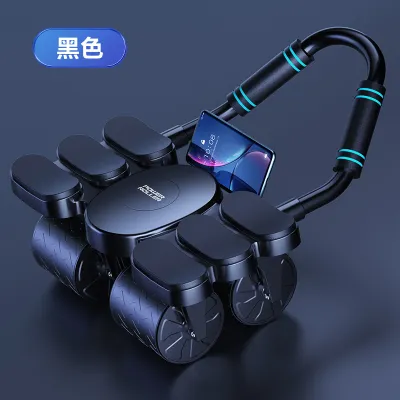
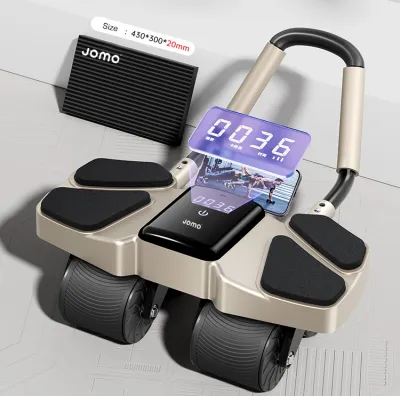
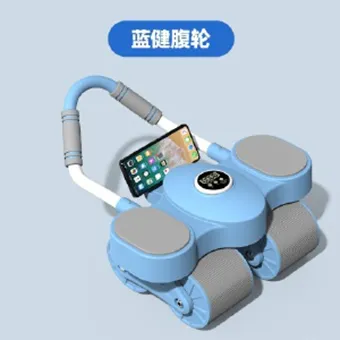
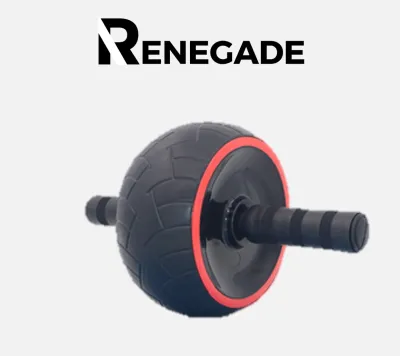
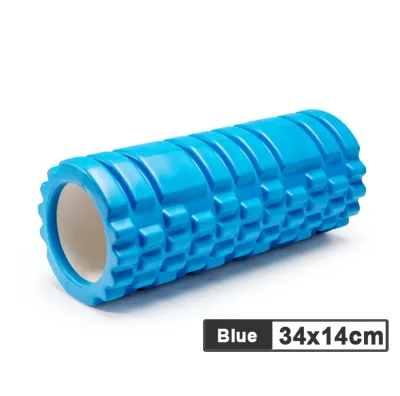
Prices are valid at publication and may change. Please refer to the product page for the latest price.
Storage dimensions are equally critical and often overlooked. Take a tape measure to your intended storage spots, such as the gap under your bed frame, the depth of your wardrobe shelves, or the clearance inside your shoe cabinet. Many standard foam rollers have a diameter of 15 centimeters, which may not clear low-profile sofa bases or tight cabinet shelves. Knowing these exact measurements beforehand prevents the frustration of buying gear that ends up permanently cluttering your living room floor.
Finally, account for the proximity of your furniture and general room layout. In a typical HDB bedroom or living room, study desks, dining chairs, and sofa edges restrict lateral movement. Ensure you have a clear diagonal path or a dedicated zone where your limbs and the roller can move freely without colliding with sharp corners. If space is exceptionally tight, you may need to plan your workouts in a hallway or clear a temporary path by sliding a chair aside.
Choosing the Right Type of Compact Exercise Roller
Standard foam rollers often span 90 centimeters in length, which can feel incredibly unwieldy in a small bedroom. Travel-sized alternatives, typically measuring between 30 and 45 centimeters, provide ample surface area to target single muscle groups like your calves, quads, or upper back. These shorter rollers require less than half the floor space to use and are much easier to maneuver around tight corners and furniture legs.

For core training, traditional ab wheels often feature wide, fixed handles that take up significant storage volume. Compact alternatives include wheels designed with folding or removable handles, as well as ultra-wide single wheels that offer stability without requiring a wide axle. These space-saving designs allow you to perform high-intensity core workouts in narrow corridors or in the small gap between your bed and the wardrobe.
If floor space is virtually non-existent in your flat, a handheld massage roller stick is an excellent alternative to a traditional floor foam roller. These sticks allow you to apply targeted pressure to sore muscles while sitting on a chair or standing upright. By eliminating the need to lie down on the floor, handheld rollers make muscle recovery possible in even the most space-constrained studio apartments.
Essential Space-Saving Features to Look For
When shopping for an ab wheel, prioritize models that feature detachable or collapsible handles. A roller with handles that slide off or fold inward can be broken down into flat components in seconds. This structural flexibility allows you to slide the disassembled parts into a shallow drawer, a storage basket, or even a travel bag, keeping your living areas completely free of visual clutter.
Another highly practical design is the hollow-core foam roller. Instead of a solid block of foam, these rollers feature a sturdy, hollow plastic cylinder at the center. This empty space is perfect for nesting other small fitness accessories, such as resistance bands, massage balls, or skipping ropes. Utilizing the roller as a storage container helps consolidate your workout gear into a single, neat footprint.
Material choice also plays a significant role in portability and storage ease. Look for rollers made from high-density EVA or EPP foam, which are exceptionally lightweight yet structurally supportive. These materials make the roller easy to lift onto high shelves, pack into closets, or hang from wall organizers without adding unnecessary weight to your storage fixtures.
Smart Storage and Usage Strategies for Small Flats
To keep your home looking tidy, avoid letting your fitness gear sit loose on the floor. Utilizing vertical space is one of the most effective ways to store exercise rollers in an HDB flat. Consider installing adhesive wall hooks, pegboards, or over-the-door organizers in your utility closet or behind bedroom doors. Hanging your rollers keeps them off the ground and easily accessible whenever you need a quick stretch.
Low-profile furniture can also serve as excellent concealment for your workout gear. The empty space beneath your sofa, bed, or TV console is prime real estate for storing flat or narrow items. If your bed frame sits low to the ground, look for shallow plastic storage bins with wheels that can house your rollers and slide smoothly out of sight when your workout is finished.
Creating a dedicated, multi-purpose workout corner can also help integrate your gear into your daily living space. By placing a small, roll-up yoga mat and your compact rollers inside a stylish woven basket or a minimalist storage ottoman, you keep your equipment organized. This approach ensures your fitness tools remain within arm’s reach without disrupting the aesthetic flow of your home.
Common Sizing and Selection Mistakes to Avoid
A common mistake is purchasing an exercise roller based solely on its storage size while forgetting the physical space required to use it. If you cannot fully extend your arms and legs during an exercise without bumping into a wall, the equipment will likely end up unused. Always simulate the exercise movements in your designated workout area before committing to a specific roller size.
Additionally, be cautious of ultra-compact ab rollers that achieve their small size by excessively narrowing the wheel base. While a narrow wheel saves space, it can make the roller highly unstable for beginners, increasing the risk of tipping sideways during a workout. Always verify that the wheel width and stability match your current fitness and balance levels to ensure safe operation.
Finally, do not overlook the width of your doorways and corridors if you plan to use those areas for training. If you intend to roll out your muscles in a narrow HDB hallway, ensure the length of your foam roller allows you to turn sideways comfortably. A long roller used horizontally can scrape against walls in a standard corridor, severely limiting your range of motion and potentially marking your paintwork.
Frequently Asked Questions (FAQ)
Can I use a standard 36-inch foam roller in a small bedroom?
While possible, using a standard 36-inch (90 cm) foam roller in a confined bedroom is often highly restrictive. You generally need a clear floor area of at least 1.5 meters square to position your body and roll comfortably without hitting furniture. For tight spaces, switching to a compact 12-inch to 18-inch (30 to 45 cm) roller is highly recommended, as it allows you to target the same muscle groups with much greater maneuverability.
Are retractable ab rollers as effective as fixed ones for core workouts?
Yes, retractable or folding ab rollers can be highly effective, provided they are built with secure locking mechanisms. When selecting a space-saving model, inspect the joint stability and handle locks to ensure they do not wobble under your body weight. While they offer excellent storage convenience, beginners should focus on maintaining proper form and control to compensate for any slight differences in stability compared to wider, fixed-wheel designs.
How should I store my exercise roller to prevent material degradation?
To extend the lifespan of your roller, store it away from direct sunlight and heat sources, which can dry out, warp, or crack EVA and EPP foam. Avoid keeping your gear in damp, unventilated areas like laundry yards or bathrooms. Instead, store your rollers in a dry wardrobe, a ventilated basket, or on a wall mount to keep the materials dry, clean, and structurally sound over time.
Community discussion
Share your experience or ask a question. Comments are reviewed before publication.