
The best compact grip strength trainers for small HDB flats are those that maximize resistance variety while minimizing physical footprint, such as adjustable hand grippers, pocket-sized silicone grip rings, and non-permanent door-frame hangboards. Traditional strength training often demands bulky dumbbells or dedicated benches, which quickly clutter a standard 3-room or 4-room HDB layout. Compact grip tools allow you to target forearm, hand, and finger strength using items that easily tuck into a television console drawer or hang discreetly over a bedroom door.
By focusing on adjustable resistance, a single handheld device can replace an entire rack of fixed-weight grippers. This keeps your living space tidy while providing a progressive training stimulus that matches your specific fitness level, whether you are training for rock climbing at a local gym or simply improving daily functional strength. Effective grip training does not require large floor space or bulky machines; instead, it relies on consistent, progressive overload that can be achieved entirely within a minimal footprint.
Assessing Space and Storage Constraints in HDB Flats
Living in a Singapore HDB flat requires a strategic approach to home gym equipment. Before purchasing any training tool, you must distinguish between drawer-storable accessories and semi-permanent mounted systems. Handheld rings, spring-loaded grippers, and grip balls can be stored in almost any small drawer, keeping your living room completely free of visual clutter. Mounted equipment, such as finger boards or hangboards, requires dedicated vertical space and careful structural assessment.
Products mentioned in this guide
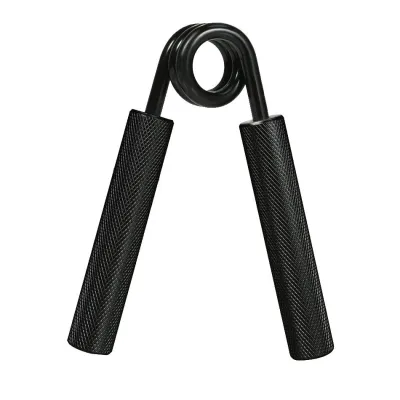

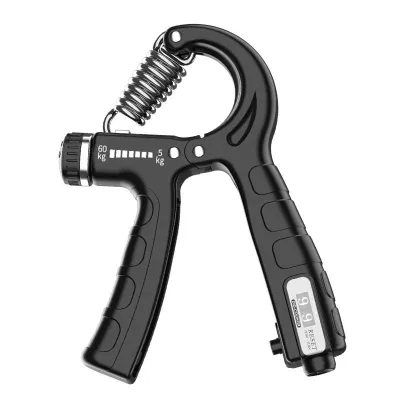
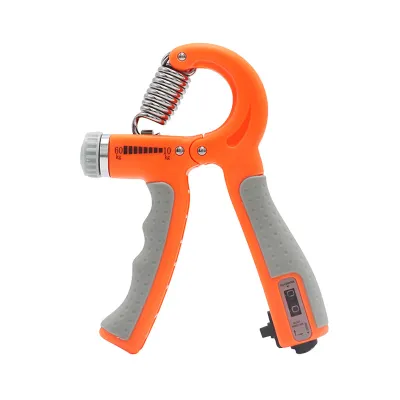
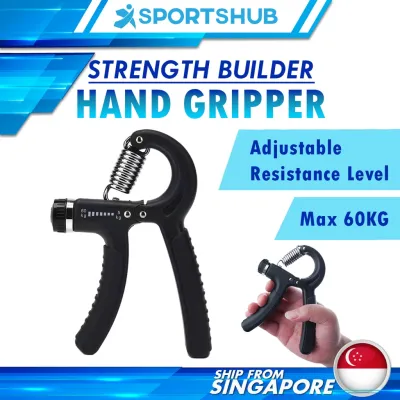
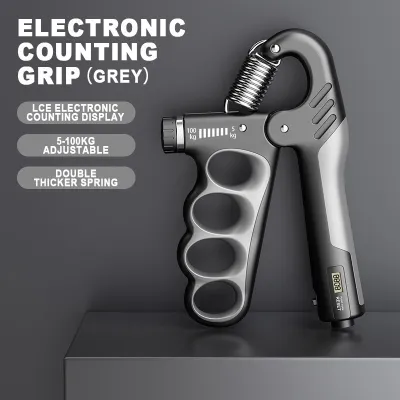
![[Warehouse] Adjustable Hand Grip Strengthener Countable Counter Resistance Forearm Exerciser](https://img.lazcdn.com/g/p/1a50be0875f71c46bcb4fd56d7204836.png_400x400q80.png_.webp)
Prices are valid at publication and may change. Please refer to the product page for the latest price.
HDB-specific constraints play a major role in this decision. In rented flats, tenancy agreements typically prohibit drilling into walls or making permanent structural modifications. Even if you own your BTO or resale flat, drilling into high-strength concrete walls requires heavy-duty rotary hammer drills and creates significant dust and noise that can strain relations with immediate neighbors. Furthermore, partition walls inside newer BTO flats are often made of lightweight drywall or hollow plaster blocks, which lack the load-bearing capacity to support a person’s body weight during hangboard exercises.
To avoid costly damage or safety hazards, measure your intended training area carefully before buying mounted equipment. Check the width and depth of your door frames, as many modern HDB wooden frames feature decorative molding or lack the deep top ledge required for standard pull-up bars and hangboard attachments. Ensure there is sufficient ceiling clearance above the door frame so your head does not strike the ceiling during pull-ups. Finally, verify that the surrounding corridor or doorway allows safe passage for other household members while you are training.
Top Compact Grip Trainers by Space Footprint
Adjustable Hand Grippers and Grip Rings
Adjustable hand grippers are the ultimate space-saving solution for targeted forearm and hand training. Instead of purchasing five or six separate fixed-resistance grippers as your strength improves, an adjustable model utilizes a dial-regulated spring system to scale tension. This single-device approach saves valuable drawer space and allows you to seamlessly transition between high-repetition warm-ups and high-intensity strength sets.

For those who share their workspace or living room with family members, silicone grip rings offer an exceptionally quiet and portable alternative. These compact rings rely on the compression of dense, high-grade silicone to provide resistance. They make virtually no sound during use, making them perfect for training at your desk during remote work or while watching television. Their pocket-sized design means you can easily carry them during your daily commute on the MRT or store them in a small shelf organizer.
Hangboards and Finger Boards
Hangboards and finger boards are highly specialized tools designed primarily for climbers to build advanced finger and tendon strength. Because these exercises place extreme stress on the delicate tendons of the fingers, they require formal training, proper warm-ups, and strict adherence to your physical limits. Equipment cannot replace proper climbing technique or clinical judgment; if you experience sudden joint pain or finger stiffness, stop training immediately.
When integrating a hangboard into an HDB flat, you must choose between a wall-mounted board and a door-frame-mounted system. Wall-mounted boards offer superior stability but require drilling directly into concrete walls, which is a permanent modification. Door-frame systems often utilize a tension bar or an over-the-door cantilever design that requires no drilling. However, you must verify that the system’s protrusion into the room does not block narrow HDB corridors or prevent the adjacent door from closing fully when the equipment is not in use.
Grip Balls, Forearm Rollers, and Fat Grips
If you already own a pair of compact dumbbells or a pull-up bar, you can dramatically increase their grip-training potential without buying bulky new machines. Fat grips are split-cylinder silicone sleeves that snap over standard barbell or dumbbell handles, instantly increasing their diameter. This forces your hands and forearms to work significantly harder to maintain your hold, effectively turning your existing home workout gear into high-intensity grip trainers.
Grip balls and forearm rollers offer excellent versatility for active recovery and targeted strength work. Grip balls, often filled with dense gel or made of textured rubber, are highly portable and excellent for active recovery, stress relief, and hand rehabilitation. They can be squeezed while sitting on the sofa or working at your desk. Forearm rollers, which utilize a weighted strap wound around a handheld cylinder, provide an intense burn for the wrist extensors and flexors, and can be easily rolled up and stored in a small shoe box when finished.
Selection Criteria for High-Density Living
Selecting the right grip training equipment for an HDB flat requires balancing personal fitness goals with the realities of high-density communal living. The first major criterion is adjustability. Because grip strength can improve relatively quickly, buying fixed-weight equipment often leads to a collection of obsolete tools cluttering your home. Choosing devices with wide, adjustable resistance ranges ensures your equipment remains useful for years without taking up additional physical space.
Noise and vibration transmission is another critical factor when living wall-to-wall with neighbors. Metal-on-metal spring grippers can emit high-pitched squeaks or metallic clanking sounds when fully compressed or released quickly. In an HDB block, these structure-borne sounds can easily travel through shared concrete walls and disturb neighbors, especially during early morning or late-night workouts. Opting for silent materials like premium birch wood hangboards, silicone grip rings, or well-lubricated adjustable grippers helps maintain peaceful neighborly relations.
Singapore’s hot and humid tropical climate makes sweat management and ergonomics highly important. High humidity levels can cause metal grippers to rust over time if they are not properly coated or maintained. Furthermore, sweaty hands slip easily on smooth plastic surfaces, which can compromise your grip and lead to sudden drops. Look for grip trainers that feature textured rubber inserts, knurled metal handles, or natural wood surfaces. These materials provide a secure hold and manage sweat effectively, reducing the need to use messy climbing chalk or lay down large protective floor mats in your limited workout space.
Safe Installation and Usage in Confined Spaces
Ensuring physical safety and protecting your property are paramount when installing and using grip equipment in a confined HDB flat. For door-frame-mounted trainers, you must perform a thorough structural check before assembly. Inspect the wooden door frame to ensure it is solid wood rather than hollow MDF or thin veneer, which can crack under pressure. Check that the door hinges are secure and that the frame itself is firmly anchored to the surrounding concrete wall. If the mounting system alters the frame shape or prevents the door from closing, do not force it, as this can compromise home security and fire safety.
When considering wall-mounted alternatives, always prioritize proper anchoring methods. If you are drilling into concrete, use the correct masonry drill bits and high-quality wall plugs rated for the total weight of the equipment plus your body weight. If you are renting or are unsure of your wall’s internal composition—such as whether a wall is a non-structural drywall partition or a solid concrete bomb shelter wall—stop immediately. Consult the manufacturer’s guidelines, review your flat’s floor plan, or hire a qualified professional contractor to handle the installation.
Physical safety in tight spaces requires constant awareness of your surroundings. Before starting any high-resistance or hanging exercise, clear the immediate area of sharp furniture corners, glass coffee tables, and low-hanging light fixtures. A sudden slip or grip failure can cause you to fall backward or swing unexpectedly; having a clear safety zone prevents painful collisions. Additionally, avoid overtraining your hand muscles and finger tendons. Because compact grip tools are highly accessible, it is easy to overuse them while multitasking, which can lead to repetitive strain injuries like tendonitis if you do not allow adequate rest between sessions.
Frequently Asked Questions (FAQ)
Can I install a hangboard on an HDB door frame without drilling?
Yes, you can use specialized non-drilling mounts that hook over the top of the door frame or utilize a heavy-duty tension bar system. However, you must carefully verify that your door frame has a secure, flat top ledge of at least 1 to 2 centimeters to support the cantilever hooks. Additionally, check the manufacturer’s load capacity rating and inspect the frame regularly for signs of wood splitting or structural warping to ensure your safety during hangs.
Will using metal grip trainers disturb my HDB neighbors?
While grip training is generally a quiet activity, metal grippers can cause minor noise issues. The primary concerns are squeaking springs and the sudden metallic clank if a gripper slips out of your hand and hits a tiled or vinyl floor. To prevent structure-borne noise from traveling through the concrete slab, avoid dropping your equipment, perform your exercises over a soft rug or yoga mat, and apply a drop of light machine oil to any squeaking metal springs.
Community discussion
Share your experience or ask a question. Comments are reviewed before publication.