
Living in a typical three- or four-room HDB flat in Singapore means balancing floor space against daily comfort. When establishing a home workout routine, the main challenge is finding functional gym equipment that fits within your living room without turning your home into a permanently cluttered fitness center. Fortunately, modern design innovations make it entirely possible to build a highly effective home gym setup that is both space-efficient and easy to store. By understanding the physical limits of your flat and selecting equipment with a minimal active footprint, you can maintain a clean, open living environment while achieving your fitness goals.
Assessing Your HDB Living Room Space Before Buying Gym Gear
Before purchasing any fitness equipment, you must calculate both the physical dimensions of your living room and the structural constraints of your flat. Many homeowners make the mistake of buying gear based solely on its folded or stored dimensions, only to realize during their first workout that they lack the room to use it safely.
Stored Footprint vs. Active Footprint: The stored footprint represents the space an item occupies when tucked away in a corner, under a bed, or inside a household shelter. The active footprint is the total clearance required during exercise. For instance, a compact walking pad might only measure one meter long when folded, but it requires at least two meters of clear, unobstructed floor space when running to ensure you do not strike nearby furniture if you slip. Always measure your room with the equipment fully extended, adding at least 50 centimeters of safety clearance on all sides.
Products mentioned in this guide
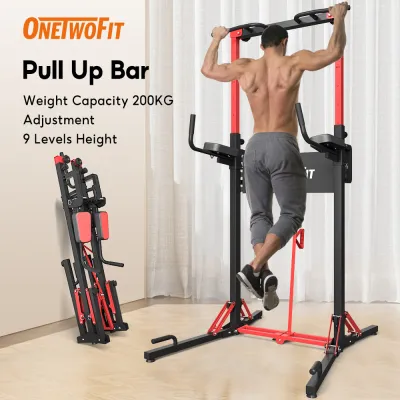
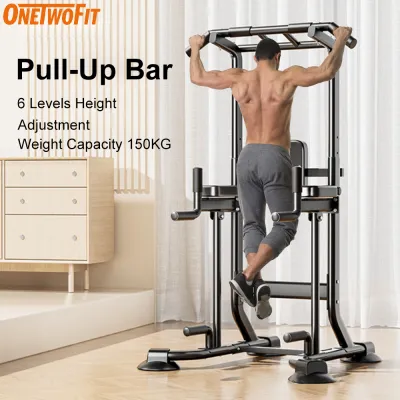
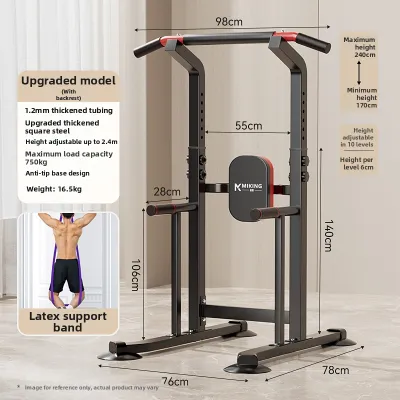
Prices are valid at publication and may change. Please refer to the product page for the latest price.
HDB Floor Loading Limits: Standard HDB residential floors support a maximum static load of 150 kilograms per square meter (1.5 kN/m²). While sufficient for bodyweight exercises and light cardio machines, it is a critical consideration for heavy strength equipment. A heavy weight bench combined with a 100-kilogram barbell set and your own body weight can concentrate a significant amount of mass onto four small contact points. To avoid structural strain or flooring damage, distribute the weight across a larger surface area using high-density rubber mats, and avoid storing heavy weight plates in a single, concentrated pile.
Practical Clearances and Daily Traffic Flow: Your workout space must coexist with daily household traffic. Consider the swing radius of doors to prevent sudden collisions. Additionally, map out electrical outlets; motorized cardio machines require dedicated power sources, and running extension cords across main walkways creates a tripping hazard. You must also account for air-conditioner airflow and ventilation. Placing a sweat-heavy workout station directly under a split-unit air conditioner can lead to condensation issues, while blocking windows can make your living room feel stifling during high-intensity training.
Space-Saving Cardio Machines for Small Layouts
Cardio machines are historically notorious for dominating living rooms, but modern engineering has produced highly compact alternatives that deliver excellent cardiovascular workouts without permanently occupying your floor space.

Foldable Treadmills and Walking Pads
Traditional treadmills are bulky and heavy, making them poorly suited for standard HDB living rooms. Walking pads and ultra-compact foldable treadmills offer a practical compromise, though they come with distinct performance trade-offs. Walking pads typically feature smaller motors ranging from 1.0 to 1.75 horsepower, limiting top speeds to around 6 to 10 kilometers per hour. This makes them ideal for walking or light jogging, but unsuitable for intense sprint intervals. They also feature narrower and shorter running belts, requiring a highly consistent, straight stride.
In contrast, full-size foldable treadmills offer more powerful motors (often 2.0 horsepower or higher) and wider running surfaces, but they occupy significantly more physical space when folded. When evaluating these options, check the folded height and overall weight. Many walking pads fold completely flat to a height of under 15 centimeters, allowing them to slide under a standard sofa or bed frame. However, measure your furniture’s ground clearance beforehand, as many modern sofas sit lower than expected. Additionally, verify that the machine has high-quality transport wheels to make daily setup and storage manageable.
Compact Rowing Machines and Magnetic Bikes
If running is not your preferred form of cardio, magnetic resistance exercise bikes and compact rowing machines offer excellent full-body workouts with a remarkably small storage footprint. Upright magnetic bikes generally occupy less than 0.5 square meters of floor space when in use, making them one of the most space-efficient cardio options available. Many models feature a folding frame that allows you to collapse the bike into an even narrower shape that tucks into a utility closet.
Rowing machines provide a superb low-impact, full-body workout, but their operational length can easily exceed two meters. To solve this spatial challenge, look for magnetic or water-resistance rowers specifically designed to stand vertically when stored. When stood upright, these machines occupy a footprint no larger than a standard armchair. Before purchasing a vertical-storage rower, verify the stability of the base stand and ensure the locking mechanism is robust enough to prevent tipping if bumped. You should also check the manufacturer’s guidelines regarding water-tank seals on water rowers to ensure they are fully rated for vertical storage without leaking.
Strength Training Gear That Tucks Away
Building muscle and maintaining bone density does not require a massive power rack or a multi-station home gym. You can achieve comprehensive resistance training using highly compact tools that store away in a single drawer or small storage bin.
Adjustable Dumbbells and Kettlebells
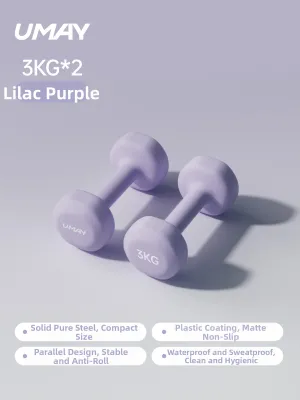
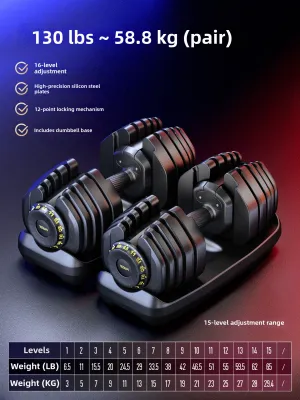
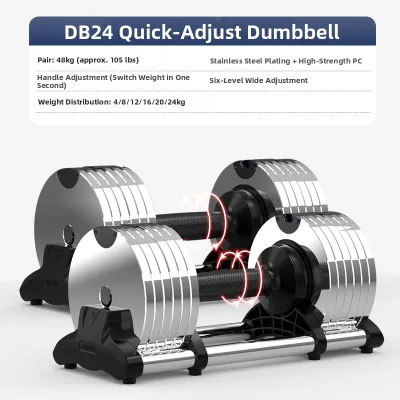
A traditional set of fixed dumbbells requires a dedicated multi-tier rack that can easily take over an entire wall of your living room. Adjustable dumbbells solve this problem by combining an entire rack of weights into a single pair. These systems typically use either a dial-operated selector or a sliding pin mechanism to engage different weight plates, allowing you to adjust the resistance from 2 kilograms up to 24 kilograms or more in seconds.
While highly convenient, adjustable dumbbells have unique physical characteristics you must consider. Because the core bar must accommodate the maximum weight capacity, these dumbbells are often physically longer than standard fixed dumbbells, especially at lighter weight settings. This added length can occasionally interfere with your natural range of motion during compact movements like bicep curls or overhead presses. Additionally, dial and selector mechanisms rely on precise internal gears. If you drop these dumbbells on a hard floor, you risk damaging the locking mechanism, which can make the plates unsafe to lift. For this reason, always return them gently to their storage trays. Adjustable kettlebells operate on a similar principle, allowing you to adjust the weight shell with internal plates, making them an exceptionally versatile tool for dynamic, full-body movements.
Resistance Bands and Doorway Pull-Up Bars
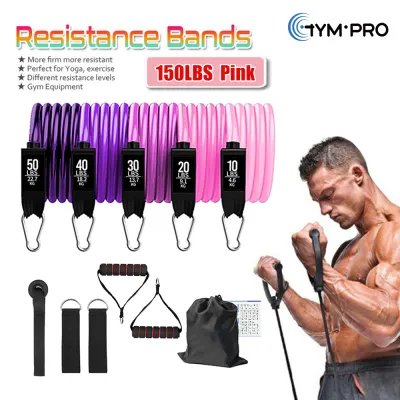
For a setup that occupies virtually zero floor space, a combination of heavy-duty resistance bands and a doorway pull-up bar is highly effective. Resistance bands with interchangeable handles, ankle straps, and door anchors can replicate almost any cable machine exercise. They are lightweight, highly portable, and can be stored in a small drawstring bag inside your TV console.
Doorway pull-up bars offer excellent upper-body and core training, but they require strict safety checks before installation. Leverage-style bars hang over the top door trim and press against the wall frame, while friction-fit telescopic bars expand outward against the door jambs. Before purchasing either style, inspect your door frame. Standard HDB bedroom door frames are often constructed of medium-density fibreboard (MDF) or semi-hollow timber, which can warp, crack, or slip under high pressure. Ensure your door frame is solid wood or metal, and verify that the trim is wide and secure enough to support the leverage hooks. Always test the bar with a fraction of your body weight before performing a full pull-up, and inspect the frame regularly for signs of structural shifting or wood splitting. If your door frame does not meet these structural requirements, avoid using a doorway bar and opt for alternative suspension trainers anchored to a secure door using a dedicated door strap.
Multi-Functional and Fold-Away Setups
To maximize the utility of your HDB living room, look for equipment that serves multiple purposes or can be completely hidden from view when your workout is complete.
Foldable Weight Benches: A flat or adjustable incline bench is essential for many strength training exercises, but a standard commercial bench is highly intrusive. Look for a specialized foldable weight bench that features quick-release pins and folding legs. A well-designed foldable bench can collapse down to a thickness of less than 20 centimeters, allowing it to slide flat under a bed or stand upright in a narrow closet. When shopping, prioritize hinge stability and weight capacity over aesthetic designs. The bench must feel completely rigid when locked into position; any lateral wobbling can compromise your balance and safety when lifting heavy weights. Check the manufacturer’s total weight capacity, ensuring it safely covers your body weight plus your maximum lifting capacity.
Wall-Mounted and Door-Mounted Cable Systems: Cable pulley systems offer exceptionally smooth, constant tension for resistance training. However, mounting heavy pulley systems to your walls requires extreme caution. In Singapore, HDB flats feature structural walls, columns, and household shelters (commonly known as bomb shelters) made of heavily reinforced concrete. HDB renovation guidelines strictly prohibit drilling, mounting, or altering the structural walls and steel doors of household shelters, as doing so compromises their airtight sealing and blast-resistant integrity. Before considering any wall-mounted fitness equipment, consult your flat’s official floor plan to identify non-structural partition walls, and always engage a qualified contractor to ensure the wall material can support the dynamic, pulling forces of a cable system. If wall mounting is not feasible, high-quality door-mounted pulley systems that wrap securely around a standard solid-core door offer a safe, non-invasive alternative.
Vertical Storage Solutions: Keeping your living room floor clear of smaller fitness accessories is crucial for maintaining a tidy home. Utilize vertical space by installing floating shelves or pegboards on non-structural walls to organize your yoga mats, foam rollers, resistance bands, and yoga blocks. Storing these items vertically not only keeps them off the floor but also ensures they remain dry and well-ventilated between workouts.
Common Space-Measuring and Setup Mistakes
Setting up a home workout space in a compact flat is an exercise in precision. Avoiding these four common mistakes will help you prevent buyer’s remorse and ensure a safe, comfortable training environment.
Mistake 1: Only Measuring the Stored Footprint: Many fitness enthusiasts purchase a compact rowing machine or folding bench because the advertised storage dimensions fit perfectly inside their closet. However, they fail to account for the operational footprint. A rowing machine requires extra length for your legs to extend fully and your torso to lean back at the end of each stroke. A weight bench requires clear space on both sides so you can safely mount and dismount, as well as load and unload weight plates. Always map out the active exercise area on your floor using masking tape before making a purchase.
Mistake 2: Ignoring Ceiling Height: Standard HDB ceilings typically measure around 2.6 meters high. While this is plenty of clearance for daily living, it can quickly become a constraint during exercise. If you are tall, performing an overhead dumbbell press while standing can easily result in your weights striking your ceiling fan or light fixtures. Similarly, jumping rope or performing pull-ups on a doorway bar requires careful vertical clearance calculations. Measure your maximum vertical reach during these exercises to ensure you have a safe buffer.
Mistake 3: Forgetting Floor Protection and Noise Dampening: Dropping dumbbells directly onto vinyl, laminate, or tile flooring can cause permanent cracking, denting, or scratching. More importantly, the vibrations from a running treadmill or the rhythmic thud of bodyweight jumps will travel directly through the concrete floor slab to the flat below. To maintain good relationships with your downstairs neighbors, always invest in high-quality floor protection.
Mistake 4: Blocking Ventilation and Moisture Control: Singapore’s tropical climate features high humidity, which can accelerate rust on metal equipment and encourage mold growth on foam handles and upholstered benches. Placing your workout station in a poorly ventilated corner or directly against moisture-sensitive furniture can trap humid air and sweat, leading to unpleasant odors and damaged home furnishings. Ensure your workout area has access to active cross-ventilation or a standing fan to dry out the space post-workout.
Frequently Asked Questions (FAQ)
Do I need a special mat for gym equipment in an HDB flat?
Yes, using a dedicated protective mat is highly recommended for any home workout setup in an HDB flat. High-density rubber mats (typically 8mm to 15mm thick) are ideal for heavy equipment like adjustable dumbbells, stationary bikes, or treadmills, as they offer excellent vibration dampening, impact absorption, and slip resistance. Interlocking EVA foam tiles are softer and more affordable, making them perfect for bodyweight exercises, stretching, or yoga. However, heavy machines will permanently compress foam tiles over time, reducing their protective qualities. Proper matting not only protects your vinyl, parquet, or tile floors from scratches and impact damage but also significantly reduces the transmission of low-frequency noise to your downstairs neighbors.
Can I install a wall-mounted rig in an HDB bomb shelter or structural wall?
No, you must never drill into or mount heavy equipment on the walls, floor, or ceiling of an HDB household shelter (bomb shelter). These walls are reinforced with heavy steel rebar and are designed to provide structural protection during emergencies; any drilling violates HDB structural regulations and can compromise the integrity of the shelter. For other structural concrete walls within your flat, drilling is subject to strict guidelines, and mounting heavy dynamic loads like pull-up rigs or cable stations is generally discouraged without professional engineering assessment. Always refer to your flat’s official floor plan, consult HDB’s renovation guidelines, and hire a licensed contractor to identify safe, non-structural partition walls if you must mount any equipment.
How do I manage sweat and humidity on my equipment in Singapore's climate?
Singapore’s high relative humidity can quickly cause rust on exposed steel components and mold on porous surfaces like foam grips and synthetic leather upholstery. To preserve your equipment, always wipe down all metal, rubber, and upholstered parts with a dry microfiber cloth immediately after every workout to remove corrosive sweat. For deeper cleaning, use a mild, non-abrasive disinfectant spray, ensuring you dry the surfaces completely afterward. Avoid storing your equipment in direct sunlight near windows, which can degrade rubber and plastics, or in damp, unventilated corners. Running a dehumidifier or keeping a standing fan turned on in your living room for a short period after your workout will help maintain a dry, rust-free environment.
Community discussion
Share your experience or ask a question. Comments are reviewed before publication.