
Fitting gym equipment into a typical Singapore HDB flat requires balancing storage footprint with operational clearance. The most successful home setups rely on highly versatile, easily stowed gear—such as adjustable dumbbells, resistance bands, and foldable cardio machines—paired with a clear understanding of your flat’s structural and spatial limits. By planning around your specific layout, you can maintain a fully functional living space while achieving your fitness goals.
Many homeowners purchase fitness gear based solely on how it looks in a showroom, only to find it dominates their living room or spare bedroom. Creating an efficient home gym is not about sacrificing your training intensity; it is about selecting equipment designed to adapt to multi-use spaces.
Assessing Your HDB Space and Operational Clearances
Before browsing online marketplaces for gym equipment, you must distinguish between an item’s storage footprint and its operational footprint. A foldable treadmill might only take up a small corner when folded upright, but during a run, it requires a clear safety zone behind and beside the deck. Always calculate the active space needed for your body to move through a full range of motion, including swing radiuses for kettlebells, stepping space for lunges, and overhead clearance for lifts.
Products mentioned in this guide
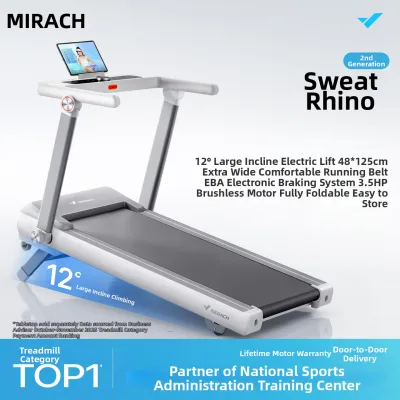
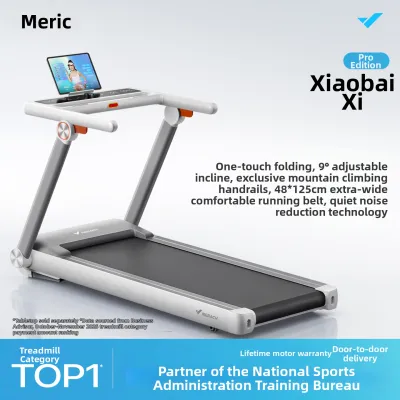
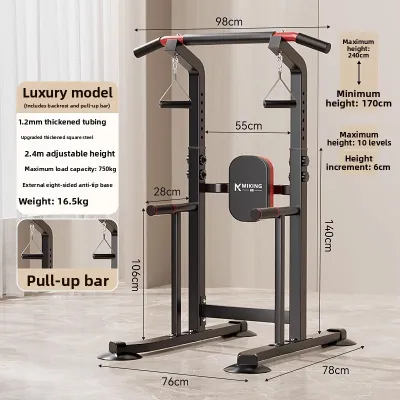
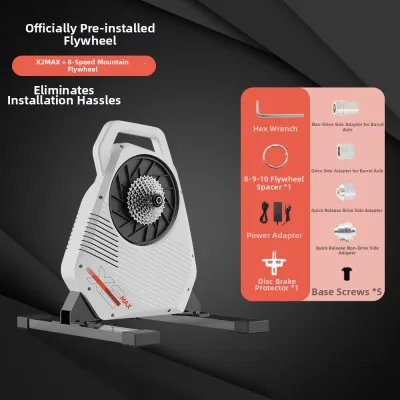


Prices are valid at publication and may change. Please refer to the product page for the latest price.
Ceiling height is a critical constraint in standard HDB flats, which typically measure around 2.6 metres from floor to ceiling. If you plan to perform overhead presses, pull-ups, or jump rope exercises, measure your reach beforehand. A pull-up bar mounted too high can leave you with insufficient head clearance, while a high-stepping elliptical trainer might bring your head uncomfortably close to ceiling fans or light fixtures.
Getting the equipment into your flat is another logistical hurdle that is easily overlooked. Measure the narrowest points of your entryways, including lift doors, main gates, front doors, and hallway turns. Pre-assembled spin bikes, heavy weight benches, or solid barbell bars can be incredibly difficult to maneuver around tight corner units or through standard bedroom doors.
Finally, verify the structural limits of your flat. HDB residential floors are designed to support a standard structural load limit of 150 kg per square metre. While this is more than sufficient for bodyweight exercises and moderate weight setups, concentrated heavy loads—such as a massive weight stack or a fully loaded power rack—require careful placement. Additionally, identify structural concrete walls versus non-structural partition walls before planning any drilling, as structural walls are highly reinforced and subject to strict drilling guidelines.
Matching Compact Equipment to Your Training Goals
Your fitness objectives should dictate your equipment choices, but space constraints will determine the specific design of those tools. Selecting the right gear involves evaluating how much utility a single item offers relative to the physical space it occupies.

Strength Training
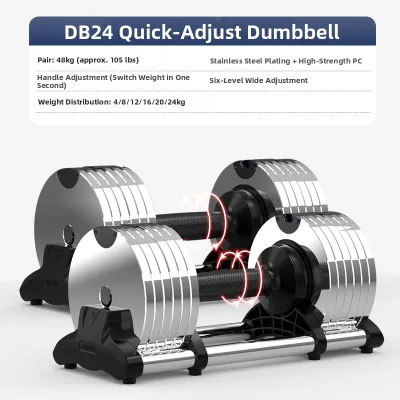
Adjustable dumbbells are the gold standard for space-saving strength training. Instead of a bulky rack of fixed weights, a single pair of selectorised dumbbells can cover a wide range of resistance levels, occupying only a tiny corner of your room. Pair these with an adjustable, foldable utility bench that can be tucked under a bed or stood upright in a closet when not in use.
If you prefer barbell training but lack the space for a full power cage, look for independent squat stands or a highly compact, foldable half-rack. When choosing these, verify the manufacturer’s weight capacity and ensure you have high-density rubber flooring to protect your tiles from impact. For a completely zero-footprint strength option, heavy-duty resistance bands with door anchors offer versatile loading without requiring any floor space for storage.
Cardio Equipment
Cardio machines are traditionally the largest space hogs, but modern designs offer excellent space-saving compromises. Foldable treadmills with flat-folding consoles can slide under a sofa or stand flat against a wall. When evaluating these, check the motor’s noise rating and look for models with built-in transport wheels to make daily setup less strenuous.
Compact spin bikes and magnetic resistance rowers are excellent alternatives that operate with minimal noise. Magnetic rowers provide a full-body workout and can often be tipped vertically to store upright in a corner. When planning for any motorized cardio equipment, ensure your designated workout area has direct access to a power outlet to avoid running hazardous extension cords across high-traffic walkways.
Bodyweight and Flexibility
Suspension trainers and door-frame pull-up bars leverage your body weight for resistance, making them ideal for compact living. However, safety depends entirely on the integrity of your anchor points. Standard HDB door frames, particularly modern timber or aluminum frames, may not support the pressure of friction-based pull-up bars; always verify the frame material and consider wall-mounted options anchored into non-structural brick walls if permitted.
For yoga, pilates, or general stretching, a high-quality, rollable mat is indispensable. Choose a mat with sufficient cushioning to protect your joints from the hard concrete subfloors typical of HDB flats, and pair it with wall-mounted straps or a dedicated basket to keep it neatly rolled away when your session ends.
Storage Strategies and Daily Movement Flow
An organized home gym relies on seamless transitions between workout mode and daily living mode. If setting up your equipment takes more than five minutes, or if it requires moving multiple pieces of heavy furniture, you are far less likely to maintain a consistent routine. Prioritize equipment with quick-release folding mechanisms, locking wheels, and stackable designs.
When planning your layout, keep the daily flow of your household in mind. Avoid placing large equipment where it blocks natural light from windows, obstructs the airflow from air-conditioning units, or impedes access to the household shelter (bomb shelter). Keeping walkways clear is essential for safety, especially in households with young children or elderly family members who might trip over low-profile gear like dumbbells or yoga blocks.
Utilizing vertical space is an excellent way to keep your floors clear. Wall-mounted pegs, heavy-duty floating shelves, and pegboards can hold resistance bands, foam rollers, and yoga blocks. Always check the manufacturer’s weight ratings for any shelving or hooks you install, and ensure they are securely anchored to prevent heavy items from falling.
Safety, Noise Control, and HDB Structural Constraints
Living in close proximity to neighbors means your workout choices can impact those around you. Impact noise and structural vibrations—such as the thud of a treadmill deck or the clatter of weights—travel easily through concrete floors. To maintain good neighbor relations, invest in high-density rubber gym tiles at least 10mm to 20mm thick to absorb shock and dampen sound.
Mindful timing is just as important as physical soundproofing. Schedule high-impact workouts, such as running or heavy lifting, during daytime hours when ambient noise is higher, and avoid exercising late at night or early in the morning. If you prefer working out during quiet hours, focus on low-impact activities like yoga, mobility work, or using a quiet magnetic spin bike.
Be fully aware of estate regulations regarding home modifications. While standard drilling for shelves or light wall mounts is generally permitted, heavy structural drilling or installing commercial-grade fixtures may require professional guidance. Never attempt to drill into structural columns, beams, or pre-cast walls without verifying their status.
Establish clear stop conditions for any DIY installation. If you are mounting a heavy pull-up bar, suspension anchor, or wall rack and encounter resistance, uneven surfaces, or crumbling plaster, stop immediately. Consult a qualified professional installer to ensure the mount is secure, preventing costly damage to your flat and protecting yourself from potential injury during use.
Community discussion
Share your experience or ask a question. Comments are reviewed before publication.