
Finding space for dedicated fitness equipment in a Singapore HDB flat requires careful planning and smart product selection. For men looking to integrate pelvic floor training into their daily routine, the challenge is finding a device that is highly effective yet small enough to store discreetly. You do not need a massive machine to achieve your fitness goals; instead, selecting a compact pelvic trainer allows you to maintain your routine without cluttering your living room or bedroom. By focusing on smart design, collapsible structures, and multi-functional gear, you can easily find a pelvic trainer that fits seamlessly into a high-density living environment.
Assessing Your Available Space for Pelvic Training
Before purchasing any pelvic training equipment, you must accurately evaluate the physical space available in your home. HDB flats often require rooms to serve multiple purposes, meaning your workout zone might also be your home office or living room. Start by using a measuring tape to map out the exact floor area where you plan to exercise. Do not just measure the space you occupy while standing; you must account for the full range of motion required by the exercises, which often involve lying down or bending.
It is crucial to distinguish between your active workout space and your dedicated storage zones. A pelvic trainer might fit easily under a bed or inside a wardrobe when not in use, but it still requires a clear, unobstructed floor area during your sessions. Ensure that your designated workout spot has enough clearance to prevent you from bumping into coffee tables, television consoles, or sofa edges.
Products mentioned in this guide
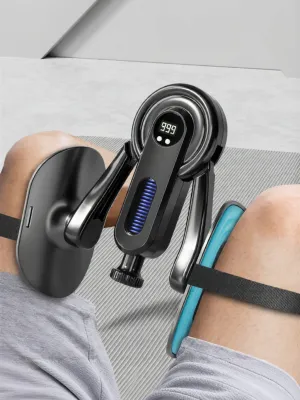

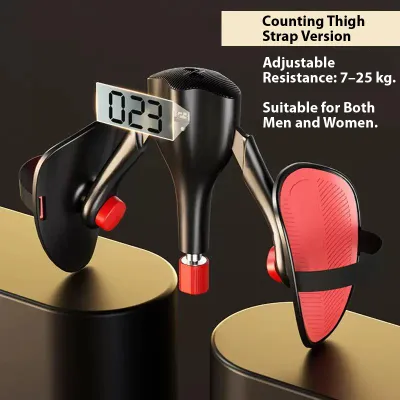
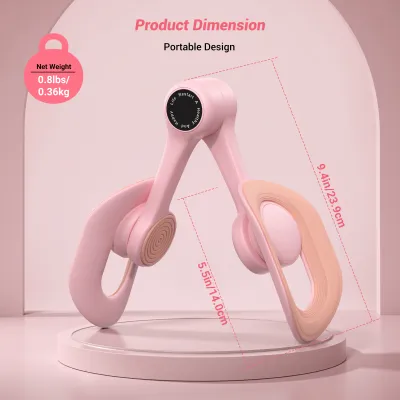

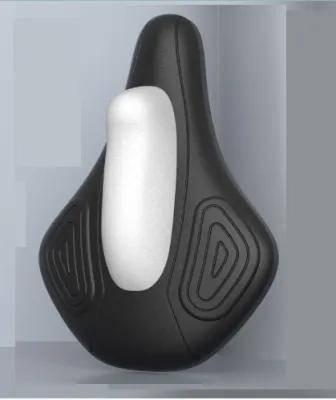
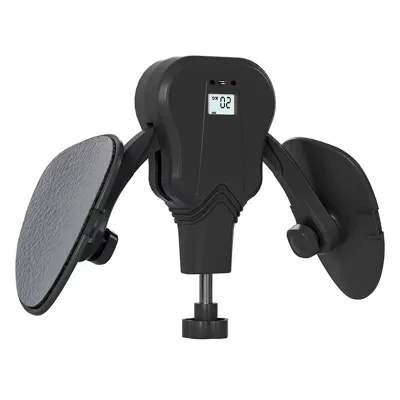
Prices are valid at publication and may change. Please refer to the product page for the latest price.
Additionally, pay close attention to door swing paths and high-traffic walkways. If you set up your equipment in a hallway or near a bedroom door, you risk blocking household members or having your workout interrupted. Opt for multi-use areas where furniture can be easily pushed aside, allowing for a quick setup and teardown process that takes less than two minutes.
Types of Space-Saving Pelvic Trainers for Men
When shopping for a pelvic trainer, you will encounter several distinct designs, each offering different spatial advantages. Understanding these categories helps you match the equipment to your specific storage limitations and workout preferences.

Handheld and Portable Resistance Devices
Handheld resistance devices, such as spring-loaded thigh masters or squeeze rings, offer the ultimate space-saving solution. These tools require virtually zero floor space for storage and can be tucked into a desk drawer or a small shelf. Because they rely on manual compression, you can use them while sitting in an office chair or watching television on the sofa, making them highly convenient for busy lifestyles.
Foldable and Collapsible Floor Trainers
Foldable floor trainers are designed for users who prefer a more structured, ground-based workout. These devices often feature hinged frames or collapsible arms that fold flat after use. While they require a dedicated patch of floor space during your workout, their ability to collapse down to a thickness of just a few centimeters makes them easy to slide under a bed or slide behind a wardrobe.
Tension-Band and Anchor-Based Systems
Tension-band systems utilize heavy-duty elastic bands anchored to a door frame or a heavy piece of furniture. These systems are incredibly compact, often fitting entirely into a small drawstring bag. They allow you to perform a wide variety of resistance exercises without the need for bulky metal frames, though you must verify that your home doors and frames are sturdy enough to support the anchor points safely.
Comparing Convenience and Footprint
While handheld devices offer the fastest setup time and the smallest storage footprint, they may offer less progressive resistance compared to floor-based or band-based systems. Conversely, collapsible floor trainers provide excellent stability but require a few moments of assembly and disassembly before and after each session. Balance your daily patience for equipment setup against the physical storage space you have available.
Evaluating Dimensions, Weight, and Storage Needs
To ensure your chosen pelvic trainer is truly practical for an HDB lifestyle, you must carefully scrutinize the manufacturer’s product specifications before making a purchase. Never rely solely on promotional photos, which can often make equipment look smaller than it is in reality.
Always cross-reference the listed product dimensions with the measurements you took of your home. Check both the fully assembled dimensions and the folded or collapsed dimensions. If a product description does not clearly state the folded measurements, contact the seller or manufacturer to verify them. This step prevents the frustration of buying a “compact” device only to find it is too tall to slide under your specific bed frame.
Equipment weight is another critical factor. A pelvic trainer should be lightweight enough to move with one hand, allowing you to retrieve it from storage and set it up without straining your back. Look for devices made from high-strength plastics or lightweight aluminum alloys.
Finally, look for built-in storage conveniences. Some premium compact trainers come with custom-fit carrying cases that protect the device from dust and keep accessories organized. Others may feature integrated hanging loops or wall-mount compatibility, allowing you to hang the device on the back of a utility closet door to keep your floor space entirely clear.
Balancing Training Effectiveness with Spatial Limits
While saving space is a priority, you must not compromise the effectiveness of your workouts. A pelvic trainer that is too small or poorly designed may fail to provide the necessary resistance, or worse, force your body into unnatural positions that compromise your form.
Ensure the device you select offers adjustable resistance levels. As your pelvic floor muscles strengthen over time, you will need higher levels of tension to continue making progress. A device with fixed, low resistance will quickly lose its utility, forcing you to buy a replacement. Look for trainers that use adjustable spring tensions, interchangeable resistance bands, or digital control settings.
Ergonomic stability is equally important, especially when working out in confined spaces. The device must support your body securely without wobbling or shifting during use. If a trainer is overly miniaturized, it may lack the base width necessary to keep you balanced, which can lead to muscle strain or improper activation of the target muscle groups.
Avoid extremely cheap, poorly constructed novelty devices that prioritize low price and small size over structural integrity. High-quality compact trainers use durable pivot joints, reinforced plastics, and comfortable padding that can withstand repeated daily use without losing tension or breaking.
Safe Setup and Floor Protection in HDB Apartments
Using fitness equipment on residential flooring requires a few precautionary steps to prevent damage to your home and ensure your personal safety during active movements.
Always place a high-density exercise mat underneath your pelvic trainer. HDB apartments commonly feature ceramic tiles, vinyl, or laminated timber flooring, all of which can be easily scratched or scuffed by hard plastic and metal bases. A thick mat not only protects your floors but also provides essential cushioning for your spine, knees, and elbows during floor-based exercises.
Furthermore, ensure your pelvic trainer has a reliable non-slip base. Smooth tiled floors can be incredibly slippery, especially when exposed to sweat or dust. Look for equipment equipped with rubberized feet, silicone grip pads, or suction cups that lock the device firmly in place. If your trainer lacks these features, using a dedicated non-slip yoga mat is non-negotiable to prevent sudden slips that could cause injury.
Lastly, establish a clear safety perimeter of at least one meter around your workout zone. Ensure there are no sharp furniture corners, glass coffee tables, or low-hanging light fixtures within reach of your limbs. This safety zone ensures that even if you lose your balance or slip slightly during an intense set, you will not collide with household items.
Frequently Asked Questions (FAQ)
Can I use a pelvic trainer on a standard HDB tiled floor without slipping?
Yes, you can safely use a pelvic trainer on HDB tiled floors by ensuring the device features high-quality rubberized feet or silicone grip pads. To maximize stability, always place a high-density, non-slip exercise mat over the tiles before setting up your equipment. Avoid placing your trainer on loose rugs or directly on dusty tiles, as these surfaces significantly increase the risk of slipping during your workout.
How do I store a pelvic trainer if I have no built-in wardrobes or storage rooms?
If you lack built-in storage, look for ultra-compact pelvic trainers that can slide easily into shallow under-bed storage bins or fit on a closet shelf. You can also utilize vertical space by choosing devices with integrated hanging loops, allowing you to hang them on over-door hooks or inside utility closets. Alternatively, select a model that includes a discreet carrying case so it can sit neatly in a bookshelf or beside a desk without looking like gym equipment.
Will using a mechanical pelvic trainer create noise complaints from downstairs neighbors?
Generally, mechanical pelvic trainers are very quiet and unlikely to disturb neighbors. However, repetitive movements can sometimes cause squeaking joints, or the device may clatter against the floor if dropped. To prevent any noise transfer through your HDB concrete floor slab, always perform your exercises on a thick acoustic foam mat and regularly lubricate any mechanical hinges on your equipment.
Community discussion
Share your experience or ask a question. Comments are reviewed before publication.