
Recovering from an injury or managing a chronic condition requires consistent exercise, but finding the right rehab equipment for a compact HDB flat can be challenging. When floor space is limited, the most effective rehabilitation tools are those that offer high versatility, a minimal physical footprint, and easy storage. By focusing on multi-functional, low-profile gear, you can complete your physical therapy exercises safely at home without turning your living room into a permanent clinic.
Assessing Your HDB Space and Rehab Needs
Before purchasing any rehab equipment, it is essential to evaluate the physical limits of your living space. Start by measuring the exact floor area where you plan to perform your exercises. You must account for not just the static footprint of the equipment, but also the clearance zone required for your full range of motion. For example, a shoulder mobility exercise using a resistance band might require an extra meter of clearance on either side to prevent your hands from hitting walls or furniture.
Ceiling height is another critical factor, especially in standard HDB flats where overhead clearance can feel restricted during standing overhead stretches or step-up exercises. Measure the vertical space from the floor to any low-hanging light fixtures or ceiling fans to ensure you can perform vertical movements safely. Additionally, check the width of your doorways and hallway clearances. This ensures that any larger, semi-portable items can be easily moved between rooms or delivered to your unit without scraping the walls.
Products mentioned in this guide
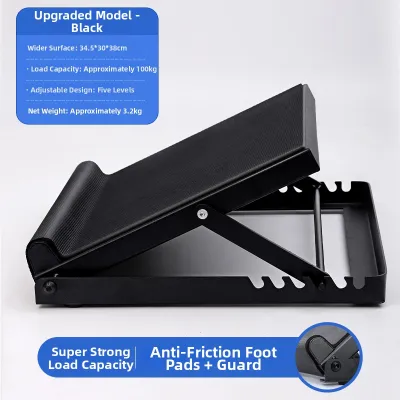

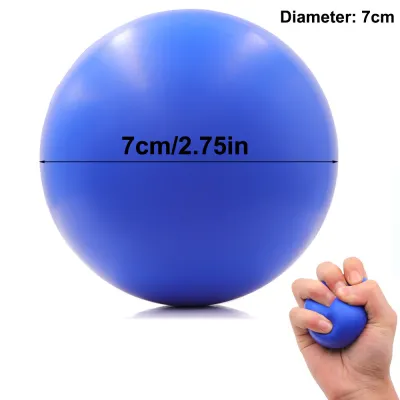
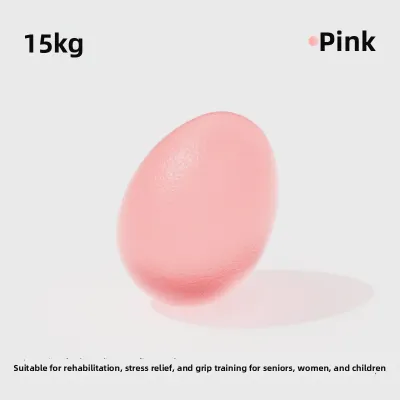

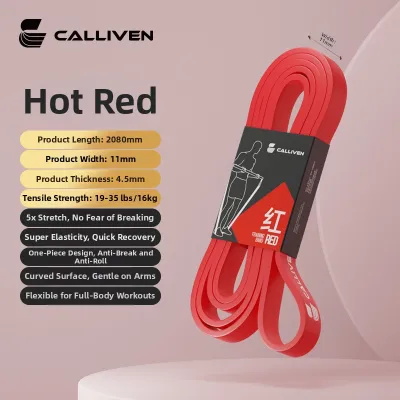
Prices are valid at publication and may change. Please refer to the product page for the latest price.
Equally important is aligning your equipment choices with your specific rehabilitation goals. If your primary focus is joint mobility or balance restoration, bulky weight sets are unnecessary. Instead, lightweight, targeted tools will serve you better and keep your home clutter-free. Identifying your precise physical therapy requirements first prevents the common mistake of buying oversized gear that eventually becomes an expensive clothes rack.
Categories of Space-Efficient Rehab Equipment
Selecting the right rehabilitation tools involves understanding how different categories of equipment support your recovery phases. For a small apartment, the goal is to choose items that provide progressive resistance and stability training while occupying minimal physical space. These tools can be categorized into lightweight mobility aids, compact strength equipment, and floor-based balance gear.

Resistance Bands and Mobility Tools
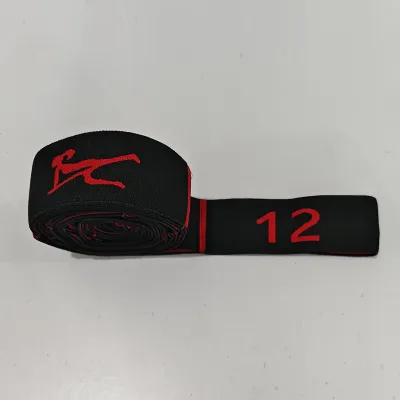
Resistance bands are arguably the most space-efficient rehab equipment available, offering customizable tension without the bulk of traditional weights. Loop bands are excellent for lower-body activation and hip rehabilitation, while tube bands with detachable handles allow for a wide range of upper-body pulling and pushing exercises. Because they rely on elastic tension rather than gravity, they provide continuous resistance throughout the entire movement, which is highly beneficial for joint stabilization.
When using resistance bands that require anchor points, safety is paramount. Always verify the structural integrity of the door or wall attachment you plan to use. If you are using a door anchor, it must be placed on the hinge side of a solid-core door that closes securely toward the frame, rather than pulling against the latch.
Storage for these tools is incredibly simple. Once your session is complete, resistance bands can be rolled up and stored in a small drawstring pouch, a drawer, or hung on simple wall hooks. This keeps them completely out of sight and protects them from being stepped on or damaged.
Foldable and Compact Strength Equipment
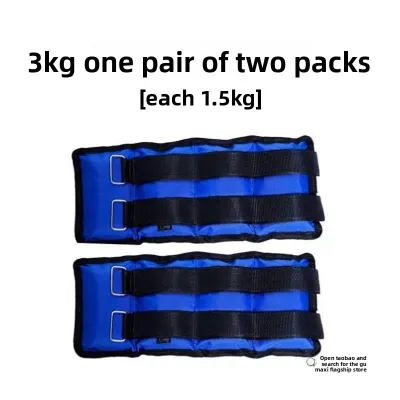
As your rehabilitation progresses, you may need to introduce external weights to rebuild muscle strength and bone density. Instead of purchasing a full rack of fixed dumbbells, look for adjustable dumbbells or selectorized kettlebells. These innovative tools combine multiple weight increments into a single pair, allowing you to progressively load your exercises while occupying the space of just two individual weights.
For low-impact cardiovascular work and lower-limb rehabilitation, foldable step platforms or mini-steppers are excellent alternatives to bulky treadmills or stationary bikes. A mini-stepper provides a gentle stepping motion that helps rebuild knee and ankle strength, and its compact frame can easily be tucked away when not in use.
When selecting any foldable equipment, always check the manufacturer’s specified weight capacity limits and structural stability ratings. Ensure that the folding mechanisms lock securely into place before applying your body weight, as any structural instability can compromise your safety during balance-sensitive rehab exercises.
Balance Pads and Floor-Based Rehab Gear
Balance and proprioception training are fundamental components of recovering from ankle, knee, or hip injuries. High-density foam balance pads and air-filled wobble cushions force your stabilizing muscles to engage, helping to restore joint stability and coordination. These items are lightweight, stackable, and can easily be slid under a sofa or stood upright in a closet.
A high-quality, rollable yoga or rehabilitation mat is also essential to protect your joints from hard HDB tile or vinyl flooring. Look for mats with a thickness of at least six millimeters to provide adequate cushioning for your knees, wrists, and spine during floor exercises.
To maintain these floor-based items, establish a regular cleaning and drying routine. Sweat and ambient humidity can lead to mold growth and material degradation on foam surfaces. Wipe down your mat and balance pads with a damp cloth after every session, and allow them to dry completely in a well-ventilated area before rolling or stacking them.
Storage and Setup Solutions for Compact Flats
Maximizing a small living area requires creative storage strategies that keep your rehab equipment accessible yet unobtrusive. Utilizing vertical space is one of the most effective ways to clear floor clutter. Consider installing wall-mounted racks or over-the-door organizers in your utility closet or bedroom to hold bands, foam rollers, and yoga mats. This keeps your gear organized at eye level and prevents tripping hazards on the floor.
Multi-functional furniture can also serve as hidden storage for your rehabilitation gear. Deep ottomans with hollow interiors, under-bed storage drawers, or decorative baskets can house adjustable dumbbells, balance pads, and massage balls. By integrating your equipment into your existing furniture, you maintain the aesthetic of your home while keeping your recovery tools within arm’s reach.
Environmental factors play a significant role in preserving the lifespan of your equipment. Singapore’s warm, humid climate can accelerate the breakdown of rubber, latex, and foam materials. Avoid storing your gear in direct sunlight, such as near balcony doors or windows, as ultraviolet rays can dry out and crack elastic bands. Ensure your storage areas are well-ventilated to prevent moisture buildup, which can lead to unpleasant odors and material deterioration.
Safety and Maintenance Checks for Home Rehab
Performing rehabilitation exercises at home requires a proactive approach to safety, as you do not have the immediate supervision of a clinical environment. Begin by assessing your flooring; always use a non-slip mat beneath your equipment to prevent sliding on smooth tiles. This simple step protects your HDB flooring from scratches and provides a stable foundation that reduces the risk of accidental falls.
Before starting any exercise session, conduct a quick visual inspection of your equipment. Check resistance bands for tiny tears, discoloration, or dry rot, and inspect foldable mechanisms for loose screws or worn joints. Using compromised equipment can lead to sudden failure, potentially causing re-injury or new physical trauma.
Finally, remember that home equipment is a tool to assist your recovery, not a replacement for professional medical guidance. Always stay within the movement boundaries prescribed by your healthcare provider. If you experience sharp pain, sudden swelling, or dizziness during an exercise, stop immediately and consult your physiotherapist or a qualified medical professional before resuming your routine.
Frequently Asked Questions (FAQ)
Can I use door anchors for resistance bands in an HDB flat?
Yes, you can use door anchors in an HDB flat, provided you take specific structural precautions. Always inspect the door frame and hinges to ensure they are sturdy and securely anchored to the wall. It is safest to place the anchor on the side of the door that closes into the frame, as this utilizes the door frame’s structural strength to resist the pulling force. Always lock the door before starting your exercise to prevent someone from opening it from the outside and causing a sudden release of tension.
How do I prevent rubber rehab equipment from degrading in a humid climate?
To protect rubber and latex rehab equipment from the local humidity, wipe down all surfaces with a clean, dry cloth after every use to remove corrosive sweat and body oils. Store your bands and foam rollers in a cool, dry cabinet away from direct sunlight and heat sources. If you notice your resistance bands becoming sticky, discolored, or showing fine cracks, replace them immediately, as these are clear signs of material breakdown that could lead to snapping during use.
Community discussion
Share your experience or ask a question. Comments are reviewed before publication.