
Finding the right fitness equipment for a small Housing & Development Board (HDB) bedroom in Singapore requires balancing your cardiovascular goals with strict spatial limitations. The most practical solution for these compact spaces is a high-quality mini stepper or a foldable stepper. These machines provide an effective aerobic workout while occupying a physical footprint of less than 0.2 square metres, allowing you to store them easily under a bed or inside a built-in wardrobe. When selecting a stepper, you must look beyond marketing images and evaluate critical factors such as operational clearance, noise dampening, and mechanical resistance types to ensure the machine fits both your room layout and your lifestyle.
Understanding Space Constraints in HDB Bedrooms
Modern HDB flat layouts, particularly newer Build-To-Order (BTO) flats, feature highly optimized bedroom dimensions. A typical common bedroom often measures between 8 to 10 square metres, while master bedrooms generally range from 10 to 12 square metres. Once you place a queen-sized bed, a wardrobe, and perhaps a study desk or dressing table in the room, the remaining floor area is highly restricted. Dedicating permanent floor space to bulky, traditional cardio machines like treadmills or stationary exercise bikes is rarely feasible without severely compromising your comfort and room mobility.
Beyond horizontal floor space, vertical clearance is a frequently overlooked constraint in Singaporean homes. Standard HDB ceilings sit at approximately 2.6 to 2.8 metres. If you have installed false ceilings, plasterboard features, or low-hanging light fixtures and ceiling fans, your available overhead space is further reduced. Because a stepper raises your body by 15 to 30 centimetres at the peak of your stride, you must calculate your total height while standing on the fully extended pedals. Failing to account for this vertical movement can bring your head uncomfortably close to moving ceiling fans or low fixtures, presenting a notable safety hazard.
Products mentioned in this guide
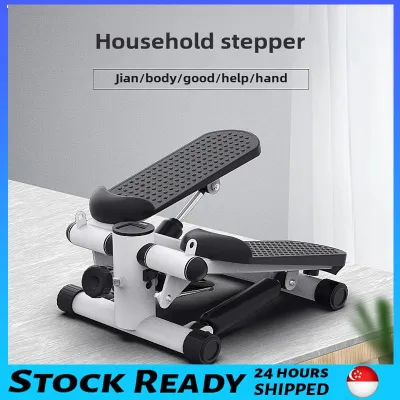
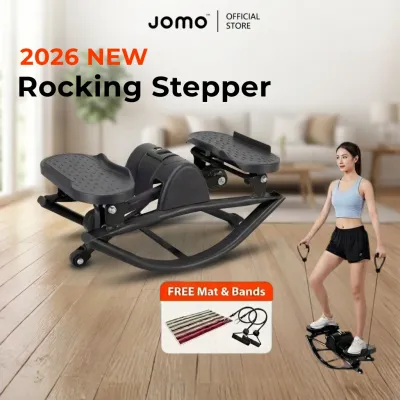
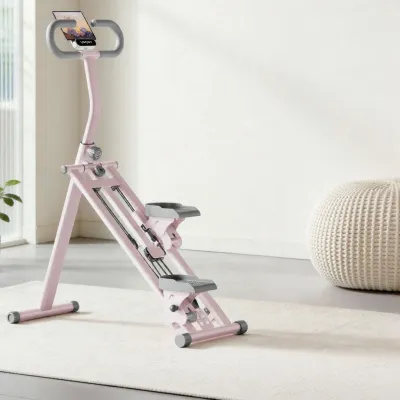
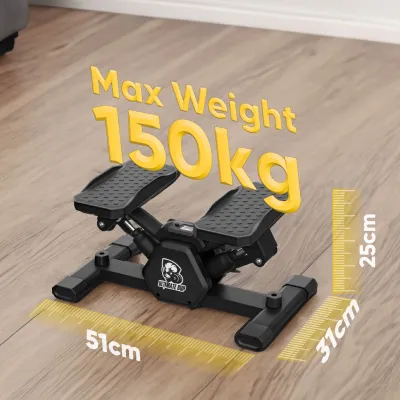
Prices are valid at publication and may change. Please refer to the product page for the latest price.
To maintain a relaxing, clutter-free sleeping environment, any fitness equipment you introduce must be highly adaptable. A bedroom that feels cramped or chaotic can negatively impact your sleep quality and daily productivity. Opting for multi-functional, lightweight, or easily stowable fitness gear ensures that your workout routine does not permanently disrupt the aesthetics or functionality of your personal sanctuary. Choosing a stepper that can be set up in seconds and hidden away just as quickly is key to sustaining a long-term home workout habit.
Essential Features of a Space-Saving Stepper
When evaluating compact fitness equipment, you must distinguish between the static physical footprint and the dynamic operational clearance. The physical footprint refers strictly to the dimensions of the machine when it is turned off and stored away. Operational clearance, however, is the actual space required while you are actively using the machine. This includes the forward and backward tilt of the pedals, the lateral space needed if you use resistance bands, and a safety buffer zone around the machine to allow you to mount and dismount without striking nearby furniture.

The structural design of the stepper determines how quickly you can transition from storage to exercise. Foldable steppers with hinged frames or collapsible handlebars offer excellent stability during workouts but require a brief setup process to unfold and lock the pins into place. On the other hand, flat-pack or modular mini steppers require no assembly or unfolding, allowing you to pull them out and begin stepping immediately. While flat-pack designs save setup time, they lack built-in upper-body support, which may influence your balance and exercise confidence.
Weight and portability are critical if you plan to store your equipment after every session. A stepper constructed from lightweight steel or reinforced composite materials typically weighs between 6 and 9 kilograms, making it easy to lift into a wardrobe or place on a high shelf. If you prefer a heavier, more heavy-duty model for increased stability, look for units equipped with integrated transport wheels. These wheels allow you to roll the machine across laminate or vinyl flooring without straining your back or causing surface scratches.
The type of resistance mechanism used directly impacts both the machine’s physical size and its noise profile. Compact steppers almost exclusively utilize hydraulic cylinders to generate resistance, as these cylinders are lightweight, simple, and require minimal space. However, hydraulic systems naturally heat up during use, which can limit your continuous workout time to 20 or 30 minutes to prevent seal degradation. In contrast, magnetic resistance systems offer whisper-quiet operation and highly adjustable resistance levels, but they require a larger internal flywheel, which significantly increases the machine’s overall weight and footprint.
Comparing Compact Stepper Designs for Small Bedrooms
To choose the right stepper for your HDB bedroom, you must understand the distinct design categories available on the market. Each design represents a specific compromise between stability, storage convenience, and workout variety.
Mini Steppers (With or Without Resistance Bands)
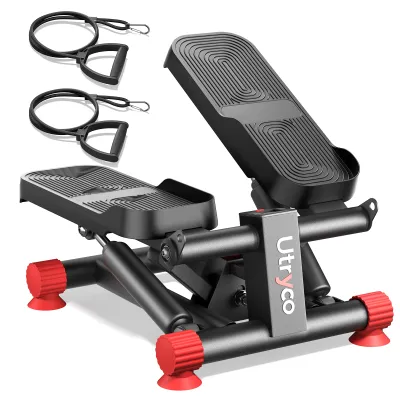
Mini steppers are the most compact option available, featuring a simple base with two independent pedals. Because they lack upright masts or handlebars, their physical footprint is incredibly small, often measuring no more than 40 centimetres by 45 centimetres. This ultra-compact design allows them to sit unobtrusively in a corner of your bedroom or slide neatly under a low desk. To compensate for the lack of handrails, many mini steppers include detachable elastic resistance bands. These bands allow you to engage your shoulders, biceps, and back while stepping, though using them requires extra lateral clearance to avoid hitting nearby walls or furniture. Because there is no physical frame to hold onto, mini steppers demand greater core engagement and balance from the user.
Foldable and Collapsible Steppers
Foldable and collapsible steppers feature a taller frame with integrated handlebars that can be folded down flat when not in use. These models are ideal if you prefer the security and balance of holding onto a physical handrail during intense cardio sessions. The folding mechanism typically utilizes quick-release pins or tension knobs, allowing the upright mast to fold flush against the pedal base. Once collapsed, the stepper’s profile is often reduced to under 20 centimetres in thickness, making it easy to slide behind a bedroom door, store vertically in a narrow utility closet, or lay flat under a bed frame. While they offer superior stability and a more natural upright posture, they do require a slightly longer setup time and occupy more storage volume than simple mini steppers.
Under-Desk and Low-Profile Steppers
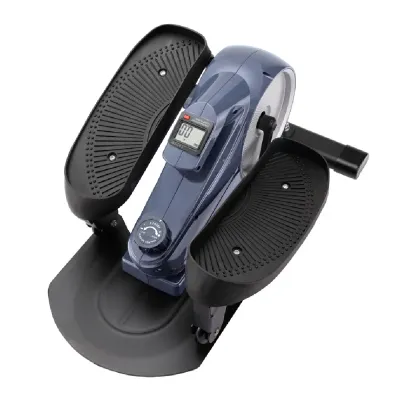
Under-desk and low-profile steppers are designed primarily for low-impact, seated exercise, though some hybrid models allow for light standing use. These units often employ a smooth, elliptical-like stepping motion rather than a purely vertical climb, which keeps your knees low and prevents them from knocking against the underside of a desk. Their low vertical profile makes them exceptionally easy to store, as they can remain permanently positioned under your work-from-home setup or slide under almost any standard bed frame. However, because these machines are optimized for seated or low-profile use, they generally deliver lower cardiovascular intensity and caloric burn compared to upright standing steppers. They are best suited for maintaining circulation and light activity during long sedentary hours rather than high-intensity cardio training.
Evaluating Stepper Brands and Models for Compact Spaces
Shopping for a stepper in Singapore requires a critical eye, as online marketing materials can often be misleading. To find a reliable machine that fits your specific space, you must focus on verifiable technical specifications rather than aesthetic promotional imagery.
Always verify the exact folded and unfolded dimensions directly from the manufacturer’s official specification sheet. Marketing photos frequently feature wide-angle lenses or spacious room backdrops that make the equipment appear smaller than it is in reality. Measure your intended workout and storage areas with a tape measure, and compare those figures directly against the manufacturer’s listed dimensions to ensure a precise fit.
Do not overlook the maximum user weight capacity and the physical surface area of the pedals. A compact design should not come at the expense of structural integrity. Ensure the stepper is rated to support your body weight with a comfortable safety margin, as operating a machine near its weight limit can accelerate wear on the hydraulic cylinders or frame joints. Additionally, check that the pedal surface is wide and long enough to accommodate your athletic shoes comfortably, preventing foot slippage and ensuring even weight distribution.
Prioritise brands that offer local warranty support and accessible customer service within Singapore. Hydraulic cylinders are mechanical components subject to high friction and heat, meaning they may eventually require replacement or maintenance. Purchasing from a brand with a local distributor or dedicated service centre ensures you can easily source replacement parts, hydraulic fluid, or professional repair services without dealing with expensive international shipping or prolonged downtime. Broad price bands for these machines typically range from S$50 for basic mini models to over S$200 for heavy-duty foldable designs.
When browsing online marketplaces or retail websites, filter user reviews specifically for terms like “durability,” “leaks,” “squeaking,” and “noise.” Real-world feedback from other apartment dwellers is invaluable for identifying potential issues that might not be apparent in a product description. Pay close attention to reviews mentioning hydraulic fluid leaks, as leaking oil can permanently ruin bedroom carpets, laminate floors, or vinyl tiles.
Planning Your Bedroom Layout and Storage
Successfully integrating a stepper into a small bedroom requires careful spatial planning to ensure your workouts are both safe and convenient. By organizing your room layout beforehand, you can prevent the equipment from becoming a physical obstacle or an eyesore.
Begin by measuring your operational clearance zone. You should aim for at least 50 centimetres of open space on all sides of the stepper during use. This clearance zone ensures that your knees do not strike your bed frame or desk, your arms can swing naturally without hitting walls, and you can safely step off the machine in case you lose your balance. Mark this zone out temporarily using painter’s tape on your floor to visualize how the stepper will interact with your existing furniture layout.
Next, identify the “dead spaces” within your bedroom that can serve as dedicated storage zones. The space beneath a standard bed frame is often underutilized; measure the vertical clearance between the floor and the bottom of your bed frame to see if a flat-profile stepper can slide underneath. Other excellent storage spots include the narrow gap between your wardrobe and the wall, the space behind an open bedroom door, or the floor of your built-in wardrobe. Storing your stepper vertically is highly space-efficient, but always ensure the machine is securely positioned so it cannot tip over and cause injury or damage.
Finally, integrate a high-density floor mat into your setup. A dedicated equipment mat serves multiple purposes: it protects your bedroom flooring from scratches and pressure marks, absorbs vibrations, and clearly defines your workout area. Choose a rollable or foldable mat made of high-density PVC or rubber that can be easily stored alongside the stepper. When your workout is finished, you can roll up both the mat and the stepper, returning your bedroom to its original, clutter-free state in less than a minute.
Managing Noise, Vibration, and Safety in HDB Flats
Living in an HDB flat means sharing walls and floors with neighbors, making noise and vibration management a top priority. A quiet workout routine ensures you can exercise at any time of day without causing friction with those living around or below you.
Impact noise is the most common source of disturbance when using a stepper. This noise occurs when the pedals “bottom out,” hitting the base of the frame with force at the end of each stride. To prevent this structural vibration from traveling through the concrete slab of your HDB building, practice proper stepping technique by reversing your stride just before the pedal reaches the bottom of its path. Additionally, place a thick, shock-absorbing anti-vibration mat beneath the stepper to dampen any residual impact and prevent sound transmission.
Mechanical noise, such as squeaking joints or hissing hydraulic cylinders, can also disrupt a quiet household. Regular, low-risk maintenance is essential to keep your stepper running quietly. Wipe down the metal shafts of the hydraulic cylinders with a clean, dry microfiber cloth after every session to remove dust, lint, and sweat. Periodically check all structural bolts and tighten them using the tools provided by the manufacturer, as loose joints are a primary cause of creaking and instability. Always consult your product’s user manual before applying any lubricants, as using the wrong type of oil can damage the seals or attract dust, worsening the noise.
Cardio workouts in small, enclosed bedrooms can quickly raise the temperature and humidity, leading to a stuffy environment. Ensure adequate ventilation by opening your bedroom windows or door to promote cross-ventilation. Position a standing fan or air circulator to blow air directly across your workout zone, or run your air conditioning unit to keep the room cool and dry. Proper airflow not only improves your comfort and stamina but also helps prevent sweat from dripping onto and corroding the metal components of your stepper.
Lastly, prioritize stability and grip to prevent slips and falls. Smooth HDB flooring materials, such as polished porcelain tiles, vinyl, or laminate, can become highly slippery when exposed to dust or moisture. Ensure that the rubber feet on the base of your stepper are clean, dry, and making full contact with the floor or your equipment mat. If you notice the stepper shifting or sliding during use, stop immediately to adjust the base or clean the floor surface, as a sliding machine can lead to a loss of balance and potential injury.
Frequently Asked Questions (FAQ)
Can I use a stepper on HDB laminate flooring without scratching it?
Yes, you can use a stepper on laminate flooring, but you must use a protective barrier. The heavy, concentrated weight of the machine combined with the repetitive stepping motion can cause the rubber feet to rub against the laminate, leading to surface scratches, scuffs, or permanent pressure indentations. To prevent this damage, always place a high-density, non-slip equipment mat or a thick rubber utility mat beneath the stepper. This mat distributes the weight evenly, absorbs vibrations, and prevents the machine from sliding, keeping your laminate floors in pristine condition.
Are mini steppers effective for cardio compared to full-size models?
Mini steppers are highly effective for cardiovascular conditioning, though they require a slightly different approach than full-size gym machines. Because mini steppers have a shorter range of motion, you may need to maintain a faster stepping cadence or extend your workout duration to achieve the same caloric burn and heart rate elevation as a larger machine. Many users utilize the included resistance bands to perform upper-body movements, such as bicep curls or shoulder presses, while stepping. This multi-joint engagement increases your overall energy expenditure, making the mini stepper an exceptionally efficient tool for its size.
How do I prevent a hydraulic stepper from squeaking in a quiet bedroom?
To prevent your hydraulic stepper from squeaking, establish a simple maintenance routine. Squeaking is typically caused by friction in the pivot joints or dust buildup on the hydraulic piston rods. Regularly wipe the piston rods with a clean, dry cloth to remove any debris. If the squeaking persists, refer to your manufacturer’s care instructions to identify the approved lubrication points; applying a few drops of a recommended lubricant (such as a silicone-based spray or light machine oil) to the joints can resolve the noise. Additionally, avoid continuous sessions longer than 20 to 30 minutes, as overheating the hydraulic fluid can cause temporary squeaking and accelerate wear on the internal seals.
Community discussion
Share your experience or ask a question. Comments are reviewed before publication.