
Finding space for fitness equipment in a modern Singapore home requires a careful balance of functionality and footprint. In typical Housing & Development Board (HDB) flats, where bedrooms and living areas serve multiple purposes, bulky gym machines are rarely practical. The most suitable thigh exercisers for these compact layouts are those that can be easily tucked under a bed, slipped into a wardrobe, or set up in a small corner without disrupting the flow of your daily life.
By focusing on highly portable, low-profile equipment like resistance bands, gliding discs, mini steppers, and foldable spring-resistance devices, you can achieve an effective lower-body workout without sacrificing your precious floor area. Selecting the right tool involves understanding your specific space constraints, verifying equipment specifications, and choosing gear that matches your home environment.
Assessing Your Available Space
Before purchasing any fitness gear, you must accurately measure your designated workout zone to ensure safe and comfortable movement. Start by clearing a dedicated spot in your bedroom or living room and measuring the length and width of the floor space. Keep in mind that your body needs room to expand during exercise; for instance, lateral lunges or leg lifts require a wider clearance than static exercises. You should aim for a clear zone that accommodates your full height when lying down, plus at least half a meter of buffer space on all sides to prevent bumping into walls, television consoles, or study desks.
Products mentioned in this guide
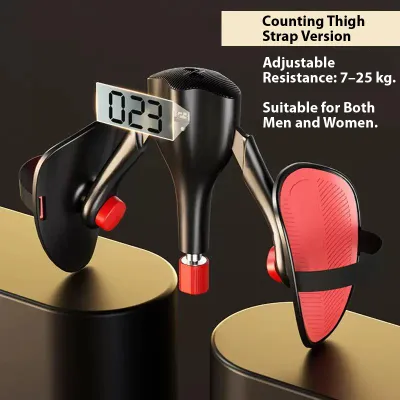
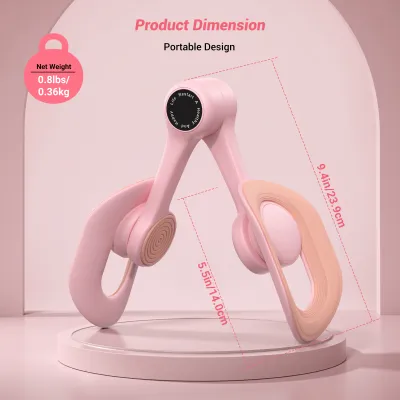
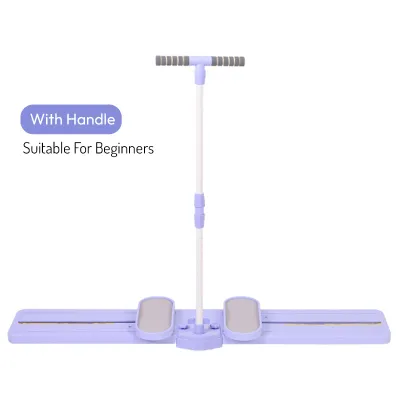
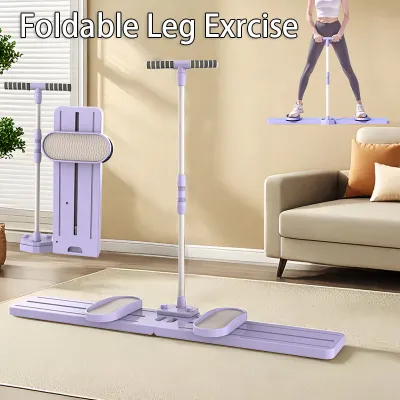
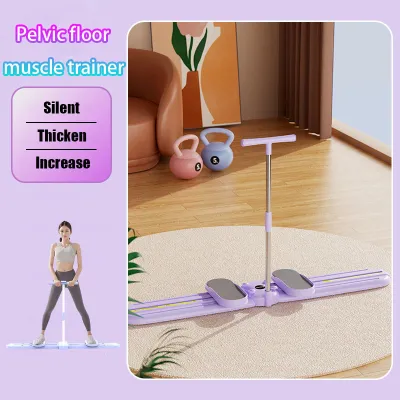
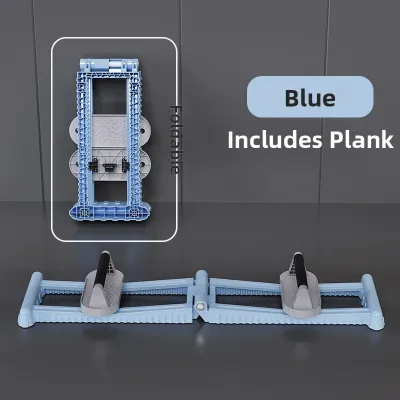
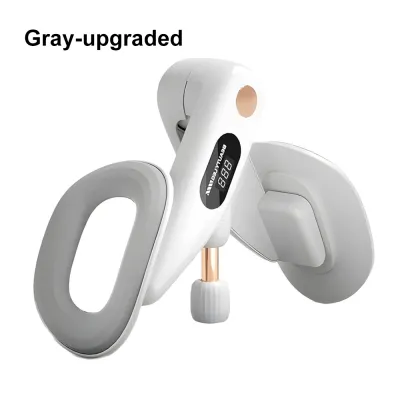
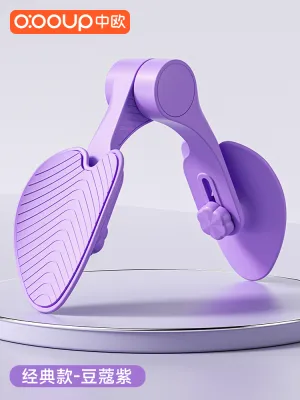
Prices are valid at publication and may change. Please refer to the product page for the latest price.
Ceiling height is another critical factor that is easily overlooked, particularly in newer BTO flats with standard ceiling clearances. If you plan to use standing equipment, such as a mini stepper, you must calculate your combined height when standing on the machine at its highest pedal stroke. Ensure there is ample clearance between your head and any ceiling fans, light fixtures, or low-hanging beams to avoid painful accidents.
Finally, measure your intended storage spaces before committing to a purchase. Check the vertical clearance under your bed frame, the depth of your wardrobe shelves, and the narrow gaps beside your washing machine or refrigerator. Knowing these exact dimensions beforehand prevents the frustration of buying equipment that ends up permanently cluttering your living room walkway because it is a few centimeters too tall to slide under your sofa.
Types of Space-Saving Thigh Exercisers
Selecting the right equipment depends on how you prefer to train your lower body and how much storage space you can spare. Different types of compact thigh exercisers offer distinct footprints, ranging from completely flat accessories that fit in a drawer to small mechanical devices that sit quietly in a corner. These tools target the thighs through various movement patterns, such as lateral resistance, stepping motions, or smooth gliding paths. While all of these options are designed with small homes in mind, you must always verify the manufacturer’s exact product dimensions against your home measurements to ensure a perfect fit.

Resistance Bands, Gliding Discs, and Sliders
For those living in highly cozy studio apartments or smaller HDB units, resistance bands and gliding discs represent the ultimate space-saving solution. These accessories require virtually zero storage space and can be easily gathered into a small drawer or hung on a closet hook when not in use. They rely on your body weight and elastic tension to target the inner and outer thighs, making them exceptionally quiet and versatile for floor-based routines.
To use gliding discs effectively, you need a clear, smooth floor area that allows for uninterrupted sliding movements. It is important to inspect your floor surface beforehand, as rough tiles or textured vinyl can impede the glide and scratch the equipment. When purchasing resistance bands, always check the product label for resistance levels and material durability to ensure they match your current fitness level and will not snap during high-tension movements.
Mini Steppers and Compact Pedalers
If you prefer low-impact cardio that also engages the quadriceps, hamstrings, and glutes, mini steppers and compact pedalers are excellent alternatives to bulky stationary bikes or treadmills. These machines occupy a very small floor footprint, typically no larger than a standard double-shoebox, making them easy to position in front of a television or beside a work desk. Before buying, always verify the manufacturer’s specified maximum user weight capacity to ensure safe operation during active workouts.
Storing these devices is straightforward, but you must decide whether you want to keep them tucked under a desk for active sitting or stowed away in a closet. If you plan to use a compact pedaler while seated at a desk or sofa, check the pedal stroke height to ensure your knees will not repeatedly knock against the underside of your furniture.
Foldable or Adjustable Resistance Machines
Hinged thigh masters and adjustable lever machines offer targeted resistance for the inner thighs through simple squeezing motions. Many of these modern designs feature foldable frames or detachable arms that significantly reduce their storage footprint when folded flat. This makes them highly convenient for sliding into narrow gaps between furniture or placing on a closet shelf.
Before each workout session, it is vital to inspect the locking pins, hinges, and spring mechanisms for stability and wear. Ensure all adjustable parts are securely locked into place to prevent the equipment from slipping or collapsing during a high-resistance squeeze. Always compare the folded dimensions provided by the manufacturer with your designated shelf space to confirm it will fit out of sight.
Key Dimensions and Storage Features to Verify
When shopping on online marketplaces, do not rely solely on product photos, which can often make items look smaller than they are in reality. Always locate the technical specifications section to find the exact length, width, and height of the equipment in both its active and folded states. Compare these numbers directly with the measurements you took of your workout corner and storage spots to avoid any surprises upon delivery.
Look for specific design features that enhance portability and ease of storage in a compact home. Removable handles, detachable resistance bands, and flat-folding hinges are incredibly valuable for breaking down the equipment into smaller, more manageable pieces. If a machine cannot be folded, check if it can be stored vertically against a wall or inside a wardrobe to minimize its floor footprint.
Additionally, verify the total weight of the equipment and check for built-in carry handles or transport wheels. A thigh exerciser that is easy to lift and roll makes it much more likely that you will consistently put it away after your workout, keeping your HDB flat tidy and organized. If the machine is too heavy or awkward to move without assistance, it may end up becoming a permanent obstacle in your living space.
Safety, Stability, and Floor Protection
Using fitness equipment on typical apartment flooring requires careful consideration to prevent damage and maintain a peaceful home environment. Most HDB flats feature homogeneous tiles, vinyl, or laminate flooring, which can easily suffer from scratches, scuffs, or indentations under heavy or moving equipment. Placing a high-density, non-slip exercise mat beneath your thigh exerciser is a simple and highly effective way to protect your floors and keep the machine from sliding during intense movements.
In high-density housing, noise and vibration transfer to downstairs neighbors is a common concern that must be managed proactively. Stepping machines, pedalers, and even the repetitive sliding of gliding discs can create low-frequency vibrations that travel easily through concrete floor slabs. Using a thick rubber mat helps absorb these vibrations, ensuring your workouts remain quiet and respectful of those living below you.
Lastly, prioritize your physical safety by ensuring the equipment remains completely stable during use. If you notice any wobbling, tilting, or unusual shifting on uneven floor tiles, stop your workout immediately. Check that the equipment is resting on a completely flat surface, inspect all adjustable feet, and consult the manufacturer’s guidelines to resolve any stability issues before resuming your routine.
Frequently Asked Questions (FAQ)
Can I use a thigh exerciser on a carpeted bedroom floor?
Whether you can use a thigh exerciser on carpet depends heavily on the type of equipment and the thickness of the carpet pile. Gliding discs, for example, require specialized plastic sliders designed specifically for carpets, as standard hard-floor discs will not slide smoothly and can damage the fibers. For mini steppers or pedalers, a low-pile carpet can offer decent stability, but you should still place a protective mat underneath to prevent deep indentations and ensure the machine remains perfectly level during use. Always check the manufacturer’s recommended floor surfaces to avoid damaging your carpet or compromising your safety.
How do I maintain a compact thigh exerciser to ensure it lasts?
Proper maintenance is essential for keeping your compact fitness gear safe and functional over the long term. After every workout, use a clean, damp cloth to wipe down any sweat, dust, or body oils from the surfaces, handles, and resistance bands, as moisture can degrade rubber and corrode metal parts over time. Store your equipment in a cool, dry place away from direct sunlight and high humidity, which are common in Singapore’s tropical climate and can cause rubber bands to become brittle or metal hinges to rust. Regularly inspect all joints, springs, and bands for signs of wear, and replace any compromised parts immediately to prevent accidents.
Community discussion
Share your experience or ask a question. Comments are reviewed before publication.