
Finding the best 15mm non-slip yoga mat brand requires looking beyond generic marketing to evaluate how manufacturers balance deep cushioning with surface stability. A 15mm thickness is a highly specialized category, primarily designed to protect sensitive joints from hard floors. However, because thicker foam naturally compresses under weight, the ideal brand for your practice depends on how well they engineer their materials to prevent slipping and sinking. Rather than declaring a single universal winner, the best brand is the one that aligns its material density and grip technology with your specific movement style, whether you require plush support for restorative floor work or a firmer, dual-layer foundation for standing balance poses.
Defining Your Priorities for a 15mm Mat
Before comparing specific brands, you must identify the primary physical needs and practice constraints that lead you to a 15mm mat. Most practitioners seek this extreme thickness to alleviate joint discomfort in the knees, hips, or wrists, or because they frequently practice on unforgiving surfaces like concrete, tile, or thin hardwood floors. If your routine consists primarily of restorative yoga, yin yoga, or floor-based Pilates, a highly cushioned surface is often the priority.
However, choosing a 15mm mat introduces a significant biomechanical trade-off. Thicker materials reduce ground feedback, making standing balance poses like Tree Pose much more challenging. When a mat compresses deeply, your ankles must work harder to maintain alignment. If your practice includes standing postures, look for brands offering high-density materials rather than soft, pillowy foams.
Products mentioned in this guide
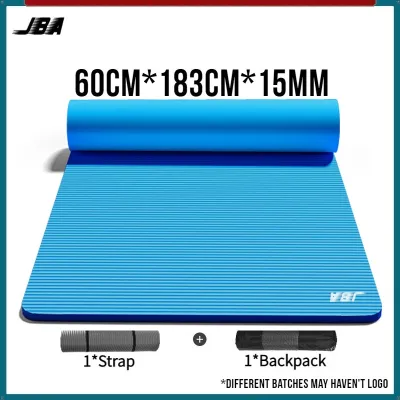
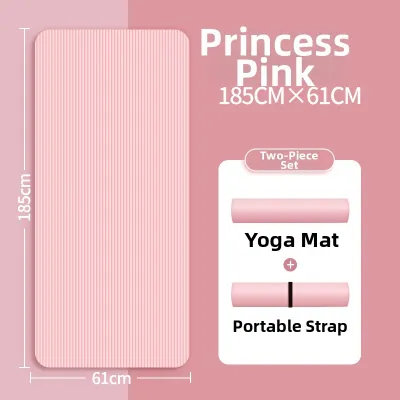
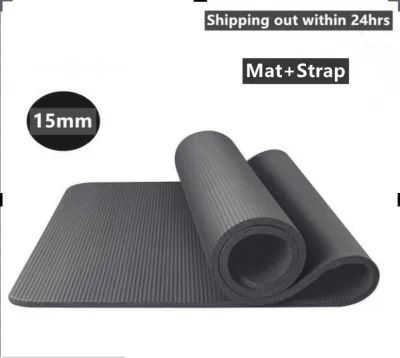
Prices are valid at publication and may change. Please refer to the product page for the latest price.
Your practice environment and sweat levels also dictate grip requirements. If you practice in a humid climate, such as Singapore, or sweat heavily, a standard textured surface may not prevent slipping. Verify whether a brand’s non-slip technology is designed for moisture or strictly optimized for dry conditions to ensure your safety.
Key Dimensions for Comparing 15mm Mat Brands
Evaluating 15mm mats requires a different set of criteria than standard 4mm or 6mm mats. Because of the sheer volume of material involved, minor differences in construction can dramatically alter how the mat performs under pressure. To compare brands effectively, you should focus on three main pillars: surface grip technology, core cushioning density, and material longevity. Standard consumer reviews often overlook these thick-mat metrics, making it essential to understand how to read manufacturer specifications directly.

Evaluating Non-Slip Grip Technologies
A non-slip surface is critical when dealing with a 15mm mat, as any sliding can be amplified by the shifting foam beneath you. When comparing brands, start by identifying whether they use closed-cell or open-cell surface technology. Closed-cell mats feature a sealed surface that does not absorb moisture. These mats are highly hygienic and easy to wipe clean, but they rely entirely on molded surface textures—such as ribbed patterns or embossed grids—to provide traction. If your hands sweat, a closed-cell surface can quickly become slick unless the manufacturer has applied a specialized high-traction coating.
Open-cell mats feature a porous structure that actively absorbs moisture, creating a reliable grip even during sweaty practices. However, they require more intensive cleaning to prevent bacteria buildup and can degrade faster if exposed to harsh cleaning agents.
When evaluating a brand’s claims, check if they specify wet versus dry grip performance. Some brands design mats for dry, low-intensity practices, while others engineer surfaces to become grippier as they get wet. If you practice dynamic styles, look for brands that explicitly mention slip-resistance under active movement.
Assessing Cushioning and Joint Support
The protective quality of a 15mm mat is determined by its material density, not just its thickness. A common mistake is assuming that all 15mm mats offer the same level of joint support. Low-density mats, often made from cheap foam, feel incredibly soft to the touch but compress completely to the floor under the weight of a knee or elbow. This “bottoming out” defeats the purpose of a thick mat and can lead to sudden joint strain.
To verify a brand’s cushioning quality, check the product labels for the specific material used. Nitrile butadiene rubber (NBR) is a common choice for budget-friendly 15mm mats; it is highly elastic and soft, but it tends to have lower density, meaning it compresses easily and can feel unstable during standing poses. Thermoplastic elastomer (TPE) offers a lighter weight and moderate density, providing a balance between softness and support. Natural rubber is the densest option, offering exceptional support that resists bottoming out, though it makes the mat significantly heavier.
Evaluate the mat’s edge support and structural integrity. High-quality brands design thick mats with reinforced edges or dual-layer constructions to ensure the mat maintains its shape near the border. A mat that squishes flat at the edges can cause you to lose your balance during transitions.
Matching Brand Design Profiles to Your Practice
Because 15mm is an extreme thickness, manufacturers rarely design these mats as all-purpose gear. Instead, brands typically align their products with one of two distinct design philosophies. Understanding these profiles allows you to quickly narrow down your options based on whether you prioritize absolute comfort or a balance of cushion and stability.
Brands Prioritizing Maximum Joint Protection
Brands in this category focus on creating a plush, cloud-like experience. These mats are almost exclusively made from high-density NBR or thick, soft TPE formulations. When you step onto one of these mats, the material conforms to your body, providing immediate relief to sensitive pressure points. This design is highly beneficial for restorative yoga, yin yoga, floor-based Pilates, or physical therapy exercises where you spend the majority of your time seated, kneeling, or lying down.
However, this extreme cushioning comes with clear trade-offs. These mats are highly bulky, making them difficult to roll tightly and transport to a studio. They also offer very little ground feedback, meaning standing balance poses will feel highly unstable. If you choose a brand that prioritizes maximum joint protection, you should view it primarily as a home-based mat for low-impact, floor-centric routines.
Brands Balancing Thickness with Stability
To address the instability of thick foam, some brands utilize advanced structural designs to balance thickness with support. These manufacturers often employ dual-layer constructions, featuring a firm, high-density bottom layer to prevent bottoming out, topped with a slightly softer, high-grip layer for comfort. Alternatively, they may use high-density natural rubber, which provides a firm, supportive foundation despite the 15mm thickness.
This design profile is ideal for practitioners who require joint protection but still want to perform standing postures or gentle flows. The firm core ensures your feet do not sink completely, keeping your ankles stable. The primary trade-offs are weight and cost; high-density natural rubber mats are exceptionally heavy and typically command a premium price. They also require specific care to prevent the natural materials from drying out or losing their grip.
Verifying Durability and Material Safety
Because 15mm mats contain a substantial volume of material, verifying their safety and durability is essential before making an investment. Thick foam products can sometimes emit strong chemical odors or contain harmful plasticizers if they are manufactured without strict quality controls. To protect your health, look for brands that carry independent third-party certifications, such as OEKO-TEX Standard 100 or SGS testing. These certifications verify that the mat has been tested for harmful substances and is safe for prolonged skin contact.
Durability is another critical factor, as low-quality thick mats are prone to flaking or tearing during active use. When you apply horizontal force—such as in Downward-Facing Dog—a poorly constructed mat may stretch or crumble. Check the manufacturer’s warranty terms and return policies to gauge their confidence in material longevity.
Additionally, review the manufacturer’s care instructions before purchasing. Some non-slip surfaces are highly sensitive to specific cleaning agents, and using the wrong solution can permanently ruin the grip.
Decision Framework: Selecting the Right Brand
To finalize your selection, use this conditional framework to match a brand’s design to your specific practice requirements:
- Movement Style: If your practice involves standing balances or active flows, prioritize brands offering high-density natural rubber or dual-layer constructions to prevent your feet from sinking into an unstable surface.
- Location and Transport: If you carry your mat to a studio, a 15mm mat may be too bulky and heavy. For home use, a heavier, high-density mat is an excellent investment that remains flat. If you must travel, look for lighter TPE-based brands.
- Sweat and Environment: For hot yoga or high humidity, verify that the brand specifies "wet grip" performance or features an open-cell surface. Otherwise, be prepared to use a grip towel to prevent slipping.
- Safety and Care: Ensure the brand aligns with your maintenance preferences and is certified free from harmful chemicals, giving you peace of mind during deep breathing.
Frequently Asked Questions (FAQ)
Is a 15mm mat too thick for balancing poses?
Yes, a 15mm mat can significantly challenge your balance because the thick material compresses under your feet, reducing ground feedback and causing your ankles to wobble. To mitigate this, look for brands that use high-density materials like natural rubber or dual-layer foam, which offer a firmer core that resists deep sinking. If you find balancing too difficult on a thick mat, you can temporarily step off the mat onto the hard floor for standing poses, then return to the mat for floor work.
How do I clean a thick non-slip mat without damaging the grip?
Always check the manufacturer’s specific care label first, as cleaning methods vary by material. For closed-cell mats, a gentle wipe with a damp cloth and a mild, non-oil-based soap is usually sufficient to maintain the grip. For open-cell mats, which absorb moisture, you must avoid submerging them in water unless explicitly permitted by the brand. Allow the mat to air-dry completely in a shaded, well-ventilated area before rolling it up, as trapping moisture inside thick foam can lead to mold and material degradation.

Community discussion
Share your experience or ask a question. Comments are reviewed before publication.