
When you are pushing through an intense workout, nothing is more refreshing than a long draught of ice-cold water. For athletes and fitness enthusiasts, a 2 litre water bottle is an excellent way to ensure you stay hydrated without constantly pausing your training to find a water cooler. However, not all large-capacity bottles are created equal when it comes to temperature control. If you have ever reached for your bottle mid-workout only to find your water has turned lukewarm, you know how crucial thermal performance is.
Choosing a bottle that keeps your drinks cold for hours requires looking past flashy branding and understanding the engineering behind thermal retention. While many manufacturers promise all-day ice preservation, the actual performance depends heavily on material construction, lid design, and how you use the bottle in your training environment. By focusing on verifiable specifications rather than marketing slogans, you can find a high-capacity bottle that delivers reliable cooling throughout your entire session.
Quick Answer: Identifying the Best Insulation for 2L Bottles
To find a 2 litre water bottle that keeps drinks cold the longest, you must look beyond brand names and focus on the underlying insulation technology. The single most critical factor for long-term cold retention is double-wall vacuum insulation. This specific construction creates a thermal barrier that prevents external heat from reaching your beverage, making it the mandatory baseline for any high-performance sports bottle.
Products mentioned in this guide
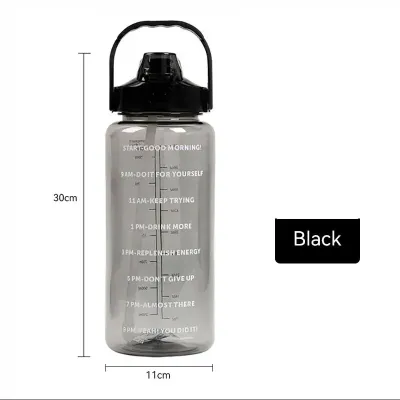
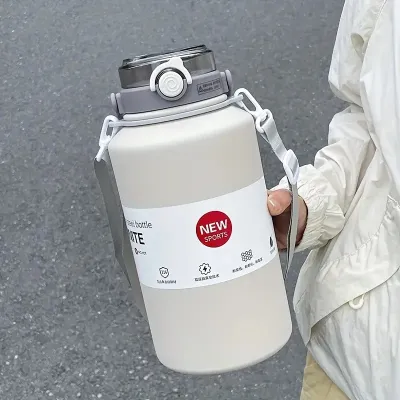
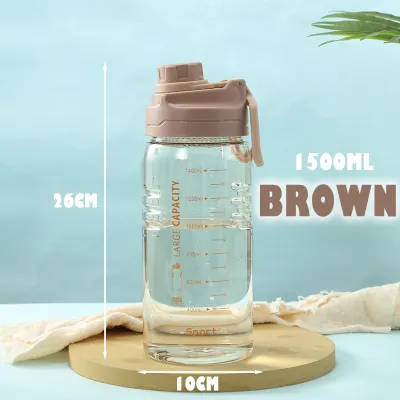
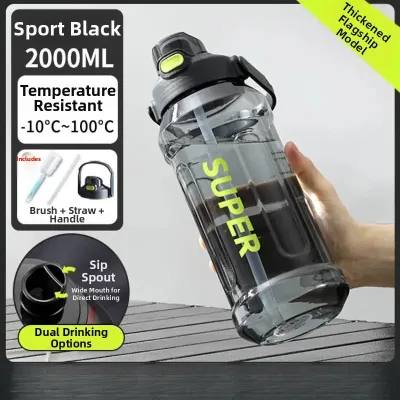
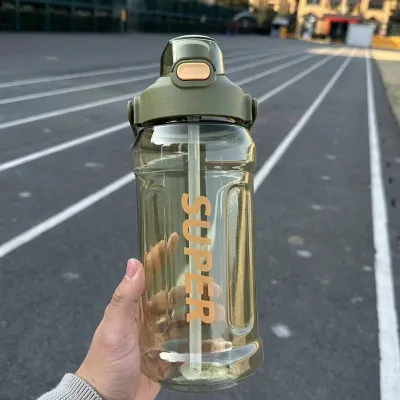
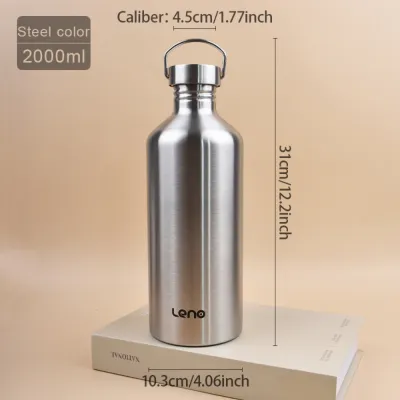
Prices are valid at publication and may change. Please refer to the product page for the latest price.
While many brands advertise impressive cold retention hours, the exact duration your water stays cold will vary significantly based on real-world conditions. Ambient temperatures, exposure to direct sunlight, the design of the lid, and the initial ratio of ice to water all play major roles in thermal performance. Rather than relying solely on promotional claims, you should evaluate standardized manufacturer testing conditions and physical build quality to determine which bottle will perform best during your workouts.
Insulation Technologies That Actually Keep Drinks Cold
To make an informed choice, it helps to understand the physical construction differences that dictate thermal performance in large-capacity bottles. The market is filled with various materials, but only a few are engineered to resist heat transfer effectively.

Double-wall vacuum stainless steel is the gold standard for temperature retention. This construction features an inner and outer stainless steel vessel with a vacuum sealed between them. Because a vacuum contains no air molecules, it eliminates conduction and convection—the two primary methods by which heat transfers. This means the warm air of a gym or an outdoor track cannot easily penetrate the bottle to warm your water. For a 2 litre water bottle, this technology is essential if you require your drinks to remain ice-cold for several hours or even a full day.
Some premium insulated bottles incorporate enhanced thermal barriers, such as a copper lining applied to the outer surface of the inner wall. Copper is an exceptional thermal reflector, which helps minimize radiant heat transfer across the vacuum gap. While these triple-layer or copper-lined variants offer theoretical performance benefits, they also add to the overall weight of the container. When you consider that 2 litres of water already weighs approximately 2 kilograms, any additional bottle weight is a key trade-off to evaluate if you plan to carry your bottle over long distances.
In contrast, single-wall plastics, such as Tritan or polycarbonate, offer virtually no thermal insulation. While these materials are incredibly lightweight, highly durable, and cost-effective, heat passes through their single-layer walls almost instantly. If you fill a plastic bottle with ice water, condensation will quickly form on the exterior, and the water will reach room temperature within an hour or two. These bottles are excellent for lightweight transport and quick consumption, but they are entirely unsuitable for long-term cold retention.
How to Verify Brand Claims and Check Specifications
With so many manufacturers claiming superior thermal performance, learning how to read product specifications and verify engineering quality is the best way to make a smart purchase.
First, look for the specific testing parameters behind a brand’s cold retention claims. Reliable manufacturers often disclose the conditions under which their bottles were tested, such as the starting water temperature, the ambient room temperature, and whether the test was conducted with a bottle full of ice. If a brand claims 24 hours of cold retention but does not specify the testing environment, the claim may be based on unrealistic laboratory conditions that do not reflect a hot outdoor workout. In warm, humid climates like Singapore, where outdoor temperatures regularly exceed 30°C, these standardized details are crucial for setting realistic expectations.
Second, examine the grade of stainless steel used in the bottle’s construction. High-quality insulated sports bottles are typically manufactured from food-grade 18/8 stainless steel, also known as 304-grade steel. This material is highly resistant to rust, resists denting from accidental drops, and does not retain or transfer flavours from previous drinks. Checking for this specification ensures that your bottle remains hygienic and structurally sound over years of heavy use.
Finally, pay close attention to the lid design and sealing mechanisms. The lid is the primary point of thermal vulnerability because it is usually made of plastic rather than insulated stainless steel. Heat enters the bottle primarily through uninsulated caps or poorly sealed openings. Look for lids that feature thick silicone gaskets, secure locking latches, and double-wall or insulated cap construction. While a wide-mouth opening makes it easy to add large ice cubes, a smaller drinking spout or a straw lid helps minimize the escape of cold air every time you take a sip.
Real-World Factors That Reduce Cold Retention During Workouts
Even the most advanced double-wall vacuum insulated bottle will experience reduced thermal performance if environmental and behavioral factors are not managed during your training sessions.
Ambient temperature and direct sunlight exposure are the most common external challenges. If you are training outdoors, such as at an open-air court, a fitness corner, or on a coastal cycling path, leaving your bottle exposed to direct sunlight will rapidly heat the outer steel shell. Although the vacuum layer blocks direct conduction, the intense heat on the bottle’s exterior will eventually transfer through the uninsulated neck and lid, warming your drink much faster than if the bottle were kept in the shade or inside a sports bag.
The frequency with which you open the bottle also plays a major role in temperature loss. Every time you unscrew the cap or flip open the spout, cold air escapes and warm, humid ambient air rushes inside. If you are taking frequent sips during a high-intensity workout, this constant air exchange disrupts the internal thermal environment, causing ice to melt much quicker. To combat this, try to keep the lid tightly sealed whenever you are not actively drinking.
Additionally, the initial temperature of your liquid and the volume of ice you use are critical starting conditions. Filling a 2 litre water bottle with lukewarm tap water and adding only a handful of ice cubes will result in rapid thermal equalization, melting the ice almost instantly. To maximize cold retention, pre-chill your bottle by filling it with ice water for a few minutes before your workout, empty it, and then refill it with chilled water and a generous amount of ice. The greater the volume of ice relative to the water, the longer the contents will remain cold.
Decision Framework: Matching the Bottle to Your Training Environment
Choosing the right 2 litre water bottle involves balancing your need for cold retention against the practicalities of your specific workout routine and carrying methods.
If your primary goal is maximum cold retention, preventing exterior condensation, and ensuring long-term durability, a double-wall vacuum insulated stainless steel bottle is the clear choice. This option is ideal for long outdoor training sessions, day-long sporting events, or workouts in hot environments where access to chilled refills is limited. The main trade-off is weight and portability; a fully loaded 2L steel bottle is heavy and bulky, making it best suited for stationary workouts, gym floors, or activities where you can transport the bottle in a vehicle or a dedicated gear bag.
If minimizing carry weight and maximizing impact resistance are your top priorities, a single-wall Tritan or plastic bottle may be more suitable. These bottles are highly resilient to drops on hard surfaces and are much easier to carry during active sports. However, you must accept that they will not keep your water cold for long. This option works best if you train in air-conditioned indoor gyms with ready access to chilled water dispensers, allowing you to refill and consume your water quickly before it warms up.
Before making a final decision, always verify the physical dimensions of the bottle to ensure it fits your lifestyle. A 2 litre water bottle is significantly larger than standard sports bottles. Check if the model you are considering features a comfortable, integrated carry handle, a durable shoulder strap, or a protective silicone boot to prevent slipping. Ensure its dimensions are compatible with your gym bag compartments, bicycle cages, or vehicle cup holders to avoid transport frustrations.
Frequently Asked Questions (FAQ)
Does a 2 litre insulated bottle sweat or create condensation?
A high-quality double-wall vacuum insulated bottle will not sweat or produce exterior condensation. Because the vacuum layer prevents the cold temperature of the inner wall from transferring to the outer wall, the exterior surface of the bottle remains at ambient room temperature. This prevents moisture in the air from condensing on the outside of the bottle, keeping your hands dry and protecting your gym bag, electronics, and workout gear from water damage. If you notice condensation forming on the metal body of your insulated bottle, it typically indicates that the vacuum seal has been compromised.
How should I clean a large insulated sports bottle to prevent odours?
To keep your 2 litre water bottle hygienic and free from musty odours, hand washing is highly recommended. Use warm water, a mild dish soap, and a long-handled bottle brush to thoroughly scrub the interior walls and the bottom of the bottle. Avoid placing vacuum-insulated bottles in the dishwasher unless the manufacturer explicitly states it is safe to do so, as the high heat and intense pressure of dishwasher cycles can damage the vacuum seal and degrade the exterior powder coating. Pay close attention to the silicone gaskets and drinking spouts in the lid, as these areas can trap moisture and bacteria; remove the gaskets periodically for a deep clean, and allow all components to air dry completely before reassembling.
Community discussion
Share your experience or ask a question. Comments are reviewed before publication.