
Quick Answer: Navigating the 20mm Yoga Mat Market
When comparing popular brands in the extra-thick yoga mat category, there is no single universal winner. A 20mm thickness represents the extreme end of the cushioning spectrum, designed primarily for high-impact joint protection, floor-based Pilates, and physical rehabilitation exercises. Because this thickness inherently compromises stability, evaluating different brands requires looking past generic marketing claims and focusing on how each manufacturer balances material density, surface texture, and structural reinforcement.
To find the right option, you must match the mat’s core material to your specific practice environment and sweat levels. Instead of relying solely on brand reputation, the most reliable evaluation method is to verify the manufacturer’s density specifications, material purity certifications, and structural anti-tear features. A well-constructed 20mm mat should provide a firm, supportive barrier that prevents your joints from sinking completely to the floor, rather than simply offering soft, low-density foam that bottoms out under pressure.
Understanding the 20mm Thickness Trade-offs
Before investing in a 20mm mat, it is essential to determine whether this extreme thickness aligns with your physical needs and training style. The primary benefit of a 20mm mat is maximum cushioning. For individuals recovering from injuries, seniors, or practitioners who experience acute discomfort in the knees, wrists, hips, or spine during floor work, this thickness provides an exceptional protective barrier. It transforms hard tile, concrete, or thin hardwood floors into a highly forgiving surface, allowing for longer, pain-free restorative sessions.
Products mentioned in this guide
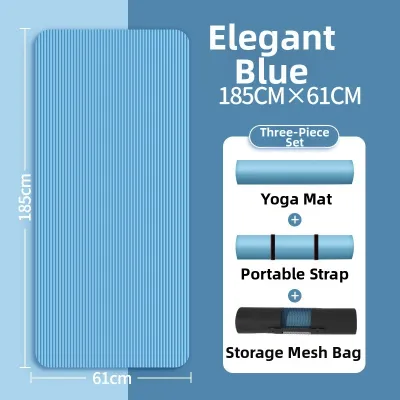
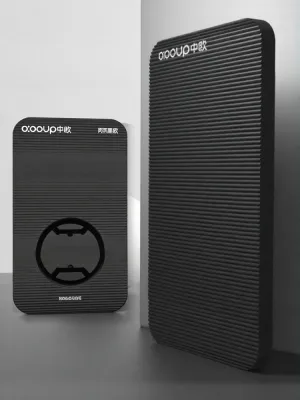
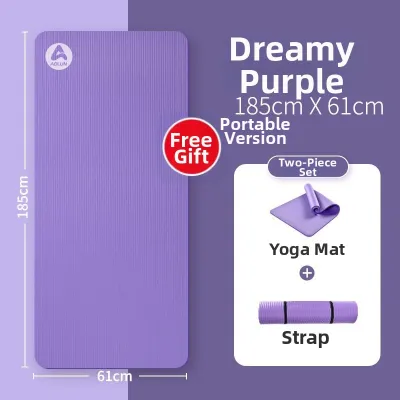
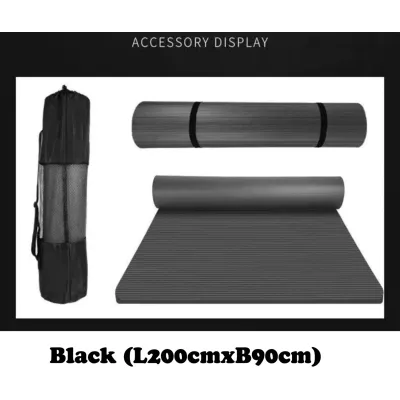
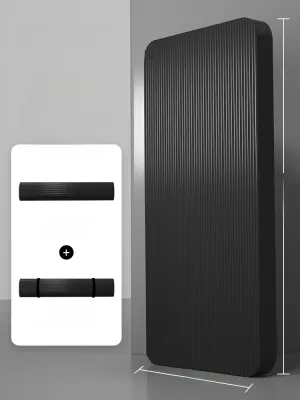
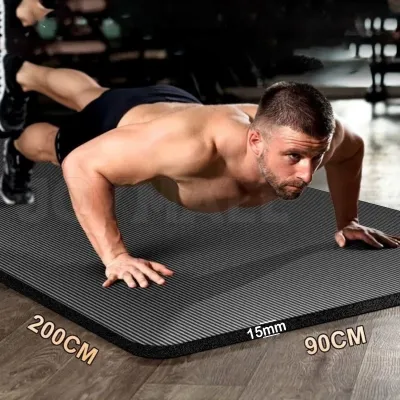
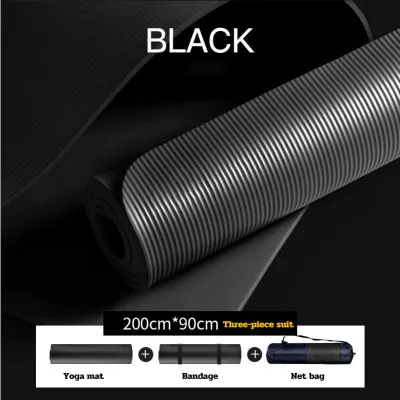
Prices are valid at publication and may change. Please refer to the product page for the latest price.

However, this substantial cushioning comes with significant stability limitations. As thickness increases, the surface becomes highly compressible. When you shift your weight during standing balance poses, such as Tree Pose or Warrior III, a 20mm foam surface will compress unevenly under your feet. This instability forces the stabilizing muscles in your ankles and feet to work excessively hard to maintain balance, which can increase the risk of strain or joint misalignment. Consequently, these mats are generally unsuitable for fast-paced Vinyasa flows, active standing sequences, or dynamic balance training.
Portability and storage present additional practical challenges. A 20mm mat is inherently bulkier and heavier than standard 4mm to 6mm mats. When rolled up, it occupies a substantial amount of space, making it difficult to fit into standard gym lockers or carry on public transport. If you plan to use your mat primarily at home, storage may not be an issue; however, if you intend to travel to a local studio, you will need to verify that the brand includes a heavy-duty carrying strap or a dedicated wide-mouth bag designed specifically for extra-thick rolls.
Comparing Material Quality and Composition in 20mm Mats
The performance and safety of a 20mm mat depend heavily on its chemical and physical composition. The most common material used by brands in this thickness category is Nitrile Butadiene Rubber (NBR). NBR is a synthetic rubber that excels at providing a soft, highly cushioned feel at a relatively low weight and affordable price point. However, NBR is naturally prone to stretching under tension and can become exceptionally slippery when exposed to sweat or high humidity, making it less ideal for intense or warm practices.
Thermoplastic Elastomer (TPE) is another popular material choice among mid-range brands. TPE is lighter than natural rubber, offers a more closed-cell structure than basic NBR, and generally provides a more moderate, reliable grip. It is often marketed as a more eco-friendly alternative because it is recyclable and requires less energy to manufacture than traditional synthetics. While TPE mats are less bulky to carry, they may not offer the same ultra-plush sink-in feeling as high-quality NBR, making them better suited for those who want a balance between cushioning and moderate firmness.
Natural rubber is the gold standard for grip and durability, but it is exceptionally rare to find in a true 20mm thickness. A natural rubber mat of this volume would be prohibitively heavy, often weighing over five kilograms, making it impractical for home storage or transport. When comparing brands that claim to offer natural rubber blends or eco-friendly materials, always check the product specifications for third-party non-toxic certifications, such as OEKO-TEX or RoHS. Avoid brands that rely on vague, unverified marketing terms like “organic foam” or “natural green blend” without providing a clear, verifiable breakdown of the actual material percentages on their packaging or official website.
Evaluating Density and Firmness Indicators Across Brands
A common mistake when shopping for an extra-thick mat is assuming that greater thickness automatically translates to better support. In reality, thickness without sufficient density is ineffective. A low-density 20mm mat will compress completely under the localized pressure of a knee or an elbow, causing your joint to bottom out against the hard floor beneath. Conversely, a high-density 20mm mat uses tightly packed cell structures to resist compression, distributing your body weight evenly and maintaining a protective buffer throughout your practice.
When evaluating different brands online, look closely for specific density metrics or structural descriptions. High-quality manufacturers often specify the density of their foam in kilograms per cubic meter or describe their construction as “high-rebound” or “dual-layer.” A dual-layer construction is particularly effective, as it typically features a firmer, high-density bottom layer to prevent bottoming out, paired with a softer, high-grip top layer for comfort and traction.
Because density is difficult to judge from product photos alone, user reviews can serve as a valuable verification tool. Search customer feedback specifically for terms like “bottoming out,” “sinking,” “knee pain,” or “dents.” If multiple users note that the mat leaves permanent indentations after a single session or fails to protect their knees during basic kneeling postures, it is a strong indicator that the brand is utilizing low-density, cheap foam that will degrade rapidly under regular use.
Assessing Durability and Surface Texture
The structural integrity of a 20mm foam mat is constantly tested by the friction and pressure of your hands, feet, and floor contact. Thick foam mats, especially those made of NBR, are highly vulnerable to tearing, flaking, and gouging. This damage typically begins at the outer edges or in areas where your toes grip the surface during transitions. Once the outer skin of a foam mat is punctured, the inner cells are exposed, leading to rapid degradation and flaking that can leave debris on your floor.
To ensure long-term durability, look for brands that incorporate specific structural reinforcements. Reinforced, stitched edges are an excellent feature that prevents the foam from fraying or splitting along the perimeter. Additionally, high-quality mats often feature an internal anti-tear mesh layer embedded between the foam layers to prevent the mat from stretching or tearing when you apply lateral force. A closed-cell surface texture is also crucial; it prevents sweat, oils, and moisture from penetrating the core of the mat, making it easier to clean and preventing the buildup of unpleasant odors over time.
Before finalizing your purchase, review the brand’s warranty and return policies. Brands that offer a comprehensive warranty against manufacturing defects, flaking, or premature tearing demonstrate confidence in their product’s structural integrity. Be cautious of budget brands that offer no clear return path or warranty, as you may find yourself needing to replace a flaking, torn mat within just a few months of regular use, ultimately costing more than a single investment in a durable, mid-range option.
Evaluating Value for Money in Extra-Thick Mats
When navigating the 20mm mat market, prices can range from budget-friendly options under S$30 to premium models exceeding S$100. Determining whether a brand’s premium pricing is justified requires analyzing the specific features included in the package. A higher price point is generally justified if the mat features a dual-layer TPE or high-density NBR construction, verified non-toxic certifications, reinforced stitched borders, and a heavy-duty carrying harness or bag designed to handle the mat’s bulk.
In contrast, budget options often cut corners on material density and structural reinforcement. While a cheap 20mm mat may feel incredibly soft and comfortable during your first few sessions, it is highly likely to stretch, bottom out, and flake within a short period. This rapid wear creates a cycle of frequent replacements, which is both environmentally unfriendly and financially inefficient. Investing slightly more in a mid-range or premium mat that features an internal anti-tear mesh and a closed-cell surface will generally yield better long-term value and a more consistent practice experience.
Because physical comfort is highly subjective, purchasing a thick mat online carries the risk that the firmness may not suit your body type or joint needs. To mitigate this risk, prioritize brands and online marketplaces that offer clear, hassle-free return policies or trial periods. This allows you to unroll the mat at home, test its firmness and compression under your knees, and verify its weight and portability before committing to the purchase long-term.
Decision Framework: Which 20mm Mat Profile Fits Your Practice?
To choose the ideal 20mm mat for your routine, match your primary practice goals and physical requirements to the following conditional guidelines:
- Choose a High-Density NBR Mat if your primary goal is maximum joint cushioning during slow-paced floor Pilates, physical therapy, or restorative yin yoga, and you plan to use the mat exclusively at home.
- Choose a Dual-Layer TPE Mat if you require a lighter, more portable option for occasional travel to a local studio, prefer a more moderate grip, and want a material that is easier to recycle.
- Verify Material Safety Data Sheets (MSDS) or official brand certifications if you have sensitive skin, latex allergies, or chemical sensitivities, ensuring the mat is free from heavy metals, phthalates, and toxic plasticizers.
- Avoid 20mm Mats Entirely if your practice consists primarily of active standing sequences, hot yoga, or fast-paced Vinyasa flows. For these styles, redirect your search to a high-grip, high-density 4mm to 6mm natural rubber or polyurethane mat to ensure proper stability and safety.
Frequently Asked Questions (FAQ)
Can I use a 20mm thick yoga mat for standing balance poses?
It is highly discouraged to use a 20mm thick yoga mat for standing balance poses. The extreme thickness and compressibility of the foam create an unstable foundation, causing your feet to sink and your ankles to wobble. This instability can strain the delicate tendons and ligaments in your ankles and knees as they struggle to find a solid ground connection. If your routine combines both floor work and standing poses, consider using the 20mm mat strictly for your floor exercises, and step off onto the bare floor or a thin, stable utility mat for your standing sequences.
How should I clean and maintain a 20mm foam yoga mat?
To maintain the structural integrity of a 20mm foam mat, always consult the manufacturer’s specific care label before applying any cleaning solutions. Generally, you should avoid submerging the mat in water, machine washing it, or using harsh chemical cleaners, as these can degrade the foam cells and trap moisture inside. Instead, gently wipe the surface after each session with a soft, damp cloth and a mild, highly diluted soap solution. Allow the mat to air dry completely in a shaded, well-ventilated area before rolling it up, and avoid exposing it to direct sunlight, which can cause synthetic materials like NBR and TPE to dry out, crack, and flake.

Community discussion
Share your experience or ask a question. Comments are reviewed before publication.