
Selecting a high-capacity 3000ml water bottle that can keep your drinks ice-cold during extended outdoor activities requires looking past flashy marketing claims. While many brands promise all-day cooling, a three-litre capacity introduces unique thermal and physical challenges that standard-sized bottles do not face. To find a bottle that truly performs, you must evaluate the underlying insulation technology, lid construction, and the practical trade-offs of carrying such a heavy load. This guide provides a structured framework to compare sports water bottle brands, helping you verify technical specifications so you can invest in a bottle that keeps you hydrated and refreshed during your longest training sessions.
What Defines True Insulation Performance in a 3000ml Bottle?
The foundation of any high-performing insulated bottle is double-wall vacuum insulation. This construction features two separate walls of food-grade stainless steel—typically 18/8 or 304 grade—with the air completely evacuated from the space between them. Because a vacuum contains no air molecules, it virtually eliminates heat transfer via conduction and convection. When evaluating different brands on online marketplaces, ensure that double-wall vacuum insulation is explicitly listed as a core specification, as single-walled or foam-insulated alternatives will quickly sweat and fail to maintain cold temperatures in humid environments.
To gauge real-world performance, you must learn to interpret manufacturer temperature retention labels. Brands frequently advertise claims such as “keeps cold for 24 hours” or “keeps ice for 48 hours.” These ratings are typically established under highly controlled laboratory conditions, often starting with water near freezing point in a mild, air-conditioned room. In tropical climates where outdoor temperatures and humidity are consistently high, actual cold retention will be shorter. Look for brands that provide detailed testing parameters or thermal performance curves, which offer a more realistic expectation of how the bottle will perform during an afternoon workout.
Products mentioned in this guide
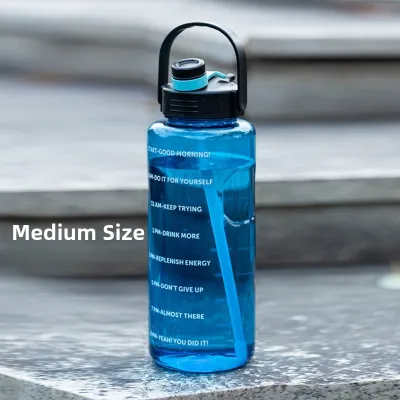
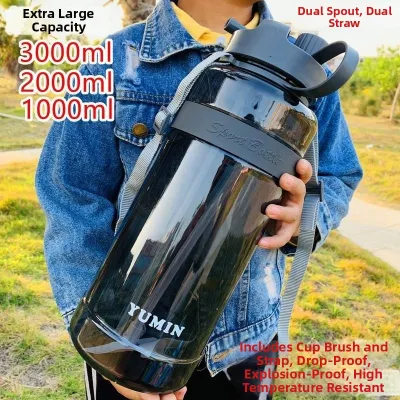
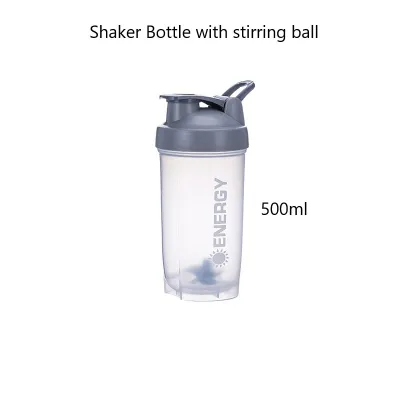
Prices are valid at publication and may change. Please refer to the product page for the latest price.
The lid is almost always the weakest link in any insulated bottle’s thermal defense. While the stainless steel body prevents heat transfer through the sides, heat rapidly penetrates through uninsulated plastic lids and poorly sealed openings. High-quality sports bottles address this by utilizing multi-layered, insulated caps and thick silicone gaskets that create an airtight seal. When comparing brands, inspect the lid design closely; a bottle with a heavy, insulated screw cap will always retain cold temperatures longer than one with a thin, single-layer plastic flip-top lid that allows external heat to seep in.
Is a 3000ml Capacity Right for Your Activity?
Before committing to a 3000ml water bottle, it is essential to understand the physical reality of carrying this volume. One litre of water weighs exactly one kilogram, meaning a fully filled 3L bottle will weigh at least three kilograms in liquid alone. When you add the weight of a heavy-duty, double-walled stainless steel container, the total weight can easily exceed four kilograms. This makes a 3000ml bottle highly impractical for high-movement sports like running, trail jogging, or road cycling, where carrying such a heavy, bulky item on your person would severely hinder your performance.

Instead, a 3000ml bottle is best utilized as a stationary hydration reservoir. It is ideal for long gym sessions, outdoor team sports, or all-day outings where you can set the bottle down on the sidelines or keep it in a vehicle. In hot and humid climates, sweat rates during intense exertion can easily reach one to 1.5 litres per hour. A 3L capacity ensures you have a sufficient supply of cold water to cover a grueling three-hour training session without needing to search for a clean refilling station, making it a highly valuable asset for remote outdoor workouts.
Carrying ergonomics become a critical safety and comfort factor when dealing with a four-kilogram bottle. A standard plastic loop lid is highly likely to snap under this weight and can cause painful strain on your fingers during transport. Look for brands that integrate robust, heavy-duty carry handles directly into the lid or bottle collar. Some high-capacity bottles also feature paracord wraps, integrated shoulder straps, or dedicated carrying sleeves, which distribute the weight more evenly and make transporting the bottle from your home to the sports field much more manageable.
How to Compare Design and Usability Features Across Brands
When browsing sports equipment stores or online retailers, comparing lid styles is a crucial step in finding the right balance between thermal efficiency and convenience. Insulated screw caps provide the tightest seal and the best overall insulation, but they require you to stop your activity and use both hands to unscrew the cap. Conversely, straw lids and flip-tops offer excellent one-handed convenience during active movement, but they introduce air vents and uninsulated plastic paths that slightly degrade the bottle’s peak thermal performance. Choose the style that aligns with how frequently you need to drink while actively moving.
The exterior finish of a 3000ml bottle directly impacts how easily you can handle it when your hands are wet or sweaty. Because of the bottle’s wide diameter, a smooth, painted, or bare stainless steel surface can easily slip from your grasp, leading to dents or structural damage that could compromise the vacuum seal. Opt for brands that feature a textured powder-coated finish. This specialized coating provides a durable, non-slip grip that remains reliable even in high-humidity environments, ensuring you can lift and pour from the heavy bottle with confidence.
Base dimensions are another critical factor that buyers often overlook when purchasing high-capacity bottles. A 3000ml bottle typically features a base diameter ranging from 12 to 15 centimeters, which is far too wide to fit into standard vehicle cup holders, bicycle bottle cages, or the side mesh pockets of standard backpacks. Before making a purchase, measure the storage compartments of your gym bag or vehicle to ensure you have a practical way to secure the bottle during transit, or look for brands that offer specialized carrying harnesses designed for oversized bottles.
Decision Framework: Matching the Bottle to Your Routine
To finalize your selection, match the bottle’s design features directly to your primary sport or workout routine:
Choose an insulated screw-cap design if your absolute priority is maximum cold retention over 24 hours or more, and you plan to use the bottle as a stationary hydration source on the sidelines of a sports field, at a campsite, or next to your gym equipment. This design minimizes thermal transfer and ensures your water remains ice-cold even when exposed to direct sunlight for extended periods.
Choose a straw-lid or flip-top design if you require quick, one-handed access to hydration during active training intervals, such as during gym circuits, cross-training, or outdoor boot camps. While you will experience a minor reduction in peak insulation hours due to the uninsulated lid components, the convenience of not having to unscrew a massive cap mid-workout outweighs the slight thermal loss.
Verify first if the bottle’s physical dimensions and dry weight are manageable for your daily commute or sports bag. Always check the manufacturer’s technical specifications for the exact base diameter and weight, and look for brands that back up their insulation claims with clear, test-based temperature retention data rather than vague marketing slogans.
Frequently Asked Questions (FAQ)
Does a 3000ml bottle keep water cold longer than a smaller insulated bottle?
Yes, a larger volume of cold water contains a greater thermal mass, which means it naturally takes longer to absorb heat and warm up than a smaller volume of water under the same environmental conditions. However, this physical advantage only holds true if the bottle utilizes high-quality insulation technology. A poorly insulated 3000ml bottle with a thin, uninsulated lid will still lose its cold temperature faster than a premium, well-insulated 1000ml bottle. Always verify the manufacturer’s specific hour ratings and lid construction rather than assuming that size alone guarantees superior temperature retention.
Can I put ice cubes in a 3000ml sports water bottle?
Yes, and doing so is highly recommended to maximize cold retention during long workouts. Most 3000ml sports bottles are designed with wide mouths specifically to accommodate standard ice cubes, large ice blocks, or specialized ice molds. Adding ice helps maintain a low internal temperature even when the bottle is opened frequently, which introduces warm air into the container. Before purchasing, verify the exact mouth diameter in the product specifications to ensure it is wide enough to accommodate your preferred ice-making accessories.
Community discussion
Share your experience or ask a question. Comments are reviewed before publication.