
Evaluating how the Aero Flight 800 shuttlecocks compare to other feather shuttlecocks for match play requires looking beyond brand names and focusing on verifiable physical specifications, flight dynamics, and cost-per-play. While many players seek a single, universal recommendation for the perfect shuttlecock, the reality of badminton is that court conditions, player skill levels, and budget constraints dictate the ideal choice. To determine if the Aero Flight 800 is the right fit for your matches, you must systematically compare its construction, flight consistency, and durability against alternative options using objective, on-court testing methods.
Key Comparison Criteria for Match Play Shuttlecocks
When selecting a feather shuttlecock for competitive or serious recreational match play, several core performance dimensions must be evaluated to ensure a fair and consistent game. The first and most critical dimension is flight trajectory and deceleration. A high-quality shuttlecock must exhibit a clean, parabolic flight path when cleared from baseline to baseline. Upon reaching its peak height, it should decelerate predictably rather than dropping abruptly or sailing uncontrollably out of bounds. This deceleration is governed by the flare and shape of the feather skirt, which creates aerodynamic drag.
The second dimension is the feather grade and structural integrity of the skirt. Shuttlecocks are typically constructed using either goose or duck feathers, which are further categorized into full-round or sliced feathers. Full-round feathers utilize the complete width of the feather vane, providing superior structural strength and a more uniform surface area for air resistance. Sliced feathers, which are cut down the middle to maximize yield from a single feather, are more economical but tend to split and deform much faster under the impact of high-speed smashes.
Products mentioned in this guide
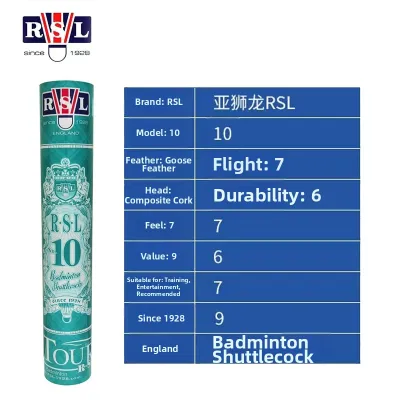
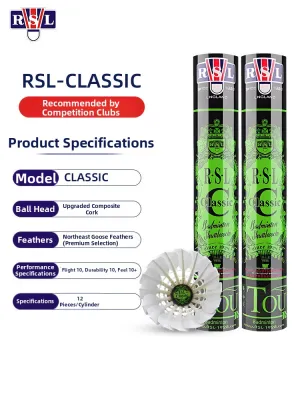
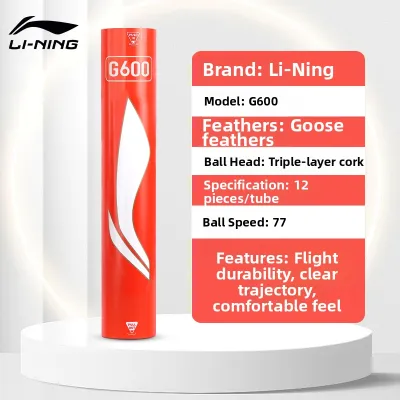
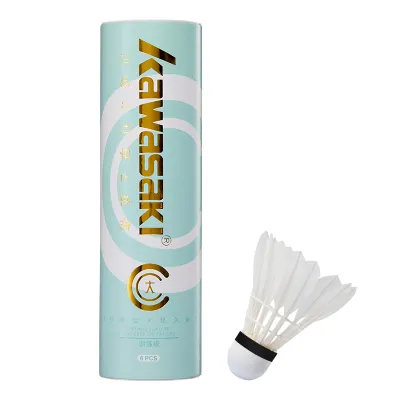
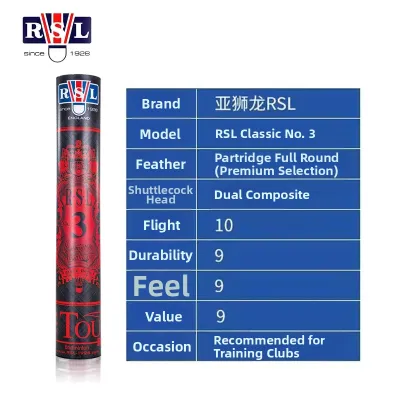
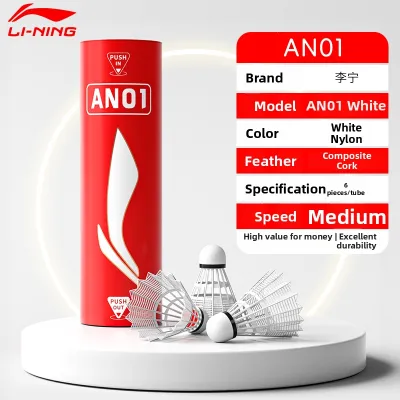

Prices are valid at publication and may change. Please refer to the product page for the latest price.
The third dimension is the composition of the cork base. Premium match-play shuttlecocks generally feature a natural cork base, often constructed in two or three layers to optimize rebound, weight distribution, and tactile feedback on the racket string bed. Natural cork provides a crisp feel and consistent rebound velocity. In contrast, composite or synthetic cork bases, which mix granulated cork with polymer binders, offer excellent durability and a lower price point but can feel stiff or heavy, altering the timing of delicate net shots and drops.
Evaluating Aero Flight 800 Specifications and Claims
Before committing to a purchase or conducting on-court tests, you should carefully inspect the packaging and manufacturer specifications of the Aero Flight 800 shuttlecocks. Start by checking the tube label for speed and weight classifications. Manufacturers typically rate shuttlecock speeds using numerical systems (such as 76, 77, 78, or 1, 2, 3, 4) that correspond to specific temperature and altitude ranges. You should also look for official approval stamps from international or national badminton governing bodies, which indicate that the model has met strict weight, dimension, and flight deviation standards for sanctioned tournaments.

Next, identify the stated feather material and sorting grade. Examine the product specifications to verify whether the Aero Flight 800 uses goose or duck feathers. Goose feathers are highly regarded for their thick shafts and resilient fibers, which resist bending and snapping during intense rallies. Duck feathers are a common alternative that can offer excellent flight characteristics initially but may degrade more rapidly. Pay close attention to whether the manufacturer specifies “Grade A” or “First Grade” sorting, which indicates that only feathers with uniform curvature, thickness, and color were selected for construction.
Finally, verify the claimed base construction. Look for technical details regarding whether the cork is solid natural wood, a multi-layered natural cork sandwich, or a composite blend. A multi-layered natural cork base is highly desirable for match play because it maintains its shape and elasticity over repeated impacts, whereas a single-layer composite base may gradually lose its rebound consistency, affecting your control over length and depth during clears.
How to Test Flight and Durability on Court
To objectively compare the Aero Flight 800 against other feather shuttlecocks, you should conduct a series of standardized on-court tests during your practice sessions. The first test is the baseline clear test, which evaluates speed and trajectory consistency. Stand on the back boundary line of the court and strike the shuttlecock with a full underhand stroke, aiming parallel to the sideline. According to standard badminton rules, a shuttlecock of the correct speed should land between 530 mm and 990 mm short of the opposite back boundary line. Observe whether the Aero Flight 800 lands consistently within this zone and note any wobbling or erratic drifting during its descent.
The second test focuses on structural durability under high-impact forces. Engage in a series of high-intensity smash and drive drills with a partner, using a brand-new shuttlecock from each brand you are comparing. After several minutes of continuous play, inspect the shuttlecocks for feather breakage patterns. Note whether the individual feather shafts have snapped near the cork base, if the feather vanes have frayed significantly, or if the overall skirt has deformed. A shuttlecock that maintains its circular skirt shape even after multiple smashes will preserve its aerodynamic properties much longer.
The third test is tracking rally survival. Keep a simple tally of how many high-intensity rallies or full games a single shuttlecock can endure before its flight path becomes noticeably compromised. When a feather breaks or the skirt deforms, the shuttlecock will either speed up due to reduced drag or begin to wobble, making precise shot placement difficult. By recording the exact point at which a shuttlecock must be retired, you can establish a reliable baseline for comparing the physical longevity of different models under identical playing conditions.
Value and Budget Considerations for Regular Players
For regular players and club organizers, the upfront cost of a tube of shuttlecocks is only one part of the financial equation. To determine the true value of the Aero Flight 800, you must calculate the cost-per-hour of active play. You can do this by dividing the retail price of a tube (expressed in S$) by the number of usable shuttlecocks in the tube, and then multiplying that by the average number of shuttlecocks consumed during an hour of match play. A slightly more expensive tube of highly durable goose feather shuttlecocks can often result in a lower cost-per-hour than a cheaper tube of duck feather shuttlecocks that disintegrate after only a few rallies.
It is also important to differentiate between the requirements of casual training and official tournament match play. For casual drills, multi-feed practice, or social games where minor flight deviations are acceptable, using a premium match-grade shuttlecock like the Aero Flight 800 may not be cost-effective. In these scenarios, lower-grade feathers or even high-quality nylon shuttlecocks may suffice. Save your premium, verified match-play shuttlecocks for competitive matches where flight precision, speed accuracy, and consistent feel are paramount to the outcome of the game.
When sourcing your shuttlecocks, compare the availability and bulk purchasing options offered by local sports retailers and reputable online marketplaces. Buying shuttlecocks by the carton (typically containing 10 to 50 tubes) often yields significant unit discounts and ensures that you are playing with a single, consistent production batch. Be cautious when purchasing from unverified online sellers, as improper storage in hot or dry warehouses can degrade the natural moisture of the feathers before they ever reach the court.
Decision Framework: Which Shuttlecock Fits Your Game?
To finalize your choice between the Aero Flight 800 and alternative feather shuttlecocks, apply a structured decision framework based on your verified testing results and budget. You should choose the Aero Flight 800 if your on-court testing confirms that its flight trajectory, deceleration, and speed rating align with your playing style, and if its calculated cost-per-hour fits comfortably within your monthly badminton budget. This model is particularly suitable if you prioritize a consistent feel and predictable flight path during competitive matches.
Conversely, you should opt for alternative feather shuttlecocks if your local tournament regulations mandate a specific certified brand and model, or if you find that alternative options offer better durability for your group’s average smash speed. If your budget is highly constrained, look for alternative models that utilize sliced feathers or composite cork bases, keeping in mind the trade-off in flight consistency and tactile feedback.
Before making a bulk purchase, always verify the correct speed rating for your local playing environment. Playing in a hot, humid hall requires a different speed rating than playing in a cool, air-conditioned facility. If you are unsure, purchase a single tube first to test how the speed behaves under your specific hall conditions, ensuring that you do not end up with a carton of shuttlecocks that fly too fast or too slow for your matches.
Frequently Asked Questions (FAQ)
How do I store feather shuttlecocks to maintain durability?
To prevent feather shuttlecocks from becoming dry and brittle, which leads to premature snapping during play, you must maintain appropriate humidity levels inside the tube. Many players use specialized humidifiers or gently steam the inside of the tube before a session to restore moisture to the natural feathers. Always store your shuttlecock tubes horizontally or upright in a cool, shaded environment, away from direct sunlight, car trunks, or air conditioning vents, as extreme temperature fluctuations can dry out the natural oils in the feathers and degrade the adhesive holding the skirt together.
What shuttlecock speed is recommended for Singapore's climate?
In Singapore’s warm and highly humid tropical climate, the air density is lower, which naturally causes feather shuttlecocks to fly faster and further than they would in cooler, drier climates. To compensate for this environmental factor, players should typically select a slower speed rating, such as speed 76 or 77 (or speed 1 or 2 depending on the manufacturer’s scale). Always consult the manufacturer’s speed chart on the packaging and test a single shuttlecock in your local hall to ensure it decelerates correctly and does not consistently sail past the back boundary line during standard clears.
Community discussion
Share your experience or ask a question. Comments are reviewed before publication.