
Finding the right back posture corrector in Singapore requires balancing physical support needs with daily comfort, especially given the local tropical climate. Instead of searching for a single ideal brand, your choice should depend on your specific posture habits, daily wear duration, and skin sensitivity. Prioritizing adjustable strap mechanisms and highly breathable fabrics over generic brand names ensures you select a tool that actively supports your alignment goals. This guide outlines how to evaluate key features, materials, and support levels so you can make an informed decision.
Identifying Your Specific Posture Support Needs
Before comparing different models, you must identify why you want to use a posture corrector. Many individuals seek these tools to address mild postural awareness issues, such as slouching forward during long hours of desk work or while driving. In these cases, a lightweight, flexible corrector serves as a physical reminder to engage your core and pull your shoulders back. However, if you experience chronic pain, numbness, or structural spinal issues, a posture corrector is not a substitute for professional medical evaluation. You should consult a physiotherapist or orthopedic specialist to diagnose the root cause of your discomfort before purchasing any support brace.
Your daily activities dictate the level of wearability you require. If your routine involves sitting in an air-conditioned office for eight hours, your comfort needs will differ from someone who is active or works in non-air-conditioned environments. For desk-bound roles, a low-profile design that fits discreetly under professional attire is often preferred. Conversely, if your tasks involve physical labor or frequent movement, you will need a corrector that allows a wider range of motion while still providing gentle resistance against slouching.
Products mentioned in this guide
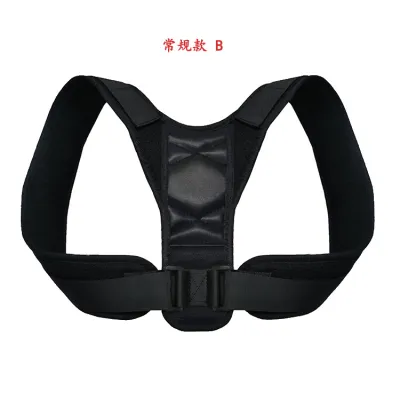
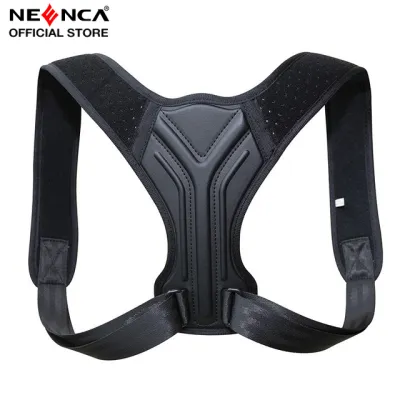
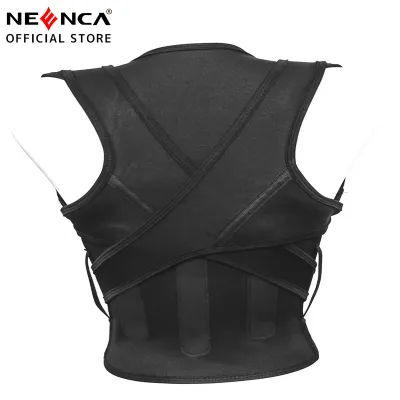
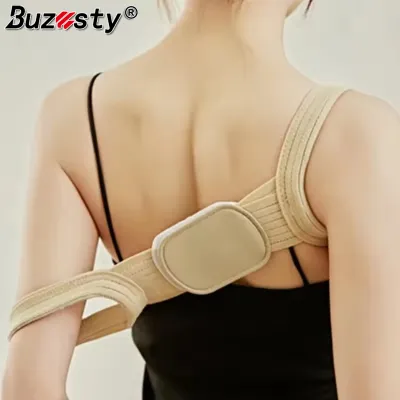
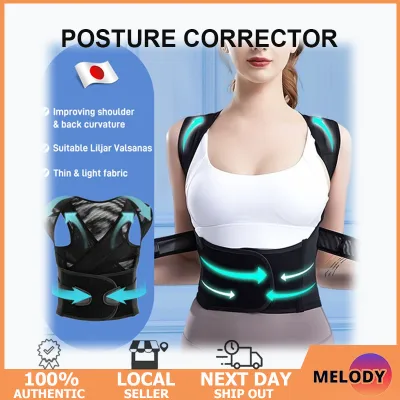
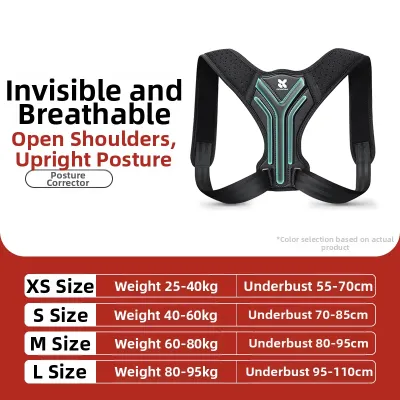
Prices are valid at publication and may change. Please refer to the product page for the latest price.
It is crucial to establish clear stop conditions when using any self-treatment tool. If you experience sharp pain, tingling in your arms, or skin irritation while wearing a corrector, you should stop using it immediately. These symptoms often indicate that the brace is too tight, poorly fitted, or inappropriate for your body shape. A qualified physiotherapist can help you determine whether a corrector is suitable and guide you on active exercises to strengthen your back muscles.
Core Dimensions for Comparing Posture Correctors
To find a model that fits your lifestyle, you must evaluate products across three primary pillars: support level, material composition, and design features. Comparing these dimensions allows you to filter out unsuitable options and focus on models that offer the right balance of comfort, safety, and effectiveness.

Support Levels and Adjustability
Posture correctors generally fall into two categories: rigid braces and flexible elastic bands. Rigid braces often feature integrated plastic or metal splints running along the spine to restrict movement and force alignment. These are typically reserved for moderate to severe slouching or when recommended by a healthcare professional. Flexible elastic bands, on the other hand, rely on tension to gently pull the shoulders back, allowing you to maintain natural movement while receiving a tactile reminder to sit up straight.
Strap configuration plays a vital role in how pressure is distributed across your upper body. Figure-eight designs loop around each shoulder and cross at the upper back, which is highly effective for pulling the shoulders back and opening up the chest. Single-wrap designs or full-back braces provide broader support across the entire thoracic spine but can feel more restrictive. Regardless of the style, look for adjustable tension straps that allow you to customize the pull force as your muscles adapt over time.
Sizing is another critical factor that directly impacts both safety and effectiveness. Relying on generic labels like “small” or “large” can lead to a poor fit, as sizing standards vary significantly between manufacturers. Always measure your chest circumference just below the armpits using a flexible measuring tape, and compare your measurements against the manufacturer’s specific sizing chart before purchasing.
Materials, Breathability, and Comfort
Singapore’s hot and humid climate makes material selection a primary consideration for anyone planning to wear a posture corrector for extended periods. Neoprene is a common material used in many sports braces due to its durability and elasticity, but it tends to trap heat and moisture, which can lead to discomfort or skin rashes. If you plan to wear the corrector in non-air-conditioned spaces, look for models that incorporate breathable mesh panels to facilitate airflow.
Cotton blends offer a softer feel against the skin and are excellent for absorbing moisture, making them suitable for sensitive skin. However, they may require more frequent washing to maintain hygiene. To prevent underarm chafing—a common complaint among posture corrector users—ensure the model you choose features padded straps or includes removable underarm pads that cushion the skin against friction.
When evaluating product descriptions, verify any hypoallergenic or dermatological claims by checking the official product labels or manufacturer documentation. Avoid relying solely on marketing copy that promises absolute safety or skin protection, as individual skin sensitivities vary. If you have a history of contact dermatitis or sensitive skin, wearing the corrector over a thin, moisture-wicking undershirt can help minimize direct friction and sweat accumulation.
Design Features and Everyday Wearability
The physical profile of a posture corrector determines how easily you can integrate it into your daily routine. Low-profile, lightweight designs are engineered to be virtually invisible under clothing, making them ideal for office workers who want to maintain a professional appearance. These models typically use thin, flat straps and minimal padding to avoid creating bulk under shirts or blouses.
Bulkier models, which often feature wider straps and full-back panels, provide more robust support but are difficult to conceal. These are best suited for home use, light exercise, or wearing over clothing. Additionally, consider how the corrector is secured; front-closure mechanisms, such as hook-and-loop fasteners on the chest or abdomen, allow you to put on and adjust the brace independently. Back-closure designs can be challenging to secure without assistance, which may limit their practicality if you live alone or need to adjust the fit throughout the day.
You should also check whether a product is designed as a unisex model or tailored to specific body shapes. Some manufacturers offer gender-specific designs that account for anatomical differences in shoulder width and chest structure. Reviewing the manufacturer’s specifications will help you determine if a particular design aligns with your body type for optimal comfort and support.
Evaluating Brands and Purchasing in Singapore
When researching posture corrector brands in Singapore, it is important to verify product authenticity and specifications through reliable retail channels. Start by cross-referencing brand details on official manufacturer websites to understand their design philosophy, sizing standards, and material certifications. Once you have identified potential models, look for authorized distributors, local pharmacies, or established medical supply shops to make your purchase.
While online marketplaces and e-commerce platforms offer a wide variety of options, they also host third-party sellers offering unverified products. Be cautious of listings that make unsubstantiated medical claims, such as promising to permanently cure spinal conditions or guarantee instant results. Stick to reputable sellers who provide clear product specifications, transparent return policies, and genuine customer support.
Price points for posture correctors in Singapore typically range from S$15 for basic elastic bands to S$80 or more for advanced, adjustable braces with specialized materials. While budget-friendly options can be effective for simple posture reminders, higher-priced models often offer better durability, superior adjustability, and more breathable fabrics. Before buying, check the retailer’s return and exchange policy, as finding the correct fit may require trying on the brace at home.
Decision Framework: Choosing Your Posture Corrector
To finalize your selection, use this condition-based framework to match your specific needs to the right product features:
Choose a flexible, figure-eight design if:
- You primarily need a gentle physical reminder to avoid slouching during desk work.
- You want a low-profile model that can be worn discreetly under office attire.
- You prefer a lightweight option that allows for natural movement and active muscle engagement.
Choose a rigid or semi-rigid full-back brace if:
- A healthcare professional or physiotherapist has recommended structured support for a specific alignment issue.
- You require significant restriction of movement to prevent painful bending or twisting.
- You plan to wear the brace primarily at home or over clothing where visibility is not a concern.
Choose breathable mesh or cotton-blend materials if:
- You have sensitive skin or are prone to heat rashes and chafing.
- You intend to wear the corrector in warm, non-air-conditioned environments.
- You prioritize easy washing and moisture-wicking properties for daily wear.
Verify first if you have an existing injury:
- If you have a history of shoulder dislocations, neck strain, or chronic lower back pain, consult a physician before using any posture corrector.
- Ensure the corrector does not place excessive pressure on the collarbone or underarms, which can compress nerves and blood vessels.
- Remember that a posture corrector is a temporary training aid; it should be used to build muscle awareness rather than as a permanent crutch that replaces active physical conditioning.
Frequently Asked Questions (FAQ)
How long should I wear a posture corrector daily?
You should begin by wearing a posture corrector for short intervals, such as 15 to 30 minutes once or twice a day. This allows your muscles to adapt to the correct alignment without becoming overly reliant on the brace. Over several weeks, you can gradually increase the wear time to one or two hours per day, depending on your comfort levels and the manufacturer’s specific guidelines. Avoid wearing a corrector all day or while sleeping, as prolonged use can lead to muscle laziness and dependency. Always stop using the device immediately if you experience pain, numbness, tingling, or restricted circulation.
Can a posture corrector replace physical therapy or exercise?
No, a posture corrector cannot replace active physical therapy or targeted exercise. Correctors provide passive support, meaning they hold your body in position without requiring your muscles to work. To achieve long-term posture improvement, you must actively strengthen your core, upper back, and shoulder muscles through targeted exercises. A posture corrector is best used as a supplementary tool to increase your physical awareness of slouching. For chronic back pain, structural spinal issues, or personalized exercise plans, you should consult a qualified physiotherapist or healthcare professional rather than relying solely on a support brace.
Community discussion
Share your experience or ask a question. Comments are reviewed before publication.