
When upgrading or maintaining your badminton racket handle, the cushion wrap plays a critical role in shock absorption, sweat management, and overall grip size. While major brands like Yonex, Victor, and Li-Ning all offer dedicated cushion wraps, there is no single option that suits every player. The right choice depends on how you prioritize thickness, material density, and handle adjustment. This guide breaks down the measurable differences between these brands and provides a practical framework to help you select the ideal cushion wrap for your specific playing needs.
Many players overlook the importance of this base layer, focusing instead solely on the overgrip. However, the cushion wrap is the foundation of your racket’s handle ergonomics. It sits directly on the wooden handle, acting as a barrier that dampens the harsh vibrations generated during high-impact clears and smashes. By choosing the correct wrap, you can customize your handle to match your hand size, protect your joints from repetitive strain, and prevent sweat from seeping into and damaging the wooden core of your racket.
Key Specifications to Check Before Buying
To make an informed decision, you must understand the physical and technical specifications that define different cushion wraps. Manufacturers design these wraps with specific target audiences in mind, and reading the packaging or product specifications carefully will help you avoid purchasing a wrap that does not match your preferences.
Products mentioned in this guide
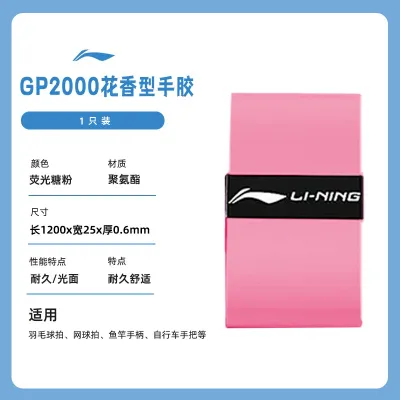
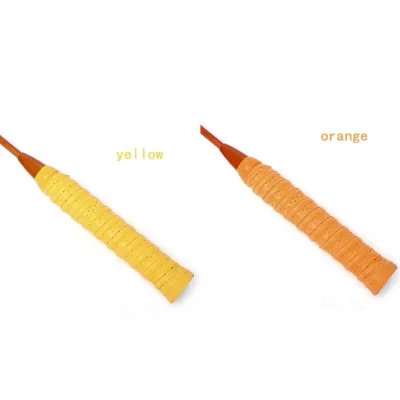
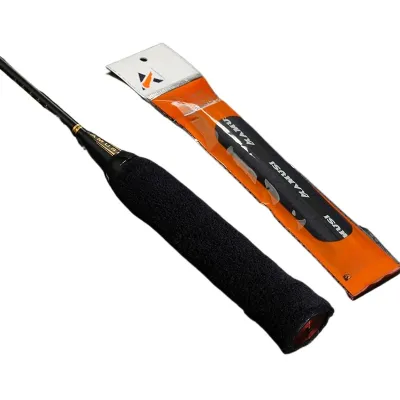
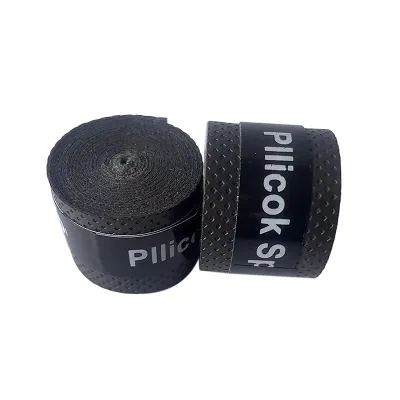
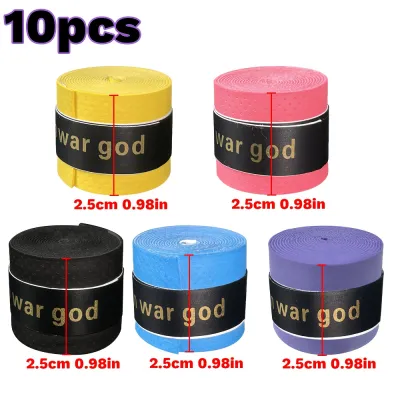
Prices are valid at publication and may change. Please refer to the product page for the latest price.
Thickness is one of the most critical dimensions to verify. Most standard cushion wraps range from 0.5 millimeters to 1.5 millimeters in thickness. A thinner wrap allows you to make micro-adjustments to your grip size without losing the distinct feel of the racket handle’s wooden bevels. Conversely, a thicker wrap provides immediate plushness and is excellent for players who want to significantly increase their grip size.
Foam density is equally important but less frequently printed on the label. High-density polyurethane foam feels firmer under the hand and resists compression over time. This firmness is highly valued by advanced players who rely on precise finger feedback to execute tight net shots and deceptive slices. Low-density foam, on the other hand, offers a softer, more pillowy feel that excels at absorbing shock, though it tends to flatten out much faster under regular playing pressure.
Material composition also varies across brands. While standard polyurethane foam is the baseline, some manufacturers incorporate specialized elastomeric blends or synthetic rubbers to enhance durability and moisture resistance. These proprietary blends can alter how the wrap stretches during application and how well it retains its cushioning properties after weeks of intense play.
Finally, always check the roll dimensions, specifically the width and total length. Standard rolls are typically around 50 millimeters to 70 millimeters wide and several meters long, allowing for multiple applications. If you play with an extra-long racket handle or prefer a highly overlapped wrapping style, verify that the roll contains sufficient length to cover the entire handle without running short.
Matching Wrap Properties to Your Playing Style
Selecting the right cushion wrap is not just about brand reputation; it is about aligning the wrap’s physical properties with your unique playing style, physical needs, and local environmental conditions.

For players who suffer from joint sensitivity, tennis elbow, or wrist fatigue, shock absorption should be the primary consideration. When a shuttlecock makes contact with the racket stringbed, high-frequency vibrations travel down the shaft and into the handle. A denser, slightly thicker cushion wrap acts as an acoustic and mechanical dampener, absorbing these vibrations before they reach your joints. This is particularly beneficial for offensive players who frequently execute heavy, full-power smashes, as the cumulative impact of these shots can lead to chronic strain over time.
Moisture and sweat management is another critical factor, especially in warm and humid climates like Singapore. While the cushion wrap is covered by an overgrip, sweat can easily penetrate thin overgrips during long, intense sessions. If moisture reaches the wooden handle, it can cause the wood to rot, warp, or develop mold, eventually ruining the racket. A high-quality, moisture-resistant cushion wrap acts as a protective barrier. Some wraps feature perforated designs that allow air to circulate, helping the handle dry out faster between games, while others rely on solid, non-porous barriers to block moisture entirely.
Grip size adjustment is a highly personal preference that directly impacts your control on the court. Players with larger hands often find standard G5 or G6 racket handles too small, leading to hand cramps and a lack of control. By wrapping multiple layers of cushion wrap, you can build up the handle to a comfortable thickness. Conversely, if you prefer a thin grip to maximize finger power and quick transitions between forehand and backhand grips, you should select an ultra-thin cushion wrap. This preserves the sharp edges of the wooden bevels, giving your fingers clear tactile reference points for precise racket face alignment.
Wrapping Techniques That Change the Final Feel
Regardless of the brand you choose, the way you apply the cushion wrap to your racket handle will dramatically alter its final performance, thickness, and feel. Understanding the mechanics of wrapping allows you to customize any standard roll to your exact preferences.
The overlap percentage is the primary variable you can control during application. If you wrap the cushion wrap with a minimal overlap—such as one-third of the width—you will create a thin, consistent layer that closely mirrors the original handle shape. If you increase the overlap to one-half or more, you effectively double the thickness of the foam layer, creating a much softer and thicker grip. You can also use variable overlapping, applying more layers near the butt cap to create a flared handle end, which prevents the racket from slipping out of your hand during aggressive swings.
Tension control during the wrapping process is crucial for achieving the desired firmness. Pulling the wrap tightly as you apply it stretches the foam, reducing its thickness and increasing its density. This results in a firmer grip with highly defined bevels. If you apply the wrap with minimal tension, the foam remains relaxed, providing maximum plushness and shock absorption but a less defined handle shape. Consistent tension is key; uneven pulling will create lumpy spots along the handle that can distract you during play.
Securing the ends properly ensures that your custom grip setup remains stable over time. Start wrapping from the very bottom of the handle, covering the butt cap securely. As you reach the top of the handle near the cone, cut the wrap at an angle to create a clean, flat finish. Secure this end tightly with adhesive tape before applying your overgrip. This prevents the cushion wrap from shifting, sliding, or unraveling underneath the overgrip during high-speed rallies.
Decision Framework: Which Brand Fits Your Racket?
When deciding between Yonex, Victor, and Li-Ning, you should evaluate how each brand’s typical product characteristics align with your specific performance priorities and what is accessible in your local market.
Choose Yonex if you prioritize widely available standard options and consistent, predictable foam density. Yonex cushion wraps are highly regarded for their uniform manufacturing quality, making them an excellent baseline choice for general play. If you want a reliable, no-nonsense wrap that delivers consistent shock absorption and is easy to find in almost any pro shop, Yonex is a highly dependable option.
Choose Victor if you are looking for specific texture profiles or alternative density options. Victor often caters to players who prefer a highly customized handle feel, offering wraps that balance firm feedback with excellent durability. Their products are particularly well-suited for players who want to build up their handles while maintaining a clear sensation of the racket’s bevels.
Choose Li-Ning if you prefer exploring different material blends or specific width options. Li-Ning’s product range frequently includes innovative foam compositions that offer unique combinations of stretch, softness, and moisture resistance. This makes them highly suitable for players with unique handle shapes or those who like to experiment with different wrapping techniques to find their perfect setup.
Before making a final purchase, verify the specifications first by checking local sports retailers or official brand stores in Singapore. Product lines, material formulations, and packaging sizes frequently refresh, so verifying current stock, exact product codes, and updated material specifications in person or on official channels will ensure you get the exact performance characteristics you need for your racket.
Frequently Asked Questions (FAQ)
Can I use a cushion wrap without an overgrip?
No, you should not use a cushion wrap without an overgrip. Cushion wraps are designed strictly as a base layer and lack the surface tackiness, friction, and durability required for secure racket control. If you attempt to play using only a cushion wrap, the racket is highly likely to slip out of your hand during a swing, which can lead to injury or damage to the racket. Furthermore, direct exposure to hand sweat and friction will rapidly degrade the delicate foam material, causing it to tear, flatten, and lose its shock-absorbing properties within a single session.
How often should I replace the cushion wrap?
You should replace your cushion wrap whenever it shows physical signs of wear, such as permanent compression, flattening, or tearing. Over time, the constant pressure from your hand compresses the foam cells, reducing the wrap’s ability to absorb shock and maintain its shape. A good rule of thumb is to inspect the cushion wrap during your routine overgrip changes. If the wrap feels hard, lumpy, or no longer provides adequate dampening, it is time to peel it off and apply a fresh layer to restore your handle’s optimal feel and protection.
Community discussion
Share your experience or ask a question. Comments are reviewed before publication.