
Quick Answer: Matching Belt Bag Designs to Your Comfort and Ventilation Needs
When evaluating popular running brands for belt bag breathability and comfort, there is no single design that excels in every scenario. Your ideal choice depends on your carrying requirements, sweat rate, and the local climate. The market is defined by a clear trade-off between stability and ventilation, meaning the best option for one runner may cause discomfort for another.
Tubular, pull-on designs provide exceptional bounce-free stability and even weight distribution, but their wide fabric bands cover more skin and can trap heat. Conversely, strapped designs with dedicated mesh back panels offer superior ventilation by minimizing skin contact, though they require precise adjustment to prevent chafing and bouncing. Minimalist pouches offer the lightest, coolest experience but are strictly limited to carrying essential items like a single key or card. Choosing the right belt bag requires matching these structural designs to your typical running distance and environment.
The Anatomy of a Comfortable and Breathable Running Belt
To understand how a running belt bag performs on the road or trail, you must look past brand marketing and examine the physical and material factors that dictate airflow and comfort. A belt’s performance is determined by how it manages moisture, distributes weight, and interacts with your skin under constant movement.
Products mentioned in this guide
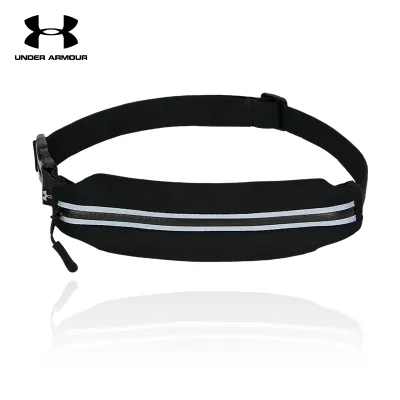
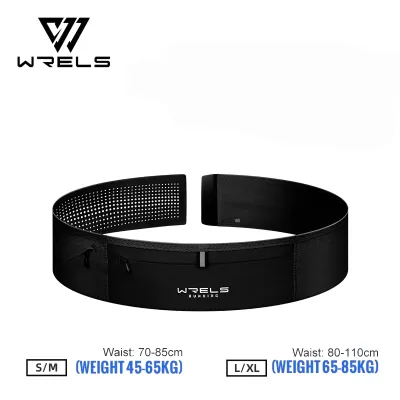
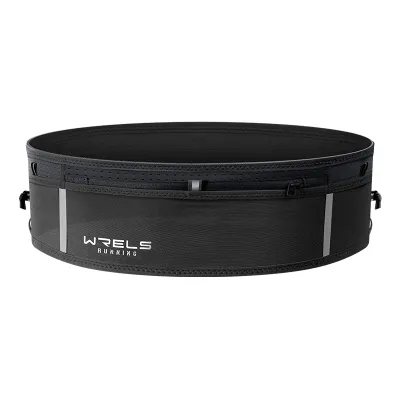
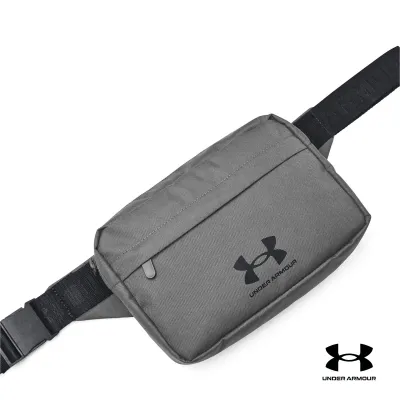
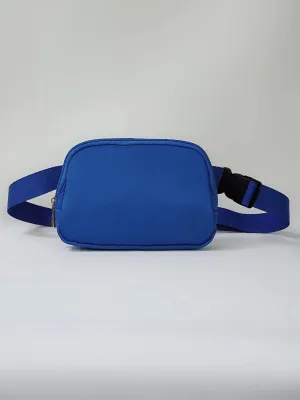
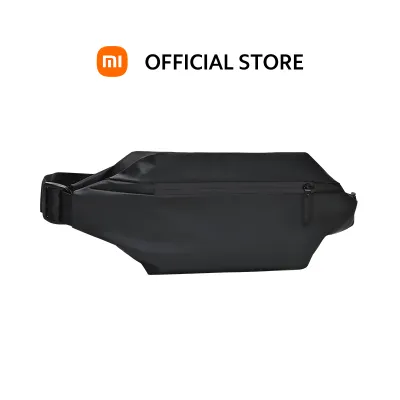
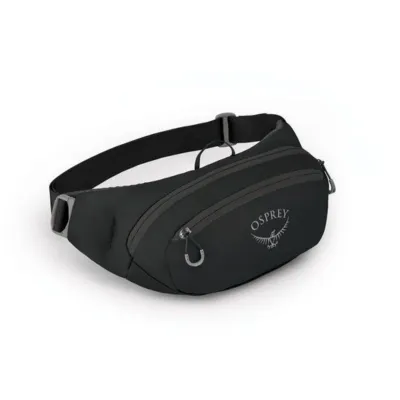

Prices are valid at publication and may change. Please refer to the product page for the latest price.

Breathability Factors
True breathability in a running belt relies on the physics of moisture transfer and air circulation. Synthetic fibers like polyester and nylon are naturally hydrophobic, meaning they resist absorbing water and instead allow moisture to pass through their weave. The physical structure of the fabric is critical; open-cell mesh and 3D spacer mesh create physical gaps that allow air to flow directly to the skin, facilitating evaporative cooling. In contrast, solid elastic bands or heavy neoprene compartments act as vapor barriers, trapping sweat against the body, raising skin temperature, and accelerating physical fatigue.
Comfort Factors
Comfort during a run is primarily a battle against vertical oscillation, commonly known as bounce. When a belt bag bounces, it creates kinetic energy that pulls at your waist, causing muscle strain and friction. To eliminate this, a belt must secure its payload firmly against your center of gravity, typically around the pelvis or lower back. Rigid adjustable straps with heavy plastic buckles provide non-slip security but can create painful pressure points against the hip bones. Elastic bands distribute pressure more evenly but can lose their tension over time as they absorb sweat. Additionally, the construction of the edges is vital; traditional stitched seams create raised ridges that act like sandpaper on damp skin, whereas seamless, bonded, or flatlock-stitched edges significantly reduce the risk of chafing.
Verification Advice
Do not assume a belt bag will perform well simply because it carries a premium brand logo. To verify a belt’s potential comfort and breathability, inspect the product specifications and material labels before buying. Look for specific material blends, such as a high percentage of nylon for durability combined with elastane for stretch recovery. Check the empty weight of the belt and examine the interior lining that rests against your body. If the manufacturer does not specify the mesh type or moisture-wicking treatments, or if the care label warns against frequent washing, the materials may not hold up to the demands of heavy training.
Comparing Dominant Belt Bag Designs From Leading Running Brands
Popular running apparel brands generally design their belt bags around three distinct structural philosophies. Each approach solves the problems of carrying capacity, stability, and ventilation in different ways, resulting in distinct advantages and compromises.
Tubular and Pull-On Designs
Tubular running belts are constructed as a continuous, high-elastane fabric loop that you slide up over your legs or pull down over your head to sit flat against your waist. Because these designs completely eliminate plastic buckles, tension adjusters, and rigid zippers, they offer a smooth, uniform fit. The weight of your phone, soft hydration flasks, and energy gels is distributed evenly around the entire circumference of your pelvis. This continuous compression keeps your gear pressed firmly against your body, virtually eliminating vertical bounce even during high-cadence running or steep trail descents.
However, this exceptional stability comes with a significant thermal trade-off. A typical tubular belt is between 10 and 15 centimeters wide, wrapping completely around your midsection. This wide band of double-layered synthetic fabric acts as an extra layer of insulation over core areas of your body. In warm conditions, sweat cannot evaporate efficiently beneath the waistband, leading to a heavily saturated belt that can cause skin softening and severe chafing along the lower seam. While tubular designs are highly effective for carrying heavy payloads securely, they are the warmest option on the market.
When choosing a tubular belt, pay close attention to the fabric weight and pocket architecture. Premium models use ultra-thin, laser-perforated fabrics to mitigate heat retention, but they still cover a large surface area. These designs are highly suited for runners who prioritize carrying multiple items without any distracting movement and who do not mind a warmer waist area during their workouts.
Strapped and Buckled Mesh Designs
Traditional strapped belt bags feature a distinct storage pouch suspended on a narrow, adjustable waist strap that secures with a plastic release buckle. To optimize breathability, manufacturers construct the back panel of the pouch—the side that directly contacts your lower back—using multi-layered air mesh. This material uses a three-dimensional spacer weave that keeps the main cargo compartment slightly elevated off your skin, creating a physical channel for air to circulate and sweat to evaporate.
While these designs excel at keeping your torso cool by minimizing skin contact, they are inherently more prone to bouncing. Because the weight of your cargo is concentrated in a single, localized pouch rather than distributed around your waist, the bag will oscillate vertically with every stride. To stop this movement, runners often over-tighten the elastic strap. This high tension can compress your abdomen, restrict deep diaphragmatic breathing, and cause the plastic buckle or the edges of the strap to press painfully into your hips.
To ensure comfort with a strapped mesh design, you must verify the quality of the adjustment hardware and the elasticity of the strap. Look for low-profile, contoured buckles that sit flush against your body and wide, high-tensile elastic straps that distribute tension without cutting into your skin. These belts are ideal for runners who prioritize maximum ventilation and are willing to spend time adjusting the fit to find the sweet spot between stability and comfort.
Minimalist and Low-Profile Pouches
Minimalist running belts are engineered for athletes who want to carry only the absolute essentials, such as a single house key, an identification card, and a small mobile device. These designs feature an ultra-slim, expandable pocket attached to a very thin, lightweight elastic band. The physical footprint of the entire belt is kept to an absolute minimum, covering only a tiny patch of your lower back or abdomen and leaving the rest of your waist completely uncovered.
This tiny footprint provides exceptional thermal comfort. Because there is almost no material contact with your body, there is virtually no heat buildup or sweat trapping, allowing your skin to cool naturally. The belt feels almost weightless, making it easy to forget you are wearing it. However, this comfort is entirely dependent on keeping the bag’s payload light. The thin elastic straps and lightweight buckles are not designed to support heavy items.
If you attempt to overstuff a minimalist pouch with a large, heavy smartphone or multiple energy gels, the belt will immediately fail to perform. The excessive weight will cause the thin strap to sag, slide, and bounce violently, turning a lightweight accessory into a constant distraction. These low-profile designs are highly effective for structured track workouts, short recovery runs, or races where aid stations provide hydration and nutrition, leaving you with no need to carry heavy gear.
Optimizing Belt Bag Comfort in Hot and Humid Climates
Running in hot and humid environments, such as Singapore, presents unique challenges for gear performance. When relative humidity levels are high, the air is already saturated with moisture, which severely limits the body’s primary cooling mechanism: sweat evaporation. Instead of evaporating to cool you down, sweat pools on your skin, softening the outer layer of the epidermis and making it highly vulnerable to friction-induced damage and painful chafing.
To maintain comfort in these demanding conditions, you must look for specific technical features on product labels rather than relying on generic marketing claims. Prioritize materials described as “open-cell mesh,” “3D spacer mesh,” or “hydrophobic monofilament.” These advanced fabrics do not absorb water; instead, they allow sweat to pass directly through to the outer layer where it can drain away, while maintaining structural airflow channels next to your skin. Additionally, seek out seamless construction or bonded edges, as wet skin is easily abraded by traditional thread stitching.
Fit adjustments also require careful attention when running in high humidity. As your core temperature rises, your body naturally routes more blood to your skin to assist with cooling, which can cause mild swelling or bloating around your midsection. A belt bag that felt perfectly comfortable at the start of your run may begin to feel constricting after several kilometers. Conversely, smooth synthetic fabrics become incredibly slick when soaked in sweat, which can cause strapped belts to slip down over your hips. To counter this, look for belts equipped with internal silicone grip strips, and do not hesitate to adjust the tension of your strap dynamically during your run to maintain a secure, non-constricting fit.
Finally, rigorous post-run maintenance is essential for preserving the breathability and elasticity of your belt bag. Sweat contains high concentrations of sodium chloride, urea, and body oils. As the moisture dries, these minerals crystallize within the microscopic pores of the mesh fabric and the elastic fibers of the waistband. Over time, these salt crystals act as an abrasive, wearing down the elastane fibers—which causes the belt to sag and lose its stretch—and clogging the open-cell structures that allow air to flow. To prevent this degradation, rinse your running belt in cool, fresh water immediately after every run to flush out salt buildup. Periodically hand-wash the belt using a mild, residue-free sports detergent, and always air-dry it away from direct sunlight, as ultraviolet rays will rapidly break down synthetic elastics.
Final Decision Framework: Which Belt Bag Design Should You Buy?
To choose the right running belt bag, you must balance your carrying needs against your personal tolerance for heat and movement. Use this structured decision framework to identify the design philosophy that matches your running style:
- Choose Tubular Designs if:
- Your primary goal is absolute stability and zero bounce during high-cadence road runs or technical trail sessions.
- You need to carry a heavy or varied payload, such as a large smartphone, multiple energy gels, keys, and a soft hydration flask.
- You run in cooler, dry conditions, or you do not mind a warmer, wider waistband in exchange for maximum carrying capacity and comfort.
- Choose Strapped/Mesh Designs if:
- Maximum ventilation and cooling are your absolute priorities during long runs.
- You run frequently in intense heat and high humidity and want to keep as much of your waist uncovered as possible.
- You are willing to spend time adjusting strap tension and positioning to find a fit that prevents bouncing and chafing.
- Choose Minimalist Pouches if:
- You only carry the bare essentials, such as a single key, an identification card, or a small mobile device.
- You want the lightest possible footprint with minimal skin contact and heat buildup.
- You prefer a "barely-there" sensation and do not require hydration storage on your waist.
Before making a final purchase, always verify the physical dimensions of the belt’s pocket against your specific smartphone model, especially if you use a thick protective case. Because body shapes and running gaits vary widely, a belt that fits one runner perfectly may ride up or slip down on another. Checking the retailer’s return and exchange policies will ensure you can test the fit at home with your typical running gear before committing to your next workout.
Community discussion
Share your experience or ask a question. Comments are reviewed before publication.