
Choosing the right arm bag for running in Singapore’s persistent heat and humidity requires looking beyond brand name alone. No single brand offers a universal solution; instead, the best option depends entirely on its design, material composition, and how well it manages sweat. Traditional solid neoprene armbands frequently trap heat and moisture, leading to discomfort and slippage. For maximum airflow, look for designs utilizing open-mesh backings or ultra-thin, moisture-wicking Lycra sleeves. Alternatively, minimalist silicone-band styles are highly effective if you want to minimize skin contact altogether. Your choice should balance your phone’s size, your personal sweat rate, and how much fabric you are comfortable having wrapped around your arm during a humid outdoor session.
Why Standard Arm Bags Fail in High Humidity
Singapore’s tropical climate regularly features ambient temperatures exceeding 30 degrees Celsius and relative humidity levels that frequently climb above 80 percent, especially during early morning or evening runs. In these conditions, the human body relies heavily on the evaporation of sweat to regulate its core temperature. However, when the surrounding air is already saturated with moisture, sweat cannot evaporate efficiently, reducing the body’s natural cooling mechanism.
When you wear a standard, non-breathable arm bag for running, you introduce a physical barrier over a large patch of skin on your bicep. Standard arm bags are often constructed from thick, solid neoprene or heavy nylon with water-resistant plastic backings. While these materials are highly effective at keeping rain out, they are equally effective at trapping moisture inside. The skin underneath the band quickly becomes a localized zone of 100 percent humidity, preventing any sweat evaporation from occurring.
Products mentioned in this guide
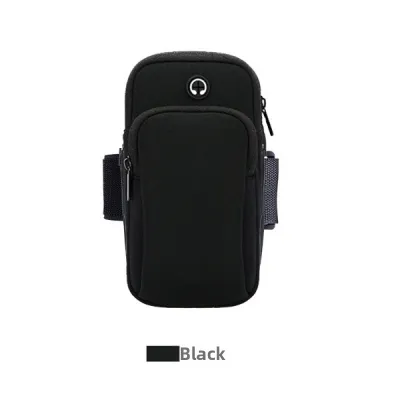
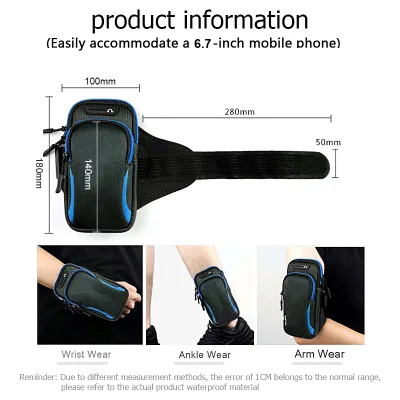
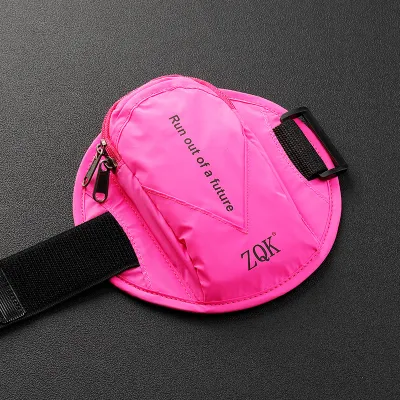
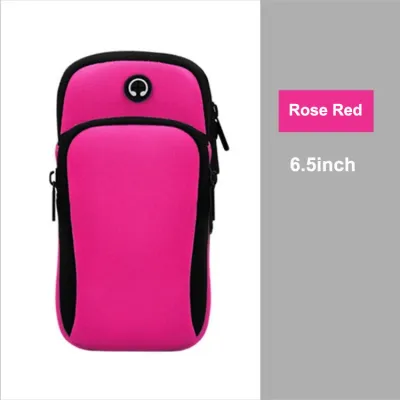
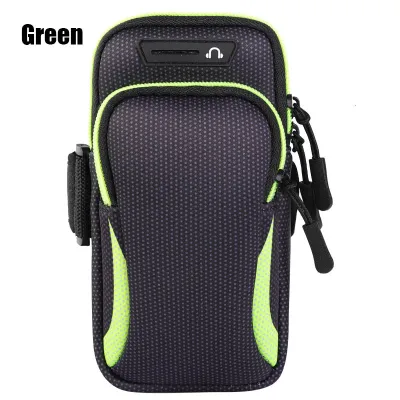
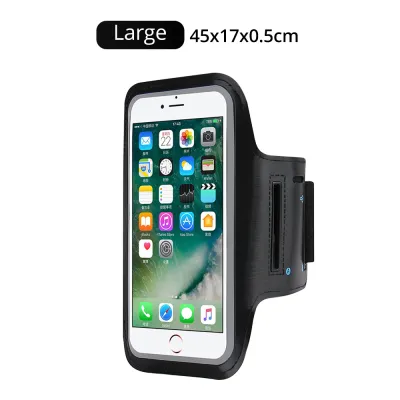
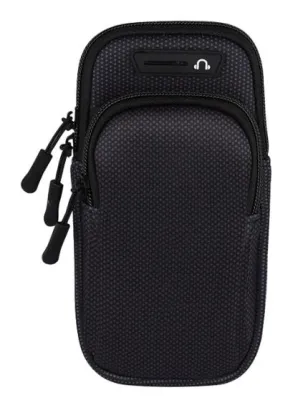
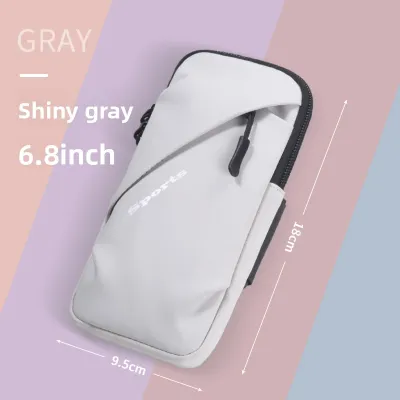
Prices are valid at publication and may change. Please refer to the product page for the latest price.
Without airflow, sweat pools rapidly beneath the band. This constant moisture saturates the fabric, significantly increasing the overall weight of the accessory. As the fabric becomes waterlogged, the friction coefficient between the arm bag and your skin drops dramatically. The weight of your smartphone, combined with the downward force of your running stride, causes the wet band to slide down toward your elbow, disrupting your running rhythm.
To compensate for a slipping band, runners often over-tighten the strap. This restricts blood flow, leads to premature muscle fatigue, and causes painful chafing as the wet fabric rubs against the skin over long distances. Understanding these environmental realities makes it clear why choosing highly breathable materials is essential for maintaining comfort and performance during your runs.
Core Comparison Dimensions for Breathability and Moisture Management
To evaluate how different running arm bags perform in Singapore’s climate, you must look past marketing buzzwords and assess four core design dimensions.

Material Composition
The base fibers of the arm bag determine how it interacts with moisture. Synthetic fabrics such as polyester, nylon, and elastane (often branded as Lycra) are inherently hydrophobic, meaning they absorb very little water. Instead, they allow moisture to pass through their fibers. Conversely, materials like natural cotton or heavy, untreated neoprene retain water, becoming heavy and soggy. Avoid arm bags that feature thick thermoplastic polyurethane (TPU) or polyvinyl chloride (PVC) backings directly against the skin, as these materials act as absolute vapor barriers.
Fabric Construction
How those fibers are woven together is just as critical as the material itself. Open-weave mesh patterns feature visible gaps in the fabric, allowing air to circulate directly to the skin and carry away heat. Micro-perforated fabrics use laser-cut holes to introduce ventilation paths into denser materials like neoprene. Solid, tightly knit fabrics provide excellent structural support and durability but offer minimal pathways for air and moisture transfer, making them poorly suited for high-humidity environments.
Skin Contact Area
The physical footprint of the arm bag on your body directly dictates how much heat you can dissipate. A full-coverage sleeve style wraps around your entire upper arm, distributing pressure evenly but covering a large surface area of skin. A strap-and-pouch design uses a narrower band, reducing skin contact but concentrating the pressure on a smaller area. Minimalist band-style holders eliminate the fabric pouch entirely, using only a thin elastic strap and a small silicone harness to secure the phone, leaving up to 90 percent of the bicep exposed to the air.
Moisture Evaporation Rate
A high-quality arm bag must not only wick sweat away from your skin but also release it into the atmosphere quickly. This is known as the drying or evaporation rate. Fabrics engineered with capillary channels pull moisture from the inner surface (touching your skin) to the outer surface, where it can evaporate. In Singapore’s humid air, a fast evaporation rate prevents the fabric from becoming saturated, keeping the arm bag lightweight and maintaining its grip throughout your run.
Comparing Common Arm Bag Materials and Brand Approaches
Different sports brands approach the challenge of heat and moisture management with distinct design philosophies. By understanding these categories, you can identify which style aligns with your running environment.
Mesh and Moisture-Wicking Lycra Designs
Many athletic apparel brands, such as Nike, Decathlon (under their Kalenji line), and Salomon, focus on lightweight, textile-first designs. These arm bags typically feature a soft, stretchy sleeve made of polyester and elastane blends, often paired with a highly breathable open-mesh backing that sits directly against your arm.
The primary advantage of this approach is exceptional skin comfort and airflow. The mesh panel allows breeze to reach your skin, while the moisture-wicking fibers pull sweat away from your bicep, spreading it over a wide surface area to maximize evaporation. Because these sleeves are soft and highly elastic, they distribute pressure evenly around the arm, minimizing the risk of localized chafing or pinching.
However, these lightweight designs come with distinct trade-offs. Because the fabric is highly breathable and porous, it offers virtually no protection against heavy rain or sweat entering the phone compartment. If your smartphone does not have a high water-resistance rating (such as IP68), sweat can potentially seep through the fabric and damage the device. Additionally, highly elastic sleeves may lack the structural rigidity required to hold larger, heavier smartphone models securely, leading to a bouncing sensation during high-paced runs.
Perforated Neoprene and Synthetic Blends
Brands that specialize in dedicated running accessories, such as Tune Belt, Armpocket, or Spigen, often modify traditional neoprene designs to make them more suitable for warm climates. Neoprene is favored for its excellent durability, cushioning, and structural integrity, which keeps heavy phones completely stable against the arm.
To combat the heat-trapping nature of standard neoprene, these brands utilize perforated neoprene. This material features hundreds of tiny, laser-cut holes that allow heat and air to pass through the core of the band. The side of the bag facing the arm is often lined with a soft, moisture-wicking synthetic mesh to prevent the rubbery neoprene from sticking directly to your skin.
While perforated neoprene is a significant improvement over solid neoprene, it remains a heavier, thicker option. In Singapore’s extreme humidity, these designs can still feel noticeably warm on the arm. The material will eventually absorb some sweat, making it heavier as your run progresses, and it takes significantly longer to dry post-run compared to pure mesh or Lycra. However, for runners who carry large, heavy devices and require maximum stability and physical protection for their phone, this is a highly reliable compromise.
Minimalist Silicone-Grip or Band-Style Holders
A growing number of brands, such as Bone Collection or various specialized running gear manufacturers, have embraced a minimalist design philosophy. Instead of placing the phone inside a fabric pouch, these designs use a flexible, high-tensile silicone web that stretches over the four corners of your phone. This silicone harness is attached to a narrow, adjustable elastic strap that fastens around your arm.
This design offers the absolute maximum level of breathability possible. Because there is no fabric pouch wrapping around your bicep, almost your entire arm remains exposed to the open air. Sweat can evaporate naturally from your skin, and there is no fabric to become waterlogged, heavy, or soggy. The narrow elastic strap often features interior silicone wave patterns or grippers that maintain a firm hold on your skin even when you are sweating heavily.
The limitations of this minimalist style are centered on device exposure and comfort. Because your phone is held in an open harness, it is completely exposed to the elements. If you get caught in a sudden tropical downpour along the Marina Bay waterfront, your phone will get wet, requiring a highly water-resistant device. Furthermore, because the contact area is so small, the elastic strap must be tightened securely to prevent bouncing, which can cause localized pressure points or pinching on your skin during longer runs.
Decision Framework: Choosing the Right Arm Bag for Your Run
To select the ideal arm bag for running in Singapore’s unique climate, you should match the design characteristics to your specific running habits, device specifications, and comfort preferences.
Choose Mesh/Lycra if:
- You frequently run long, steady distances (such as 10km to half-marathons) where continuous comfort and chafing prevention are your top priorities.
- You carry a standard-sized, lightweight smartphone.
- You prefer a soft, sleeve-like fit that distributes pressure evenly around your entire arm.
- Your phone has a high water-resistance rating, or you use a slim, waterproof case to protect it from sweat transfer.
Choose Perforated Neoprene if:
- You carry a large, heavy smartphone (such as "Pro Max" or "Plus" models) that requires maximum structural support to prevent bouncing.
- You perform high-intensity interval training (HIIT), hill repeats, or trail runs at Bukit Timah where sudden, vigorous movements require a highly secure, locked-in fit.
- You want robust physical protection for your device against accidental drops or impacts.
- You are comfortable with a slightly warmer feel on your arm in exchange for absolute device stability.
Choose Minimalist Band-Style if:
- You want the absolute maximum amount of airflow and want to feel as close to wearing nothing on your arm as possible.
- You run shorter distances or perform speed work where minimizing gear weight is crucial.
- You use a highly water-resistant phone and do not mind it being exposed directly to air, sweat, and light rain.
- You want a single holder that can easily adjust to fit different arm sizes or be worn over lightweight apparel.
Verify Before You Buy
Before finalizing your purchase, perform these essential verification checks to ensure the arm bag will perform reliably in high humidity:
- Examine the Material Labels: Check the product specifications for terms like "moisture-wicking," "quick-dry," "breathable mesh," or "polyester-elastane blend." Avoid products labeled simply as "waterproof nylon" or "thick neoprene" without explicit mention of ventilation features.
- Inspect the Grip Mechanisms: Look for interior silicone grippers, textured backing, or wide, high-quality hook-and-loop fasteners. These features are critical for preventing the bag from sliding down when your arm is covered in sweat.
- Check Your Phone's Specifications: Verify your smartphone manufacturer's official IP (Ingress Protection) rating. If your phone is not rated IP67 or IP68 (dust and water-resistant), using a highly breathable mesh or minimalist band-style holder carries a risk of sweat damage. In such cases, ensure you use a protective, water-resistant case or opt for an arm bag with a dedicated sweat-barrier layer.
- Review Care and Maintenance Instructions: High-humidity running means you will need to wash your arm bag frequently to prevent salt buildup and odor. Verify that the product can be easily hand-washed or machine-washed on a delicate cycle without losing its elasticity or damaging the adhesive bonds.
- Confirm the Return and Exchange Policy: Because fit and comfort are highly subjective and depend on your individual arm shape and sweat rate, ensure the retailer offers a flexible return or exchange policy so you can test the fit at home.
Frequently Asked Questions (FAQ)
Can I use a waterproof running arm bag in Singapore's humidity?
While a waterproof arm bag (typically made of solid TPU, PVC, or heavy coated nylon) protects your phone from external rain, it is generally highly uncomfortable for running in Singapore’s humid climate. These materials block all airflow and prevent sweat evaporation. As a result, sweat pools rapidly inside the band, causing the fabric to slide down your arm and increasing the risk of skin chafing. For humid conditions, it is highly recommended to use a breathable, water-resistant, or moisture-wicking arm bag instead. If you are concerned about sudden rain, ensure your phone has a high IP water-resistance rating or place it in a simple zip-top bag before inserting it into a breathable arm bag.
How do I prevent my arm bag from slipping when I sweat heavily?
To prevent your arm bag from slipping during a sweaty run, choose a design that features interior silicone grippers or textured backing, which maintain friction against wet skin. When putting the arm bag on, position it higher up on your bicep where the muscle is naturally thicker, as this provides a physical shelf that helps resist downward sliding. Ensure your skin is completely dry before fastening the band at the start of your run. Additionally, avoid over-tightening the strap to compensate for slipping; instead, opt for a wider, elasticized band that distributes tension evenly without restricting blood circulation.
Community discussion
Share your experience or ask a question. Comments are reviewed before publication.