
When preparing for a long-distance run in hot and humid climates, such as a tropical morning in Singapore, choosing gear that manages heat and moisture is essential for performance and comfort. A running arm band that traps sweat against your skin can quickly turn a focused training session into an uncomfortable ordeal marked by chafing and slipping. Finding an arm band with excellent breathability requires looking past generic marketing claims and focusing on structural design, fabric composition, and ventilation features. By understanding how different materials handle moisture and airflow, you can select an arm band that keeps your device secure while allowing your skin to breathe over many kilometers.
Why Ventilation Matters for Long-Distance Comfort
During extended cardio sessions, your body relies on sweat evaporation to regulate its temperature. When you wear a non-breathable strap around your arm, you create a barrier that traps heat and moisture against your skin. Over several kilometers, this trapped sweat can lead to friction, resulting in painful skin chafing, heat rash, and localized irritation. A well-ventilated arm band allows air to circulate freely, promoting rapid evaporation and keeping the skin dry even during intense workouts.
Beyond personal comfort, moisture management is critical for protecting your smartphone. When an arm band lacks proper ventilation, sweat can accumulate inside the phone pouch, creating a high-humidity environment that risks exposing your device to moisture damage. Furthermore, smartphones generate internal heat during prolonged use, especially when running GPS tracking or music streaming apps in direct sunlight. Without adequate airflow to dissipate this heat, your device may overheat, leading to thermal throttling, battery degradation, or sudden shutdowns mid-run.
Products mentioned in this guide
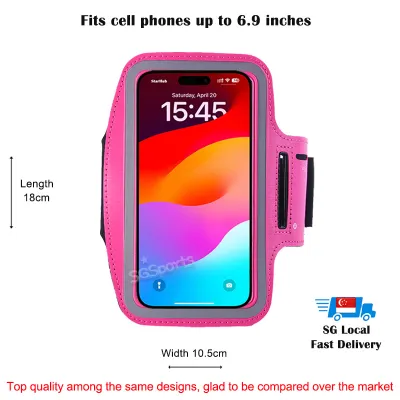
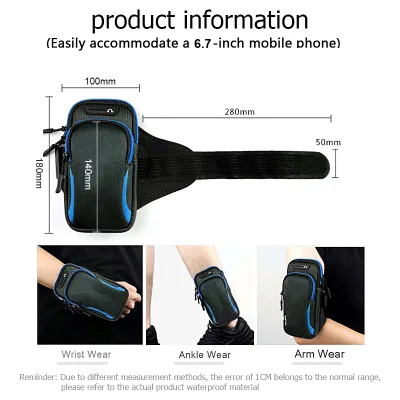
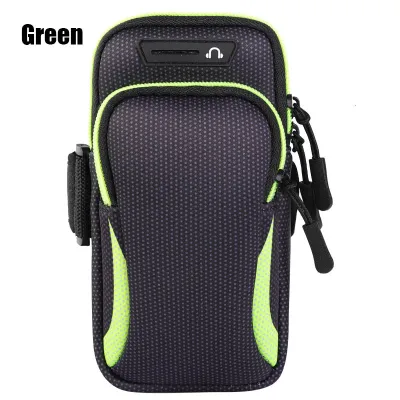
![Spigen Arm Band [A702] Running Phone Holder with Armband Compatible with iPhone 15 14 13 12 11 Pro Max Samsung S24 S23 Ultra and more / Arm Band](https://img.lazcdn.com/g/p/abfdf4f9591c9cc742e6543f31069f36.jpg_400x400q80.jpg_.webp)
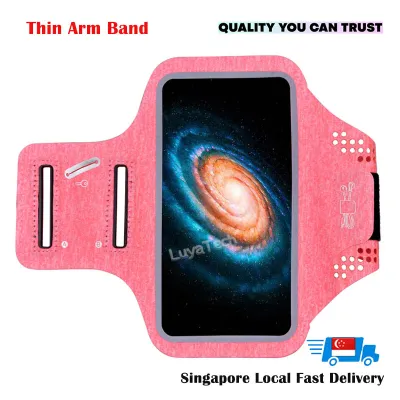
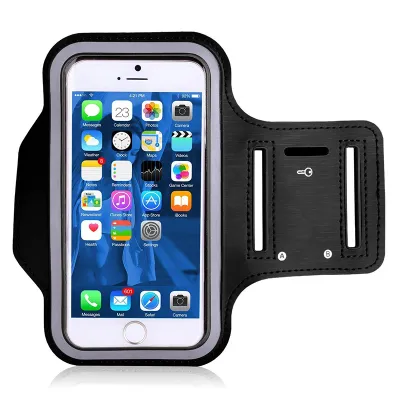
![[SG READY STOCK] Sports iPhone Mobile Phone Armband Gym Running Case Strap Jogging Cycling](https://img.lazcdn.com/g/p/922dad96a8e85df59e3faadc7a43d467.jpg_400x400q80.jpg_.webp)
Prices are valid at publication and may change. Please refer to the product page for the latest price.
Thermal comfort also plays a psychological role in long-distance running. A heavy, waterlogged arm band that absorbs sweat without releasing it becomes a constant, sagging distraction. As the fabric becomes saturated, it loses its elasticity and begins to slip down your arm, forcing you to adjust it repeatedly. A highly breathable arm band remains lightweight and secure, allowing you to maintain your running form and focus entirely on your pacing and distance.
Key Structural and Material Features to Compare
When evaluating different running arm bands, the primary structural choice lies between full-mesh constructions and solid neoprene designs with localized perforations. Full-mesh bands utilize a woven, open-grid pattern that maximizes direct exposure to the air, offering the highest level of passive cooling. In contrast, neoprene bands provide a more structured, cushioned feel that protects the phone from impact, but they require engineered perforations—small, laser-cut holes—to allow heat to escape. While neoprene is inherently insulating, a highly perforated design can offer a balanced compromise between structural stability and airflow.

The fabric blend itself is another critical factor to inspect. Standard synthetic wraps often rely on basic polyester or nylon, which can trap heat if woven too tightly. High-performance moisture-wicking blends incorporate elastane, spandex, or specialized polyester fibers designed to pull moisture away from the skin and disperse it across a larger surface area for faster drying. When comparing products, look for manufacturer specifications that detail the fabric weight and weave density, as lighter, more open weaves naturally facilitate better air exchange.
Silicone anti-slip grips are commonly added to the interior of arm bands to prevent them from sliding down during vigorous movement. However, solid bands of silicone act as complete barriers to airflow and sweat evaporation, often leaving sweaty patches on your skin. To mitigate this, look for designs that use segmented silicone patterns, small dots, or thin, spaced ridges rather than a single wide band. This segmented placement maintains a secure grip on your arm while leaving open channels for air and moisture to pass through.
Finally, examine the thickness and material of the protective screen cover. Many traditional arm bands feature a thick plastic window that completely seals the front of the phone, trapping heat generated by the screen and processor. Some modern, breathable designs omit the plastic cover entirely, using a minimalist corner-strap system or a highly breathable fabric sleeve with an open face. If you prefer a fully enclosed pouch, look for models that feature ventilated back panels or mesh side vents around the pocket to allow heat to escape from the sides of the device.
How to Verify Breathability Claims on Product Labels
To make an informed purchase without relying on subjective brand rankings, you must learn to critically assess product labels and specifications. Start by reading the fabric composition tag, which is usually listed in the product description or on the packaging. Look for synthetic blends that combine nylon or polyester with a high percentage of spandex or elastane for stretch and recovery. Avoid materials labeled as “waterproof neoprene” unless they explicitly specify the presence of engineered ventilation channels or perforated backings, as fully waterproof materials are designed to keep water out, which also means they keep sweat in.
It is also important to distinguish between structural ventilation and chemical moisture-wicking treatments. Structural ventilation refers to physical design elements like mesh panels, laser-cut holes, and open-air channels that will never wash out or degrade over time. Chemical treatments, on the other hand, are topical finishes applied to fabrics to help them disperse moisture. While effective initially, these chemical coatings can gradually wash away after multiple laundry cycles. For long-term durability, prioritize arm bands that rely on physical mesh and perforated structures as their primary means of ventilation.
Many brands market proprietary cooling technologies with trademarked names. When encountering these claims, check the product manual or official specifications for their stated limitations and care requirements. True cooling fabrics often utilize flat, cross-section fibers that naturally conduct heat away from the skin, whereas cheaper alternatives may simply rely on thin material. Verify whether the technology requires specific environmental conditions, such as a minimum wind speed or low ambient humidity, to function effectively.
Lastly, use user feedback on online marketplaces and specialist forums as a practical verification tool. When filtering reviews, search specifically for terms like “long run,” “humidity,” “sweat,” or “chafing.” Look for feedback from runners who train in warm climates or cover distances greater than ten kilometers. If multiple users report that the band becomes heavy, slips when wet, or causes skin irritation after an hour of running, it is a strong indicator that the product’s real-world breathability does not match its marketing claims.
Decision Framework: Matching Designs to Your Running Conditions
Choosing the right arm band design depends heavily on your local running environment, sweat rate, and personal comfort preferences. For runners operating in high-heat and high-humidity environments, such as tropical coastal routes, maximizing airflow is the absolute priority. In these conditions, a full-mesh band or an open-face strap system is highly recommended. These designs minimize the surface area of fabric in contact with your skin, allowing sweat to evaporate almost as quickly as it forms and preventing the band from becoming saturated.
If your runs require heavy sweat absorption, secure device stability, or mild protection against light drizzle, a structured neoprene band with targeted venting may be more suitable. The thicker material provides a cushioned barrier that prevents the hard edges of your phone from pressing against your arm, while the engineered perforations allow a moderate amount of heat to escape. This style is ideal for runners who prefer a locked-down, bounce-free fit and do not mind a slightly warmer feel in exchange for enhanced device security.
Before making a final decision, verify if you have sensitive skin or are prone to contact dermatitis. Synthetic meshes with rough textures or heavy silicone grips can cause friction and micro-abrasions over several hours of continuous movement. If you have sensitive skin, look for arm bands with seamless edges, soft-touch fabric linings, and hypoallergenic silicone patterns. Testing the band on a shorter run first can help you identify any potential friction points before committing to a long-distance training session.
Additionally, consider the trade-off between maximum breathability and water ingress. Highly breathable mesh fabrics offer virtually no protection against sudden downpours, meaning your phone could be exposed to rain. If you frequently run in wet weather but still want to avoid overheating, look for hybrid designs. These often feature a water-resistant front pocket to shield your phone, combined with a highly ventilated, perforated strap that keeps the contact area on your arm as cool and dry as possible.
Frequently Asked Questions (FAQ)
Can I wash my running arm band to restore its moisture-wicking properties?
Yes, regular washing is essential for maintaining both the hygiene and performance of your running arm band. Over time, sweat salts, body oils, and dead skin cells can accumulate in the fabric, clogging the mesh pores and degrading the moisture-wicking fibers. Always check the manufacturer’s care label for specific washing instructions, but as a general rule, hand washing in cold water with a mild detergent is the safest method. Avoid using fabric softeners, bleach, or harsh detergents, as these chemicals leave a residue that coats the fibers, severely reducing their breathability and wicking capabilities. After washing, gently squeeze out excess water and air-dry the band in a shaded, well-ventilated area; avoid machine drying, as high heat can warp elastic straps, melt silicone grips, and damage adhesive seams.
Do compression-style sleeves with pockets offer better ventilation than traditional strap bands?
Compression-style sleeves and traditional strap bands offer different trade-offs in terms of ventilation and comfort. A compression sleeve provides continuous fabric contact around your entire upper arm, which can feel warmer initially compared to a narrow strap band that leaves more skin exposed. However, high-quality sleeves are often made from extremely thin, lightweight, and highly breathable knit fabrics that wick sweat away uniformly across a larger surface area, preventing localized sweat pooling. Many sleeve designs also integrate dedicated ventilation zones, such as mesh panels on the inner arm where heat naturally accumulates. In terms of utility, compression sleeves excel at reducing device bounce and distributing weight evenly, but they can be more difficult to adjust mid-run and may offer less direct access to your phone’s screen compared to traditional strap bands.
Community discussion
Share your experience or ask a question. Comments are reviewed before publication.