
Running in tropical climates presents a unique challenge for sports gear. With relative humidity levels frequently exceeding 80% and ambient temperatures consistently high, no single running arm band brand can promise a completely dry, sweat-free experience. The key to maintaining comfort during outdoor runs lies not in finding a magic moisture barrier, but in selecting designs that actively facilitate heat dissipation and sweat evaporation.
To achieve this, runners should prioritize arm bands constructed from lightweight, moisture-wicking synthetic meshes or open-back structures rather than thick, heat-trapping neoprene. Minimalist straps and sleeve-style compression bands generally offer superior airflow compared to traditional bulky pouches. However, choosing a highly ventilated design requires a conscious trade-off, as increased breathability often reduces the physical protection your device has against sudden tropical downpours.
Key Breathability and Sweat-Management Features to Look For
Understanding the technical construction of running accessories is essential for identifying gear that performs well in high humidity. The primary factor in any arm band’s breathability is its fabric composition. Hydrophobic synthetic fibers, such as high-grade nylon and polyester blends, are engineered with microscopic channels that pull moisture away from the skin through capillary action. This process moves sweat to the outer layer of the fabric where it can evaporate more readily. In contrast, traditional neoprene—a synthetic rubber frequently used in budget arm bands—acts as an insulator, trapping body heat and sweat against your skin, which quickly leads to localized overheating and severe chafing.
Products mentioned in this guide
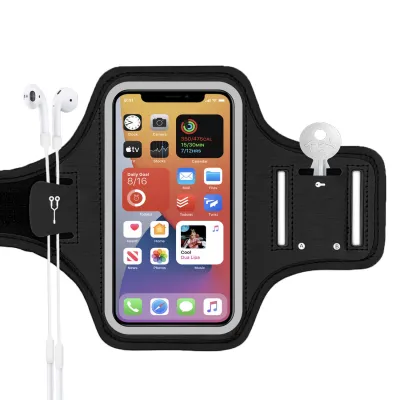
![[SG READY STOCK] Sports iPhone Mobile Phone Armband Gym Running Case Strap Jogging Cycling](https://img.lazcdn.com/g/p/51d9ac10f01562ccc368ae03e66ce4ef.jpg_400x400q80.jpg_.webp)
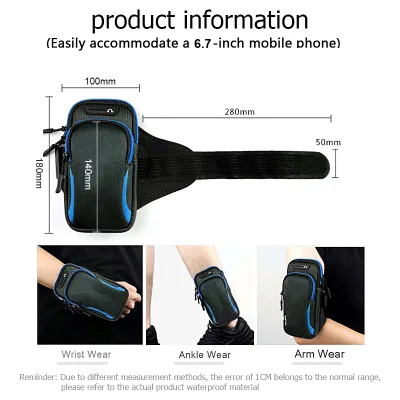
![[READY STOCK] NANOTECH Sports Armband for iPhone/Android Phones](https://img.lazcdn.com/g/p/1d7d1ddd53cc74aecc48513be005fa74.jpg_400x400q80.jpg_.webp)
Prices are valid at publication and may change. Please refer to the product page for the latest price.
Ventilation design goes hand-in-hand with fabric choice. Advanced running arm bands incorporate structural elements like 3D spacer mesh, laser-cut micro-perforations, and open-back phone cradles. A 3D spacer mesh uses a middle layer of monofilament yarns to create a physical air gap between the phone pocket and your arm, allowing air to circulate even when the band is pulled tight. Open-back designs completely expose the rear of the phone, utilizing the natural airflow generated by your running motion to cool both your arm and the device itself.
The physical construction of the strap also dictates how much sweat accumulates. Narrow, non-elastic straps must be fastened tightly to prevent slipping, which compresses the skin, restricts blood flow, and creates deep folds where sweat pools. A wide, highly elasticized strap made of perforated webbing distributes tension across a larger surface area. This design keeps the band secure with less pressure, allowing the skin underneath to breathe and reducing the risk of friction-induced rashes.
Finally, a high-performance breathable arm band must balance ventilation with device safety through localized moisture barriers. While the strap and outer wings should remain as open and porous as possible, the surface directly behind the phone compartment requires an ultra-thin, sweat-resistant lining. This localized barrier prevents corrosive, salty sweat from seeping into the phone’s charging ports or speaker grilles, protecting your electronics without compromising the breathability of the rest of the band.
Comparing Arm Band Styles for Hot and Humid Conditions
Sleeve-Style Compression Bands
Sleeve-style arm bands are constructed as a continuous loop of high-performance fabric, sliding up the forearm onto the bicep without the need for plastic buckles or hook-and-loop fasteners. These sleeves distribute weight and pressure evenly across the entire upper arm, which minimizes the localized friction and pinching that often occur when running in humid conditions. Because they are manufactured from materials similar to high-end running tights—usually a polyamide-elastane blend—they offer excellent moisture-wicking capabilities and a soft, seamless feel against the skin.

However, sleeve-style bands do have specific limitations in tropical climates. Because they cover a larger total surface area of your arm compared to a simple strap, they can feel warm if the fabric density is too high. Additionally, pulling a tight, elasticized sleeve over a wet, sweaty hand and forearm at the end of a long run can be difficult, occasionally causing the fabric to stretch out of shape over time.
Traditional Strap and Pouch Bands
The traditional strap and pouch design remains a common choice due to its simplicity and adjustability. This style consists of a central pocket to hold the phone, secured to the arm by an adjustable elastic strap. The primary benefit of this design is its minimal footprint; it covers far less skin than a full sleeve, leaving more of your arm exposed to natural air currents. The adjustable strap also allows you to loosen the fit on the fly if your muscles swell during a long endurance run.
The main drawback of traditional bands is the solid backing of the central pouch. To protect the phone from moisture, manufacturers often use thick, impermeable materials like neoprene or heavy plastic backings. This creates a complete block to airflow directly against your bicep, resulting in a persistent pocket of trapped heat and sweat. If the strap itself is made of cheap, non-breathable elastic, it will quickly saturate with sweat, lose its grip, and begin to slide down your arm, tempting you to overtighten it and cause chafing.
Minimalist and Adhesive Options
For runners who prioritize weight savings and maximum airflow above all else, minimalist and adhesive mounting systems offer an alternative. Minimalist designs typically feature a hard plastic skeletal mount or a magnetic clip system held in place by an ultra-thin, highly ventilated strap. Because there is no fabric pouch enclosing the phone, air can flow freely around the device and your arm, keeping skin temperature lower and preventing sweat accumulation.
Despite their superior ventilation, these options carry significant risks in hot and humid environments. Adhesive mounting plates, which stick directly to the back of a phone case, are highly prone to failure in tropical climates. The combination of intense body heat, high relative humidity, and natural skin oils can rapidly degrade the chemical bonds of the adhesive, leading to the phone detaching mid-run. Furthermore, these skeletal systems provide no protection against sudden tropical downpours or accidental impacts if you slip on wet pavement.
How to Verify Brand Claims on Breathability and Anti-Slip Grip
When shopping for a running arm band, you will encounter numerous marketing terms such as “ultra-breathable” and “sweat-proof.” To find a product that actually performs in high humidity, you must learn to look past the advertising copy and verify the technical specifications. Start by checking the exact material composition. High-quality running gear should list specific fabric percentages, such as 80% nylon (polyamide) and 20% spandex (elastane). Nylon is highly durable and absorbs very little moisture, while polyester is exceptionally quick-drying. Avoid products that list neoprene or synthetic rubber as the primary material if your goal is maximum breathability.
Next, examine the anti-slip mechanism. Because breathable fabrics are lightweight and smooth, they require assist features to stay in place on a sweaty arm. Look for bands that feature internal silicone wave patterns, hypoallergenic gel dots, or textured inner linings. These elements provide mechanical grip against the skin without sealing off airflow entirely. Ensure that any silicone components are labeled as hypoallergenic, as the combination of friction, sweat, and cheap synthetic rubber can cause contact dermatitis during long runs.
To get an accurate understanding of how an arm band performs in real-world tropical conditions, filter user reviews on online marketplaces. Instead of reading general testimonials, search for specific keywords like “slipping,” “chafing,” “humidity,” “sweat buildup,” and “overheating.” Pay close attention to reviews written by users living in tropical climates, as a band that performs perfectly in a cool, dry environment may fail completely when subjected to a humid morning run.
Finally, evaluate the touchscreen window construction. Many traditional arm bands use a thick plastic cover to protect the screen, which severely limits touch sensitivity and traps heat generated by the phone’s processor. Look for brands that utilize ultra-thin, high-clarity thermoplastic polyurethane (TPU) films under 0.3mm in thickness. This ensures you can operate your phone’s interface with sweaty fingers while allowing the device to dissipate heat more efficiently, preventing processor throttling or thermal shutdown during your workout.
Decision Framework: Which Arm Band Style Fits Your Running Routine?
Selecting the right running arm band requires matching the design to your specific running habits, physical comfort preferences, and environmental conditions.
- Choose Sleeve-Style if: You regularly run long distances (such as half-marathon or marathon training), prefer an even distribution of weight, and are highly susceptible to strap chafing. The continuous fabric loop eliminates high-pressure pinch points, making it the most comfortable option for extended wear, provided you select a lightweight, high-performance synthetic blend.
- Choose Traditional Strap if: You carry a standard-sized phone, want the ability to adjust the tightness of the band mid-run, and prefer minimal fabric coverage on your arm. To maximize breathability with this style, ensure you select a model that features a perforated mesh backing behind the phone pocket rather than solid neoprene.
- Choose Minimalist Options if: You carry a very lightweight, compact device, run primarily short distances (under 5km), and prioritize absolute maximum airflow over device protection. Avoid adhesive-based options entirely in humid weather, and stick to mechanical or magnetic locking straps.
- Verify First if: You frequently run during the monsoon season where sudden, heavy downpours are common, or if you have highly sensitive skin. In these cases, prioritize a band with a verified water-resistance rating or a dedicated waterproof inner pocket. If you encounter severe tropical weather, such as lightning storms or torrential downpours that compromise visibility, stop running immediately and seek shelter; gear cannot replace personal safety and situational judgment.
Frequently Asked Questions (FAQ)
How should I clean my arm band after a sweaty run in Singapore?
To maintain the elasticity and moisture-wicking properties of your arm band, always consult the manufacturer’s care instructions first. As a general rule, hand-wash the band in cool water immediately after your run using a mild, pH-neutral soap to dissolve salt deposits and skin oils. Gently squeeze out excess water without wringing the fabric, and hang it to air-dry in a shaded, well-ventilated indoor area. Never use machine washing cycles, fabric softeners, tumble dryers, or direct sunlight, as these will rapidly degrade the elastane fibers, weaken the adhesive seams, and destroy the silicone grip elements.
Will a highly breathable arm band protect my phone from sudden tropical rain?
No, highly breathable designs rely on open mesh, perforations, and lightweight fabrics that naturally allow water to pass through. If you run in unpredictable tropical weather, you must balance breathability with water protection. Look for bands that feature a dedicated, water-resistant inner lining behind the phone compartment or use a secondary, slim waterproof sleeve to protect your device. Always check your phone manufacturer’s IP rating for water resistance before exposing the device to wet conditions during your runs.
Community discussion
Share your experience or ask a question. Comments are reviewed before publication.