
Running in hot, humid tropical climates like Singapore presents a unique set of challenges for gear selection. When humidity levels regularly soar above 80 percent, sweat cannot evaporate efficiently from your skin, making any additional layer of fabric a potential source of discomfort, heat retention, and painful chafing. A running belt bag is an excellent solution for carrying keys, cards, hydration, and large smartphones, but choosing the wrong model can result in a damp, heavy band of fabric that traps heat directly against your lower back or waist.
To find a belt that remains comfortable during long, sweaty runs, you must look beyond generic marketing terms like “breathable” or “cooling.” True breathability in a running belt is determined by a combination of material science, structural ventilation, and how the belt fits your body. By understanding how different fabrics and designs manage moisture and airflow, you can select a gear option that minimizes sweat buildup and keeps you comfortable even in the most demanding tropical conditions.
Core Features That Drive Breathability in Running Belt Bags
To understand how a running belt manages heat, you must first look at the raw materials and construction techniques used by manufacturers. The primary fabric of the belt is your first line of defense against sweat accumulation. Technical running gear relies heavily on synthetic fibers like polyester, nylon, and elastane blends. These materials are hydrophobic, meaning they resist absorbing water and instead pull moisture away from your skin to the outer surface of the fabric where it can evaporate. In contrast, cotton or heavy canvas blends absorb sweat and hold onto it, quickly becoming heavy, saggy, and abrasive against your skin.
Products mentioned in this guide
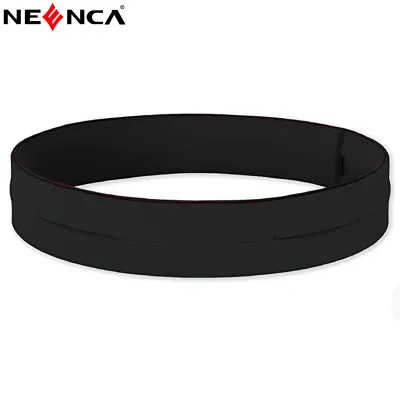
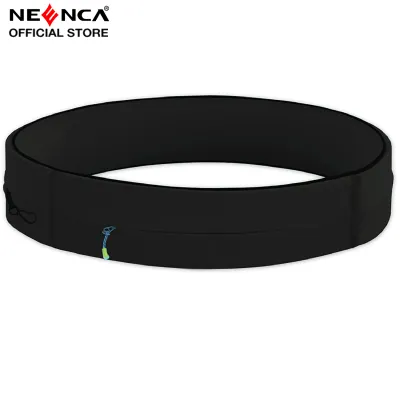
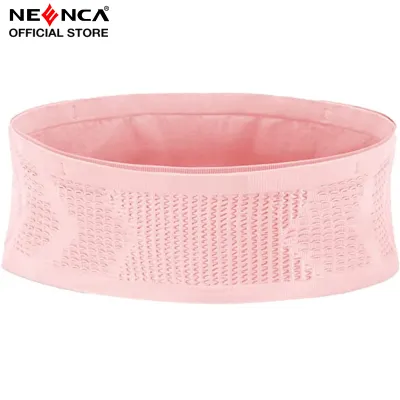
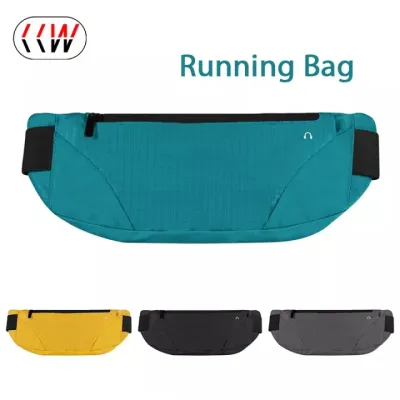
![[SG SELLER] ELASTIC WATER PROOF SPORTS RUNNING SLIM BELT BAG [656]](https://img.lazcdn.com/g/p/63afa5e22d6c6d6a3f7d56da8feeb367.jpg_400x400q80.jpg_.webp)
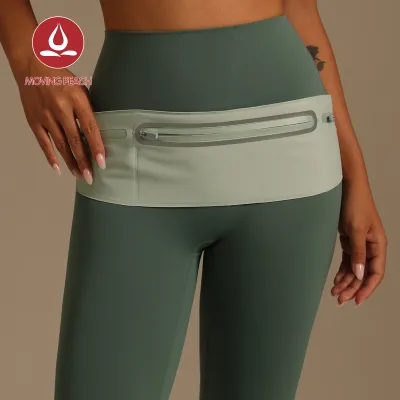
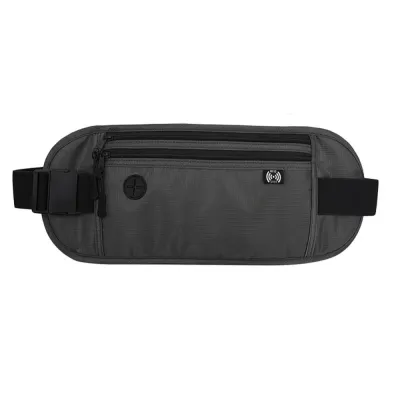
Prices are valid at publication and may change. Please refer to the product page for the latest price.
Beyond the basic fiber composition, the physical structure of the fabric plays a massive role in ventilation. High-performance running belts often incorporate specialized structural elements to maximize airflow:
- 3D Mesh Back Panels: This material uses a three-dimensional knit structure that creates a physical gap between the main storage compartment of the bag and your body. This gap allows air to circulate continuously behind the belt, helping to cool the skin and dry sweat.
- Spacer Fabrics: Similar to 3D mesh, spacer fabrics use a layered construction with micro-filaments in between, providing cushioned support while maintaining open air channels.
- Laser-Cut Perforations: Some solid synthetic belts feature tiny, precision-cut holes in high-sweat zones. These perforations allow heat to escape directly without compromising the structural integrity or elasticity of the band.
The final factor driving breathability is the relationship between tension, fit, and skin contact. For a running belt to remain bounce-free, it must be worn snugly against your waist or hips. However, excessive tension can compress the fabric completely, flattening out air channels in mesh panels and forcing the material to cling tightly to your skin. When fabric is pressed too hard against the body, it acts as a barrier to natural sweat evaporation. The ideal belt balances a secure, non-slip fit with a material structure that maintains its open-air pathways even when stretched under tension.
Comparing Common Running Belt Designs for Airflow
Running belts generally fall into three design categories, each offering a distinct approach to storage, stability, and ventilation. Understanding these structural differences will help you predict how a belt will perform during a humid run before you ever step foot on the pavement.

Seamless tube belts have become incredibly popular for their sleek, bounce-free fit. These belts consist of a continuous, wide band of elastic fabric that slips over your hips and sits flat against your waist, with multiple pocket openings distributed around the entire circumference. While they excel at distributing weight evenly and preventing gear from bouncing, they also maximize skin contact. Because the wide band wraps completely around your midsection, it covers a large surface area of skin. In tropical climates, this continuous contact can trap a significant amount of heat and sweat, particularly along the lower back. If you choose a tube belt, it is critical to select one made from ultra-thin, highly perforated mesh rather than thick, solid elastic fabrics.
Pouch and zipper belts feature a distinct storage compartment attached to a narrower waist strap. This design concentrates the bulk of the gear in one localized area, usually resting on the lower back or the front of the hips. The primary advantage here is that the narrow side straps leave a large portion of your waist exposed to the open air, promoting natural cooling. However, the pouch itself can become a hot spot. Because the pouch must hold heavier items like a phone or keys, it is often made from denser, water-resistant fabrics to protect your belongings from sweat. This dense fabric blocks airflow entirely in that specific zone. To combat this, look for pouches that feature a breathable 3D mesh backing on the side that rests against your body, keeping the sweat-impermeable storage barrier separated from your skin.
Adjustable strap and buckle belts offer the most minimalist approach to carrying gear. These belts typically use a very thin, adjustable webbing strap made of nylon or polyester, secured by a plastic buckle, with a small, lightweight pouch. Because the strap is narrow and the contact points are minimized, this design allows for maximum airflow around your waist. The skin remains largely uncovered, allowing sweat to evaporate naturally. The trade-off with this design is stability; because there is less surface area gripping your body, carrying heavier items can lead to bouncing or chafing if the belt is not adjusted perfectly. For runners who only need to carry bare essentials like a single key and a couple of energy gels, the superior ventilation of a minimalist strap belt is often worth the trade-off.
How to Verify Brand Breathability Claims Before Buying
When shopping for a running belt, you will encounter a barrage of marketing terms like “sweat-proof,” “cool-touch,” and “active ventilation.” To find a belt that actually performs in high humidity, you must learn to verify these claims by examining the physical specifications of the product.
Start by reading the product tags, material lists, and technical descriptions carefully. Look for specific fiber percentages and weave types. High-quality breathable belts will explicitly list materials like polyamide (nylon), polyester, and spandex (elastane), often highlighting proprietary mesh weaves. Avoid any belts that do not clearly state their material composition or those that rely on heavy, non-technical fabrics. Look for terms like “monofilament mesh” or “open-cell mesh,” which indicate a structure designed specifically to allow air and moisture to pass through freely.
Be highly skeptical of vague cooling claims that lack structural or material proof. If a brand claims a belt is “cooling” but the product photos show a solid, thick, neoprene-like band with no visible perforations or mesh panels, the belt is highly likely to trap heat. Neoprene is excellent for water resistance and insulation, but it is notoriously poor at letting heat escape, making it a poor choice for tropical running. True breathability requires physical pathways for air to move; if you cannot see light passing through the mesh or fabric when held up, air will not easily pass through it either.
Finally, leverage verified buyer reviews to get a realistic picture of long-run comfort. When browsing online marketplaces or specialty running store sites, search the reviews specifically for keywords like “humidity,” “sweat,” “chafing,” and “Singapore” or other tropical locations. Pay close attention to how the belt behaves when fully saturated. Look for comments mentioning whether the belt becomes heavy and sags when wet, or if the edges of the fabric become stiff and cause friction burns against bare skin. A belt that remains lightweight and comfortable even when drenched in sweat is a strong indicator of high-quality moisture management.
Decision Framework: Choosing the Right Belt for Your Run
Selecting the right running belt is not about finding a single “best” product, but rather matching the belt’s design to your personal running habits, sweat rate, and gear requirements. Use this framework to guide your decision-making process.
If your primary goal is maximum airflow and you only need to carry minimal items—such as a house key, an ID card, and one or two energy gels—choose a minimalist strap and buckle belt. The narrow strap minimizes skin contact, allowing your body’s natural cooling mechanisms to work without interference. This setup is ideal for short to medium-distance runs where heavy hydration or large phones are not required.
If you need to carry a larger smartphone, a soft flask of water, or additional nutrition, choose a structured pouch belt with a dedicated mesh back panel. The 3D mesh or spacer fabric on the back of the pouch will provide a physical buffer, preventing the sweat-impermeable pocket from sticking directly to your skin. This design allows you to carry heavier loads securely while still maintaining targeted ventilation where the bag contacts your body.
Avoid heavy, non-perforated tube styles if you are prone to heavy sweating, have sensitive skin, or are planning long-distance training runs in the heat of the day. While tube belts are incredibly stable, a thick, solid elastic band wrapping entirely around your waist acts like a thermal wrap, trapping heat and pooling sweat. This constant moisture combined with the friction of running is a recipe for severe chafing and heat rash. If you prefer the snug fit of a tube belt, ensure it is constructed entirely from ultra-lightweight, highly perforated mesh fabric.
Lastly, because everyone’s body shape and sweat rate are unique, it is highly recommended to verify the retailer’s return or exchange policy before purchasing. Some specialty running stores or online platforms allow you to return gear within a specific window if the fit is incorrect. Testing the belt’s stability and comfort on a short, easy run will give you the ultimate proof of whether the material and design work harmoniously with your body under real-world tropical conditions.
Maintenance Tips to Keep Your Belt Breathable
Even the most breathable, high-tech running belt will lose its performance capabilities if it is not cared for properly. Sweat contains high concentrations of salt, minerals, and body oils. As your sweat evaporates during and after a run, these solids are left behind, embedding themselves deep within the pores of technical meshes and synthetic fibers. Over time, this buildup clogs the open pathways of the fabric, drastically reducing its breathability and moisture-wicking efficiency, while also harboring odor-causing bacteria.
To prevent this degradation, establish a consistent cleaning routine:
- Rinse Immediately: After every heavy sweat session, rinse your running belt thoroughly under cool, clean running water. This simple step flushes out the salt and oils before they have a chance to dry and crystallize within the fabric pores.
- Gentle Washing: Wash the belt regularly using a mild, liquid sports detergent. Avoid fabric softeners at all costs; softeners leave a thin, waxy chemical coating over synthetic fibers that clogs mesh pores and destroys the fabric's ability to wick moisture.
- Hand Wash or Use a Mesh Bag: To protect delicate mesh panels and elastic fibers from stretching or tearing, hand wash the belt or place it inside a mesh laundry bag on a gentle machine cycle.
Air-drying is essential for preserving the structural integrity of your running belt. Never place a technical running belt in a tumble dryer. The high heat of a dryer can melt fine synthetic fibers, warp plastic buckles, and rapidly degrade the elastane or spandex that gives the belt its stretch and bounce-free fit. Instead, hang the belt in a well-ventilated, shaded area out of direct, intense sunlight, which can also break down elastic fibers over time.
Keep an eye out for observable signs that your belt’s breathability or structural integrity has degraded. If you notice that the fabric remains stiff or crusty even after washing, or if water droplets pool on the surface of the mesh instead of soaking in and dispersing, the moisture-wicking treatments or fibers have likely broken down. Additionally, if the belt has lost its elasticity and begins to sag or bounce when loaded, it is time to replace it to avoid chafing and discomfort on your future runs.
Frequently Asked Questions (FAQ)
Does a darker colored running belt bag absorb more heat?
Yes, darker colors like black or deep navy absorb more radiant heat from direct sunlight than lighter colors. If you frequently run during the middle of the day under direct sunlight, a lighter-colored belt can help minimize surface heat absorption. However, during early morning, evening, or night runs, color has no impact on thermal comfort. Furthermore, the fabric’s thickness, weave, and proximity to your skin play a far greater role in how hot you feel than the color of the outer fabric. A black belt made of highly breathable 3D mesh will feel significantly cooler than a white belt made of thick, non-breathable neoprene.
Can I use a standard waist pack instead of a dedicated running belt bag?
While you can physically wear a standard casual or travel waist pack, it is generally not recommended for running in hot and humid conditions. Casual waist packs are typically constructed from heavy, durable materials like canvas, thick nylon, or polyester canvas. These fabrics are designed for durability and water resistance rather than breathability, meaning they trap heat and absorb sweat, becoming heavy and waterlogged. Additionally, travel packs lack the specialized elastic tension and snug fit of running belts, leading to significant bouncing, friction, and painful chafing as you move. Investing in a dedicated running belt ensures your gear is lightweight, stable, and designed to handle heavy sweat.
Community discussion
Share your experience or ask a question. Comments are reviewed before publication.