
Direct Answer: Choosing a Breathable Running Belt for Humid Runs
Singapore’s tropical climate, characterized by year-round high temperatures and relative humidity levels frequently exceeding 80%, presents a unique challenge for runners. In these conditions, sweat does not evaporate easily, meaning any gear worn around the waist will inevitably become wet. No single brand or model can completely prevent sweat accumulation.
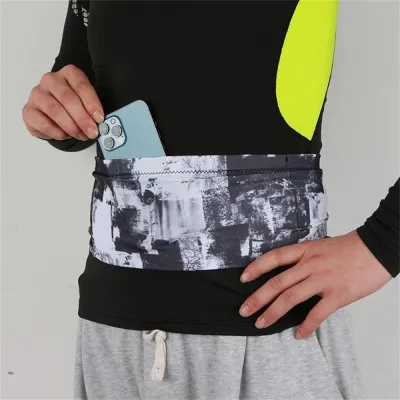
Instead, the most breathable running belt waist option depends on how a runner balances two distinct design philosophies: tube-style belts and pouch-style belts. Tube-style belts distribute weight evenly across a wide, continuous band. While they cover more skin surface area, they use high-performance moisture-wicking fabrics that pull sweat away from the body and prevent localized pressure points.
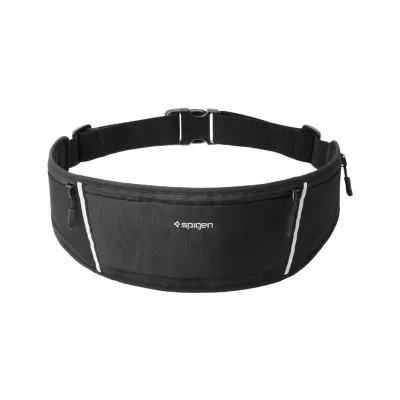
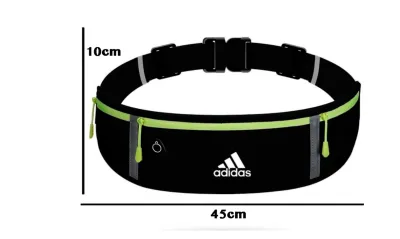
Pouch-style belts minimize overall skin contact by using a narrow elastic strap paired with a small, targeted storage pouch. This design allows the rest of your waist to remain completely uncovered, maximizing direct airflow, though the strap and plastic buckle can sometimes trap heat and cause localized friction.
Products mentioned in this guide
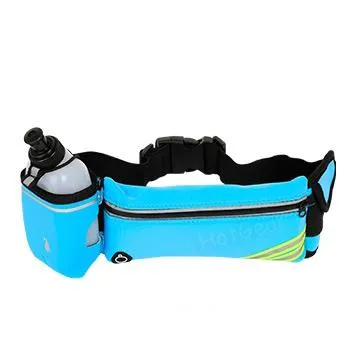
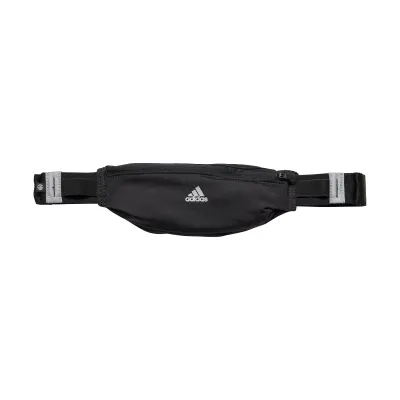
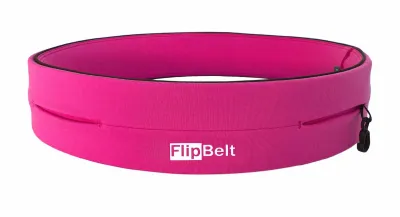
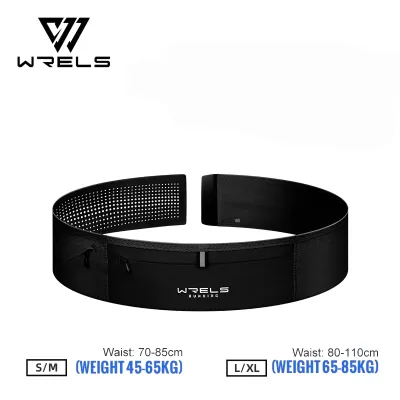
Prices are valid at publication and may change. Please refer to the product page for the latest price.
For runners carrying multiple small items like energy gels, keys, and cards, a tube-style belt is generally superior because it prevents bouncing and distributes moisture. For those carrying only a single large smartphone and prioritizing maximum skin exposure to the air, a pouch-style belt with a mesh backing is the more breathable choice.
Key Factors for Breathability in Hot and Humid Conditions
Material Composition
The foundation of a breathable running belt waist accessory lies in its fabric. Synthetic fibers like polyester, nylon, and elastane (spandex) are the industry standards because they are hydrophobic, meaning they resist absorbing water. Instead of soaking up sweat like cotton, these synthetics pull moisture to the outer surface of the fabric where it can evaporate. In Singapore’s humid air, however, evaporation is slow. Therefore, the physical structure of the fabric is just as important as its chemical makeup. Look for open-weave mesh, micro-perforations, and lightweight knit structures that allow air to pass directly through the material, cooling the skin beneath.

Design and Surface Area
The total surface area of the belt in contact with your skin directly affects heat retention. A wider belt covers more of your lower torso, creating a larger barrier to natural heat dissipation. However, a wider belt also distributes the weight of your items, preventing them from bouncing and rubbing against your skin. Conversely, a narrow belt minimizes skin coverage but concentrates all the weight and tension onto a thin strip of elastic, which can dig into your waist and trap sweat in a concentrated line.
Fit and Tension
Achieving the correct fit is a delicate balance. A running belt must be snug enough to prevent bouncing, but excessive tension compresses the fabric’s air pockets, reducing its breathability and trapping heat directly against your skin. This trapped heat can quickly lead to heat rash (miliaria) or severe chafing. A belt that is too loose, on the other hand, will bounce and slide, creating repetitive friction against sweaty skin, which accelerates skin irritation.
Buckles and Hardware
The presence of plastic buckles, heavy zippers, and thick, reinforced seams can significantly compromise a belt’s comfort in high humidity. Plastic is entirely non-breathable; it acts as a solid barrier that traps sweat completely. Heavy seams and zipper tracks can also create raised pressure points that rub against the skin. In tropical climates, minimizing hardware or choosing belts with flat, low-profile fasteners is highly beneficial for preventing localized hot spots.
Comparing Popular Running Belt Designs for Breathability
Tube-Style Belts (e.g., FlipBelt, Naked Running Band)
Tube-style running belts have gained immense popularity for their bounce-free design and high storage capacity. These belts are essentially a continuous loop of stretchy fabric that sits snugly around the hips or waist. Because they lack buckles, adjustment clips, and heavy zippers, they offer a smooth, uniform fit that eliminates the risk of hardware-induced chafing.
From a breathability standpoint, tube-style belts rely heavily on the quality of their technical fabrics. Premium options like the Naked Running Band utilize an extremely lightweight, open-air mesh that allows for exceptional airflow. This mesh structure ensures that even though the belt covers a wide band of skin, air can still circulate relatively freely. Other popular options, like the classic FlipBelt, use a thicker, softer polyester-spandex blend. While incredibly comfortable and soft to the touch, this denser fabric can act like a sponge once it becomes fully saturated with sweat in Singapore’s humidity, making the belt feel heavy and damp during long runs.
The primary trade-off of the tube design is this continuous skin contact. In a climate where relative humidity is high, a saturated fabric band will remain wet for the duration of your run. However, because the pressure is distributed evenly across a 360-degree surface, the wet fabric is less likely to cause localized friction or digging compared to a narrow, highly tensioned strap.
This design is ideal for runners who need to carry a variety of items—such as multiple energy gels, a soft flask of water, keys, and a phone—and prefer a secure, locked-in feel. The even distribution of weight prevents the items from bouncing, which is one of the leading causes of chafing when running in wet, sweaty conditions.
Pouch-Style and Mesh Belts (e.g., SPIbelt, Salomon, generic mesh pouches)
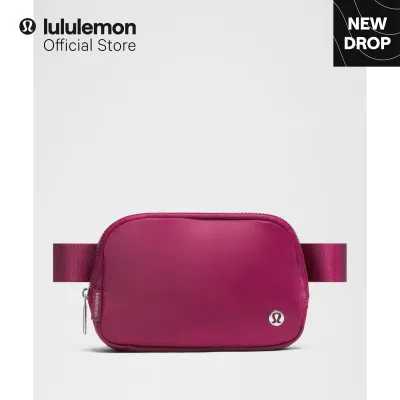
Pouch-style running belts take a minimalist approach to storage. They typically consist of a single expandable pocket attached to a narrow elastic waistband. This design inherently maximizes breathability simply by minimizing the amount of fabric in contact with your body. With only a small portion of your waist covered by the pouch and strap, the rest of your skin is left free to breathe and benefit from any passing breeze.
The pouch itself is often constructed from lightweight, stretchy materials. Some brands, like SPIbelt, offer versions with moisture-resistant or mesh pockets, while others utilize highly breathable mesh panels that allow heat from your body (and your phone) to escape. Salomon’s minimalist waist packs often feature highly engineered, breathable mesh backings that sit flat against the lower back, providing a stable carry while facilitating airflow.
However, the narrow elastic straps and plastic buckles characteristic of pouch-style belts present their own set of challenges in humid weather. The elastic band must be tightened sufficiently to prevent the loaded pouch from bouncing. This concentrated tension can cause the strap to dig into your waist, trapping sweat underneath the elastic and creating a high-friction zone. Additionally, the plastic adjustment buckles and closures are completely non-porous, often leading to localized sweat accumulation and chafing right where the buckle sits against your hip or back.
This style is best suited for runners who carry very little—typically just a single smartphone and a house key—and want to keep their waist as uncovered as possible. By keeping the load light, you can wear the belt slightly looser, which helps mitigate the risk of the strap digging in and trapping sweat.
Feature Comparison Matrix
To help you decide which design architecture aligns best with your running habits and comfort preferences in humid conditions, the table below outlines the key structural differences and breathability trade-offs of each style.
| Design Type | Primary Material | Skin Contact Area | Ventilation Mechanism | Best For (Humid Conditions) |
|---|---|---|---|---|
| Tube-Style Belt | Polyester/Nylon & Spandex blends, or open-air technical mesh | High (360-degree coverage around the waist) | Continuous moisture-wicking fabric and open-weave mesh airflow | Carrying multiple items (gels, flasks) with even weight distribution and zero buckle friction |
| Pouch-Style Belt | Elastic strap with nylon, neoprene, or mesh storage pouch | Low (minimal contact, restricted to the strap and pouch) | Direct skin exposure to air; targeted mesh panels on the pouch | Carrying a single smartphone with maximum overall skin ventilation |
When evaluating these options, consider how much you sweat and how sensitive your skin is to friction. A tube-style belt made of high-quality mesh offers a great balance of storage and airflow, while a simple pouch belt is unmatched for keeping your waist cool if you only carry the bare essentials.
How to Prevent Chafing and Sweat Build-Up
Positioning
To minimize the risk of skin irritation, always wear your running belt waist accessory over your running apparel rather than directly against bare skin. Placing the belt over a high-quality, moisture-wicking synthetic shirt or running shorts waistband creates a protective barrier. This barrier absorbs the initial layer of sweat and prevents the belt’s seams or straps from rubbing directly against your skin.
Anti-Chafe Balms
For long-distance runs, especially in Singapore’s intense heat, applying an anti-chafe balm or lubricant to high-friction areas is highly recommended. Focus on areas where the belt sits tightly, such as the hip bones, the lower back, and the waistband line. These balms create a slick, protective layer that reduces friction even when both your skin and the belt are completely saturated with sweat.
Post-Run Care
Sweat contains high concentrations of salt, body oils, and bacteria. When the water in your sweat evaporates, it leaves behind sharp salt crystals embedded within the fabric fibers of your belt. If left unwashed, these crystals act like sandpaper during your next run, causing severe chafing. Furthermore, dried sweat and oils degrade the elastic fibers (elastane) over time, causing the belt to lose its stretch and fit. To prevent this, rinse your belt in cool, fresh water immediately after every run to flush out the salt and sweat.
Drying
After rinsing or washing your belt, squeeze out the excess water gently without wringing or twisting the fabric, which can damage the elastic fibers. Hang the belt to air dry in a well-ventilated indoor area or a shaded outdoor spot. Avoid exposing the belt to direct, harsh sunlight, as UV rays can rapidly degrade synthetic materials, causing the elastic to become brittle and lose its recovery properties. Never use a tumble dryer, as the high heat will melt or warp the synthetic fibers and ruin the belt’s elasticity.
Final Verdict: Which Belt Should You Choose?
Choosing the right running belt waist accessory for Singapore’s humid climate comes down to a clear trade-off between storage capacity and skin exposure.
Choose a Tube-Style Belt if: You regularly carry multiple items (like gels, keys, and a soft flask), prefer a completely bounce-free experience, and do not mind the belt holding some moisture as long as it distributes pressure evenly and eliminates chafing-prone buckles.
Choose a Pouch-Style Mesh Belt if: You only need to carry a single large smartphone, prioritize keeping as much of your waist uncovered as possible to maximize airflow, and are comfortable adjusting a buckle to find the right balance of tension and stability.
Verify first if: You have highly sensitive skin or are prone to heat rashes. Before committing to a long-distance run, test your new belt on a short, easy run while wearing a thin, technical running shirt to see how your skin reacts to the combination of sweat, friction, and fabric contact.
Frequently Asked Questions (FAQ)
Can I wash my running belt in a washing machine?
Yes, but you must take precautions to protect the technical fabrics and elastic components. Always check the manufacturer’s care label first, as some highly technical belts with rigid structural elements may require hand-washing. For most standard fabric and mesh belts, machine washing is safe if you place the belt inside a mesh laundry bag. This prevents the straps from tangling around the washing machine’s agitator and protects the delicate mesh from snagging on zippers or velcro from other garments.
Use a gentle, cold-water cycle with a mild liquid detergent. Avoid using fabric softeners, as they leave a thin chemical coating on synthetic fibers that clogs the fabric’s pores, severely reducing its moisture-wicking and breathability capabilities. Once the cycle is complete, remove the belt immediately and hang it to air dry. Never put a running belt in a tumble dryer, as the high heat will destroy the elastic fibers and warp any plastic hardware.
Do running belts cause skin irritation in high humidity?
Running belts can indeed cause skin irritation, such as chafing, heat rash, or contact dermatitis, when worn in high-humidity environments like Singapore. The combination of heat, constant moisture from sweat, and repetitive friction creates the perfect conditions for skin barrier breakdown. When a belt rubs against wet skin, it can cause micro-tears in the epidermis, leading to painful chafing. Additionally, if sweat is trapped against the skin for extended periods by a non-breathable strap or buckle, it can block sweat ducts, resulting in itchy heat rash.
To minimize these risks, always ensure your belt is properly fitted to prevent bouncing, and wear it over a layer of technical, moisture-wicking apparel. Regularly washing your belt to remove accumulated salt, bacteria, and body oils is also crucial, as dirty gear is far more likely to irritate the skin. If you experience persistent irritation, try switching to a belt with a different design architecture or material composition, and always apply an anti-chafe balm to high-risk areas before heading out.
Community discussion
Share your experience or ask a question. Comments are reviewed before publication.