
To run comfortably in Singapore’s persistent heat and high humidity, selecting a running waist belt requires looking beyond generic brand names to evaluate specific material compositions and structural designs. There is no single brand that universally outperforms all others, as the optimal level of breathability depends heavily on how a belt manages airflow and sweat evaporation.
For runners seeking the absolute highest direct airflow, belts featuring open-mesh panels and lightweight, unlined micro-perforated fabrics are highly effective. These materials allow air to pass directly through the belt, cooling the skin and accelerating sweat evaporation. Conversely, seamless fabric tubes rely on moisture-wicking compression to pull sweat away from the body, which can feel exceptionally comfortable and secure but may trap more ambient heat if the fabric is too thick.
Ultimately, the best choice depends on your specific running priorities. If you prioritize maximum ventilation and immediate heat dissipation, a soft, open-mesh pouch design is ideal. If your primary concern is preventing chafing and ensuring a bounce-free fit over long distances, a high-quality, ultra-thin seamless compression tube is the superior option. In our tropical climate, a belt’s drying speed is just as critical as its initial breathability, as a waterlogged accessory will quickly become heavy and cause friction against your skin.
Products mentioned in this guide
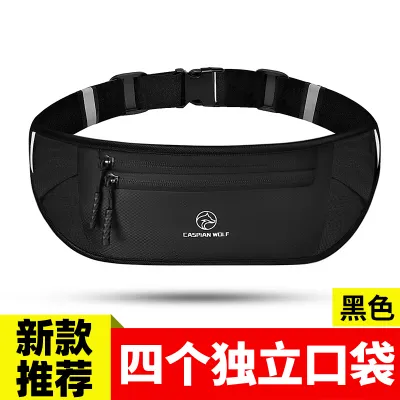
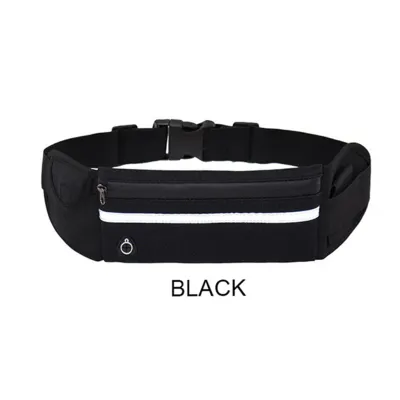
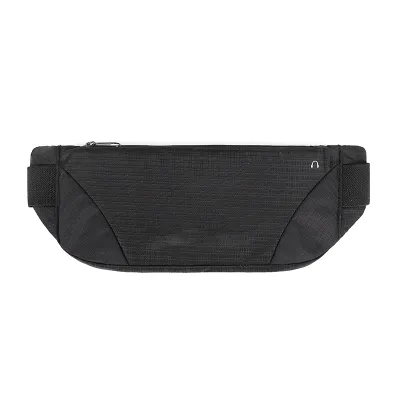
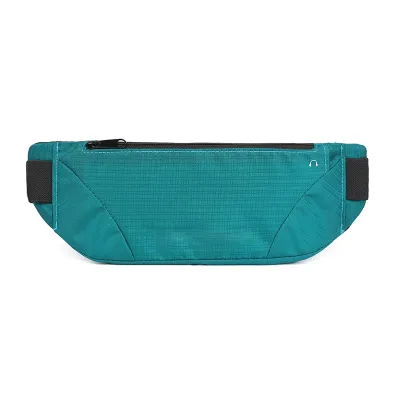
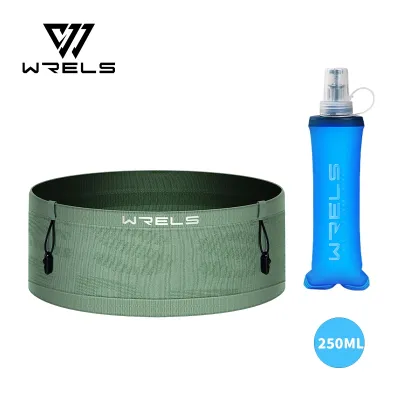
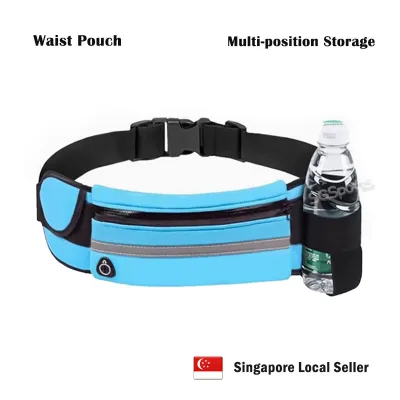
![[SG READY STOCK] RUNNING WAIST POUCH JOGGING BICYCLE SPORTS TRAINING BAND](https://img.lazcdn.com/g/p/dbe5c4d91bfdddf678651b0a27d3ac5d.jpg_400x400q80.jpg_.webp)
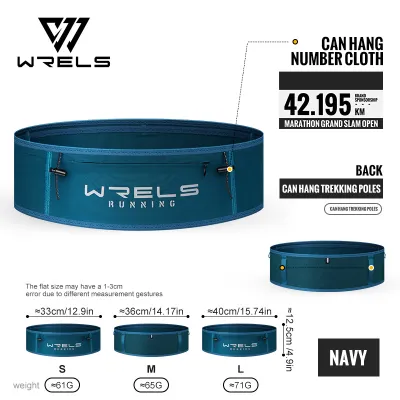
Prices are valid at publication and may change. Please refer to the product page for the latest price.
Core Comparison Dimensions for Hot and Humid Runs
Evaluating a running waist belt for tropical conditions requires a clear understanding of how technical fabrics interact with extreme humidity. Standard marketing terms like “breathable” or “ventilated” are often designed for dry, temperate climates where sweat evaporates instantly. In Singapore, where humidity levels frequently exceed 80%, evaporation is severely restricted, meaning your gear must work much harder to keep you dry and comfortable.
To make an informed decision, runners should evaluate waist belts across four distinct performance dimensions. Additionally, while selecting highly breathable gear is crucial for thermal regulation, equipment cannot replace proper physiological judgment; runners must monitor their hydration levels, pace themselves appropriately, and recognize signs of heat exhaustion during extreme tropical humidity:
- Airflow and Porosity: This refers to the physical structure of the fabric and how easily air can pass through it. High-porosity fabrics, such as open-weave mesh or laser-perforated synthetics, allow ambient air to reach your skin, facilitating convective cooling.
- Moisture-Wicking Speed: This measures how quickly a fabric pulls liquid sweat away from your skin and distributes it across the outer surface of the belt. High-performance synthetic fibers, such as treated polyester or polyamide, use capillary action to transport moisture rapidly, preventing the belt from feeling like a wet, heavy band around your waist.
- Drying Time: In a tropical climate, a belt that wicks moisture but retains it will quickly become saturated, especially during sudden afternoon downpours or high-sweat long runs. Fast-drying fabrics release moisture into the air quickly, maintaining a lighter weight and reducing the risk of fabric sag.
- Chafing Resistance: When fabric is wet, friction against the skin increases dramatically. Seamless construction, flatlock stitching, and soft-bound edges are essential features that prevent the wet fabric from rubbing against your waist and causing painful abrasions during repetitive running motions.
Beyond the fabric itself, the hardware of the belt plays a critical role in thermal comfort. Large plastic buckles, thick adjustment sliders, and heavy zippers can act as heat sinks, trapping body heat and sweat against your lower back. When comparing options, look for minimalist hardware, low-profile fasteners, or step-in designs that eliminate bulky plastic components entirely, ensuring that nothing blocks the natural escape of heat from your core.
Comparing Popular Waist Belt Designs for Tropical Weather
The structural design of a running waist belt dictates not only how much gear it can carry but also how it manages heat and moisture. Different construction styles utilize distinct fabric technologies to balance stability, capacity, and ventilation. Understanding these design categories allows you to match a belt to your specific running distance, carrying needs, and personal heat tolerance.

Seamless Fabric Tubes (Pull-On Style)
Seamless fabric tubes have become incredibly popular due to their sleek, bounce-free fit and high carrying capacity. These belts are typically constructed from a continuous loop of blended synthetic fabrics, utilizing high percentages of spandex or elastane to provide the compression necessary to hold items flat against your body. Because they lack seams, buckles, and zippers, they offer exceptional comfort and minimize the risk of chafing, making them an excellent choice for long, steady runs.
However, the continuous, wrap-around design of these tubes means they cover a relatively large surface area of your lower torso. If the fabric blend is too thick or heavy, the belt can act as an insulating layer, trapping body heat and causing excessive sweating beneath the band. To mitigate this issue, look for summer-specific or ultralight versions of classic tube designs, which incorporate micro-perforated zones or laser-cut ventilation holes that allow heat to escape without sacrificing the belt’s structural tension.
When selecting a seamless tube for tropical running, it is crucial to verify the fabric weight and layer structure. Some models use a double-layer design to create pockets, which inherently traps more heat than a single-layer belt with integrated compartments. Look for lightweight polyamide-elastane blends that feel cool to the touch and feature visible micro-mesh patterns, ensuring that the compression does not come at the expense of vital airflow.
Open Mesh and Zipper Pouches
Belts that feature dedicated zipper pouches supported by open-mesh straps offer the highest direct ventilation of any design. By replacing solid fabric bands with highly porous mesh panels, these belts minimize the surface area of material in direct contact with your skin. This open structure allows wind and ambient air to circulate freely, promoting rapid sweat evaporation and helping to keep your core temperature stable during intense midday runs.
The primary trade-off with this design is the potential for friction and chafing, particularly when the belt is fully loaded or wet with sweat. Mesh fabrics can sometimes feel stiff or abrasive, and the presence of zippers, seams, and plastic adjustment buckles increases the number of potential friction points. To prevent discomfort, look for belts that utilize soft-bound edges, flat-stitched seams, and moisture-wicking back panels that cushion the pouch against your body without trapping heat.
Additionally, the carrying capacity of open-mesh belts must be balanced against their stability. While a loose, highly ventilated belt may feel cool, any bouncing or shifting during your stride will quickly lead to skin irritation. Ensure the belt features a secure, adjustable tensioning system that keeps the pouch firmly in place, allowing you to enjoy the benefits of maximum airflow without the distraction of a bouncing load.
Neoprene and Hook-and-Loop Belts
Traditional running belts often utilize neoprene, a synthetic rubber material known for its durability, water resistance, and structural stability. Neoprene belts typically feature hook-and-loop (Velcro) fasteners, allowing for quick, highly adjustable sizing that can be easily loosened or tightened on the go. This adjustability is particularly useful if you carry fluctuating volumes of hydration or need to adjust the fit as you consume energy gels.
Despite their durability, standard unlined neoprene belts are generally poorly suited for Singapore’s hot and humid climate. Neoprene is an insulating material that does not breathe; it traps heat and sweat directly against the skin, creating a hot, wet microclimate that can lead to severe heat rash and chafing. If you prefer the structure and adjustability of a neoprene belt, it is essential to look for specialized models that feature deeply perforated channels or a dedicated air-mesh lining designed to lift the rubber off your skin and allow air to circulate.
The durability of hook-and-loop fasteners is another important consideration for tropical runners. Frequent exposure to heavy sweat, body oils, and salt buildup can degrade the adhesive quality of Velcro over time, while the frequent washing required to keep the belt hygienic can cause the fibers to fray. If you choose this style, ensure the fasteners are made from high-quality, low-profile molded polymer hooks that resist salt accumulation and maintain their grip even when thoroughly saturated.
Decision Framework: Choosing the Right Belt for Your Run
Selecting the ideal running waist belt involves matching the structural design of the gear to your specific running habits, carrying requirements, and personal comfort preferences. Because no single design excels in every category, you must weigh the trade-offs between absolute ventilation, carrying capacity, and long-distance comfort. Use the following guidelines to determine which style best aligns with your training routine:
- Choose a seamless fabric tube if:
- Your primary goal is preventing chafing over long, high-mileage runs where repetitive motion can cause wet fabric to rub against your skin.
- You carry a streamlined set of essentials, such as a few energy gels, a key card, and a slim smartphone, and prefer them to be held tightly and bounce-free against your waist.
- You prefer a low-profile aesthetic that fits comfortably under or over lightweight, technical running shorts without requiring adjustable straps.
- Choose an open-mesh zipper pouch if:
- You prioritize maximum airflow and ventilation above all else, especially during high-intensity workouts or runs in the peak heat of the day.
- You need to carry larger, heavier items, such as a large-format smartphone or a soft hydration flask, and require a secure, zippered compartment to keep them safe.
- You want quick, easy access to your items without having to slide or wiggle a compression tube up and down your hips.
- Avoid standard neoprene unless:
- The belt explicitly incorporates a deeply channeled, perforated air-mesh backing that prevents the rubber from contacting your skin directly.
- You require a highly adjustable, customizable fit to accommodate fluctuating hydration levels or changes in layering, and your runs are generally shorter or less intense.
- Verify the product specifications first to check if:
- The brand offers a dedicated "summer," "ventilated," or "ultralight" version of their classic models, as standard all-season designs are often too thick for tropical climates.
- The fabric blend features a high percentage of polyamide (nylon) rather than polyester, as polyamide typically feels cooler to the touch and offers superior durability when wet.
Before making a final choice, always check the manufacturer’s sizing guide carefully. A belt that is too tight will restrict your breathing and trap excessive heat, while a belt that is too loose will bounce and cause immediate chafing, regardless of how breathable the fabric claims to be.
Care and Maintenance to Preserve Moisture-Wicking Properties
To maintain the breathability, elasticity, and sweat-wicking performance of your running waist belt, proper care and maintenance are essential. The combination of heavy sweat, body oils, and environmental humidity in tropical climates creates a harsh environment that can rapidly degrade technical fabrics if they are not cleaned correctly.
Follow these low-risk, stable maintenance steps to extend the lifespan of your gear:
- Rinse Immediately After Every Run: Do not allow sweat and salt to dry on the belt. Rinse the belt thoroughly in cool, clean water immediately after your run to flush out salt crystals, which can clog the micro-pores of breathable fabrics and break down the elastane fibers that provide compression.
- Use a Mild, Liquid Detergent: When washing, use a gentle detergent formulated for technical sportswear. Avoid powder detergents, as they can leave residues that block the fabric’s wicking channels, and never use bleach, which destroys synthetic fibers and reflective elements.
- Strictly Avoid Fabric Softeners: Fabric softeners work by leaving a thin, waxy coating over fabric fibers to make them feel soft. This coating completely clogs the moisture-wicking pathways of technical fabrics, trapping sweat inside the fibers and permanently destroying the belt's breathability and drying capabilities.
- Air Dry in the Shade: Hang the belt to dry in a well-ventilated, shaded area. Avoid direct, intense sunlight, as ultraviolet rays can degrade elastic fibers and cause colors to fade. Never use a high-heat tumble dryer, as the extreme heat can melt delicate synthetic fibers, warp zippers, and destroy the adhesive backing of reflective details.
Always consult the care label on your specific waist belt before washing. If the manufacturer’s instructions conflict with general guidelines, prioritize the brand’s official care steps to ensure you do not void any warranties or damage specialized materials.
Frequently Asked Questions (FAQ)
Can I use a running waist belt in heavy tropical rain?
Yes, you can use a running waist belt during heavy tropical rain, but you must choose your design carefully to protect your belongings and maintain comfort. Highly breathable mesh and lightweight compression fabrics are designed to let air in, which also means they will let water in during a sudden downpour. If you carry electronic devices, such as a smartphone or car keys, you must ensure they are placed inside a dedicated waterproof inner pouch, a zip-top plastic bag, or that the belt features an explicitly rated waterproof compartment.
While keeping your electronics dry is crucial, the belt itself must still be able to drain and dry quickly. Avoid heavy, absorbent materials that waterlog easily, as a water-saturated belt will become heavy, sag, and cause severe chafing against your skin. Opt for hydrophobic synthetic materials that shed water rapidly and maintain their shape and tension even when completely drenched.
How do I prevent my phone from overheating inside a waist belt?
To prevent your phone from overheating while running in hot weather, select a waist belt that physically separates the device from your direct body heat. When a phone is pressed flat against your lower back inside a tight, non-breathable pocket, it is subjected to a combination of high ambient temperatures, direct body heat (which rises during exercise), and the internal heat generated by GPS tracking and running apps. This combination can quickly trigger your phone’s thermal protection shutdown.
Look for waist belts that feature a structured, multi-layer design where the phone compartment is insulated from your body by a thick layer of spacer mesh or a semi-rigid barrier. This design allows air to flow between your skin and the phone pocket, dissipating heat away from the device. Additionally, try to position the belt so the phone pocket sits on your hip or slightly away from the highest-heat zones of your lower back, and close any unnecessary background apps on your phone before starting your run to minimize internal heat generation.
Community discussion
Share your experience or ask a question. Comments are reviewed before publication.