
The ideal deadlift strap for your training in Singapore depends on your specific lifting style, grip strength limitations, and budget. Rather than chasing a single brand name, selecting the right lifting gear requires evaluating material properties, design configurations, and build quality. While straps are excellent tools to alleviate grip fatigue, they do not replace proper lifting technique, core stability, or physical preparation. Heavy lifting carries inherent risks, and equipment cannot substitute for training or sound judgment. Before loading a barbell, ensure your setup is stable and you understand how to safely execute and release each lift. This guide provides a practical framework to compare deadlift straps based on grip support, durability, and price tiers, helping you choose the most suitable option for your training intensity.
Deadlift Strap Designs and Materials Explained
Understanding the mechanical differences between strap designs is the first step in choosing the right support. The three primary configurations are lasso, figure-8, and speed or Olympic straps. Lasso straps are the most common and versatile option. They feature a loop at one end that wraps around the wrist, with a long tail that wraps around the barbell. This design allows you to adjust the tightness to your liking, making it suitable for almost any wrist size and barbell diameter. However, wrapping lasso straps can take a few seconds, which might disrupt your setup routine before a heavy pull.
Figure-8 straps are shaped like the number eight. You slide your wrist through one loop, pass the strap under the barbell, and then thread your wrist through the second loop. This configuration locks your hands securely to the bar, virtually eliminating the need for active grip strength. While this is highly beneficial for maximizing load security during heavy deadlifts, it presents a safety risk because you cannot easily release the bar in an emergency. If you lose your balance or experience a sudden injury, the bar remains attached to your wrists.
Products mentioned in this guide
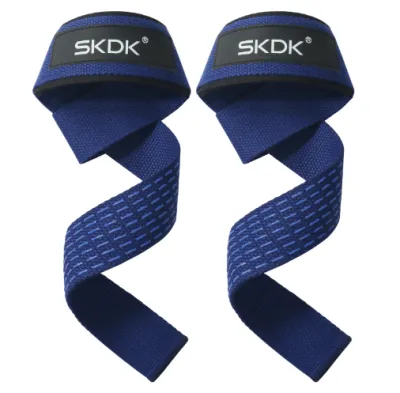
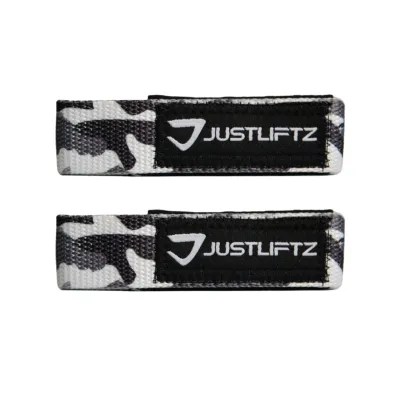
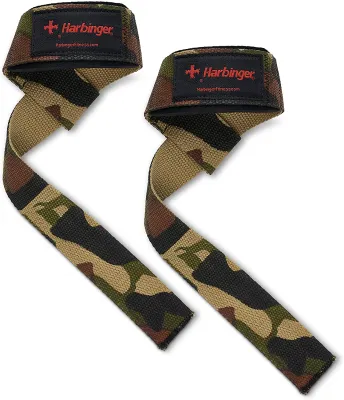
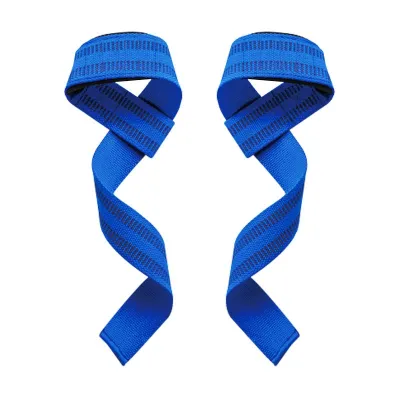
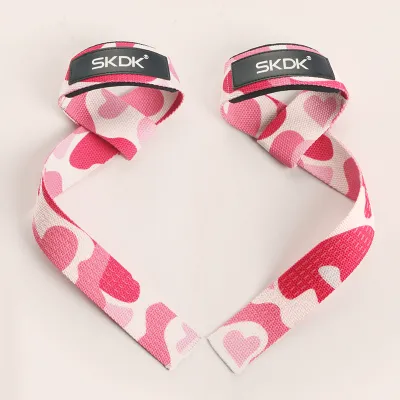
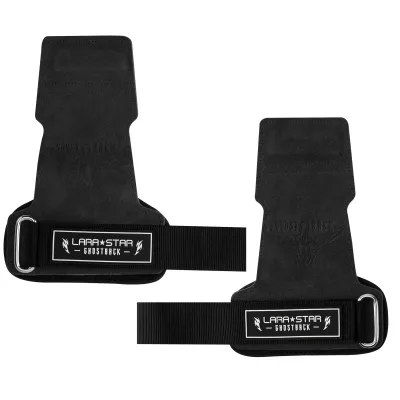
Prices are valid at publication and may change. Please refer to the product page for the latest price.
Speed or Olympic straps consist of a simple, short closed loop. They are designed for rapid wrapping and instant release. This makes them the preferred choice for Olympic weightlifters who perform dynamic movements like snatches and clean pulls, where the ability to safely dump the bar is critical. However, they offer less total grip security compared to lasso or figure-8 designs and are not intended for prolonged, heavy deadlift sets.
The material of the strap also dictates its performance, comfort, and lifespan. Cotton straps are soft, highly flexible, and comfortable right out of the package, requiring no break-in period. They also absorb sweat effectively, which is a major advantage in Singapore’s humid climate. However, cotton tends to stretch under extreme loads and has a shorter lifespan under heavy, repetitive friction. Nylon straps are incredibly durable, offer minimal stretch, and can withstand immense weight without tearing. The trade-off is a slicker texture that can slip on bars without aggressive knurling, a longer break-in period, and a tendency to chafe the skin if not padded. Leather straps offer a premium, natural feel and mold to the shape of your wrists over time, but they require a significant break-in period and are sensitive to moisture, requiring regular maintenance to prevent cracking.
Material thickness and flexibility directly impact wrist comfort and your tactile connection to the barbell. Thicker straps (typically 3mm to 4mm) distribute the weight over a wider area, reducing the pressure on your wrists during heavy pulls. However, they can feel bulky and reduce your hand’s contact with the steel. Thinner straps offer a closer, more natural feel to the barbell but may dig into the skin under heavy loads, causing discomfort.
Matching Strap Types to Your Training Intensity
Selecting the right strap configuration requires matching the gear to your specific lifting discipline, skill level, and training environment. For bodybuilding and high-volume hypertrophy training, the primary goal is isolating target muscle groups like the upper back, lats, and hamstrings without your grip failing first. For movements like Romanian deadlifts, barbell rows, and shrugs, lasso straps made of cotton or padded nylon are highly suitable. They offer a balance of quick setup, moderate support, and wrist comfort for repeated, high-repetition sets. The integrated padding prevents the strap from cutting into your skin as fatigue sets in.

For powerlifting and heavy deadlifts, the priority shifts to maximum security, load distribution, and minimal stretch under extreme tension. Powerlifters training near their one-rep maximum benefit most from heavy-duty, unpadded nylon lasso straps or figure-8 straps. These materials ensure that the force transfer from your hips and back to the barbell is direct and efficient. However, because safety is paramount, lifters using figure-8 straps must practice releasing the bar safely and should only use them on lifts where they are confident in their control, as a sudden drop is not easily executed.
Olympic weightlifting demands a completely different approach. Dynamic movements like snatches, cleans, and pulls require rapid release capabilities to prevent serious wrist or shoulder injuries if a lift fails. Olympic loop straps are the only safe choice here. They provide just enough assistance to secure your hook grip during the initial pull while allowing you to let go of the bar instantly if you need to dump it. Using lasso or figure-8 straps for dynamic Olympic lifts is highly dangerous and should be avoided entirely.
How to Evaluate Durability and Build Quality
Before purchasing or immediately after receiving your deadlift straps, you should perform a physical inspection to assess their structural integrity and longevity. Start by examining the stitching patterns at high-stress connection points, particularly where the loop is formed. Standard straight stitching is prone to unraveling under high tension. Look for reinforced box-and-X stitching (a square with an “X” stitched inside) or multiple parallel rows of heavy-duty nylon thread, which distribute the pulling force across a larger surface area of the fabric.
Next, check the edge finishing of the straps. Raw, unfinished edges on cotton or nylon will quickly fray due to the abrasive knurling of a barbell. High-quality straps feature bound edges, double-folded hems, or heat-sealed edges (for nylon) that lock the fibers in place and prevent unraveling.
Finally, assess the material consistency and padding quality. Run your fingers along the strap to ensure the thickness is uniform; thin spots indicate weak points that may fail under load. If the strap features neoprene wrist padding, check how it is secured. Glued padding often peels off after a few sweaty sessions, so look for padding that is fully stitched to the strap. For straps utilizing metal D-rings, ensure the ring is welded shut and made of stainless steel or heavy-duty alloy to prevent bending under tension.
Budgeting for Deadlift Straps: Value Across Price Tiers
Setting realistic expectations for what different budget levels offer helps you find the right balance between cost and performance. In Singapore, deadlift straps generally fall into three distinct price tiers based on materials, construction, and longevity.
Entry-level straps (typically under S$15) consist of basic cotton or thin nylon lasso straps. These are highly accessible and perfectly adequate for beginners, casual gym-goers, or those performing light accessory movements. While comfortable and easy to use, they may stretch under loads exceeding 150kg and will require replacement sooner due to wear and tear.
Mid-range straps (ranging from S$15 to S$35) offer reinforced cotton, standard nylon, or synthetic leather options. In this tier, you will find better stitching patterns, integrated neoprene padding for wrist comfort, and more robust loop designs. These are the workhorses of the gym, suitable for regular lifters and intermediate powerlifters who train multiple times a week and require reliable support for heavy working sets.
Premium straps (above S$35) feature heavy-duty leather, specialized high-tensile nylon blends, or proprietary grip-enhancing materials. These straps offer superior longevity, minimal to zero stretch under extreme loads (over 250kg), and advanced ergonomic designs. They are built for competitive lifters, elite strength athletes, and those who demand maximum reliability during high-frequency, heavy training sessions.
Buying and Verifying Authenticity in Singapore
To ensure your safety during heavy lifts, it is crucial to purchase authentic, high-quality lifting gear. Counterfeit or poorly manufactured straps can snap under load, leading to sudden drops and severe injuries. When shopping in Singapore, always verify the seller’s authorization. Purchase directly from official brand storefronts, authorized local distributors, or reputable specialty fitness retailers. Many premium strength brands have dedicated local distributors or official stores on major online marketplaces.
If you are ordering specialty straps from overseas retailers, factor in international shipping fees and potential import taxes. In Singapore, Goods and Services Tax (GST) applies to all imported goods, so calculate the total landed cost before finalizing your purchase. Additionally, consider the delivery times, as overseas shipping can take several weeks.
Finally, check the return and exchange policies of the retailer. Because lifting straps are hygiene-sensitive items that absorb sweat, many sellers have strict return policies. Verify if the seller allows returns or exchanges for sizing issues before you open the packaging or use the straps on a chalky barbell.
Frequently Asked Questions (FAQ)
Do deadlift straps weaken your grip over time?
Using straps excessively can limit the development of your raw grip strength. If you use straps for every warm-up set, your forearms and hand muscles will not adapt to holding heavy loads. To maintain a balanced grip, perform your warm-up sets and lighter working sets without straps, engaging your natural grip. Reserve straps for your heaviest top sets, high-volume back training, or when grip fatigue threatens to compromise your lifting form and safety.
How should you clean and maintain lifting straps?
Maintenance depends on the material. Cotton and nylon straps can be hand-washed in warm water with a mild detergent to remove sweat, dirt, and chalk buildup. Avoid machine washing or tumble drying, as the high heat and agitation can damage the stitching and shrink cotton fibers; instead, air-dry them completely in a well-ventilated area away from direct sunlight. For leather straps, never submerge them in water. Wipe them down with a damp cloth after use and occasionally apply a leather conditioner to keep the material supple and prevent cracking.
Community discussion
Share your experience or ask a question. Comments are reviewed before publication.