
Finding the right yoga block is a personal decision that directly impacts the safety and comfort of your practice. While many assume all foam blocks are identical, variations in density, manufacturing quality, and structural integrity can significantly alter how they perform under pressure. There is no single “best” foam block for every practitioner; the right choice depends on whether you need firm support for balancing poses or softer cushioning for restorative practice.
In Singapore’s active yoga community, where practitioners frequently commute between home, work, and various studios, the lightweight nature of foam makes it a highly popular choice. However, selecting a block requires balancing physical attributes against your budget. By evaluating how different brands handle density, edge comfort, and long-term durability, you can invest in a tool that supports your alignment without compromising your safety.
Understanding Foam Density and Support Levels
Foam density is the primary factor determining how much weight a block can support before compressing. High-density blocks are engineered to remain rigid under pressure, providing a stable foundation that mimics the solid feel of wood or cork. When you place your weight on a high-density block during a standing balance or an arm balance, the material resists collapsing, which helps maintain proper joint alignment and prevents wrist strain.
Products mentioned in this guide
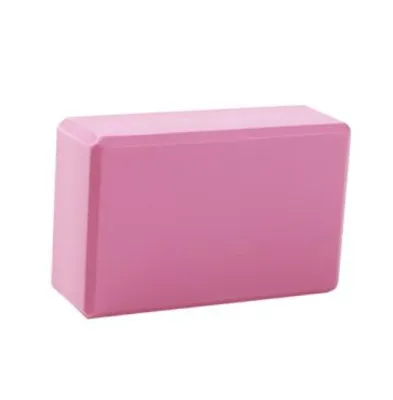
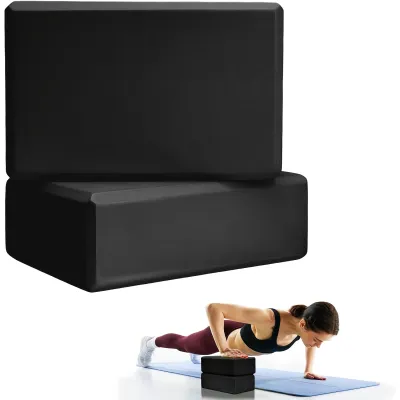
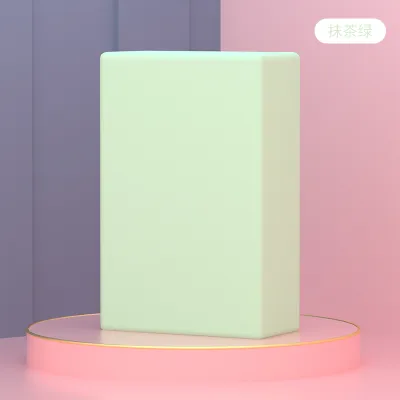
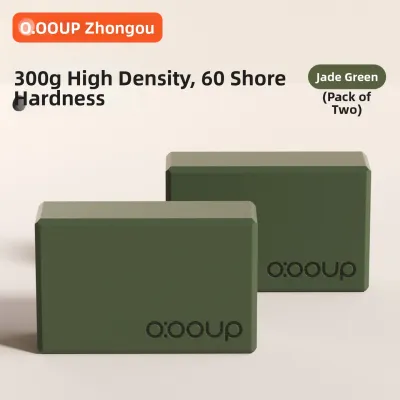
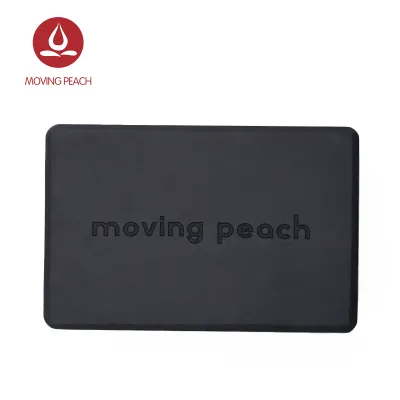
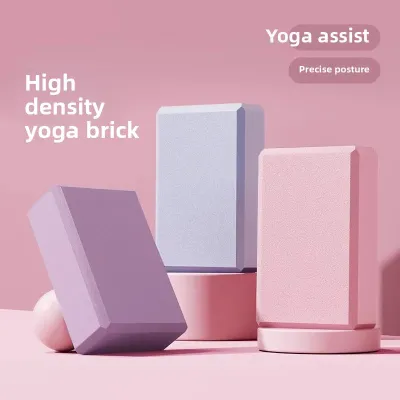
Prices are valid at publication and may change. Please refer to the product page for the latest price.
Conversely, medium- and low-density foam blocks offer a more forgiving surface. These blocks are designed to compress slightly under load, making them ideal for restorative practices where the block is placed under sensitive areas like the sacrum, spine, or knees. If you use a block that is too firm during a long, passive hold, it can cause bruising or discomfort; a softer block distributes the pressure more evenly.
To determine the density of a block, do not rely solely on visual thickness or overall weight. Instead, check the manufacturer’s specifications for material density ratings or foam grades, which are often listed on product labels or official websites. High-quality brands typically specify whether their blocks use high-density ethylene-vinyl acetate (EVA) foam, which is known for its structural resilience.
You can also perform a simple manual compression check if you are shopping in a physical store. Press your thumb firmly into the center of the block and observe how much the material yields. A high-density block will feel solid with minimal give, while a medium-density block will compress slightly but spring back immediately once the pressure is released. Avoid blocks that feel hollow or fail to recover their shape quickly, as they will not provide reliable support.
Understanding the load path of your poses is essential when choosing a density level. For standing poses like Triangle or Half Moon, the block acts as an extension of the floor, requiring maximum stiffness to prevent wobbling. For seated or reclining poses, the block acts as a cushion, where a medium-density profile is much more comfortable. Matching the density to your primary style of yoga ensures you get the right balance of stability and comfort.
Evaluating Durability and Edge Comfort
The durability of a foam block is closely tied to its cell structure and manufacturing quality. Closed-cell foam is the industry standard for high-quality yoga props because the individual cells are sealed off from one another. This structure prevents moisture, sweat, and oils from penetrating the interior of the block. In Singapore’s warm and humid climate, closed-cell foam is highly advantageous as it resists odor retention and prevents the growth of bacteria or mold inside the block.

Open-cell foam blocks, while often softer and cheaper, behave like a sponge. They absorb sweat during hot yoga sessions or intense Vinyasa flows, which leads to rapid material degradation and persistent odors over time. Over multiple sessions, open-cell blocks can become heavy, discolored, and structurally weak, eventually crumbling or flaking at the corners.
Edge comfort is another critical factor that influences your practice. High-quality foam blocks feature beveled edges, which are rounded or sloped corners that make the block easier and more comfortable to grip. Beveled edges reduce pressure points on your hands and feet when you are gripping the block tightly, and they prevent the edges from digging into your body during reclining chest openers. Inspect the block’s edges to ensure they are smoothly finished and free from sharp, uneven seams.
You can assess the manufacturing quality of a block by examining its seams and surface texture. A premium foam block is typically molded as a single, solid piece, resulting in a seamless finish that is less likely to split over time. Lower-quality blocks may be constructed from glued layers of foam, which can delaminate when exposed to heat, moisture, or repeated compression. Look for a matte, non-slip surface texture that provides a secure grip even when your hands are damp.
Regularly inspect your blocks for warning signs of premature wear. If you notice permanent indentations that do not disappear after use, deep scratches, or flaking material along the edges, the structural integrity of the block has been compromised. Replacing a worn block is necessary to ensure you always have a stable, level surface to support your body during challenging poses.
Assessing Price and Value Across Brands
When shopping for foam yoga blocks in Singapore, you will encounter a wide range of price points, typically categorized into three main tiers. The budget tier includes blocks priced under S$10, which are commonly found on online marketplaces or in general department stores. While these blocks are highly affordable, they are often made from low-density, open-cell foam that compresses easily and wears out quickly, making them suitable primarily for beginners or occasional gentle practices.
The mid-range tier, ranging from S$10 to S$25, represents the sweet spot for most regular practitioners. Blocks in this price bracket are usually made from high-density, closed-cell EVA foam, offering a reliable balance of firmness, durability, and comfortable beveled edges. These blocks can withstand daily use in home or studio environments without losing their shape or absorbing sweat, providing excellent long-term value.
Premium foam blocks are priced above S$25 and are often produced by specialized yoga brands. These blocks frequently feature proprietary foam blends, such as recycled EVA or bio-based materials, which appeal to environmentally conscious practitioners. They also offer superior surface textures, highly consistent density throughout the block, and enhanced resistance to scratching and denting, justifying the higher upfront cost for dedicated yogis.
When comparing prices on ecommerce platforms, be mindful of hidden costs that can affect the overall value. Foam blocks are bulky items, and shipping fees can sometimes add a significant amount to the final price, especially if the seller is shipping from overseas. Additionally, many yoga poses require the use of two blocks for symmetrical support, so check whether the listed price is for a single block or a pair before making your purchase.
Before finalizing your order, verify the seller’s return policies and warranties regarding physical defects. Inspect your blocks immediately upon delivery to ensure they are perfectly flat, even, and free from manufacturing defects like warping or air bubbles. Purchasing from reputable retailers who offer clear return policies protects you from being stuck with a defective or unstable prop.
Decision Framework: Choosing the Right Foam Block
To select the ideal foam block, you must match its physical profile to your specific practice style and physical needs. If your routine consists of dynamic flows, Ashtanga, Vinyasa, or challenging arm balances, prioritize high-density blocks with pronounced beveled edges. These blocks provide the rigid, unyielding support needed to maintain balance on one hand or foot, offering a lightweight alternative to heavy cork blocks without sacrificing stability.
For practitioners who focus on Yin yoga, restorative practices, or therapeutic alignment, a medium-density block with a softer surface is the preferred choice. The slight give of the foam provides essential cushioning for sensitive joints, the sacrum, and the spine during long, passive holds. This prevents the discomfort that can arise from resting your body weight on an excessively hard surface for several minutes at a time.
If you regularly commute to local yoga studios or travel frequently, portability is a key consideration. Standard foam blocks typically measure 4 inches by 6 inches by 9 inches and weigh under 300 grams, making them exceptionally easy to pack into a tote bag or backpack. If space is limited, you might consider a slimmer 3-inch travel block, which offers the same length and width but a lower profile, reducing bulk while still providing adequate support for most poses.
Your physical size and flexibility also play a role in choosing the right block dimensions. Taller practitioners or those with limited flexibility in their hamstrings and hips often benefit from standard 4-inch blocks, which provide more height and bring the floor closer to them. Shorter practitioners or those with greater flexibility may find that a 3-inch block offers the perfect amount of lift without feeling overly tall or unstable.
Ultimately, the best value comes from selecting a block that aligns with your personal practice goals. By assessing your primary yoga style, your commuting habits, and your physical comfort requirements, you can choose a foam block that enhances your alignment, supports your safety, and lasts for years to come.
Frequently Asked Questions (FAQ)
Can I stand on a foam block during yoga practice?
While high-density foam blocks are designed to support your body weight in standard poses, such as placing a hand or foot down for balance, they are not intended for high-impact movements or standing on unstable, stacked configurations. Standing directly on a foam block concentrates your entire body weight onto a small surface area, which can cause the foam to compress unevenly or tilt, potentially leading to a loss of balance or ankle strain.
Before attempting any standing poses on a block, check the manufacturer’s guidelines for load limits and structural recommendations. If you notice the block compressing significantly, warping, or sliding on your mat, stop the action immediately. For poses that require standing completely on a raised surface, rigid materials like cork or wood are generally safer and more stable than foam.
How should I clean and maintain my foam yoga block?
To prolong the lifespan of your foam yoga block and keep it hygienic, wipe the surface regularly with a damp cloth and a mild, diluted soap solution. Avoid using harsh chemical cleaners, bleach, or alcohol-based sanitizing sprays, as these substances can break down the foam’s cellular structure, causing it to become brittle, discolored, or sticky. Never soak the block in water or place it in a washing machine, as saturated foam can trap moisture internally and lead to mold growth.
After cleaning, always allow your block to air-dry completely in a shaded, well-ventilated area before storing it away. Do not expose the block to direct sunlight or place it near heat sources, as prolonged UV exposure and high temperatures can warp the foam, cause it to shrink, or accelerate material degradation. Proper storage in a cool, dry place ensures your block remains clean, odor-free, and structurally sound for your next practice.
Community discussion
Share your experience or ask a question. Comments are reviewed before publication.