
Quick Answer: Does Brand Reputation Guarantee 5L Insulation?
When searching for a 5 ltr water bottle to keep your drinks cold during intense workouts, relying solely on a brand’s reputation can lead to disappointing results. A 5-liter capacity presents unique thermal challenges and structural stresses that standard 1-liter or 2-liter bottles do not face. Because of the massive volume and surface area, heat transfer occurs differently, and the physical weight of the liquid puts immense pressure on the bottle’s seals and structural joints.
To ensure your water stays cold throughout a long training session, you must verify model-specific vacuum insulation specifications rather than relying on general brand marketing or legacy reputations. A well-known logo does not automatically guarantee that a specific large-capacity model uses the high-grade thermal barriers required for such a large volume of liquid. Evaluating the physical construction, lid design, and material grades of individual models is the only reliable way to secure lasting thermal performance.
Core Insulation Specifications to Compare Across Brands
Wall Construction
When comparing different brands, the first specification to verify is the wall construction. Single-wall bottles offer no thermal insulation; they are lightweight but will quickly sweat in humid climates, transferring external heat directly to your drink. Double-wall vacuum insulation is the industry standard for temperature retention, creating a sealed vacuum gap between two layers of steel that prevents heat conduction. Some heavy-duty models feature triple-wall construction, which typically adds a copper lining to the vacuum gap to reflect radiant heat, though this adds noticeable weight to an already heavy container.
Products mentioned in this guide
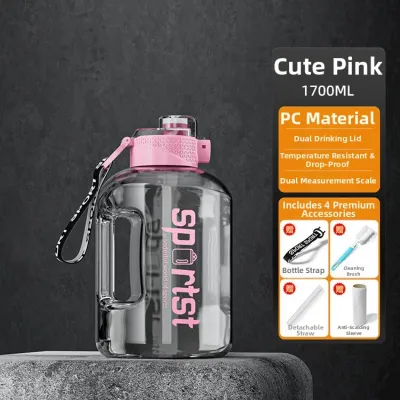
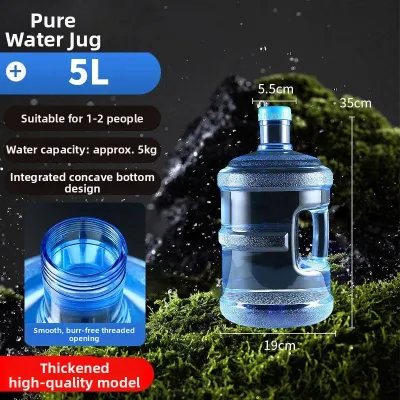
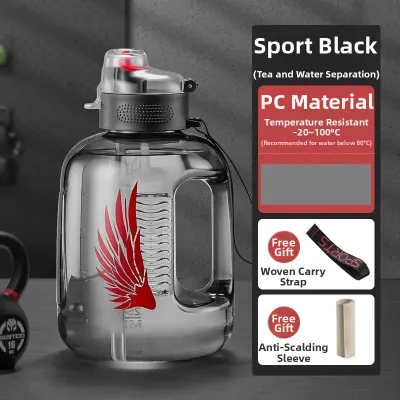
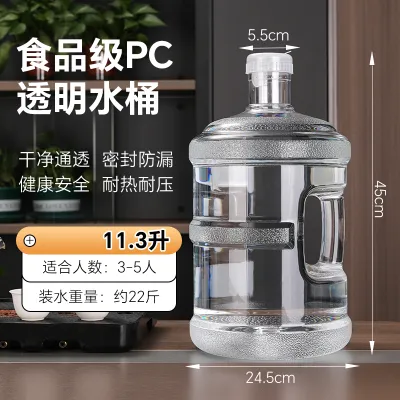
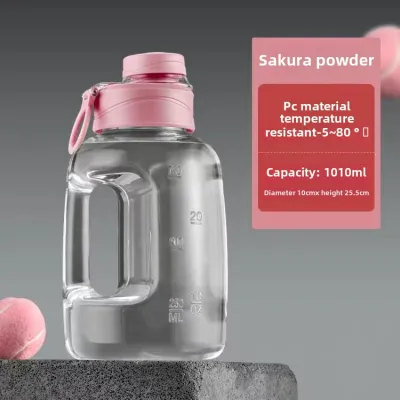
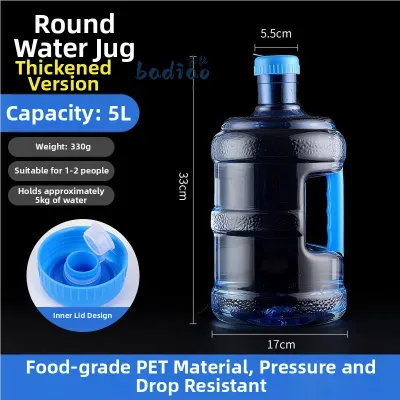
Prices are valid at publication and may change. Please refer to the product page for the latest price.

Retention Claims
Manufacturer temperature retention claims require careful reading. Brands often advertise that a bottle keeps liquids cold for a specific number of hours, but these tests are conducted under highly controlled laboratory conditions. For a 5 ltr water bottle, the ratio of liquid to empty air space changes as you drink. As the volume of cold liquid decreases, the remaining water warms up faster because of the larger volume of warm air introduced each time you open the lid. Look for brands that specify their testing parameters, and treat these hourly claims as maximum potential limits rather than guaranteed real-world performance.
Lid and Seal Design
The lid is the primary point of thermal loss in any insulated bottle. Even if the steel body features excellent vacuum insulation, a thin plastic lid without a thermal break will allow heat to enter rapidly. When evaluating different brands, look for lids that feature thick, insulated construction and double-gasket silicone seals. The connection point where the lid screws onto the neck must form an airtight seal to prevent warm air from circulating into the bottle during your workout.
Material Grade
High-quality insulation must be paired with durable, safe materials. Verify that the product specifications explicitly state the use of food-grade stainless steel, such as 18/8 or 304 grade. This material is highly resistant to rust, corrosion, and flavor retention, which is essential if you plan to mix sports supplements or electrolytes into your water. Additionally, ensure that all plastic components, straws, and gaskets are certified as BPA-free to prevent chemical leaching when exposed to warm outdoor environments.
Design and Usability Factors for Large-Capacity Sports Bottles
Carrying Mechanisms
A fully filled 5 ltr water bottle weighs over 5 kilograms, excluding the weight of the bottle itself. Transporting this amount of weight requires a highly robust carrying mechanism. Compare the carrying options offered by different brands: integrated heavy-duty plastic handles molded into the lid offer excellent leverage, while paracord loops provide flexibility but can strain your fingers over long distances. Insulated carry slings or shoulder straps are highly practical for transporting the bottle over longer distances, as they distribute the weight across your shoulder and provide an extra layer of thermal protection.
Base and Stability
The physical weight of a full 5L bottle means that any accidental drop carries significant kinetic energy. A hard impact on concrete can easily dent the steel body. If a dent causes the inner and outer steel walls of a vacuum-insulated bottle to touch, the vacuum barrier is permanently broken, and the bottle will lose its insulation capabilities. To prevent this, look for models that include a thick, non-slip silicone boot or a reinforced, double-thickness steel base to absorb impacts and provide stability on uneven outdoor surfaces.
Mouthpiece and Flow
Drinking directly from a wide-mouth opening on a heavy 5L bottle is difficult and often leads to spills during active use. However, a wide mouth is essential for easily loading ice cubes and thoroughly cleaning the interior. The most practical designs feature a dual-opening lid: a wide mouth for filling and cleaning, paired with a smaller, secure spout or integrated straw for controlled drinking. Ensure the drinking spout features a secure locking mechanism to prevent accidental leaks in your gear bag.
Weight Considerations
The empty weight of a heavily insulated 5L stainless steel bottle can range from 1.5 to over 2 kilograms. When fully loaded with water and ice, the total weight can easily exceed 7 kilograms. If your sport requires high mobility or long-distance foot travel, this weight can contribute significantly to physical fatigue. Carefully weigh the trade-off between extreme thermal retention and the physical effort required to transport the bottle to your training venue.
Decision Framework: Matching the Bottle to Your Activity
When to Choose Heavy-Duty Insulation
Investing in a heavy-duty, double- or triple-walled insulated model is highly recommended if you participate in prolonged outdoor sports under intense heat, such as beach volleyball, field sports, or all-day track sessions. If you do not have access to water coolers or refill stations and require your water to remain ice-cold for 12 hours or more, the thermal performance of a premium insulated bottle justifies the extra weight and cost, which typically ranges from S$60 to S$120 in the local market.
When to Choose a Lighter Design
A lighter, single-wall or minimally insulated bottle is more suitable if your primary goal is reducing carrying weight and you train mostly indoors. If you use the bottle at a fitness center, indoor gym, or sports hall with easy access to water dispensers, you can refill the bottle frequently with chilled water. In these environments, extreme temperature retention is less critical than the ease of carrying a lighter container.
Pre-Purchase Dimensional Checks
Before purchasing a 5 ltr water bottle, verify its physical dimensions against your existing gear. These bottles are exceptionally bulky, often exceeding 35 centimeters in height and 16 centimeters in diameter. Measure your gym bag compartments, vehicle storage areas, or backpack straps to ensure you can transport the bottle securely. A bottle that does not fit into your transport gear is highly inconvenient to carry by hand daily.
Activity Limits and Safety
It is important to recognize that a 5L bottle is not suitable for all sports. If your activity requires one-handed operation while moving—such as cycling, running, or active kayaking—a 5L bottle is too heavy and bulky to use safely. Attempting to drink from a heavy bottle while moving can compromise your balance and lead to accidents. For these activities, use the 5L bottle as a stationary base-camp hydration reservoir, and transfer water to smaller, hand-held sports bottles or hydration packs for active use.
Frequently Asked Questions (FAQ)
How do I clean a 5L insulated bottle to prevent odors?
To maintain hygiene and prevent mold or unpleasant odors, you must clean your large-capacity bottle regularly. Always check the manufacturer’s care label first; many vacuum-insulated bottles are strictly hand-wash only, as the high heat and harsh detergents of a dishwasher can damage the vacuum seal and degrade the exterior powder coating. Use a long-handled bottle brush and a mild, non-abrasive dish soap to reach the bottom of the deep interior cavity. Pay close attention to the lid assembly: disassemble all removable silicone gaskets, straws, and bite valves, and soak them in warm, soapy water or a dilute vinegar solution to clean hard-to-reach crevices where bacteria can accumulate.
Can I put boiling water in a 5L sports water bottle?
You must check the specific model’s maximum temperature rating in the user manual before adding hot liquids. Pouring boiling water into a sealed 5L container poses significant safety risks, as the heat causes rapid air expansion and internal pressure buildup. When you open the lid, this pressure can cause a sudden, dangerous spray of boiling liquid or steam, resulting in severe burns. Furthermore, the plastic spouts, flip lids, and straw mechanisms on sports bottles are generally designed only for cold or room-temperature liquids; exposing them to boiling water can warp the plastic, ruin the airtight seals, and cause permanent leaking.
Community discussion
Share your experience or ask a question. Comments are reviewed before publication.