
Staying hydrated during a run requires a careful balance between water temperature and carrying comfort. When running in hot and humid climates, a warm drink can feel uninviting, making an insulated bottle highly desirable. However, the technology that keeps your water cold also adds weight and bulk, which can quickly become a hindrance over long distances. Finding the right insulated water bottle for running is not about finding a single universal winner, but rather about matching the insulation style to your specific running habits, gear setup, and distance goals.
To make an informed choice, runners must look past marketing buzzwords and understand the structural differences between dedicated running hydration gear and mainstream insulated lifestyle bottles. While one category focuses on stripping away every gram of excess weight, the other prioritizes maximum thermal retention at the cost of portability. By evaluating how these designs perform under active conditions, you can select a bottle that keeps your drinks refreshing without compromising your running form.
Core Insulation Specs to Check on the Label
When evaluating any sports water bottle, the technical specifications on the packaging or product page provide the most reliable indication of its thermal performance. The baseline standard for high-performance temperature retention is double-wall vacuum insulation. This construction features an inner and outer wall, typically made of stainless steel, with the air evacuated from the space between them. Because a vacuum contains no air molecules, it prevents heat from transferring via conduction or convection, keeping the external heat from warming your cold drink.
Products mentioned in this guide
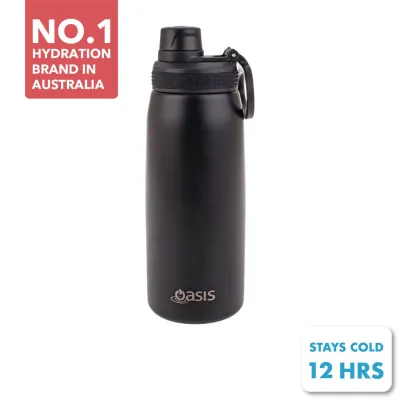
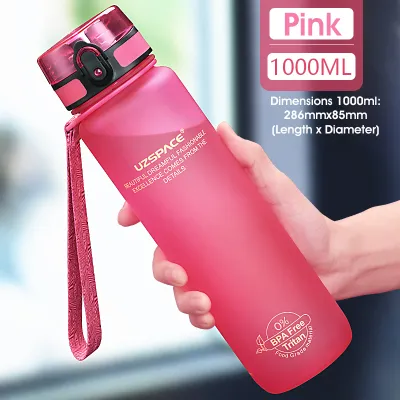
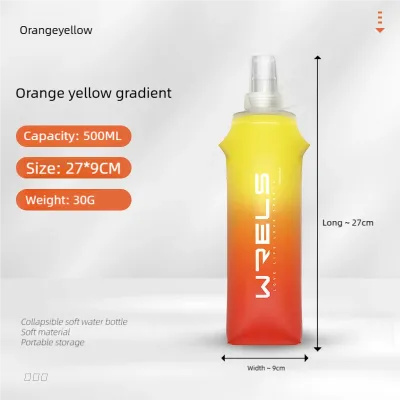
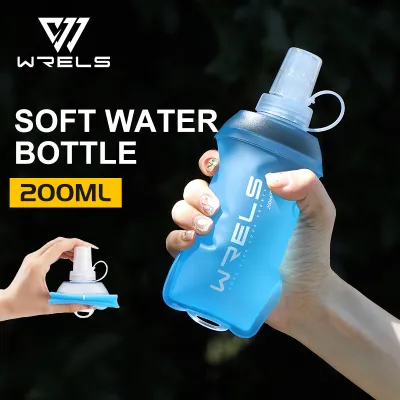
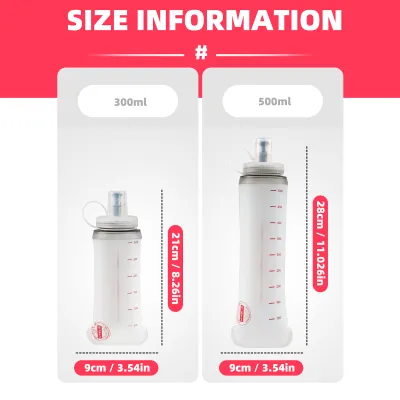
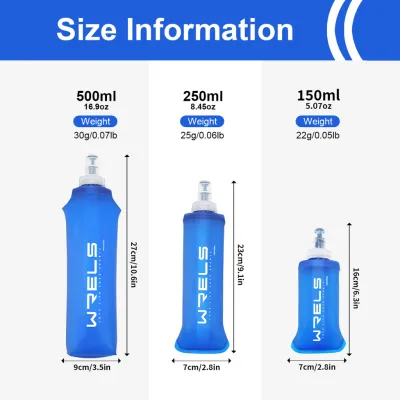
Prices are valid at publication and may change. Please refer to the product page for the latest price.
The materials used in this construction also play a critical role in durability and temperature control. High-quality insulated bottles generally use food-grade stainless steel, which resists rust and does not retain flavors from sports drinks or electrolyte powders. Some advanced models incorporate a thin copper lining within the vacuum gap. This copper layer acts as a thermal radiation shield, reflecting heat away from the inner chamber and further extending the duration that your water remains cold.
While the bottle body handles the bulk of the insulation work, the lid is often the primary point of thermal loss. Lids are typically made of plastic or silicone, which do not insulate as effectively as a double-walled metal body. When reviewing lid designs, consider how the sealing mechanism operates. Simple screw caps offer the tightest seal and the least thermal leakage, but they require you to stop or use two hands to drink. Flip lids and bite valves offer convenient, one-handed hydration on the move, but their complex internal pathways and thinner seals can allow heat to enter more rapidly.
Finally, it is important to interpret manufacturer-stated retention times with a degree of skepticism. A label claiming to keep drinks cold for many hours is based on laboratory testing in controlled, air-conditioned environments. When you are running outdoors in direct sunlight and high humidity, the actual cold retention time will be significantly shorter. Treat these manufacturer hours as relative benchmarks to compare models within the same brand rather than absolute performance guarantees for your outdoor workouts.
How Different Brand Categories Approach Running Bottles
The market for insulated bottles is broadly divided into two camps, each operating under a distinct design philosophy. Understanding these categories helps you narrow down your options based on whether you prioritize thermal efficiency or athletic ergonomics. When browsing online marketplaces or official brand websites, paying close attention to the product descriptions will reveal which priority a specific model serves.

Dedicated Running Hydration Brands
Brands that specialize exclusively in running gear design their bottles from the perspective of movement and ergonomics. For these manufacturers, every gram of weight matters, as carrying unnecessary bulk can lead to premature fatigue and altered running mechanics. Consequently, their insulated offerings often utilize lightweight materials, such as specialized insulated plastics or thin-walled metals, paired with integrated carrying systems.
These bottles frequently feature built-in hand straps, contoured shapes that fit comfortably in a clenched fist, or flexible bodies designed to slide easily into the front pockets of a running vest. However, this focus on weight reduction comes with a clear insulation trade-off. To keep the bottle light and flexible, these brands may use single-wall structures with thin foam wraps rather than heavy double-wall vacuum steel. While these lightweight models prevent your body heat from rapidly warming the water, they cannot match the long-term cold retention of a solid metal vacuum bottle.
Mainstream Insulated Beverage Brands
In contrast, mainstream insulated beverage brands prioritize maximum thermal retention and rugged durability above all else. These manufacturers build bottles designed to keep drinks cold for an entire day, utilizing robust double-wall vacuum stainless steel and heavy-duty powder coatings. If your primary goal is to have cold water waiting for you at the end of a long trail loop, these brands deliver exceptional performance.
The trade-off for this enhanced insulation is a significant increase in empty weight and bulk. A standard vacuum-insulated stainless steel bottle can feel heavy even before you fill it with water, and its rigid, wide-profile body rarely fits into the specialized pockets of a running vest or a standard handheld running strap. Carrying a heavy, rigid bottle in your hand for an extended run can lead to muscle strain in your hand, wrist, and shoulder, making these bottles better suited for stationary storage or non-running carrying methods.
Balancing Insulation with Weight and Ergonomics
Choosing a water bottle for running requires a practical compromise between the physical effort of carrying the bottle and the comfort of a cold drink. In hot and humid climates, such as Singapore’s year-round tropical weather, staying cool is essential for performance and safety. However, carrying a heavy vacuum-insulated bottle can quickly become a physical burden. Every extra gram you carry requires more energy, which can elevate your heart rate and cause arm fatigue over long distances.
To mitigate this carrying fatigue, pay close attention to the bottle’s ergonomics and grip features. Sweaty hands can make smooth metal or plastic bottles difficult to hold, forcing you to grip tighter and waste energy. Look for bottles that feature textured powder coatings, integrated silicone sleeves, or ergonomic indentations that allow for a relaxed grip. Handheld running bottles with adjustable fabric straps are particularly useful, as they secure the bottle to your hand without requiring you to constantly squeeze your fingers.
Capacity planning is another critical factor in balancing weight and hydration. A larger bottle holds more water but adds substantial weight; for example, one liter of water weighs exactly one kilogram, excluding the weight of the bottle itself. Consider your typical running route, your personal sweat rate, and the availability of public water coolers or convenience stores along your path. If you run in urban areas with easy access to water replenishment, a smaller, lighter insulated bottle of 350 to 500 milliliters may be entirely sufficient, allowing you to run light while still enjoying cold sips.
Decision Framework: Choosing the Right Bottle for Your Run
To finalize your purchase decision, evaluate your typical running profile, preferred gear setup, and hydration priorities against the following framework.
Choose a dedicated running brand if your primary concern is maintaining proper running form and minimizing carried weight. These bottles are ideal if you prefer to run with a hydration vest, waist belt, or handheld strap, and if your runs typically last under an hour. In these scenarios, the extreme cold retention of a heavy metal bottle is less critical than the lightweight comfort and ease of access that a specialized running flask provides.
Choose a mainstream insulated brand if you run in intense heat, require your water to stay cold for multiple hours, and do not mind carrying the extra weight. These bottles are highly suitable if you plan to leave your hydration at a designated drop point, carry it in a structured backpack during a run-commute, or use it for track workouts where you can leave the bottle on the sidelines between laps.
Before making any purchase, always verify the physical compatibility of the bottle with your existing gear. Check the diameter of the bottle against the pocket dimensions of your running vest or waist belt to ensure a secure fit without bouncing. Additionally, inspect the lid mechanism to ensure it is completely leak-proof when stored horizontally, preventing accidental spills that could ruin your gear or leave you without water mid-run.
Frequently Asked Questions (FAQ)
Can I put ice cubes in any insulated running bottle?
You can put ice cubes in most insulated running bottles, provided the mouth opening is wide enough to accommodate them. Standard wide-mouth bottles easily accept typical household ice cubes, whereas narrow-mouth designs may require specialized slim ice sticks. While adding ice is an excellent way to maximize cold retention during hot runs, keep in mind that ice adds weight and can create a distracting sloshing noise as you move.
How do I clean a running bottle with a bite valve?
To clean a running bottle with a bite valve, you must disassemble the lid components according to the manufacturer’s instructions to prevent mold and bacteria buildup. Pull the silicone bite valve and the internal straw away from the main cap, then wash each part thoroughly using warm, soapy water and specialized small cleaning brushes. Allow all components to air-dry completely in a well-ventilated area before reassembling them to ensure no moisture remains trapped inside the seals.
Community discussion
Share your experience or ask a question. Comments are reviewed before publication.