
When you are heading out for a long workout, a run, or an outdoor training session in a warm climate like Singapore’s, keeping your water cold is essential. If you are looking for the best insulation in a 1.5L sports water bottle, the truth is that no single brand holds a permanent monopoly on temperature retention. The most reliable insulation performance does not come from a logo; instead, it depends on verified double-wall vacuum construction.
A quality 1.5L vacuum-insulated stainless steel bottle is designed to maintain cold temperatures for extended periods, often keeping drinks chilled throughout a full day of activity. However, real-world results will always vary based on ambient heat, exposure to direct sunlight, and how often you open the lid. To find the most effective bottle, you should prioritize verified manufacturer specifications, material grades, and warranty terms rather than unverified marketing claims.
Decoding Insulation Specs and Manufacturer Claims
To make an informed choice, you must understand what goes into the physical construction of an insulated bottle. True double-wall vacuum insulation features an inner and outer wall of stainless steel with the air completely sucked out of the space between them. Because a vacuum contains no air molecules, it prevents heat transfer by conduction or convection, leaving radiation as the only slow path for heat to enter. Standard double-wall bottles that lack this vacuum seal, or single-wall bottles, offer almost no thermal protection and will sweat profusely in humid conditions.
Products mentioned in this guide
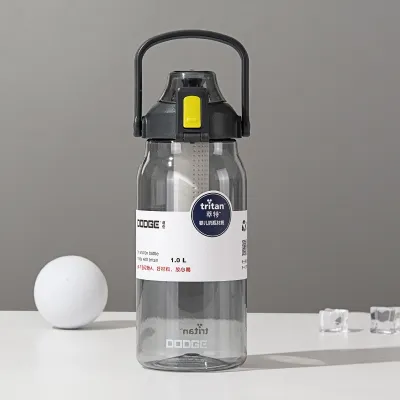
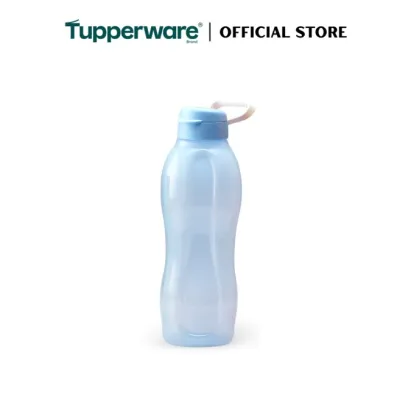
![[SG Stock] LocknLock 1.5L BPA Free Chess Water Bottle PET](https://img.lazcdn.com/g/p/bb42cd85ded420e049cb8cd3fafbe4ab.png_400x400q80.png_.webp)
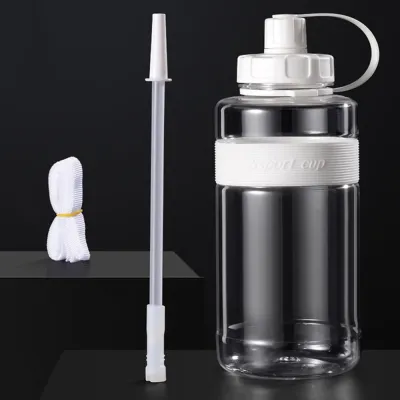
![[SG Stock] Sports 1.5L water bottle with leakproof easy to drink multi color with straw and strap young boy and girl](https://img.lazcdn.com/g/p/3e0ca81ee4750c360ee0abe9ce6a1e8d.png_400x400q80.png_.webp)
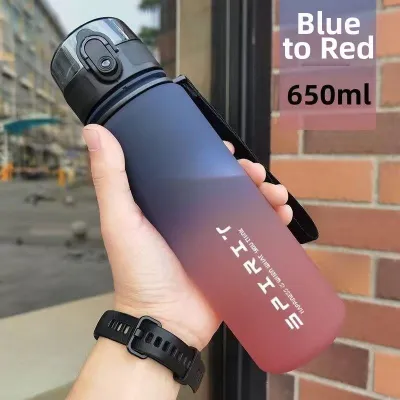
Prices are valid at publication and may change. Please refer to the product page for the latest price.
Some premium manufacturers enhance this design by applying a thin layer of copper to the exterior of the inner stainless steel wall. This copper lining acts as a radiation barrier, reflecting heat away from the inner chamber and further slowing down the warming process. When comparing options, look for specifications that mention 18/8 (304 grade) stainless steel and copper shielding, as these physical attributes are reliable indicators of high-performance thermal engineering.
A 1.5L bottle has a distinct thermal advantage over smaller sizes due to its larger volume. This increased volume of liquid represents a greater thermal mass, meaning it requires significantly more heat energy to raise the temperature of the water inside. If you pre-chill your water and fill the bottle completely, it will naturally resist warming up much longer than a 500ml or 750ml bottle under the exact same conditions. The trade-off is physical weight; a fully filled 1.5L bottle weighs at least 1.5 kilograms plus the weight of the stainless steel itself, making it a substantial piece of gear to carry.
When browsing online marketplaces or local sports shops, you will frequently see claims like “keeps cold for 24 hours” or “keeps ice frozen for 48 hours.” It is crucial to interpret these numbers with a healthy dose of skepticism. Manufacturers conduct these tests in highly controlled, air-conditioned laboratory environments where the bottle remains sealed and undisturbed. In actual outdoor environments, such as a humid afternoon at an outdoor running track or a fitness park, opening the bottle repeatedly to drink introduces warm air, which rapidly degrades the thermal barrier.
How Lid Design and Materials Impact Temperature Retention
While the stainless steel body of the bottle does an excellent job of blocking heat, the lid is almost always the primary thermal weak point. Most lids are made of plastic or silicone, which do not offer the same level of insulation as a double-wall vacuum steel body. Wide-mouth bottles with simple, uninsulated plastic caps allow heat to transfer much faster than those with dense, insulated screw caps. If you choose a lid with built-in plastic spouts, straw mechanisms, or flip-tops, you gain convenience but sacrifice a portion of the bottle’s thermal efficiency.

This creates a clear trade-off between maximum cold retention and quick hydration access during intense workouts. A narrow, fully insulated screw cap provides the tightest seal and the smallest surface area for heat exchange, making it the ideal choice if you need your water to stay ice-cold for an entire day outdoors. Conversely, if you are in the middle of a high-intensity gym session or cycling, stopping to unscrew a cap with both hands is highly impractical. In these scenarios, a straw lid or a quick-access flip-top is far more functional, even if it means your water warms up slightly faster over several hours.
Beyond the lid style, you must pay close attention to the integrity of the seals and gaskets. High-quality bottles utilize thick, food-grade silicone gaskets to prevent both liquid leaks and air exchange. Over time, these gaskets can degrade, stretch, or accumulate residue, which compromises the vacuum-like seal of the lid. When selecting a brand, check whether the manufacturer sells replacement gaskets and lids separately, as being able to swap out a worn seal will significantly extend the functional lifespan of your insulated bottle.
Matching a 1.5L Bottle to Your Workout and Environment
Carrying a heavy, fully loaded 1.5L bottle requires practical transport solutions. Because of its wide diameter, a bottle of this size will not fit into standard bicycle bottle cages or typical car cup holders. You will need to evaluate how you plan to transport it during your workouts. Look for bottles equipped with reinforced, integrated carry handles, heavy-duty flexible loops, or compatibility with aftermarket paracord handles. If you plan to carry it in a gym bag, ensure the lid has a reliable locking mechanism to prevent accidental spills onto your gear.
The local environment plays a massive role in how well your bottle performs. In hot and humid climates, leaving your bottle sitting on concrete, hot synthetic turf, or in direct sunlight will accelerate heat transfer through the lid and the outer neck of the bottle. Even though the vacuum body blocks most heat, the exposed metal rim near the threads can conduct warmth downward into the liquid. Whenever possible, keep your bottle shaded, or store it inside an insulated sleeve or your sports bag to maximize its cooling performance.
Furthermore, the exterior finish of the bottle can affect your handling during intense activities. A high-quality powder-coated exterior not only provides a durable layer of protection against scratches and dents but also offers a textured, non-slip grip when your hands are sweaty. This is particularly important for a heavy 1.5L bottle, where a slip could lead to a drop that might dent the steel and potentially compromise the internal vacuum seal.
Maintaining your bottle correctly is vital to preserving its insulation capabilities. Unless the manufacturer explicitly states that the bottle is dishwasher safe, you should always wash it by hand. The intense heat and harsh detergents of a dishwasher cycle can damage the exterior powder coating and, more importantly, compromise the delicate seal that holds the vacuum between the steel walls. If the vacuum seal is lost, the bottle will lose its insulation properties entirely and begin to sweat on the outside, signaling that it is time for a replacement.
Decision Framework: Choosing Your Ideal 1.5L Insulated Bottle
To finalize your choice, use this structured framework to align a bottle’s physical features with your primary workout habits:
- For Maximum Cold Retention (All-Day Outdoor Sports): Choose a model featuring a fully insulated, narrow-mouth screw cap. This design minimizes heat transfer and is perfect for long hikes, beach volleyball, or full-day outdoor tournaments where you do not have access to a chilled water refill station.
- For Quick Hydration (High-Intensity Gym Workouts): Select a bottle with a straw lid or a one-handed push-button flip cap. While these lids permit slightly more heat transfer over time, the convenience of rapid, spill-free drinking during a heavy lifting set or a spin class is well worth the minor trade-off in thermal efficiency.
- For Long-Term Value and Maintenance: Before making a purchase, verify if the brand offers easily accessible replacement parts, such as silicone gaskets and alternative lid styles. Check the current retail availability and pricing in S$ on local online marketplaces or specialty sports retailers to ensure you are getting a genuine product with local customer support.
Frequently Asked Questions (FAQ)
Does a 1.5L bottle keep water colder longer than a smaller bottle?
Yes, a 1.5L bottle can keep water colder longer than a smaller bottle, provided both have the same insulation quality and lid design. This is due to thermal mass; a larger volume of pre-chilled water contains more cold energy (or lower thermal energy) and resists temperature changes much better than a smaller volume. However, if the 1.5L bottle has a poorly insulated lid or is left half-empty, the large volume of warm air inside will reduce this natural advantage.
Can I put ice cubes in a 1.5L insulated sports bottle?
Yes, vacuum-insulated stainless steel bottles are fully compatible with ice cubes and are designed to handle them safely. Adding ice is an excellent way to pre-chill the inner steel wall and keep your water cold for even longer during hot outdoor workouts. Before purchasing, check the mouth width of the bottle to ensure standard ice cubes from your freezer tray or ice dispenser can fit easily through the opening without needing to be crushed.
Community discussion
Share your experience or ask a question. Comments are reviewed before publication.