
When comparing popular kids’ water bottle brands, insulation performance is determined far more by the bottle’s underlying construction and materials than by the logo printed on the exterior. For parents looking to keep drinks cold during a long, humid school day in Singapore, understanding how these designs function is the key to making a smart purchase. While many brands advertise impressive temperature retention hours, real-world performance varies based on daily school routines, lid designs, and how the bottle is maintained. Choosing the right water bottle for kids involves balancing thermal efficiency against physical weight, ensuring your child can easily carry their hydration throughout the day.
Understanding Insulation Types in Kids' Water Bottles
To make an informed decision, it is essential to understand the primary construction methods manufacturers use to control temperature. A highly effective option for temperature control is vacuum-insulated stainless steel. This design features two separate walls of food-grade stainless steel with the air completely evacuated from the space between them. Because a vacuum contains no air molecules, it prevents heat from transferring via conduction or convection, keeping cold drinks cold and hot drinks hot for extended periods.
In contrast, double-wall plastic or non-vacuum metal designs prioritize lightweight carrying over extreme thermal performance. These bottles feature a physical gap between the inner and outer walls, but this space is filled with air or foam rather than a vacuum. While this layer provides some thermal resistance and prevents condensation from forming on the outside of the bottle, air still conducts heat. Consequently, these bottles are much lighter to carry but cannot maintain temperatures for more than a few hours.
Products mentioned in this guide
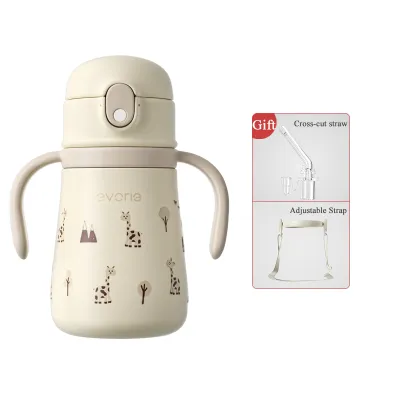
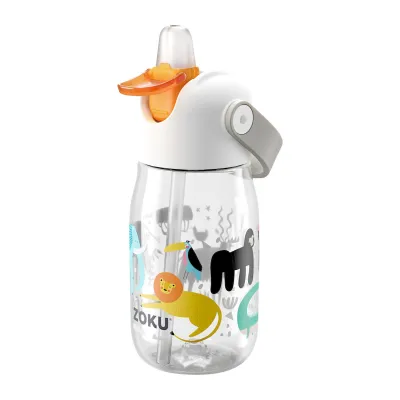
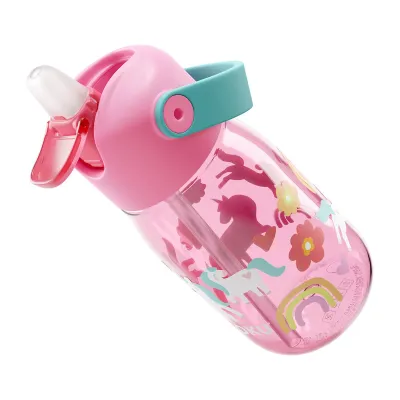
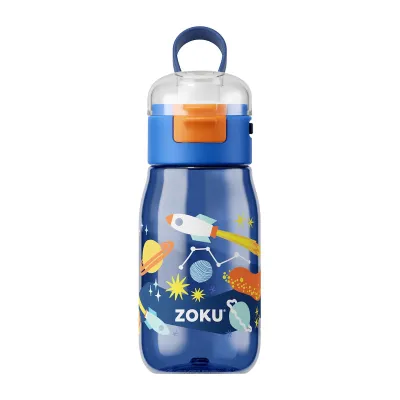
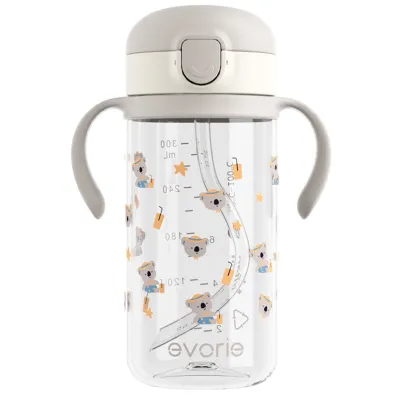
Prices are valid at publication and may change. Please refer to the product page for the latest price.
When shopping, parents should carefully read manufacturer labels to verify the actual build quality. Look for terms like “vacuum insulated” or “double-wall vacuum” to ensure you are getting a high-performance container. If a label simply says “double-wall” without mentioning a vacuum, it is likely an air-insulated model. Some premium stainless steel options also feature a copper lining on the inner wall, which reflects thermal radiation and further enhances temperature retention.
How to Evaluate Brand Temperature Retention Claims
Evaluating the temperature retention claims advertised by popular brands requires a critical eye. Manufacturers often list separate metrics for cold and hot liquids, with cold retention typically lasting significantly longer. Cold retention is easier to maintain because the starting temperature of ice water is buffered by the physical phase change of melting ice, whereas hot liquids lose energy continuously to the surrounding environment.

Parents should check if the advertised retention hours realistically cover a standard school day. In Singapore, a typical school day plus commute time spans approximately 6 to 8 hours. A bottle that claims to keep drinks cold for 24 hours is excellent, but a reliable 8-hour window is more than sufficient for daily school needs. Focus on finding a bottle that can maintain a refreshing temperature through dismissal rather than paying a premium for unnecessary, extreme retention ratings.
Rather than relying solely on marketing slogans, look for standardized testing methods or independent verification on the brand’s official website. Reputable brands often specify the starting temperature of the liquid and the ambient room temperature used during their tests. Keep in mind that laboratory tests are conducted under controlled conditions, usually around 20°C to 22°C. Real-world performance in tropical climates will naturally be slightly lower, as higher ambient temperatures accelerate heat transfer.
Practical Factors That Affect Real-World Insulation
Regardless of a brand’s laboratory claims, daily usage variables play a significant role in how well a bottle maintains temperature. Frequent opening, sipping, and leaving the lid unsealed between classes allows warm ambient air to enter the bottle. Lid designs also impact performance; straw lids and bite valves, while convenient and spill-resistant, generally offer lower insulation than solid screw caps because the plastic or silicone mechanisms allow heat to bypass the vacuum seal.
How you prepare the bottle before school also makes a noticeable difference. Pouring cold water into a bottle that has been sitting in a warm kitchen causes the inner steel wall to absorb heat from the liquid immediately. To maximize performance, pre-chill the bottle by filling it with ice water for a few minutes before emptying it and adding the actual drink. This simple step cools the internal metal and extends temperature retention throughout the day.
Bottle capacity and liquid volume are additional factors that affect thermal efficiency. Air is a poor thermal mass compared to water, meaning a half-empty bottle contains a large pocket of air that warms up quickly, accelerating the temperature rise of the remaining liquid. To ensure the best insulation performance, fill the bottle as close to the fill line as safely possible, leaving just enough space to secure the lid without spilling.
Decision Framework: Choosing the Right Bottle for Your Child
Choosing the right water bottle for kids requires matching the insulation type with your child’s specific school routine and physical capabilities. Vacuum-insulated stainless steel is the clear choice if your child requires strict temperature control for ice-cold water or warm beverages and can manage the extra weight. However, a filled 500ml steel bottle can weigh close to a kilogram, which may add unnecessary strain to a younger child’s backpack.
For younger children or those who struggle with heavy school bags, double-wall plastic or lightweight metal bottles are often more practical. If your child only needs moderate cooling for ambient water, the weight savings of these alternative materials outweigh the need for maximum insulation. These lighter options are easier for small hands to handle and reduce the overall physical load during the daily commute.
Before purchasing a high-capacity insulated bottle, verify if your child’s school provides accessible water refill stations or drinking fountains. If students can easily refill their bottles with chilled water during recess or lunch, the need for maximum insulation capacity is greatly reduced. In this scenario, a smaller, lighter, moderately insulated bottle is a much more practical and comfortable choice for daily use.
Maintaining Insulation Performance and Safety
To ensure your child’s water bottle retains its thermal properties and remains safe for daily use over multiple school terms, proper maintenance is essential. Always check the manufacturer’s instructions regarding dishwasher safety. Even if a stainless steel bottle is labeled dishwasher-safe, the intense heat and harsh detergents of a dishwasher cycle can degrade the powder-coated exterior, warp plastic lids, and eventually compromise the vacuum seal weld at the base.
Physical damage is another common cause of insulation failure. Kids frequently drop their bottles on concrete playgrounds, and a deep dent can cause the inner and outer steel walls to touch. If these walls make contact, a thermal bridge is created, instantly destroying the vacuum insulation in that area. If you notice the outside of the bottle feeling cold or sweating when filled with ice water, the vacuum seal has been compromised and the bottle will no longer insulate effectively.
Regular cleaning is crucial to prevent mold and bacteria growth in lids, straws, and bite valves, which are common in kids’ bottle designs. Regularly disassemble all removable parts, including silicone gaskets, and clean them thoroughly with specialized brush kits. Ensure all components are completely dry before reassembling, as trapped moisture in warm climates can quickly lead to hygiene issues.
Frequently Asked Questions (FAQ)
Can I put boiling water in a kids' insulated water bottle?
No, you should avoid putting boiling water in bottles designed for children. Always check the manufacturer’s maximum temperature rating, as boiling water can warp plastic straw lids, degrade silicone seals, and cause pressure to build up inside the container. When the child opens the flip-top or straw lid, this pressure can cause hot liquid to spray out, posing a severe scalding risk. For warm beverages, ensure the liquid is at a safe, drinkable temperature before filling.
Does a heavier bottle always mean better insulation?
Generally, yes, because vacuum-insulated stainless steel requires two layers of metal and a robust sealing mechanism, making it inherently heavier than single-wall metal or plastic alternatives. However, the extra weight may not be suitable for younger children. If lightweight carrying is a priority, parents should look for compact vacuum bottles with thinner, high-tensile steel walls, or opt for double-wall plastic bottles if only moderate cooling is required.
Community discussion
Share your experience or ask a question. Comments are reviewed before publication.