
When comparing the insulation performance of popular 1-liter sports water bottles, the differences you experience in the real world rarely come down to the vacuum technology itself. Almost all leading brands utilize double-wall vacuum insulation, a highly effective design that removes air between two layers of stainless steel to eliminate heat transfer by conduction and convection. Instead, the variance in how long your water stays ice-cold or your tea stays hot depends on structural materials, lid configurations, and how you use the bottle throughout the day.
Choosing the right 1-liter (1L) bottle requires looking past broad marketing claims and understanding the physical factors that govern thermal retention. A 1-liter capacity is highly popular for sports and outdoor activities because it provides a substantial volume of hydration without becoming too heavy to carry. By learning how to evaluate these bottles based on their construction and design, you can select an option that maintains your desired beverage temperature from the start of your workout to the end of a long outdoor adventure.
Understanding Insulation in 1 Liter Water Bottles
To understand how these bottles perform, it helps to look at the physics of double-wall vacuum insulation. This construction features an inner stainless steel flask housed inside an outer metal shell, with the air between them completely evacuated during manufacturing. Because a vacuum contains no matter, heat cannot travel across this empty space via conduction or convection, which are the two primary methods of thermal transfer.
Products mentioned in this guide
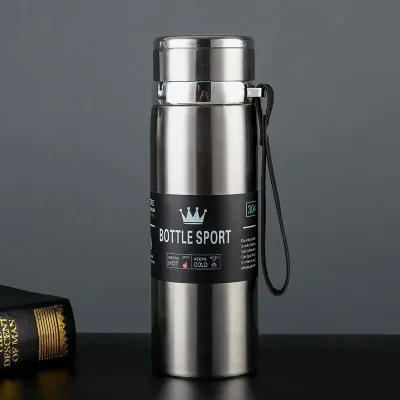
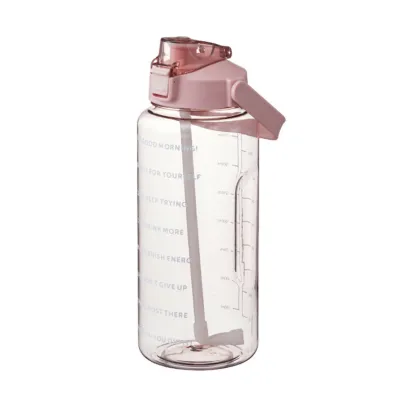
![[Lifestylemart] Water Bottle | BPA-Free | 1 litre](https://img.lazcdn.com/g/p/55323e4b22b23c24df4f98c344fe68a5.jpg_400x400q80.jpg_.webp)
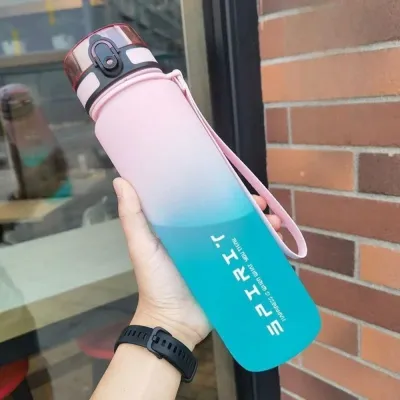
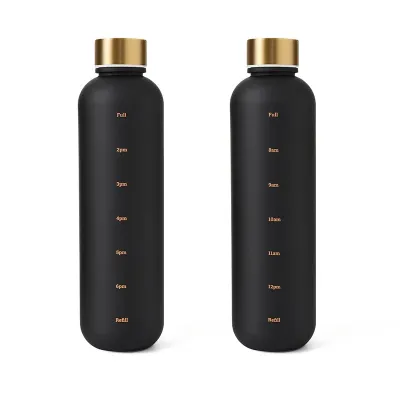
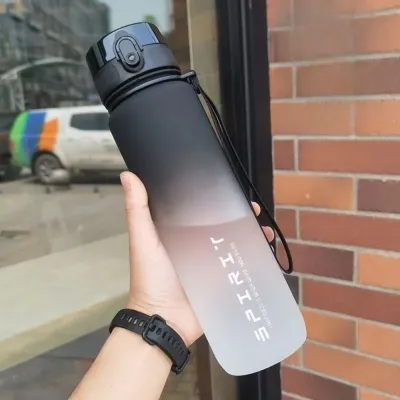
Prices are valid at publication and may change. Please refer to the product page for the latest price.
In a 1-liter bottle, the physics of temperature retention work slightly in your favor compared to smaller sizes. Larger volumes of liquid possess greater thermal mass, meaning they require more heat energy transfer to change temperature. Additionally, a 1-liter bottle has a lower surface-area-to-volume ratio than a 500ml bottle, which naturally slows down the rate of heat exchange with the surrounding environment.
However, the materials used in construction still play a critical role in overall durability and performance. High-quality sports bottles are typically constructed from 18/8 food-grade stainless steel, which contains 18% chromium and 8% nickel to resist rust and physical impacts. Some premium models also feature a copper lining on the outer surface of the inner wall, which reflects thermal radiation and further enhances temperature retention.
How to Evaluate Brand Specifications for Thermal Retention
When shopping for a 1-liter water bottle, you will frequently see bold manufacturer claims on product packaging or online marketplaces, such as promising to keep drinks cold for 24 hours or hot for 12 hours. It is important to understand that these ratings are established under highly controlled laboratory conditions. Typically, these tests are conducted in a room kept at a stable temperature of around 20°C to 22°C, starting with water that is either ice-cold or near boiling, and keeping the bottle completely sealed for the duration of the test.

Real-world sports environments are rarely this controlled. If you are training outdoors in a warm, humid climate, or leaving your bottle in a hot car, the ambient temperature surrounding the steel exterior will be significantly higher than a laboratory baseline. Every time you open the lid to take a drink, you introduce warm ambient air and allow cold air to escape, which accelerates the warming process.
To make an accurate comparison between brands, look for detailed specifications rather than simple hour ratings. Check if the manufacturer provides the specific testing parameters, such as the starting water temperature and the ambient room temperature used during their evaluations. Reading user feedback from athletes who train in climates similar to yours can also provide a more realistic expectation of how the bottle will perform during your daily activities.
Comparing Lid Designs and Their Impact on Heat Loss
While the stainless steel body of a 1-liter bottle is highly efficient at blocking heat transfer, the lid is almost always the primary point of thermal leakage. Lids are generally constructed from plastic and silicone, which do not insulate nearly as effectively as a double-wall vacuum steel body. Therefore, the style of lid you choose will have a direct impact on how long your beverage stays at its target temperature.
Straw lids and flip-top spouts are highly popular for sports because they allow for quick, one-handed hydration during high-intensity workouts. However, these designs are the most vulnerable to heat loss. They contain internal plastic straw assemblies, air valves, and multiple joints that create thin barriers against the outside air, allowing faster convective heat transfer.
In contrast, simple screw caps and narrow-mouth lids offer the highest level of thermal retention. These lids feature a solid, thick plastic or steel-lined cap that screws directly into the neck of the bottle, minimizing the surface area exposed to the air. Because they require you to unscrew the entire cap to drink, they also limit the amount of warm air that enters the bottle during use, making them ideal for long-duration activities.
Regardless of the lid style, the integrity of the silicone gasket is vital. This flexible ring creates an airtight seal when the lid is tightened, preventing liquid leaks and stopping air exchange. If a gasket becomes misaligned, worn, or dirty, it can compromise the airtight seal, leading to rapid temperature loss even if the steel body of the bottle is in perfect condition.
Decision Framework: Matching Bottle Features to Your Activity
To find the right 1-liter insulated bottle, you should match its specific design features to the demands of your sport and environment rather than simply searching for the longest advertised insulation time. Different activities require different trade-offs between thermal efficiency and convenience.
If your primary activity involves long, low-intensity outdoor adventures, such as hiking through nature reserves or spending a full day at an outdoor sports complex, prioritize maximum thermal retention. For these scenarios, a narrow-mouth bottle with a heavy-duty screw cap is highly suitable. This combination ensures your water remains cold for many hours, even when exposed to high ambient heat and humidity.
If you are using the bottle for high-intensity gym sessions, indoor fitness classes, or court sports, quick access is often more important than extreme temperature retention. In these settings, a wide-mouth bottle equipped with a straw lid or a quick-release flip cap is highly practical. Because your workout will likely last only one to two hours, the minor thermal loss associated with these convenient lids will not noticeably affect your hydration experience.
Before making a final decision, always verify the physical dimensions of the 1-liter bottle you are considering. Due to their larger capacity, 1L bottles typically have a wider base diameter, often measuring between 9cm and 10cm. Measure your bicycle bottle cages, backpack side pockets, or car cup holders to ensure the bottle will fit securely, as many standard holders are designed only for smaller 500ml or 750ml containers.
Care and Maintenance to Preserve Thermal Performance
An insulated water bottle is an investment in your sports gear, and proper maintenance is essential to keep its vacuum seal functioning correctly over time. Neglecting basic care can permanently damage the insulation capabilities of the bottle.
Always check the manufacturer’s instructions regarding dishwasher safety. Even if a brand states that their bottle is dishwasher safe, the intense heat, high water pressure, and harsh detergents used in dishwashers can sometimes degrade the exterior powder coating or compromise the vacuum seal over time. To ensure the longest possible lifespan for your bottle’s insulation, hand washing with warm, soapy water and a bottle brush is highly recommended.
Protect your bottle from hard drops and physical impacts. If a stainless steel bottle is dropped onto a hard surface, it can dent the exterior wall. If the dent is deep enough to cause the inner and outer steel walls to touch, it creates a physical bridge. This bridge allows heat to conduct directly through the metal, completely destroying the vacuum insulation and causing the bottle to lose its thermal retention capabilities.
Finally, pay close attention to the lid and silicone gaskets during cleaning. Remove the silicone gaskets periodically to wash away any trapped moisture, sports drink residue, or mold. Avoid soaking plastic lids or silicone parts in boiling water unless the manufacturer explicitly states it is safe, as extreme heat can warp these components and ruin the airtight seal required to keep your drinks cold.
Frequently Asked Questions (FAQ)
Does a 1-liter bottle keep drinks cold longer than a smaller size?
Yes, under identical insulation and environmental conditions, a 1-liter bottle will generally keep drinks cold longer than a smaller bottle, such as a 500ml version. This is because a larger volume of water has a greater thermal mass, which requires more heat energy transfer to change its temperature. However, this advantage can be reduced if you open the larger bottle frequently, as each opening introduces warm air into the headspace.
Can I put boiling water directly into any insulated sports bottle?
You must check the manufacturer’s guidelines before putting boiling water into your bottle. While the stainless steel body can easily withstand high temperatures, many sports lids, straw attachments, and flip-top mechanisms are made of plastics that can warp or degrade when exposed to boiling liquids. Furthermore, pouring boiling water into a sealed bottle can cause steam pressure to build up, creating a scalding hazard when you open the lid.
Why does my insulated bottle sweat on the outside?
An insulated bottle in good working condition should not sweat or form condensation on its stainless steel body, even when filled with ice water in a highly humid environment. If you notice condensation forming on the metal exterior, it is a clear sign that the vacuum seal has been compromised, allowing heat to transfer directly through the walls. However, minor condensation on a plastic lid is normal, as plastic does not provide the same level of insulation as the double-wall vacuum steel body.
Community discussion
Share your experience or ask a question. Comments are reviewed before publication.