
When selecting a sports water bottle, comparing insulation performance across popular brands comes down to verifying physical construction rather than relying on marketing claims. While many brands promise all-day ice retention, the actual thermal efficiency during a workout depends on specific engineering features, your exercise environment, and how you use the bottle.
To find the right bottle for your fitness routine, you must look past brand logos and evaluate the underlying technology. By understanding how vacuum seals, lid designs, and environmental factors interact, you can choose a bottle that keeps your drinks at the perfect temperature from your warm-up to your cool-down.
Quick Answer: Evaluating Sports Water Bottle Insulation
Actual insulation performance is driven by verifiable physical specifications rather than brand prestige. When comparing sports bottles, the presence of double-wall vacuum insulation is the baseline standard for temperature retention, but the lid design and materials ultimately determine how long your drink stays cold.
Products mentioned in this guide
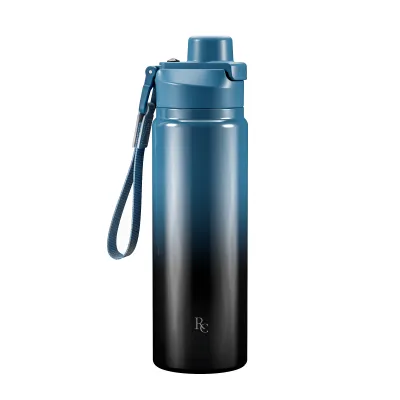
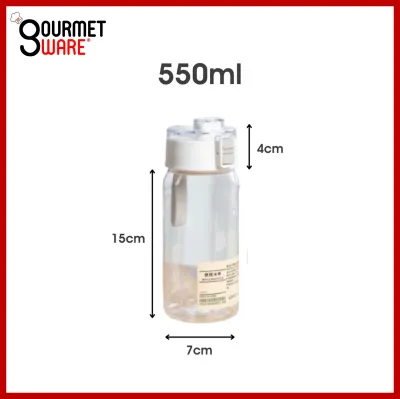
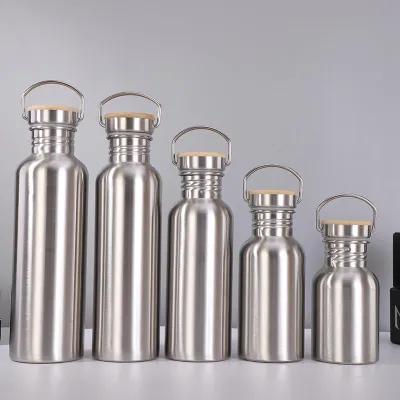
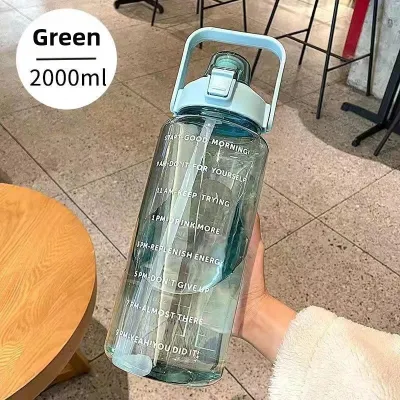
Prices are valid at publication and may change. Please refer to the product page for the latest price.
Your workout duration, environment, and hydration frequency dictate the level of thermal retention you actually need. For instance, a short indoor gym session requires less thermal resistance than a multi-hour outdoor cycle in high humidity.
Before purchasing, always check the manufacturer’s label for standardized hot and cold retention ratings. These ratings provide a reliable baseline for comparison, allowing you to match the bottle’s specifications to your typical workout length.
Key Insulation Technologies to Verify Before Buying
Double-Wall Vacuum Insulation
Double-wall vacuum insulation is the most critical feature for temperature retention. This construction involves two stainless steel walls with a vacuum gap sealed between them. Because a vacuum contains no air molecules, it virtually eliminates heat transfer via conduction and convection, keeping external heat from warming your cold water.

Lid and Seal Mechanisms
While the bottle body prevents heat transfer, the lid is the primary point of thermal escape. Lids are typically made of plastic or silicone, which do not insulate as effectively as a vacuum-sealed steel body.
- Screw Caps: These provide the most secure thermal barrier because they typically feature thick insulation within the cap and a tight, continuous seal.
- Straw Lids and Flip-Tops: These offer excellent convenience during high-intensity workouts but introduce minor air vents and thinner seals, which can let heat slip in over time.
Material and Coating
High-quality insulated bottles use food-grade 18/8 stainless steel, which is durable and resistant to odor retention. Some premium models feature an internal copper plating on the outer surface of the inner wall. This copper layer reflects radiant heat, further enhancing the bottle’s ability to maintain cold temperatures.
Exterior Finishes
An often-overlooked aspect of sports bottles is the exterior finish. A high-quality powder coating prevents condensation from forming on the outside of the bottle when filled with ice water. This sweat-proof design ensures a secure grip during intense workouts and protects the bottle from scratches and minor drops.
How Workout Conditions Affect Temperature Retention
Ambient Temperature and Humidity
Real-world performance often differs from laboratory specifications due to environmental conditions. In a tropical climate like Singapore, where outdoor temperatures regularly exceed 30°C with high humidity, the temperature differential between your ice water and the surrounding air is stark. This extreme difference accelerates heat transfer through the non-insulated lid of the bottle.
Usage Frequency
Every time you open your bottle to take a sip, you introduce warm ambient air into the container and allow cold air to escape. During high-intensity interval training (HIIT) or long-distance runs where you hydrate frequently, this constant air exchange can significantly shorten the duration of ice retention.
Volume and Ice Ratio
Thermal mass plays a major role in how long your drink stays cold. A bottle filled to capacity with a high ratio of ice to water will maintain its temperature much longer than a half-empty bottle. As you consume the liquid, the growing volume of air inside the bottle speeds up the warming process.
Decision Framework: Matching Bottle Specs to Your Routine
For Long Outdoor Endurance Sessions
If you participate in long-distance cycling, hiking, or outdoor sports, prioritize maximum cold retention. Choose a wide-mouth, double-wall vacuum insulated bottle with a heavy-duty screw cap. The wide mouth allows you to load large ice cubes easily, while the solid screw cap ensures the tightest possible thermal seal against outdoor heat.
For Gym Workouts and Court Sports
If your workouts consist of gym sets, spinning, or court sports, convenience is often more important than extreme thermal retention. Opt for an insulated bottle equipped with a straw lid or a one-handed flip-top. While these lids sacrifice a small amount of peak insulation performance, they allow you to hydrate quickly between sets without interrupting your momentum.
For Trail Running and Fast-Packing
When weight reduction is your primary goal, traditional double-wall vacuum insulated bottles may feel too heavy. For these activities, a single-wall stainless steel or lightweight non-insulated bottle is often more practical. While your water will quickly reach ambient temperature, the weight savings will help you maintain your pace over long distances.
Sizing and Compatibility Checks
Before finalizing your purchase, verify that the bottle’s physical dimensions match your workout gear. Check the diameter of the bottle against your treadmill’s cup holder, your bicycle’s bottle cage, or the side pockets of your gym bag. A bottle that does not fit your equipment is difficult to transport and use during exercise.
Maintenance and Care for Long-Lasting Insulation
Cleaning Restrictions
To preserve the vacuum seal of your insulated bottle, always follow proper cleaning guidelines. Avoid placing vacuum-insulated bottles in the dishwasher unless the manufacturer explicitly states it is safe to do so. The high heat and prolonged drying cycles of dishwashers can compromise the outer powder coating and expand the metal, potentially damaging the vacuum seal weld.
Inspecting for Damage
Accidental drops on hard gym floors or outdoor trails can do more than just dent your bottle’s exterior. A severe impact can cause the inner and outer stainless steel walls to touch. If these walls make contact, they create a thermal bridge that allows heat to transfer directly into your drink, permanently ruining the bottle’s insulation capabilities.
Lid and Gasket Care
To prevent leaks and maintain a proper thermal seal, regularly inspect the silicone gaskets inside your bottle’s lid. Over time, these gaskets can accumulate dirt, mold, or lose their elasticity. Clean them thoroughly by removing them with a small tool, washing them in warm soapy water, and letting them dry completely. If a gasket becomes worn or stretched, replace it immediately; replacement gaskets are highly affordable, often costing under S$5, and will restore your bottle’s leak-proof and thermal performance.
Frequently Asked Questions (FAQ)
Does the color of a sports water bottle affect its insulation performance?
Yes, the exterior color of a sports water bottle can have a minor effect on its insulation performance during outdoor workouts. Darker colors, such as black or deep navy, absorb more radiant heat from direct sunlight than lighter colors or reflective stainless steel finishes.
While the internal vacuum layer remains the primary barrier against heat transfer, a dark exterior shell will become significantly hotter to the touch in direct sun. This heat can eventually conduct upward toward the non-insulated neck and lid of the bottle, slightly accelerating the warming of your drink. For prolonged outdoor use in sunny conditions, choosing a lighter color or a metallic finish is a practical way to minimize heat absorption.
How can I test if my insulated water bottle has lost its vacuum seal?
You can easily test the integrity of your bottle’s vacuum seal at home using hot water. Start by filling the empty bottle with boiling or very hot water, taking care not to spill any on the outside of the container. Secure the lid and let the bottle sit on a flat surface for two to three minutes.
After a few minutes, feel the exterior metal body of the bottle. If the vacuum seal is intact, the outside of the bottle should remain completely cool to the touch, as the vacuum gap prevents the heat from escaping. If the exterior of the bottle feels warm or hot, the vacuum seal has been compromised, meaning the bottle has lost its insulation properties and should be replaced.
Community discussion
Share your experience or ask a question. Comments are reviewed before publication.