
Choosing the right kinesiology tape in Singapore requires balancing your skin sensitivity, activity level, and the challenges of a highly humid tropical climate. Because no single tape fits every scenario, your selection should depend on how and where you intend to use it.
Choose professional-grade synthetic tapes if you engage in high-intensity sports, endurance running, or water sports where heavy sweating and friction are guaranteed. These synthetic options offer superior elasticity, stronger adhesive patterns, and fast-drying properties that withstand demanding conditions.
Choose gentle cotton tapes with hypoallergenic adhesives if you have sensitive skin, require light support for daily postural correction, or are in a recovery phase. These prioritize breathability and minimize the risk of contact dermatitis during extended wear.
Products mentioned in this guide
![[SG In Stock]KT Tape Kinesiology Sports Tape Elastic Relief Strain Patch Athletic Recovery Fitness Bandages(5m x 5cm)](https://img.lazcdn.com/g/p/6d4230aeef54f30f05affa57fc76ed4d.jpg_400x400q80.jpg_.webp)
![[SG Ready Stock]KT Tape Kinesiology Tape Sports Tapes Kinesio Muscle Elastic Athletic Recovery Fitness Bandages(5m x 5cm](https://img.lazcdn.com/g/p/984cc6f93ea1400e298d1f668a19523d.png_400x400q80.png_.webp)
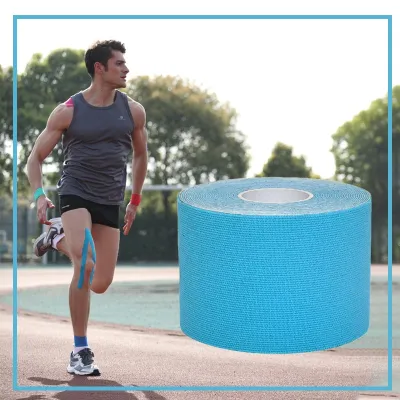
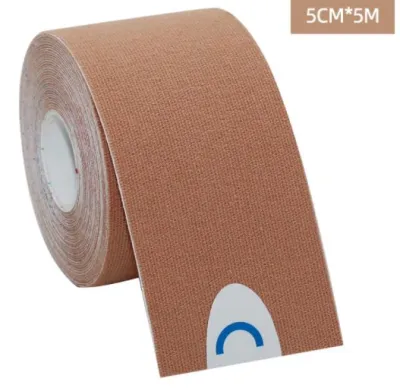
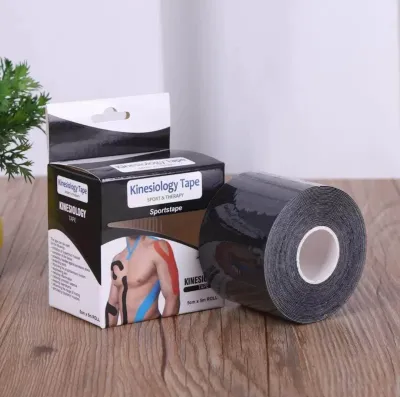
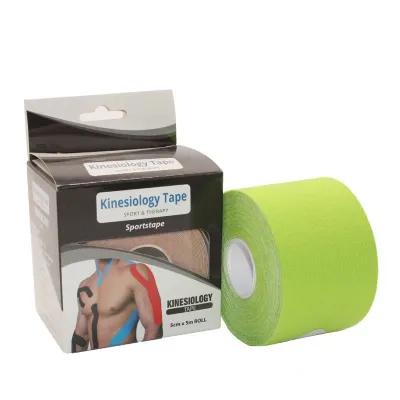
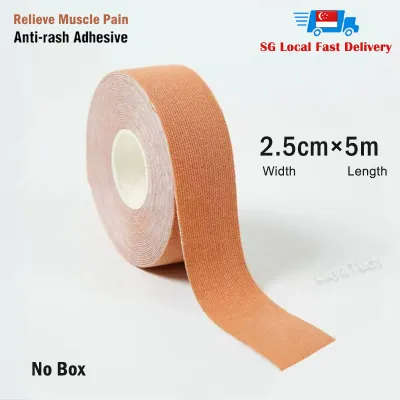
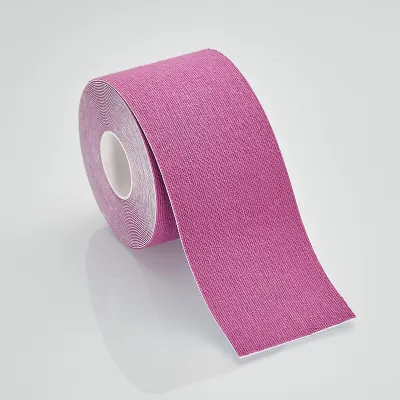
Prices are valid at publication and may change. Please refer to the product page for the latest price.
Choose value-focused bulk rolls if you apply tape daily, use it for short-term practice sessions, or require extensive coverage over large muscle groups where premium pricing becomes cost-prohibitive.
Ultimately, the performance of any kinesiology tape is highly dependent on individual skin chemistry and local environmental conditions. In Singapore’s typical high relative humidity, adhesive performance can vary significantly from manufacturer specifications, making personal compatibility testing essential.
Key Dimensions for Comparing Kinesiology Tape
To make an informed choice, you must understand the technical specifications listed on product labels. The first major differentiator is material composition. Traditional kinesiology tapes are made of 100% cotton, which offers excellent breathability, a soft feel, and comfortable daily wear. However, cotton absorbs moisture and remains wet longer. Synthetic blends, typically utilizing nylon, polyester, or rayon microfibers, do not absorb water. Instead, they wick moisture away, dry rapidly, and offer a higher moisture-vapor transmission rate, making them highly suitable for tropical climates.
Adhesive chemistry is another critical factor. Most brands use a medical-grade acrylic adhesive that is heat-activated, meaning it bonds more securely as body temperature rises or when rubbed during application. Standard acrylic adhesives provide robust hold but can cause irritation on sensitive skin. Hypoallergenic formulations use modified acrylic polymers or water-based adhesives that reduce skin trauma upon removal. If you have sensitive skin, verifying that the product is latex-free and hypoallergenic is a vital safety check.
Stretch capacity determines how the tape behaves under tension. Standard tapes are designed to stretch longitudinally—along the length of the roll—by roughly 130% to 180% of their original length, mimicking the natural elasticity of human skin. This longitudinal stretch creates a mechanical “lifting” effect on the epidermis, which can help promote local circulation and lymphatic drainage. Specialized multi-directional stretch tapes also exist, offering elasticity in both horizontal and vertical directions for complex joint applications, though these require advanced taping skills to apply correctly.
Finally, consider the product format. Uncut rolls provide maximum customization, allowing you to measure and cut precise lengths for any muscle group or joint. This format is highly cost-effective but requires sharp scissors and extra preparation time. Precut strips, which often come in pre-measured I-strips, Y-strips, or fan shapes, offer maximum convenience and fast application. However, precut options limit your ability to customize tension and carry a higher cost per meter, making them better suited for occasional users or travel kits.
How Popular Kinesiology Tape Options Compare
The Singapore market features a diverse array of options, ranging from clinical brands found in physiotherapy clinics to consumer brands sold in local pharmacies. To make an informed decision, it is helpful to categorize these products into three distinct tiers based on their material engineering and target use cases. Always check individual product packaging to verify specific manufacturer claims regarding water resistance, wear duration, and adhesive formulations.

Premium and Professional-Grade Tapes
Premium tapes are engineered for competitive athletes and high-friction environments. These products typically feature synthetic fiber blends, such as nylon or high-grade rayon, which provide exceptional elastic recoil. This means the tape retains its supportive tension over longer periods, even during repetitive, high-impact movements like distance running or weightlifting.
To ensure the tape remains secure under extreme conditions, manufacturers of premium tapes often employ advanced adhesive patterns. A common design is a wave or fingerprint pattern, which creates micro-channels that allow sweat and air to escape. This prevents moisture from pooling beneath the tape and lifting the adhesive.
While these high-performance adhesives offer unmatched durability, they require careful handling. The bond can be exceptionally strong, meaning hasty removal can lead to skin irritation or epidermal tearing. Additionally, premium tapes sit at the highest price point in Singapore, typically ranging from S$25 to S$40 per roll, making them an investment best reserved for intense training cycles or race days.
Everyday and Value-Focused Tapes
Everyday tapes are generally constructed from 100% cotton and utilize standard medical-grade acrylic adhesives. These products are highly accessible and serve as an excellent entry point for casual fitness enthusiasts, individuals undergoing physical therapy, or those using tape for postural correction during long office hours.
Because cotton is naturally soft and breathable, these tapes offer high comfort for daily wear. They provide gentle, flexible support without restricting your range of motion. For non-strenuous activities, a standard cotton tape can easily remain comfortably in place for several days.
However, cotton’s main limitation is its performance under heavy moisture. If you sweat heavily during a workout or wear the tape in the shower, the cotton fibers will absorb water, becoming heavy and sagging. This moisture retention can weaken the adhesive bond, causing the corners to peel prematurely.
To maximize cost-effectiveness, frequent users should purchase uncut rolls in bulk. Buying bulk rolls significantly reduces the cost per application compared to purchasing individual packs of precut strips, making daily taping routines highly affordable.
Options for Sensitive Skin and High Humidity
Singapore’s tropical climate presents a unique challenge for kinesiology tape users. The combination of constant high humidity and perspiration can trap moisture beneath the tape, leading to skin maceration, itching, and heightened sensitivity to acrylic adhesives.
To address this, specialized sensitive-skin tapes utilize gentler, hypoallergenic adhesives. These formulations are designed to provide sufficient grip for daily activities while releasing more easily during removal, minimizing the risk of skin irritation. Some brands also offer ultra-thin, highly porous cotton weaves that maximize airflow and accelerate drying times.
If you struggle with tape adhesion due to heavy sweating, you can look for specialized skin prep sprays or adhesive primers. These products are applied to the clean skin beforehand, creating a protective barrier that shields the skin from adhesive irritation while simultaneously enhancing the tape’s grip in humid conditions.
Always prioritize safety when trying a new brand or formulation. If you have a history of eczema, allergies, or sensitive skin, perform a small patch test on your inner forearm for 24 hours before applying the tape to larger areas or joints.
Factors That Affect Tape Performance and Wear Time
Even the most advanced, high-adhesion tape will fail prematurely if applied incorrectly. Understanding the variables that govern wear time can save you money and protect your skin from unnecessary irritation.
Skin preparation is the single most critical step in the application process. The target area must be completely clean, dry, and free of body oils, sweat, lotions, or sunscreen. Shaving or closely trimming dense body hair is highly recommended, as hair prevents the adhesive from making direct contact with the skin. Cleaning the area with an isopropyl alcohol wipe and allowing it to dry completely before application removes residual sebum and creates an optimal bonding surface.
Your application technique also directly impacts how long the tape will stay secure. Always round the corners of each tape strip using sharp scissors; sharp, square corners easily catch on clothing or gear and peel back. When applying the tape, ensure that the first and last two inches of the strip—known as the anchors—are applied with absolutely zero tension. Over-stretching the anchors is a primary cause of premature peeling and painful skin blistering at the ends of the tape.
To manage the effects of Singapore’s humid climate, plan your application timing carefully. Apply the tape at least 30 to 60 minutes before engaging in physical exercise, showering, or swimming. This buffer period allows the heat-activated acrylic adhesive to form a secure, stable bond with your skin. After water exposure, do not rub the tape with a towel; instead, gently pat it dry or use a hairdryer on its coolest setting to dry the fabric without melting the adhesive.
Buying Guide: Where to Shop and What to Verify
When purchasing kinesiology tape in Singapore, sourcing from reputable outlets ensures product authenticity and safety. High-quality tapes are readily available at established local pharmacies, major sporting goods retailers, and specialized physiotherapy clinics. These outlets source directly from authorized distributors, guaranteeing that the products have been stored correctly.
For online shopping, utilize official brand storefronts on reputable e-commerce platforms. Be cautious of exceptionally cheap, unbranded rolls sold by unverified third-party sellers on online marketplaces. These low-cost alternatives often use inferior, industrial-grade adhesives that can cause severe chemical burns, allergic contact dermatitis, or painful skin tearing upon removal.
Before finalizing your purchase, always check the product packaging for an expiration date. Kinesiology tape adhesives degrade over time, especially when stored in warm, humid environments. Ensure the packaging is fully sealed and clearly specifies the material composition and adhesive type. If you are recovering from an injury or are unsure about proper application techniques, consult a certified physiotherapist or sports medicine professional in Singapore for personalized guidance.
Frequently Asked Questions (FAQ)
Can I wear kinesiology tape while swimming or showering?
Yes, most high-quality kinesiology tapes are water-resistant and designed to withstand showering or swimming. However, they are not entirely waterproof. To preserve the adhesive after water exposure, avoid rubbing the tape with a towel. Instead, gently pat it dry or use a hairdryer on a cool setting. Avoid hot water and heavy soaps directly on the taped area, as heat and oils can break down the adhesive bond.
How long can I safely leave the tape on my skin?
The general recommended wear time is 3 to 5 days. Leaving the tape on longer can trap moisture and sweat, increasing the risk of skin irritation or bacterial growth. If you experience any itching, burning, redness, or discomfort, remove the tape immediately. To remove it safely, peel it slowly in the direction of hair growth while pressing down on the skin behind the tape, or apply baby oil to dissolve the adhesive first.
Does the color of the tape affect its performance?
No, the color of the kinesiology tape is purely aesthetic and does not affect its stretch, strength, or therapeutic properties. All colors within the same product line share identical material compositions and adhesive strengths. You can choose colors based on personal style, team uniforms, or psychological preference without worrying about performance differences.
Community discussion
Share your experience or ask a question. Comments are reviewed before publication.