
The ideal knee support guard for your needs depends entirely on your specific joint condition, your activity level, and whether you require dynamic mobility or rigid stabilization. In Singapore, where active lifestyles range from running along the East Coast Park to recovering from clinical joint procedures, choosing the right category of knee support is crucial. Rather than searching for a single universal brand, you should evaluate options based on their structural design, material properties, and intended use case. Matching your physical requirements to the correct class of support ensures both comfort in our humid climate and effective joint protection.
Identifying Your Primary Need: Sports Performance vs. Injury Recovery
To select the right knee support guard, you must first distinguish between active sports performance and injury recovery. These two scenarios require fundamentally different levels of structural support, flexibility, and compression. Using the wrong type of guard can either restrict your natural movement unnecessarily or fail to protect a vulnerable joint.
Dynamic sports support is designed for active movement, focusing on flexibility, breathability, and patella tracking. When you are running, playing court sports like badminton, or lifting weights at the gym, your knee joint requires a guard that moves with you. These guards typically utilize elastic or knit fabrics that provide mild to moderate compression. This compression helps maintain joint warmth, improves proprioception (your body’s awareness of joint position), and offers light stabilization without locking the knee’s range of motion.
Products mentioned in this guide
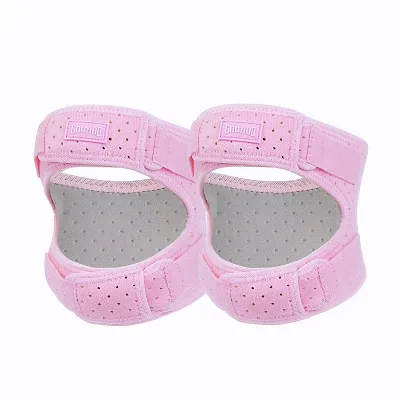
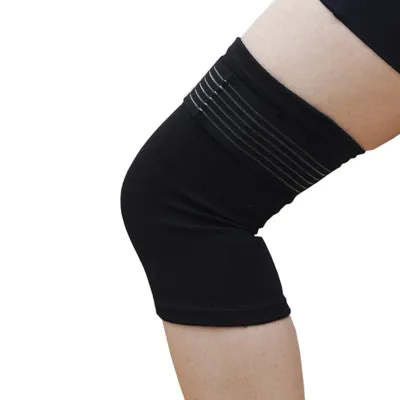
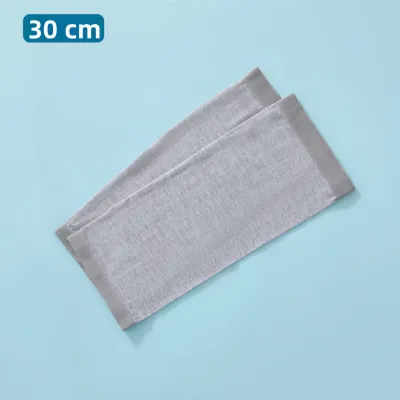
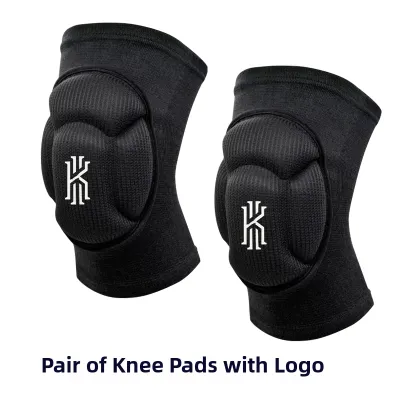
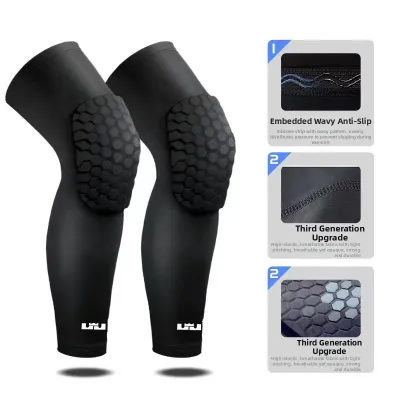
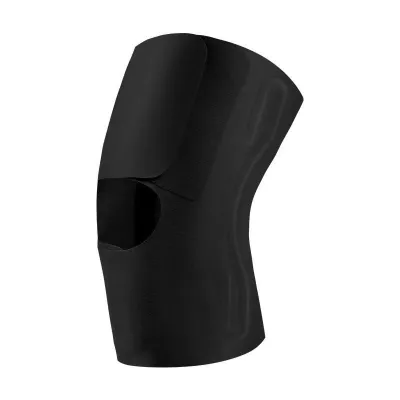
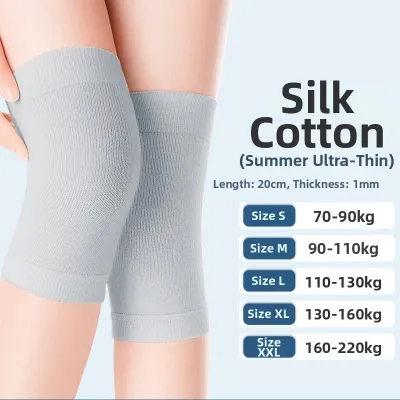
Prices are valid at publication and may change. Please refer to the product page for the latest price.
In contrast, recovery support is engineered for joint stabilization, immobilization, and managing post-injury or post-surgery conditions. If you are recovering from a ligament tear, meniscus injury, or surgical procedure, your joint requires external structural help to prevent harmful lateral movements. Recovery guards often feature rigid side stabilizers, hinged joints, and adjustable strapping systems. These components physically limit the knee’s range of motion to protect healing tissues from excessive strain or hyperextension.
Identifying your physical signals is the first step in making this decision. If you experience mild muscle fatigue, minor soreness after exercise, or want to prevent strain during high-impact activities, a sports-focused guard is generally appropriate. However, if you experience persistent joint instability, swelling, sharp pain, or stiffness that limits daily activities, you require a structured recovery guard.
It is vital to recognize the limits of self-treatment with retail knee guards. If you experience severe pain, joint locking, an inability to bear weight, or visible deformity, a standard sports guard is entirely insufficient. These symptoms require an immediate professional medical evaluation by a doctor or physiotherapist. Equipment cannot replace professional diagnosis, and attempting to brace a severe, undiagnosed injury can lead to long-term joint damage.
Evaluating Knee Support Brands by Category and Use Case
When exploring the Singapore market, you will find that knee support options generally fall into three distinct categories: clinical and rehabilitation brands, athletic and performance brands, and general value brands. Understanding these categories allows you to filter your choices based on your specific functional needs and budget.

Clinical and rehabilitation brands focus on medical-grade materials, precise anatomical sizing, and rigid structural supports. These brands are typically found in hospitals, specialist clinics, and dedicated medical supply stores. They prioritize therapeutic efficacy and joint stabilization over aesthetic design. Choose this category if you are managing post-operative recovery, severe ligament instability, or chronic joint conditions like osteoarthritis. These products often feature medical-grade compression knit, adjustable hinges, and customizable straps that allow you to control the degree of joint restriction.
Athletic and performance brands are designed specifically for active individuals who need joint warmth, mild stabilization, and high breathability. These brands are widely available in major sporting goods stores and fitness retailers across Singapore. They utilize lightweight, moisture-wicking synthetic fabrics and advanced knitting techniques to provide targeted compression zones. Choose this category if you need a guard for running, basketball, cross-training, or hiking. These guards support the patella and surrounding tendons while allowing a full, natural range of motion during high-intensity exercise.
General and value brands focus on basic elastic compression, everyday comfort, and affordability. These are commonly found in local pharmacies, supermarkets, and general retail shops. They are typically made from simple neoprene or elasticated cotton blends. Choose this category if you only require mild warmth for air-conditioned environments, basic comfort during light daily walks, or temporary relief from minor, non-specific joint stiffness. They offer minimal structural support but serve as an accessible option for low-impact, everyday wear.
To guide your decision, apply a simple selection framework. If your primary goal is to protect a healing injury during daily rehabilitation, prioritize clinical brands with rigid or semi-rigid stays. If your goal is to maintain joint stability during fast-paced sports, select athletic brands that offer flexible lateral stabilizers and high-ventilation fabrics. If you simply want to keep your knee warm and lightly compressed during sedentary work or light household chores, a basic value sleeve is often sufficient.
Key Specifications to Check on the Product Label
Regardless of the brand category you choose, you must inspect the physical specifications and product labels to ensure the guard is suitable for your body and environment. In Singapore’s hot and humid climate, comfort is directly tied to compliance; an uncomfortable guard will simply end up unused in a drawer.
Material composition and breathability are critical factors to verify. Look for moisture-wicking fabrics, such as specialized 3D flat-knit materials or perforated neoprene. Standard neoprene retains significant heat and sweat, which can quickly lead to skin irritation, heat rash, or bacterial buildup in tropical weather. Skin-friendly linings and hypoallergenic materials are highly beneficial if you plan to wear the guard for extended periods during outdoor activities.
Sizing and fit mechanics require careful verification rather than relying on generic small, medium, or large labels. High-quality brands will provide a detailed sizing chart requiring specific measurements, such as the circumference of your thigh fifteen centimeters above the patella, and your calf ten centimeters below it. A guard that is too tight can restrict blood circulation and cause swelling, while a loose guard will slip down and fail to provide support. Additionally, check for integrated silicone grip strips along the inner top cuff, which help keep the sleeve securely in place during repetitive movements.
Support structures must match your required level of stabilization. Inspect the product details for features like flexible lateral stays, which are spring-like metal or plastic inserts sewn into the sides of the sleeve to assist with lateral stability without restricting flexion. For patella issues, look for an integrated silicone or gel patella ring that surrounds the kneecap, helping to track its movement and distribute pressure evenly. If you require maximum stabilization, verify that the guard features mechanical hinges that can be adjusted or locked to specific angles.
Where to Buy and How to Verify Authenticity in Singapore
Purchasing your knee support from reliable channels is essential to ensure you receive a genuine, high-quality product that performs as intended. Counterfeit or poorly manufactured guards often use substandard elastics that degrade rapidly, offering inconsistent compression and compromised joint safety.
To guarantee authenticity, purchase directly from official brand stores, authorized pharmacy chains, or reputable sports specialty retailers in Singapore. These establishments source their inventory directly from official distributors, ensuring the materials and construction meet strict quality standards. Be cautious when browsing general online marketplaces or unverified third-party sellers, where counterfeit goods are more common. If a price seems unusually low compared to authorized retail rates, it is highly likely to be an imitation.
When evaluating a product in person or upon delivery, perform basic verification checks. Look for official distributor labels, holographic authenticity stickers, and high-quality, consistent packaging with clear instruction manuals. Genuine products will feature clean, precise stitching, robust Velcro closures that do not fray easily, and medical or sports certifications printed clearly on the box.
Finally, always review the retailer’s return and exchange policies before finalizing your purchase. Because correct fit is paramount to both safety and effectiveness, you must be able to exchange the guard if your initial measurements do not result in a comfortable, secure fit. An improperly fitted guard that restricts circulation or slips constantly is not only ineffective but can also exacerbate joint discomfort.
Frequently Asked Questions (FAQ)
How long should I wear a knee support guard during recovery?
The appropriate daily wear time for a knee support guard depends entirely on your specific injury, the type of brace, and your stage of recovery. For acute injuries or post-surgery rehabilitation, your doctor or physiotherapist may recommend wearing a structured brace during all waking hours or specifically during weight-bearing activities. For general recovery or mild instability, it is often advised to wear the guard only during physical exertion or prolonged standing. Avoid wearing a supportive guard continuously without professional guidance, as over-reliance can lead to muscle weakness and joint stiffness over time. Always consult a healthcare professional to establish a personalized schedule.
Can I wash my knee support in a washing machine?
You should always check the specific care label attached to your knee support before cleaning it. As a general rule, hand washing is the safest method to preserve the elasticity of the fabric and the integrity of any silicone grips or lateral stabilizers. Use cool or lukewarm water and a mild detergent, avoiding bleach and fabric softeners, which can degrade elastic fibers. Gently squeeze out excess water without wringing or twisting the fabric. Always air dry the guard flat in a shaded, well-ventilated area, keeping it away from direct sunlight, clothes dryers, or direct heat sources, which can warp structural components.
Do I need a knee support for both legs if only one is injured?
No, you generally do not need to wear a knee support on your uninjured leg unless specifically advised by a medical professional. Bracing a healthy joint unnecessarily can restrict its natural range of motion and alter your gait, potentially leading to compensatory strain on other parts of your body. Instead of relying on a physical guard for your healthy leg, focus on targeted strengthening, flexibility, and balance exercises to maintain its natural stability. A knee support should be reserved for the joint that requires active stabilization, compression, or protection during recovery.
Community discussion
Share your experience or ask a question. Comments are reviewed before publication.